
State · Mexico
Oaxaca
Oaxaca is a large state in southern Mexico, stretching from the Central Valleys and mountain ranges to the Pacific coast. Its mezcal-producing communities, Zapotec and Mixtec heritage, archaeological sites and workshop towns make it a destination best explored by region.
Get the geography right
Oaxaca is a state, not a single compact destination. It is divided into eight regions: the Central Valleys, Sierra Norte, Sierra Sur, Mixteca, Cañada, Isthmus, Papaloapan and the Coast. The Central Valleys, centred on Oaxaca de Juárez, are the practical base for short trips to Monte Albán, Mitla, textile villages and mezcal producers.
Treat distances seriously. Mountain roads and the scale of the state make combining the capital, the Sierra and the coast in a rushed itinerary a poor plan. Build a trip around one region, then add another only when you have time for an overnight stop.
Mezcal country
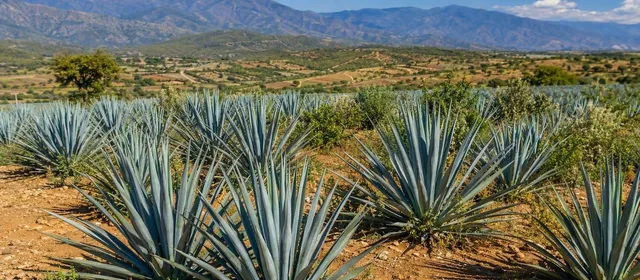
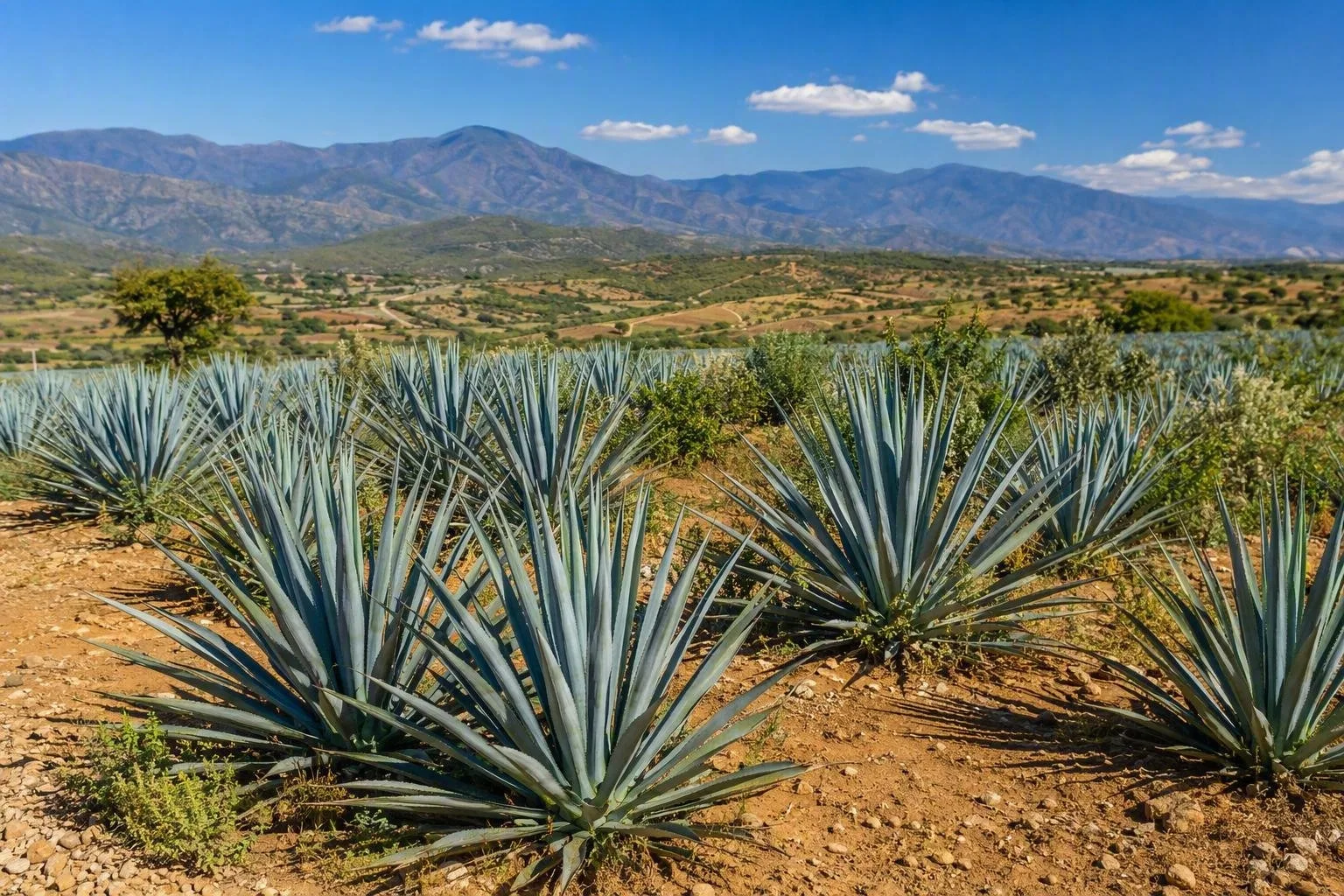
Mezcal is made across Oaxaca rather than in one continuous agave belt. The Central Valleys route links Santa María del Tule, Teotitlán del Valle, Tlacolula, Mitla and Santiago Matatlán, where palenques and mezcal shops are part of the local landscape.
A palenque visit is most useful when it follows the full chain: mature agave, the cooked piña, milling, fermentation and distillation. Espadín is the standard cultivated agave; expressions from tobalá or karwinskii varieties are more limited and should be treated as distinct products, not as upgrades by default.
- Arrange a visit directly with a producer or through a specialist guide.
- Ask which agave was used, whether it was cultivated or wild, and where it was harvested.
- Taste small pours slowly; do not drive after a tasting.
Archaeology and living craft
Monte Albán is the essential archaeological stop near Oaxaca de Juárez: a former Zapotec capital set on a levelled ridge above the valleys. Go early; the exposed plazas have little shade.
East of the city, Mitla is known for its precise geometric stone mosaic work. Nearby, the Tlacolula Valley also holds the UNESCO-listed prehistoric caves and rock shelters of Yagul and Mitla, whose evidence records the transition from foraging to settled agriculture.
Workshop towns make better stops when you choose a craft rather than trying to see them all. Teotitlán del Valle is known for woven textiles; other Central Valley communities specialise in pottery or carved and painted wood figures. Buy from the workshop when possible, ask about materials and labour, and avoid hard bargaining over work that can take weeks.
Timing and practical base
Oaxaca de Juárez is the most efficient base for the Central Valleys. Use a car with a designated non-drinking driver, a private driver or an organised outing for dispersed palenques and remote sites. Public transport can work between larger towns but is less useful for multi-stop days.
July’s Guelaguetza and the late-October to early-November Day of the Dead period bring heavy demand for rooms, transport and producer visits. Reserve accommodation and palenque appointments well ahead for those dates. Summer rain can also affect mountain and unpaved roads.
For a compact first stay, allow separate days for Monte Albán and the city, the eastern mezcal-and-Mitla corridor, and one workshop village or natural outing.
From the magazine
Stories about Oaxaca
Editorial stories linked directly to Oaxaca.
Routes from our editors
Travel through Oaxaca
Editorial routes connecting Oaxaca with other countries, cities and hotspots.
No routes through Oaxaca have been published yet.
More in Mexico
Related hotspots
Other cities, nature areas and places within Mexico.
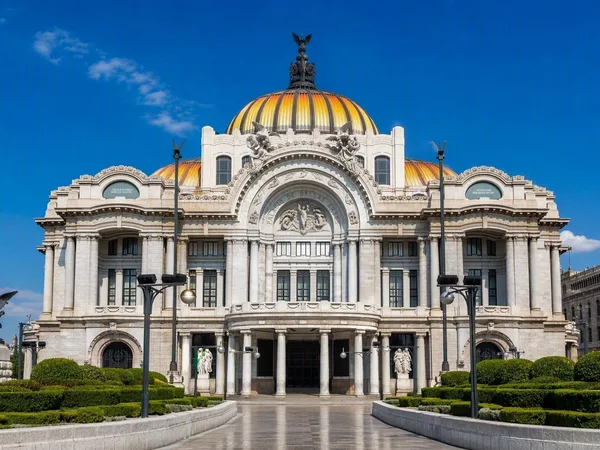
Mexico City
2 linked stories and routes
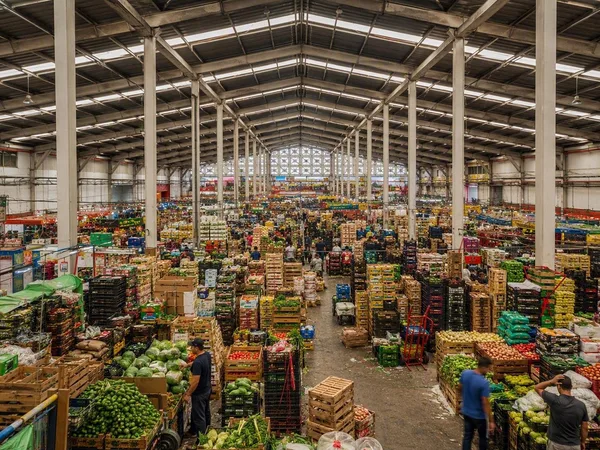
La Merced
1 linked stories and routes
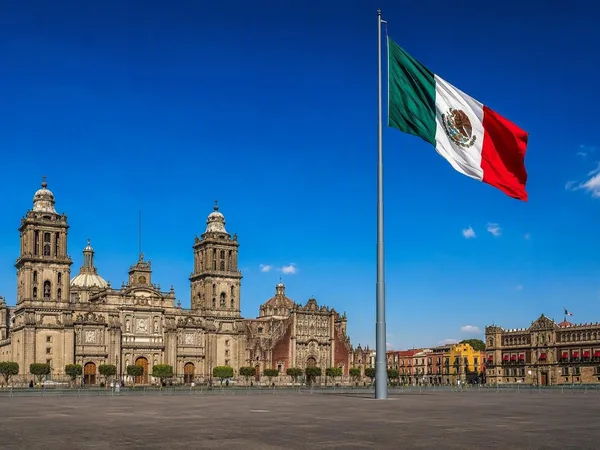
The Zócalo, Mexico City
1 linked stories and routes
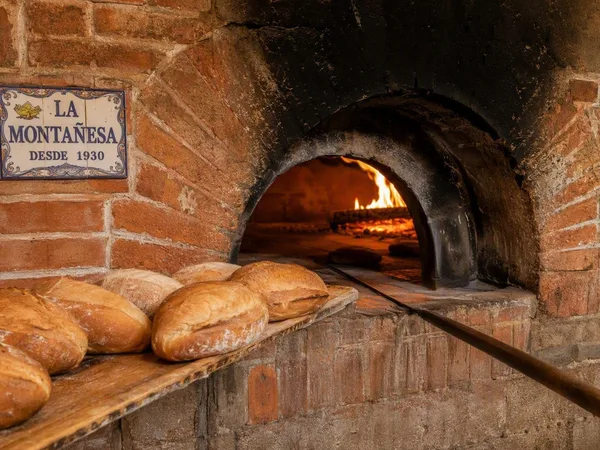
Tlalpan, Mexico City
1 linked stories and routes
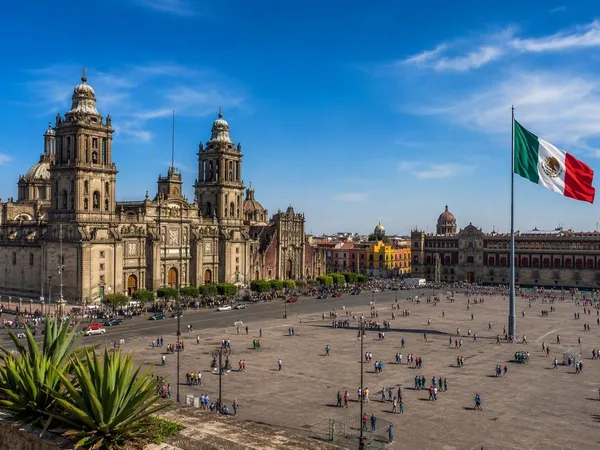
Centro Histórico
0 linked stories and routes
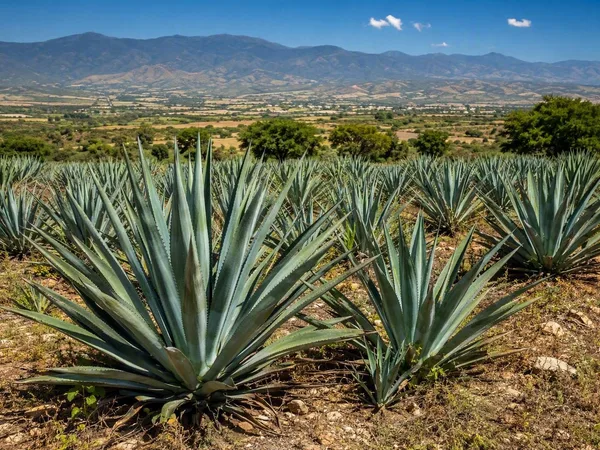
Central Valleys of Oaxaca
0 linked stories and routes
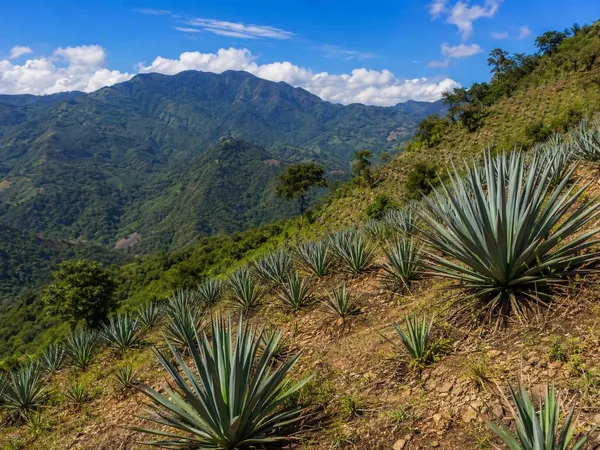
Sierra Sur, Oaxaca
0 linked stories and routes