
Costa Rica

Quetzals, volcanoes and two coasts

Costa Rica

Travelers can move from quetzal country to Pacific surf and Caribbean turtle beaches across a narrow Central American isthmus.

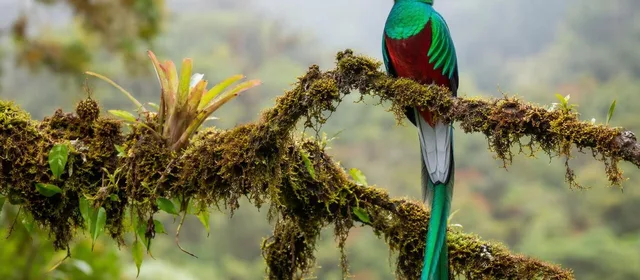
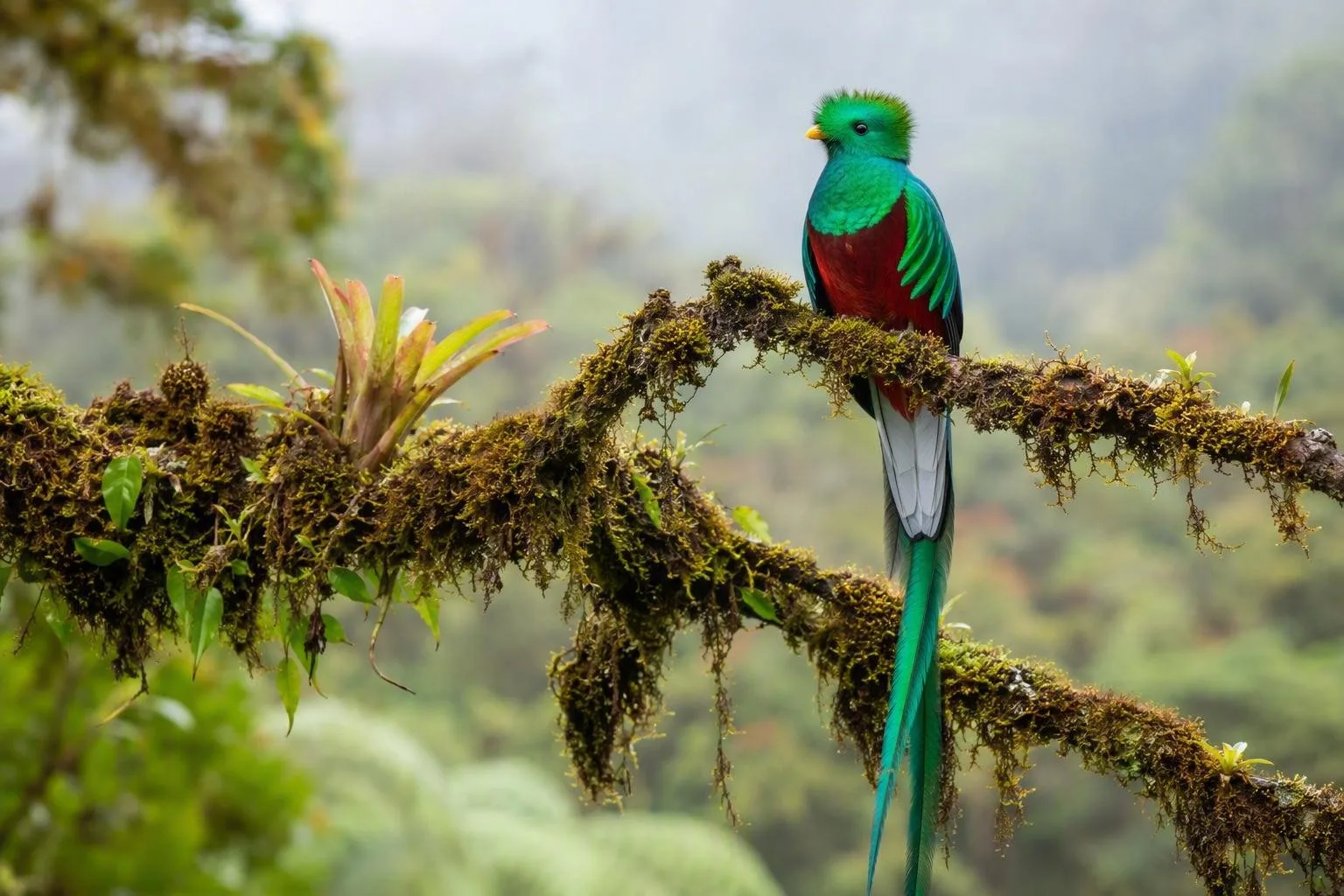
Costa Rica packs cloud forest, volcanoes and two very different coasts into a country smaller than many European regions. Green turtles come ashore on Tortuguero’s dark Caribbean beaches, while resplendent quetzals flash through the oak forests of the Talamanca highlands. Cross the mountains and the air turns drier: Guanacaste has cattle country, Pacific bays and patches of tropical dry forest. The short distances on a map can conceal big changes in rain, temperature, crops and daily life.

Arenal’s old lava fields sit beside hot springs, and Monteverde’s paths run through mossy forest crowded with orchids and ferns. On the Osa Peninsula, rainforest reaches the Pacific coast, where scarlet macaws, tapirs and monkeys live among the trees.

Costa Rica also rewards time away from the park gates. Coffee farms cover parts of the Central Valley, while San José museums display pre-Columbian gold, jade and ceramics. Guanacaste cooks maize dishes and keeps a strong ranching tradition. In Cahuita and along the Caribbean coast, rice and beans often come cooked in coconut milk, and calypso remains part of local culture. At a roadside soda, order a casado: rice, beans, plantain, salad and meat or fish on one plate. Come for the wildlife, then stay long enough to taste the country beyond the forest.

When to go

Best time to travel

Monthly values are indicative average maximum temperatures for San José and the Central Valley. Temperatures and rainfall vary meaningfully between the Pacific coast, Caribbean lowlands, northern plains and higher mountain regions. Monthly values are indicative average maximum temperatures for San José and the Central Valley. Temperatures and rainfall vary meaningfully between the Pacific coast, Caribbean lowlands, northern plains and higher mountain regions.

jan26°C feb27°C mar28°C apr28°C may27°C jun27°C jul26°C aug27°C sep27°C oct26°C nov26°C dec26°C

Weather in the capital

Practical Costa Rica

On every country page we show the current weather for the capital.

San José
Morning13°Cclear
Afternoon22°Cclear
Evening18°Covercast
today23°C / 13°Chigh and low

Current forecast by Open-Meteo

Getting around

Public buses link San José with major towns, although many routes pass through the capital. A rental car gives more freedom in rural areas. Domestic flights and Gulf of Nicoya ferries can cut down long overland journeys.

Paying in Costa Rica

The Costa Rican colón is the national currency. Cards are widely accepted in towns and established tourism businesses, while cash helps at small restaurants, markets and rural stops. Larger communities usually have ATMs.

Where to stay

Options include city hotels, family-run cabins, beach resorts, rainforest lodges and working farms. Coastal areas and towns near major parks fill up early from December to April and during holiday weeks.

Before you leave

Worth knowing

A practical starting point for your trip. Check current conditions and local information before you leave.

01

Calling code

Costa Rica’s international calling code is +506. Local telephone numbers contain eight digits and normally appear without an area code.

02

Driving side

Traffic keeps to the right. Road signs use Spanish, and drivers often navigate by route number, town name and familiar landmarks.

03

Official language

Spanish is the official language and the main language of daily life. English is common at many tourism businesses, especially on the coasts.

04

Street addresses

Many addresses use landmarks rather than street numbers. Directions may measure blocks in 100-metre sections and sometimes refer to landmarks that have disappeared.

05

Service and tipping

Restaurant bills normally include a 10% service charge as well as sales tax. An extra tip is optional and usually given for notably good service.

06

Meals and sodas

Breakfast starts early, lunch is usually around midday, and dinner often begins from 6pm. Sodas are informal local restaurants serving casados, gallo pinto and soups.

07

Business hours

Many shops open around 9am and close between 6pm and 8pm. Banks and government offices generally keep shorter weekday hours, while Sunday opening varies.

08

Domestic flights

Small aircraft connect San José with places such as Drake Bay, Puerto Jiménez, Nosara and Tortuguero. Operators often set lower baggage limits than international airlines.

09

Gulf ferries

Passenger and vehicle ferries cross the Gulf of Nicoya between Puntarenas and Paquera or Playa Naranjo. Check the current timetable before travelling.

10

Measurements

Costa Rica uses the metric system. Road distances appear in kilometres, temperatures in degrees Celsius and fuel quantities in litres.

11

Mobile connection

Kölbi, Claro and Liberty offer mobile service and prepaid SIMs. Coverage is strongest in towns and along main roads, with weaker signals in mountains and remote rainforest areas.

12

Pura vida and politeness

Pura vida can mean hello, goodbye, thanks or that everything is fine. Start a request with a greeting such as buenos días, and use usted when a more respectful form of address suits the situation.