National park · Costa Rica
Tortuguero National Park
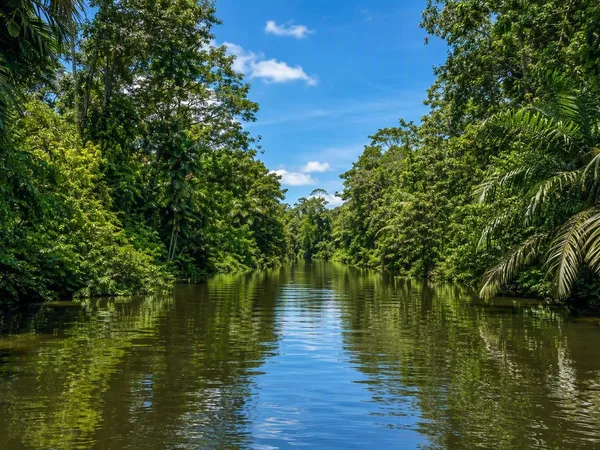
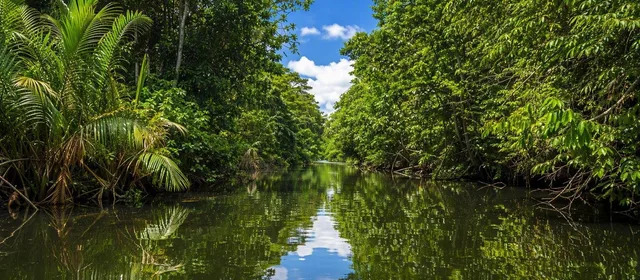
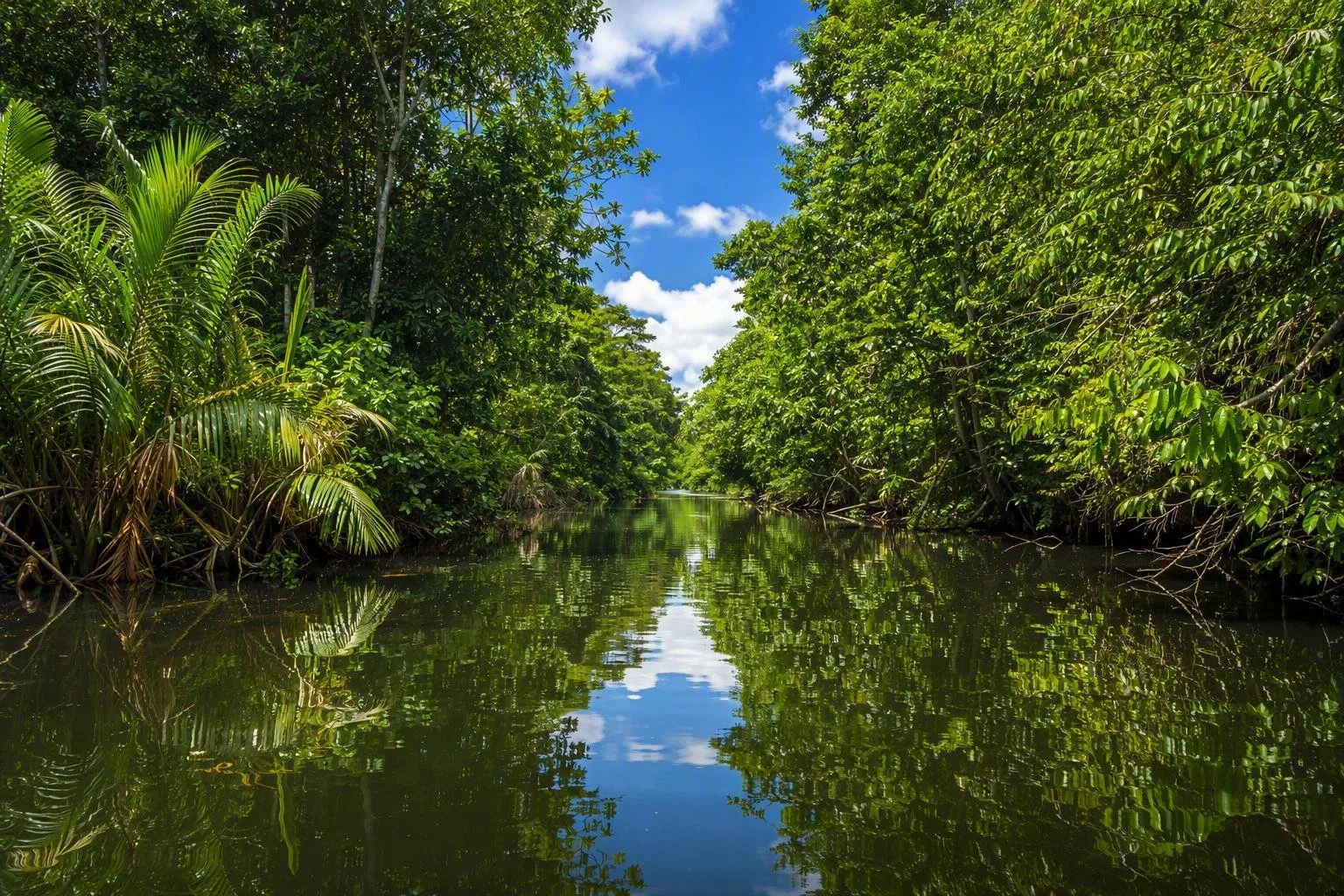
Tortuguero National Park is a vast wetland, rainforest and Caribbean-coast reserve in northeastern Costa Rica. Its waterways are the main routes through a landscape known for sea-turtle nesting beaches and canal wildlife.
Understand the landscape
Tortuguero is a water-first national park on Costa Rica’s northeastern Caribbean coast. It protects 76,937 hectares, including 26,653 hectares of land and 50,284 hectares of marine area. Rainforest, flooded forest, yolillo-palm swamps, rivers, canals and Caribbean beach sit within the same protected system.
This is not a park for long, free-ranging hikes. Almost all of its land area is reserved for strict protection, with visitation concentrated in designated public-use sectors. Plan to experience it by boat, then add a short trail rather than treating the park as a conventional trekking destination.
Use the canals well
The water trails are the practical core of a visit. Travel slowly: canal banks give clear sightlines into vegetation and are productive for birds, reptiles and monkeys.
- Río Tortuguero: the broad main water route, used by motorboats; look for waterbirds, amphibians and reptiles.
- Caño Chiquero and Caño Mora: narrow, vegetation-lined routes reserved for canoe or kayak.
- Caño Harold: a calm, narrow channel with secondary forest along its banks; motorboats can use it.
The park records 442 bird species, alongside 138 mammal, 118 reptile and 58 amphibian species. Caimans, jacanas, anhingas and black river turtles are among the animals associated with the canals. Wildlife is never guaranteed; keep distance and do not feed or handle animals.
Turtle beach rules
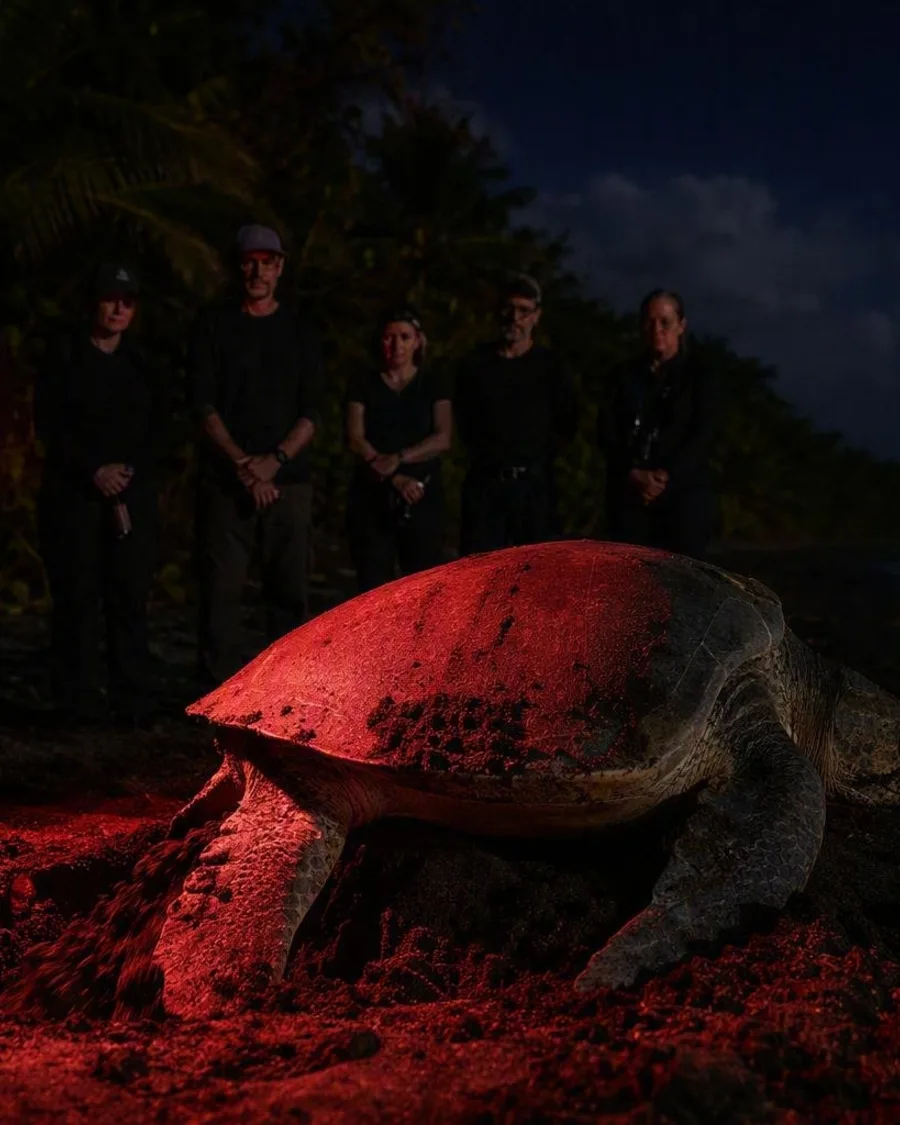
Tortuguero protects nesting beaches used by green, leatherback, hawksbill and loggerhead turtles. Green turtles nest roughly from June to October; leatherbacks arrive earlier, from about March to May.
Important: from 1 March to 31 October, beach access is restricted from 18:00 to 06:00. Nesting observation is only through an accredited guided tour in its assigned time and beach sector. No white light, flash photography, cameras or touching turtles. A tour is an opportunity to observe wild animals, not a guaranteed sighting.
Daytime beach access also requires park admission. Do not dig into nests or touch hatchlings.
Getting in and preparing
There is no road into Tortuguero. The standard overland route runs via Cariari and La Pavona, followed by a public or private boat along the Río La Suerte to Tortuguero. Flights are the alternative.
Expect heat, high humidity and rain in every month; annual rainfall can reach 6,000 mm. Bring a rain layer, insect repellent, water, binoculars and dry protection for electronics. Rubber boots are useful on wet trails and landings.
Stay on marked trails and public waterways. Swimming in the sea or lagoons is not recommended because of currents, boat traffic and wildlife.
From the magazine
Stories about Tortuguero National Park
Editorial stories linked directly to Tortuguero National Park.
Routes from our editors
Travel through Tortuguero National Park
Editorial routes connecting Tortuguero National Park with other countries, cities and hotspots.
No routes through Tortuguero National Park have been published yet.
More in Costa Rica
Related hotspots
Other cities, nature areas and places within Costa Rica.