
El Salvador

Volcanoes above the Pacific

El Salvador

Pacific surf breaks, crater lakes, highland coffee towns, and layered history lie within a short distance of one another.

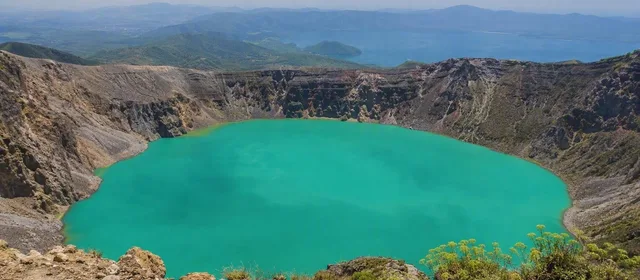
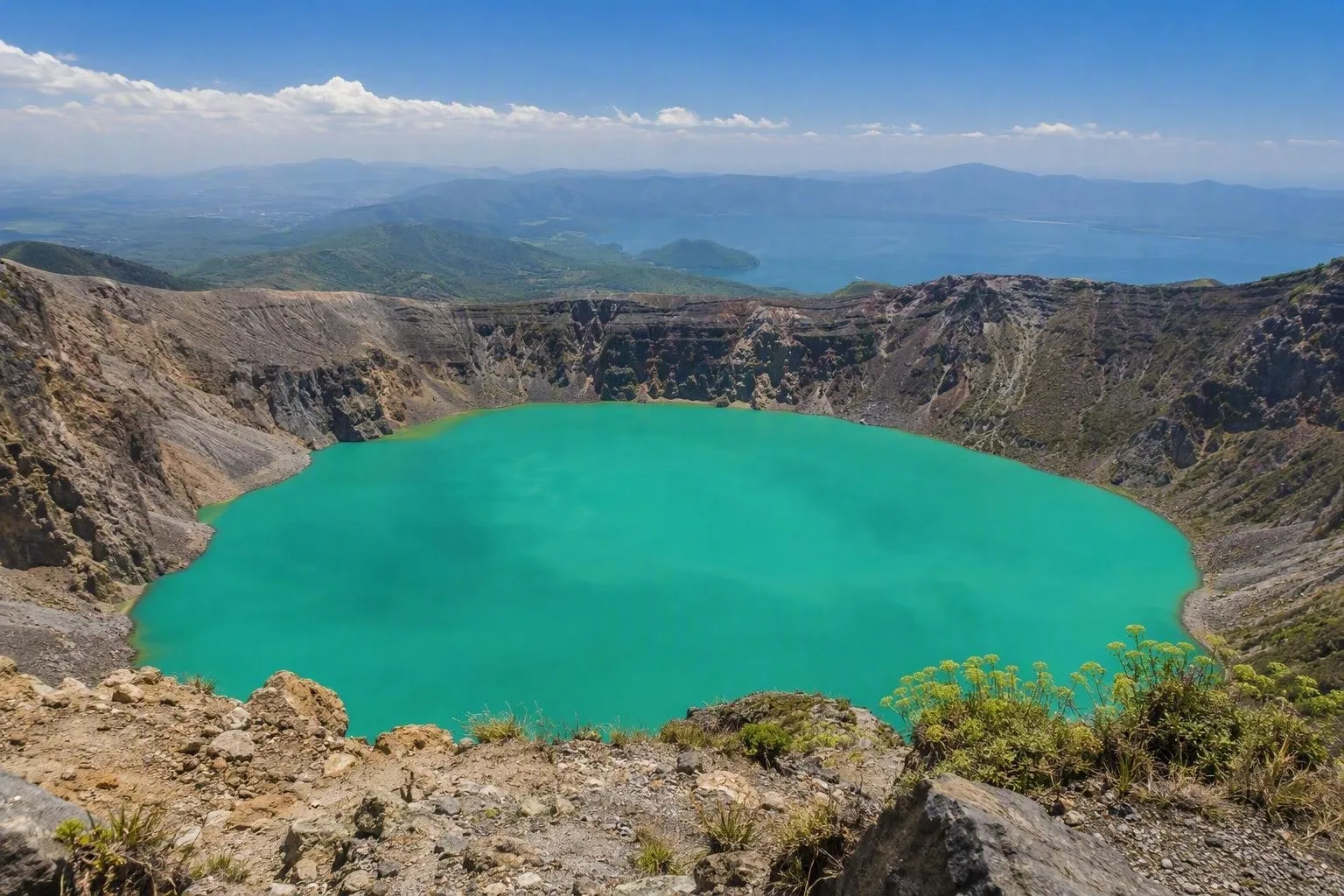
El Salvador packs volcanic slopes, Pacific surf and coffee country into a small stretch of Central America. Hikers at the rim of Santa Ana Volcano look into a turquoise crater lake, with Lake Coatepeque below. A few hours away, surfers paddle out at El Tunco and El Zonte, where dark sand, rocky headlands and beach cafés line the coast. The distance between these places is short, but each has its own pace and character.

San Salvador brings together busy markets, contemporary galleries and sites linked to the civil war and Archbishop Óscar Romero. West of the capital, the Ruta de las Flores runs through coffee-growing towns with adobe houses, weekend food stalls and small indigo workshops. Suchitoto, beside Lake Suchitlán, has cobbled streets, a white church and a strong arts scene.

At Joya de Cerén, ash from an eruption preserved the homes, storehouses and cultivated plots of a Maya farming community. The surviving buildings and tools give the site an unusual sense of daily life.

Pupusas belong at the centre of any visit. Vendors griddle the thick corn cakes and fill them with cheese, beans, pork or loroco, then serve curtido and tomato sauce alongside. Fish and shellfish feature along the coast, while farms on volcanic slopes produce coffee. Stay long enough to eat in markets, walk through small towns and talk with the people running family kitchens and guesthouses. El Salvador offers plenty to look at, and an easy welcome when you stop for a while.

When to go

Best time to travel

Monthly values are indicative average maximum temperatures for San Salvador in the central highlands. The Pacific coast, volcanic slopes, and higher western areas show meaningful regional variation. Monthly values are indicative average maximum temperatures for San Salvador in the central highlands. The Pacific coast, volcanic slopes, and higher western areas show meaningful regional variation.

jan29°C feb30°C mar31°C apr31°C may30°C jun29°C jul30°C aug30°C sep29°C oct29°C nov29°C dec29°C

Weather in the capital

Practical El Salvador

On every country page we show the current weather for the capital.

San Salvador
Morning26°Cpartly cloudy
Afternoon31°Cdrizzle
Evening25°Covercast
today31°C / 22°Chigh and low

Current forecast by Open-Meteo

Getting around

Public buses and minibuses link cities and towns. Tourist shuttles run to several coastal and highland destinations. A rental car gives you more freedom beyond the main roads.

Money and payments

Cash is useful for buses, markets and small eateries. Larger hotels, restaurants, supermarkets and shopping centres usually accept cards. Keep small notes for everyday purchases.

Where to stay

San Salvador has the widest choice of hotels. Beach towns have surf hostels and small hotels, while Suchitoto and the Ruta de las Flores offer guesthouses and restored historic homes.

Before you leave

Worth knowing

A practical starting point for your trip. Check current conditions and local information before you leave.

01

Calling code

El Salvador’s international calling code is +503.

02

Driving side

Traffic drives on the right. Most vehicles have the steering wheel on the left.

03

Official language

Spanish is the official language and the main language of public life.

04

Measurements

El Salvador officially uses the metric system. Road distances are marked in kilometres, though some everyday goods are also sold by the pound.

05

Restaurant tipping

Restaurants often add a 10% service charge. Check the bill before leaving an extra tip.

06

Meal times

People usually eat breakfast early. Lunch is often the main meal, and dinner commonly starts in the early evening.

07

Business hours

Many shops and offices open Monday to Saturday, from morning until late afternoon or early evening. Sunday opening hours are often shorter.

08

Mobile connectivity

Prepaid SIM cards and mobile data are widely available. Coverage is generally strongest in cities, larger towns and along main roads.

09

Paying bus fares

Passengers usually pay cash on board. Carry coins and small notes, as drivers or conductors may have limited change.

10

Intercity buses

Ordinary buses make frequent stops. Direct or special services make fewer stops. Terminals, roadside stops and departure arrangements vary by route.

11

Addresses and navigation

Addresses often use street names, block numbers, landmarks or distances from a known junction. Ask for the nearest landmark when directions are unclear.

12

Greetings

A polite “buenos días” or “buenas tardes” is customary. Handshakes are common when meeting someone for the first time.