
City · El Salvador
San Salvador
San Salvador is El Salvador’s capital, set in a highland basin beneath the San Salvador volcano. Its compact Historic Center brings the country’s principal civic, religious and cultural landmarks within walking distance.
Start in the Historic Center
San Salvador is the national capital and the country’s administrative, commercial and cultural centre. The most useful first stop is the Historic Center, where the city took its present location in 1545. Plaza Libertad marks the original civic core; its surrounding street grid remains the best place to understand the capital’s layout.
This is a city shaped by earthquakes and rebuilding, so do not expect a continuous colonial streetscape. Its strongest architecture is instead a concentrated mix of early-20th-century civic buildings, churches and newer public spaces.
The essential civic walk
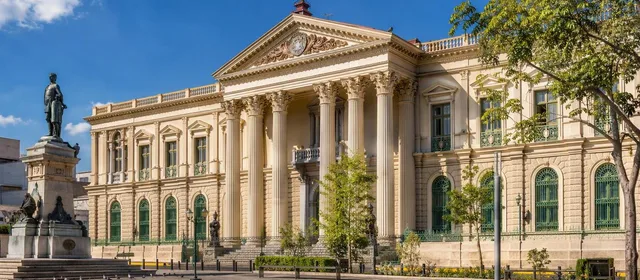
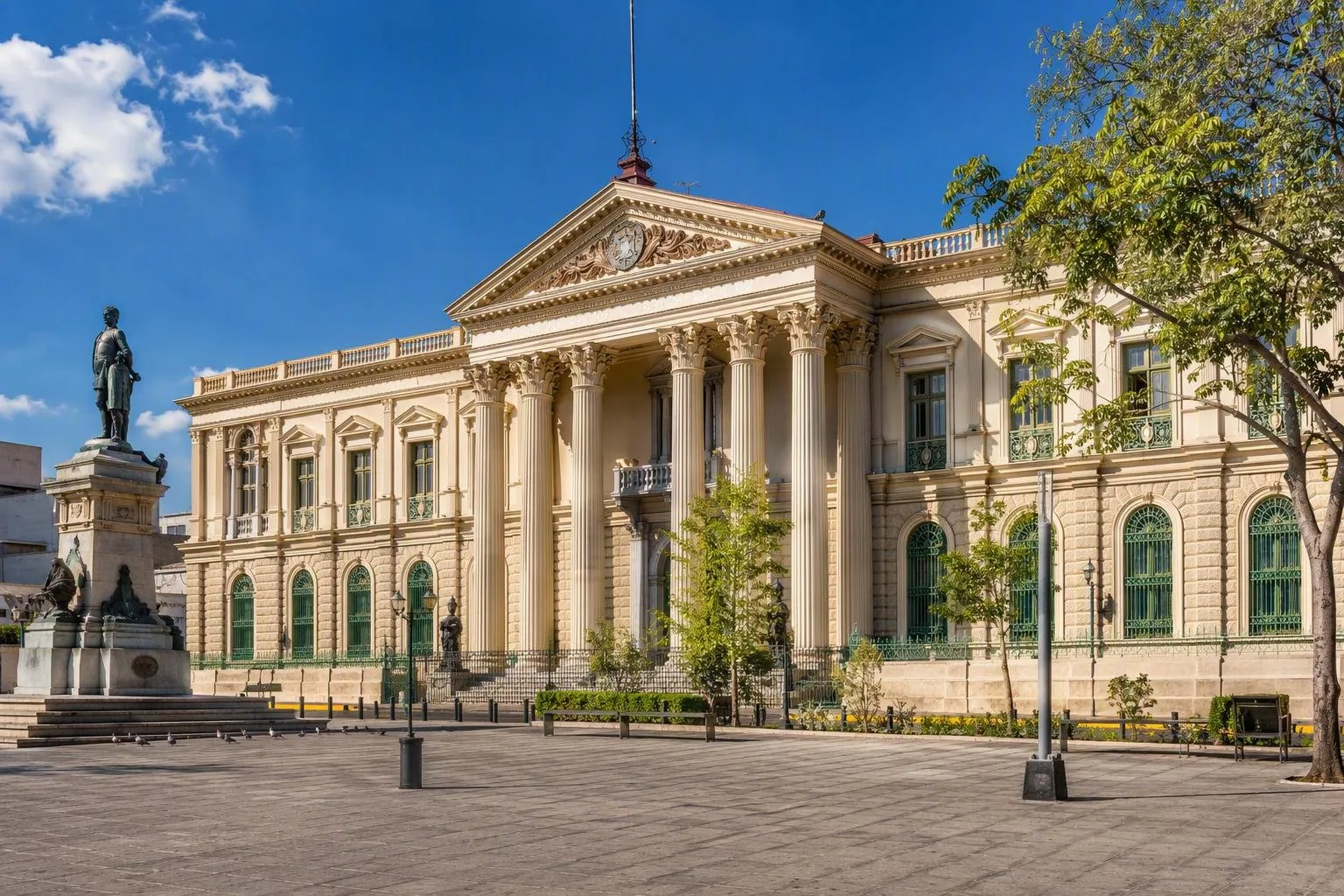
Begin around Plaza Gerardo Barrios, where the Metropolitan Cathedral, National Palace and National Theater sit within a few blocks of each other.
- Metropolitan Cathedral: the country’s main Catholic church; its crypt holds Saint Óscar Arnulfo Romero. Dress and behave respectfully, especially during services.
- National Palace: built between 1905 and 1911 as the seat of the three branches of government. Its four named halls—Red, Blue, Pink and Yellow—recall their former official functions.
- National Theater: inaugurated in 1917, this Renaissance-style theater remains a key performing-arts venue.
- Iglesia El Rosario: east of Plaza Libertad, this modern concrete church is defined by its arched shell and coloured stained glass.
Continue through Plaza Libertad and Plaza Morazán rather than treating the landmarks as isolated stops; the short walks between them show the centre’s everyday retail and street life.
Beyond the old core
San Salvador spreads well beyond downtown. The capital is both a working city and the practical base for the surrounding metropolitan area, so choose your neighbourhood according to purpose: historic sights downtown, or restaurants, hotels and contemporary city life in districts such as San Benito and Escalón.
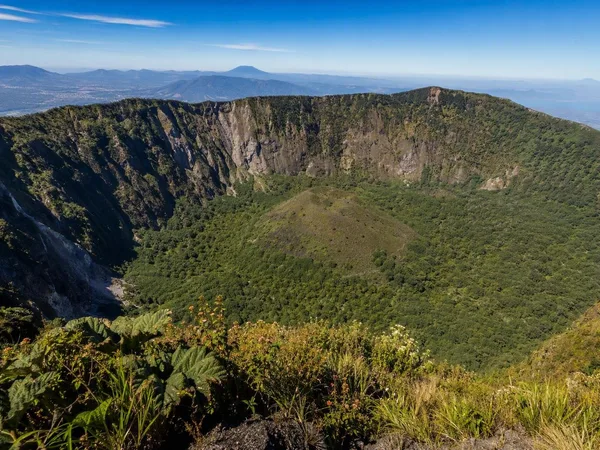
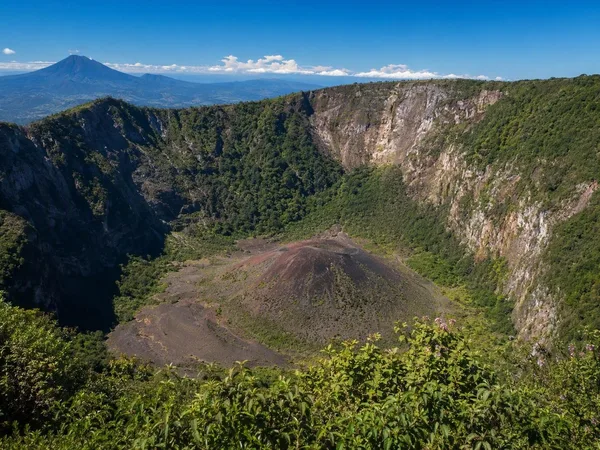
The San Salvador volcano rises on the city’s western side. El Boquerón National Park, on its upper slopes, is a straightforward half-day excursion for crater views and cooler air; it is a separate destination, not part of the urban centre.
Getting oriented
The international airport lies about 40 km from the city. Downtown is compact enough to explore on foot once there, while trips between districts and to the volcano are better handled by car or arranged transport.
Timing: Visit the Historic Center early in the day for museums, churches and civic buildings; cathedral access is structured around worship. The city’s patronal festivities run from 1 to 6 August, with major religious events centred on the Divine Savior of the World.
Practical notes
Carry water for daytime walking and keep plans flexible around rain. San Salvador sits in a seismically active setting; follow local instructions if an earthquake occurs. For a focused first visit, give the Historic Center a half day and leave the volcano for a separate outing.
From the magazine
Stories about San Salvador
Editorial stories linked directly to San Salvador.
No stories about San Salvador have been published yet.
Routes from our editors
Travel through San Salvador
Editorial routes connecting San Salvador with other countries, cities and hotspots.
No routes through San Salvador have been published yet.
More in El Salvador
Related hotspots
Other cities, nature areas and places within El Salvador.
El Boquerón National Park
1 linked stories and routes
San Salvador volcano
1 linked stories and routes
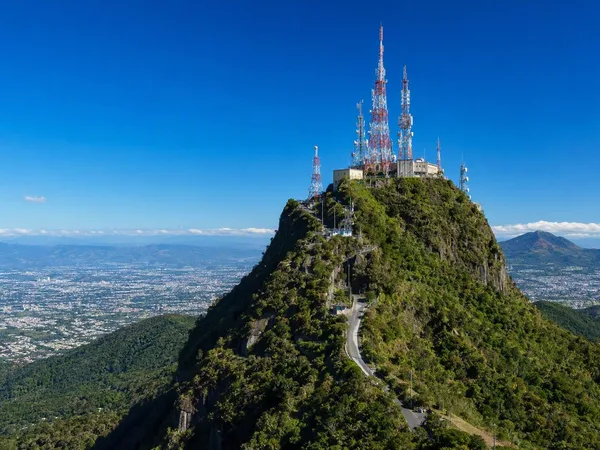
El Picacho
1 linked stories and routes
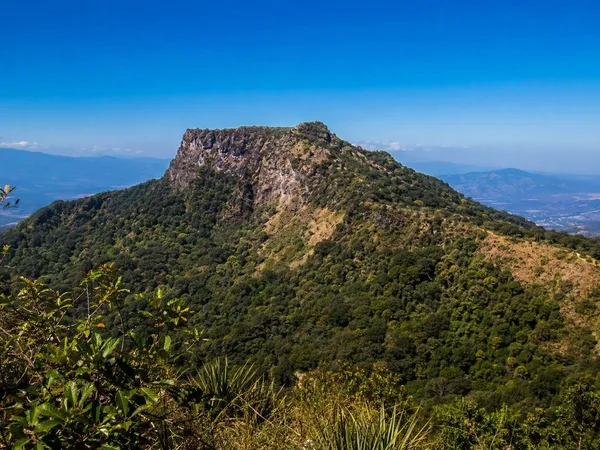
El Jabalí
1 linked stories and routes
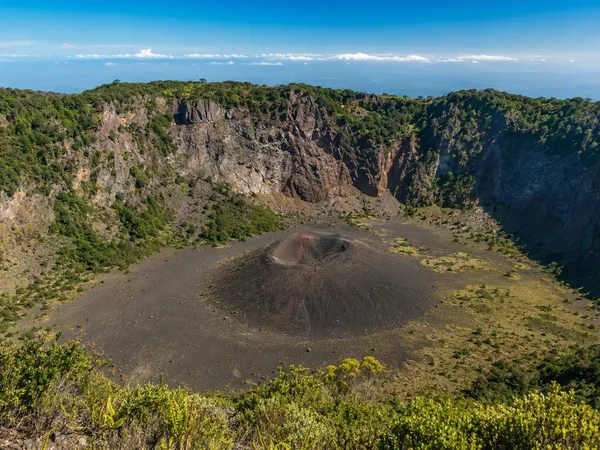
Boqueroncito
1 linked stories and routes
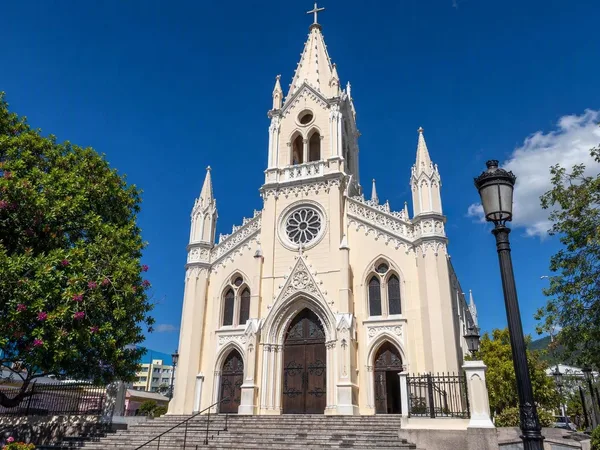
Santa Tecla
1 linked stories and routes