
Neighbourhood · Estonia
Kalamaja, Tallinn
Kalamaja is Tallinn’s historic wooden-house neighbourhood, immediately northwest of the Old Town and beside Balti Jaam railway station. Its former fishing and factory-worker quarter now combines residential streets, a covered market and maritime museums along Tallinn Bay.
Why Kalamaja matters
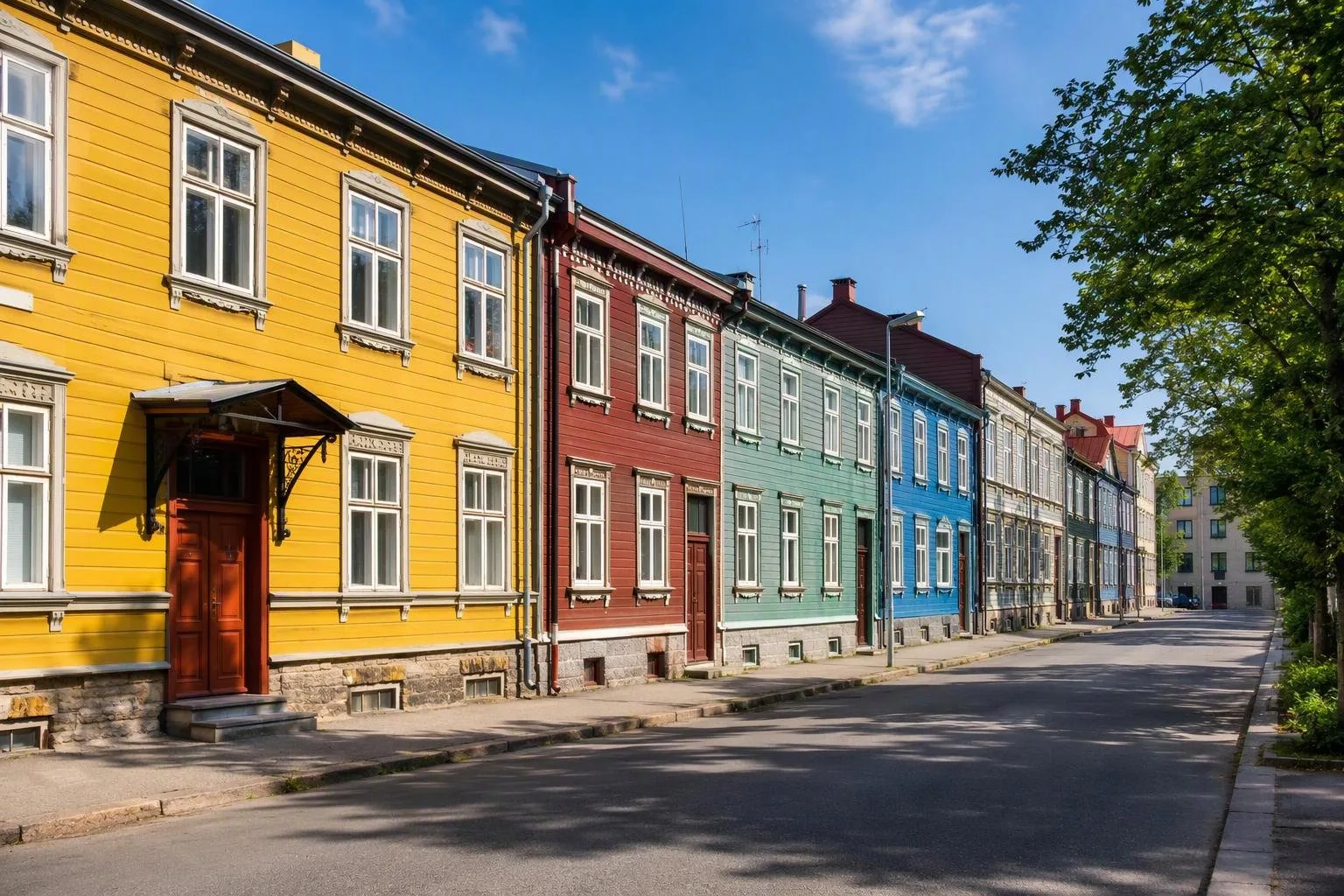
Kalamaja is one of Tallinn’s oldest districts. For centuries it was a fishing settlement; after the railway connection to St Petersburg opened in 1870, factories and worker housing reshaped it. That history survives in the low-rise timber streets and former industrial buildings.
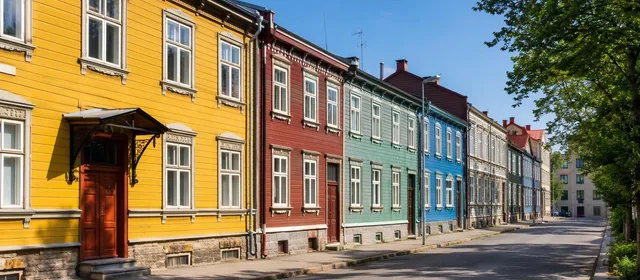
The signature building type is the Tallinn house: a two- or three-storey wooden apartment block, usually with symmetrical wings divided by a stone stairwell. Look for them on Valgevase, Kalju, Kungla, Niine and Vana-Kalamaja streets.
Walk the wooden-house streets
Start at Balti Jaam and take Vana-Kalamaja Street north into the residential core. This is the district’s main pedestrian- and cycle-friendly route, linking the station side with the waterfront. Turn onto the smaller streets rather than treating the area as a single attraction: the best experience is the changing sequence of painted façades, front gardens and everyday homes.
For local context, call at Kalamaja Museum, Kotzebue 16. Its exhibitions focus on the district’s residents and stories rather than Tallinn in general. Note that the historic building has stairs and is not wheelchair accessible.
Market, museums and waterfront
At Kalamaja’s southern edge, Balti Jaam Market is a practical first stop. Nearly 300 traders occupy three floors: fish, meat and vegetables on the ground floor; street food; and Estonian design, household goods and antiques upstairs. It is useful for a meal or supplies as well as browsing.
Continue towards the bay for the Seaplane Harbour, housed in historic seaplane hangars and home to the Estonian Maritime Museum. Its large-scale maritime setting makes it a good counterpoint to the domestic scale of the wooden streets. The former industrial zone around Telliskivi, beside Kalamaja, adds design shops, photography and food venues if you want to extend the walk.
Getting there and around
Kalamaja begins a short walk from the Old Town, across the tracks at Balti Jaam. Trams 1, 2 and 5 stop at Balti Jaam and Telliskivi; bus 3 stops at Kalamaja. The district is compact and best covered on foot or by bicycle.
Balti Jaam Market is generally open Monday–Saturday 09:00–19:00 and Sunday 09:00–17:00, though individual traders can differ. For a quieter market visit, go early; for the fullest selection of food and antiques, allow time to explore all floors.
From the magazine
Stories about Kalamaja, Tallinn
Editorial stories linked directly to Kalamaja, Tallinn.
No stories about Kalamaja, Tallinn have been published yet.
Routes from our editors
Travel through Kalamaja, Tallinn
Editorial routes connecting Kalamaja, Tallinn with other countries, cities and hotspots.
No routes through Kalamaja, Tallinn have been published yet.
More in Estonia
Related hotspots
Other cities, nature areas and places within Estonia.
Tallinn
3 linked stories and routes
Toompea, Tallinn’s Upper Town
1 linked stories and routes
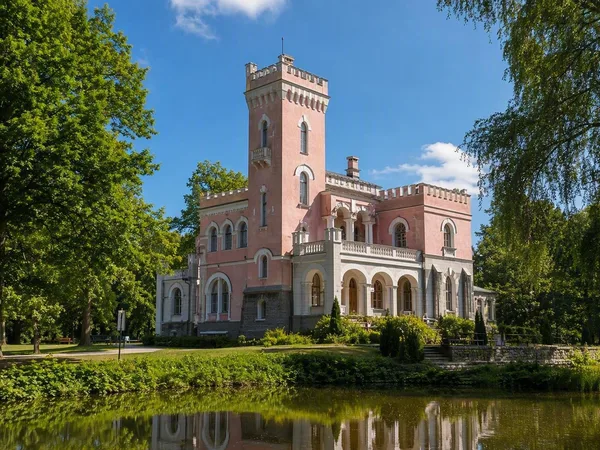
Nõmme
1 linked stories and routes
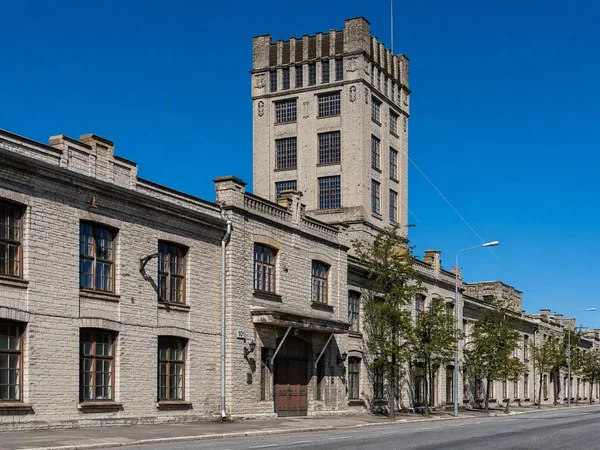
Kopli, Tallinn
1 linked stories and routes
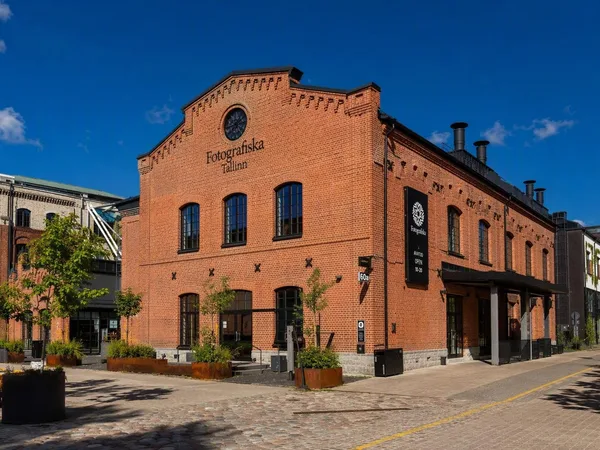
Telliskivi, Tallinn
1 linked stories and routes
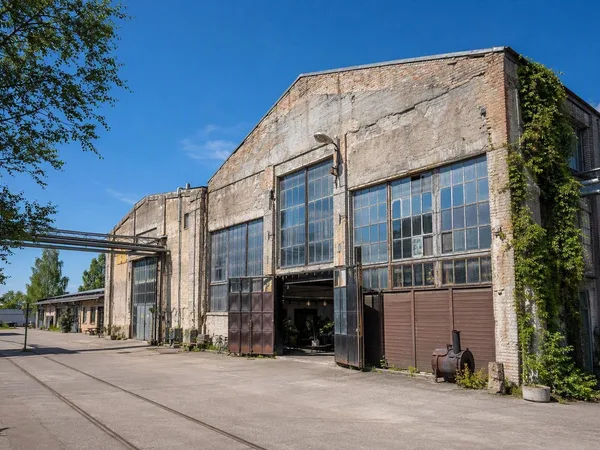
Põhjala Tehas
1 linked stories and routes