Estonia

Bog boardwalks and Baltic islands

Estonia

Medieval Tallinn, peat bogs and Baltic islands show Estonia well beyond its digital reputation.

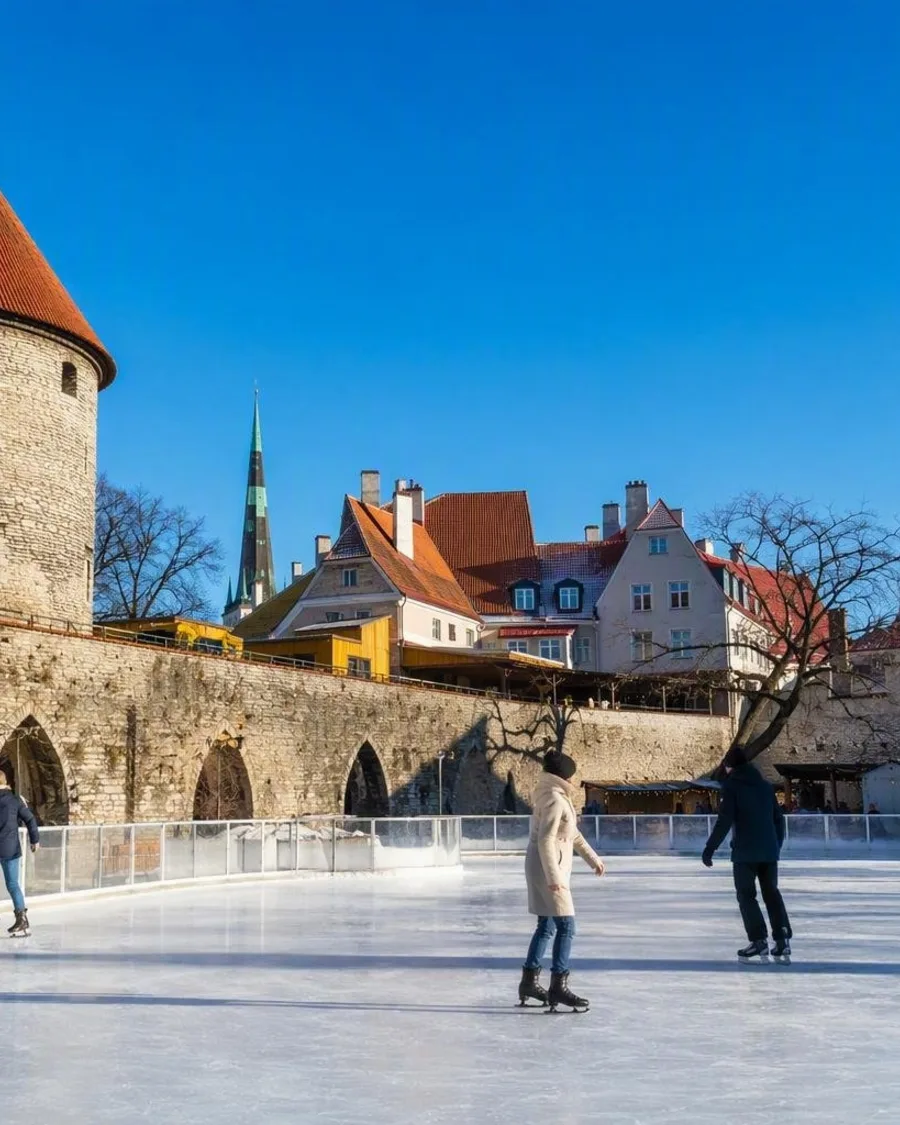
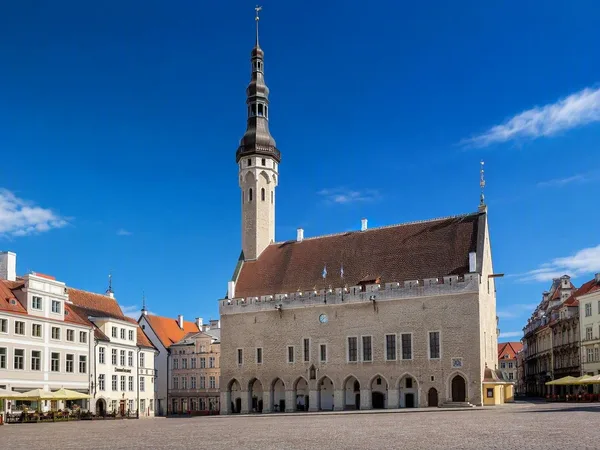
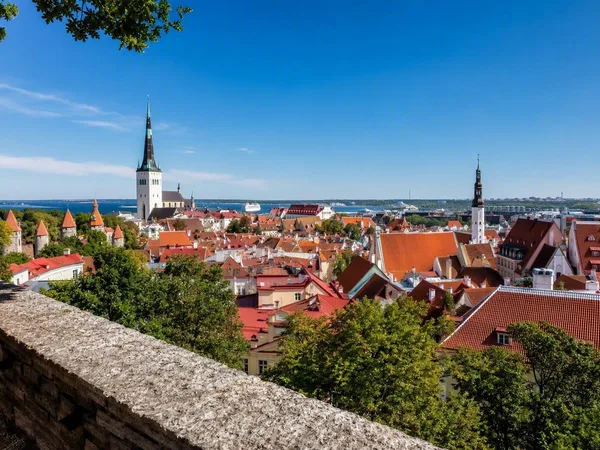
Tallinn gives Estonia an immediate reason to look closer. The Old Town packs cobbled lanes, merchants’ houses, church spires and a medieval wall into a small hilltop district. A short walk west, former railway workshops in Telliskivi hold studios, bars and design shops, while Kalamaja’s wooden houses stand beside new cafés. These neighbourhoods sit close together, but they show very different periods of the capital. Danish, German, Swedish, Russian and Soviet rule all left marks in Tallinn’s streets and buildings. Estonia’s online public services and busy technology sector belong to a much newer chapter.

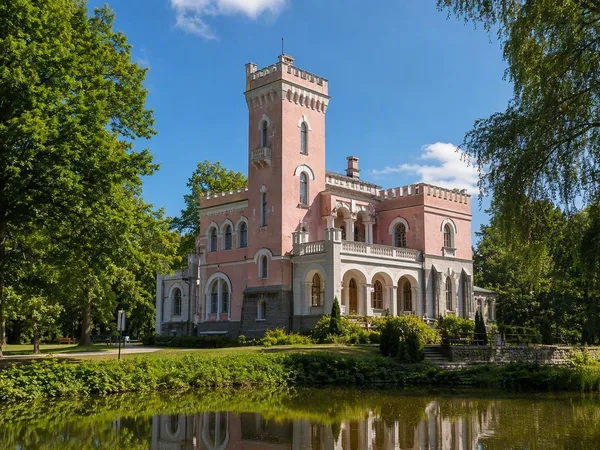
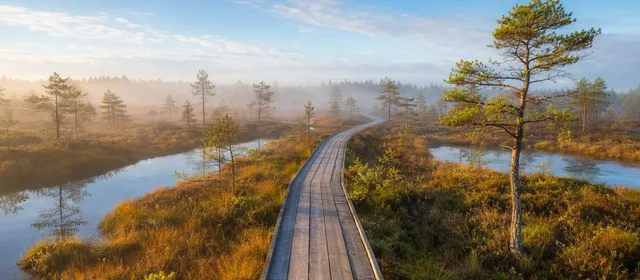
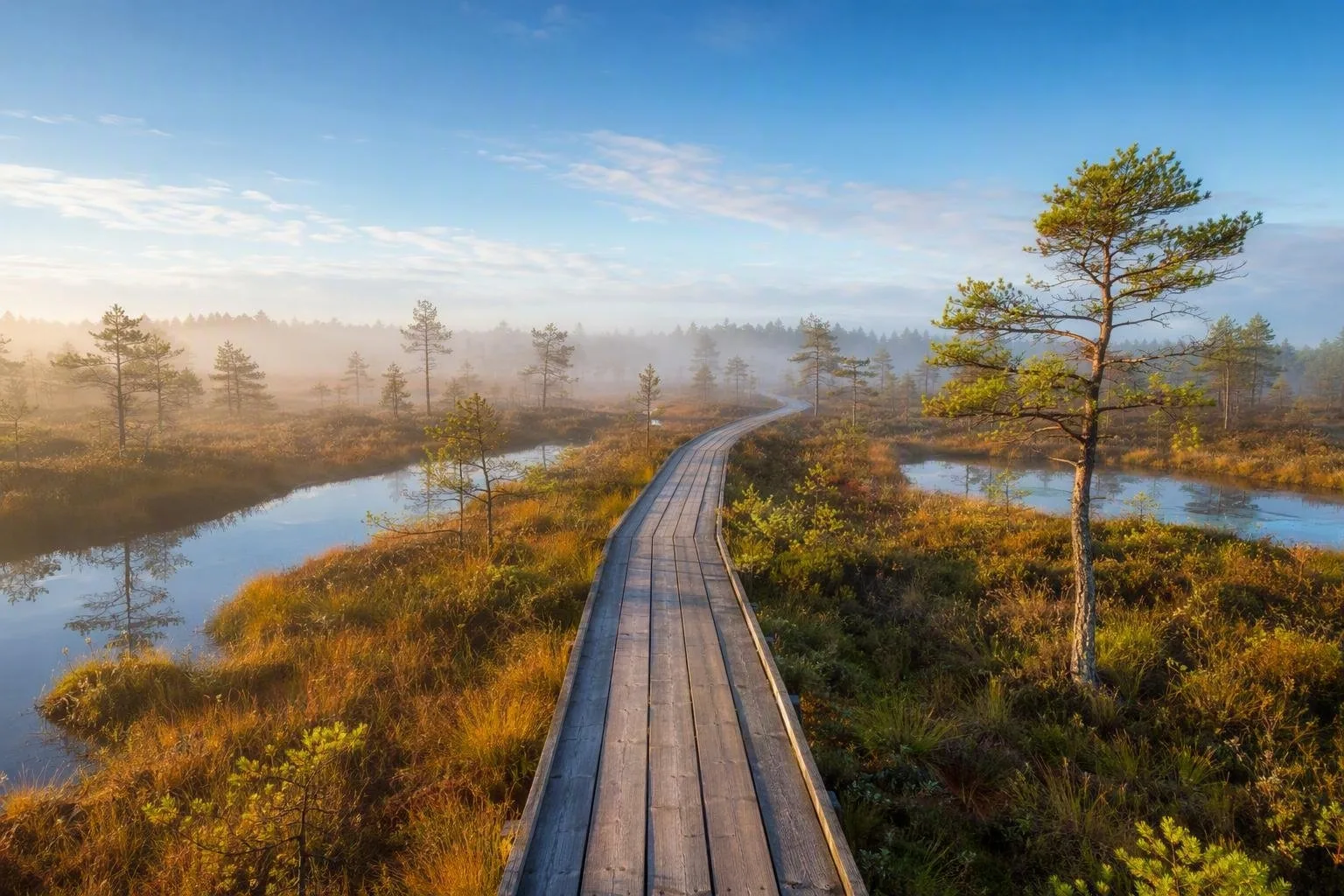
Outside the capital, the country opens into pine forest, flat farmland and a long, low coast. In Lahemaa National Park, boardwalks cross raised bogs dotted with dark pools and sphagnum moss. Old manor houses stand near fishing villages along the Gulf of Finland. Tartu has another character again: students fill its cafés and streets, and the Estonian National Museum uses household objects, photographs and recorded voices to trace daily life, language and displacement.

Ferries carry cars and foot passengers to Saaremaa, Hiiumaa and Muhu. On the islands, limestone shores, juniper fields, windmills and small harbours replace Tallinn’s stone streets. Local tables still use rye bread, smoked fish, potatoes, mushrooms and berries, while city kitchens handle those ingredients with a lighter touch. Saunas, song festivals and midsummer bonfires remain part of family and community life. Take time for the coast, a bog trail or Tartu as well as Tallinn, and Estonia becomes a generous place to spend a few unhurried days.

When to go

Best time to travel

The monthly values show indicative average maximum temperatures for Tallinn. Coastal areas, inland Estonia and the islands can differ meaningfully, especially in winter and during the changeable spring and autumn months. The monthly values show indicative average maximum temperatures for Tallinn. Coastal areas, inland Estonia and the islands can differ meaningfully, especially in winter and during the changeable spring and autumn months.

jan-1°C feb-1°C mar3°C apr10°C may16°C jun20°C jul22°C aug21°C sep16°C oct10°C nov4°C dec1°C

Weather in the capital

Practical Estonia

On every country page we show the current weather for the capital.

Tallinn
Morning14°Covercast
Afternoon17°Covercast
Evening16°Covercast
today17°C / 14°Chigh and low

Current forecast by Open-Meteo

Getting around

Trains link Tallinn with Tartu, Narva, Viljandi and other regional centres. Intercity buses reach more towns, and ferries serve the larger western islands. A car helps when visiting bog trails, villages and remote stretches of coast.

Paying in Estonia

Card and contactless payments are common, including for many small purchases. Keep some cash for rural markets, small businesses or places with an unreliable connection.

Where to stay

Tallinn and Tartu have the widest choice of hotels, hostels and apartments. Elsewhere, guesthouses, manor hotels, farm stays and holiday cabins provide useful bases near national parks and on the islands.

Before you leave

Worth knowing

A practical starting point for your trip. Check current conditions and local information before you leave.

01

Official language

Estonian is the official language. English is widely understood in visitor services, particularly among younger people.

02

Calling code

Estonia’s international calling code is +372.

03

Driving side

Traffic drives on the right, and drivers overtake on the left.

04

Measurements

Estonia uses the metric system: kilometres, metres, litres and degrees Celsius.

05

Local transport tickets

Ticket systems vary by city. In Tallinn, visitors can use a transport card, QR ticket or supported contactless payment. Activate or validate the ticket where required.

06

Intercity travel

Elron runs passenger trains, and several bus companies connect cities with smaller towns. Book ahead for popular services.

07

Island ferries

Regular vehicle ferries connect the mainland with Saaremaa, Hiiumaa and Muhu. Reserve vehicle space early for summer weekends and public holidays.

08

Mobile and Wi-Fi

Mobile coverage is strong in populated areas. Hotels, cafés, libraries and many public buildings offer Wi-Fi.

09

Tipping

Restaurants do not usually add a service charge. A tip of around 5–10% suits good table service, but nobody expects it.

10

Meal times

Lunch commonly falls between noon and 2pm, while dinner often starts from 6pm. Restaurant kitchens may close earlier outside major cities.

11

Opening hours

Shops commonly open daily, with longer hours in cities. Museums and small businesses often close on Mondays or keep shorter winter hours.

12

Sauna etiquette

Wash before entering and sit on a towel. Clothing rules vary between private, mixed and public saunas, so follow posted guidance or ask the host.

Cities and hotspots

Places worth saving

From city to nature reserve: places with stories, facts and tips.