
City · Colombia
Cartagena
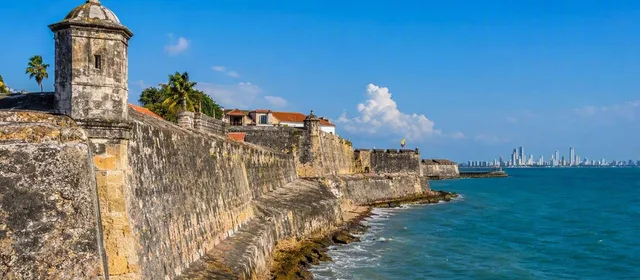
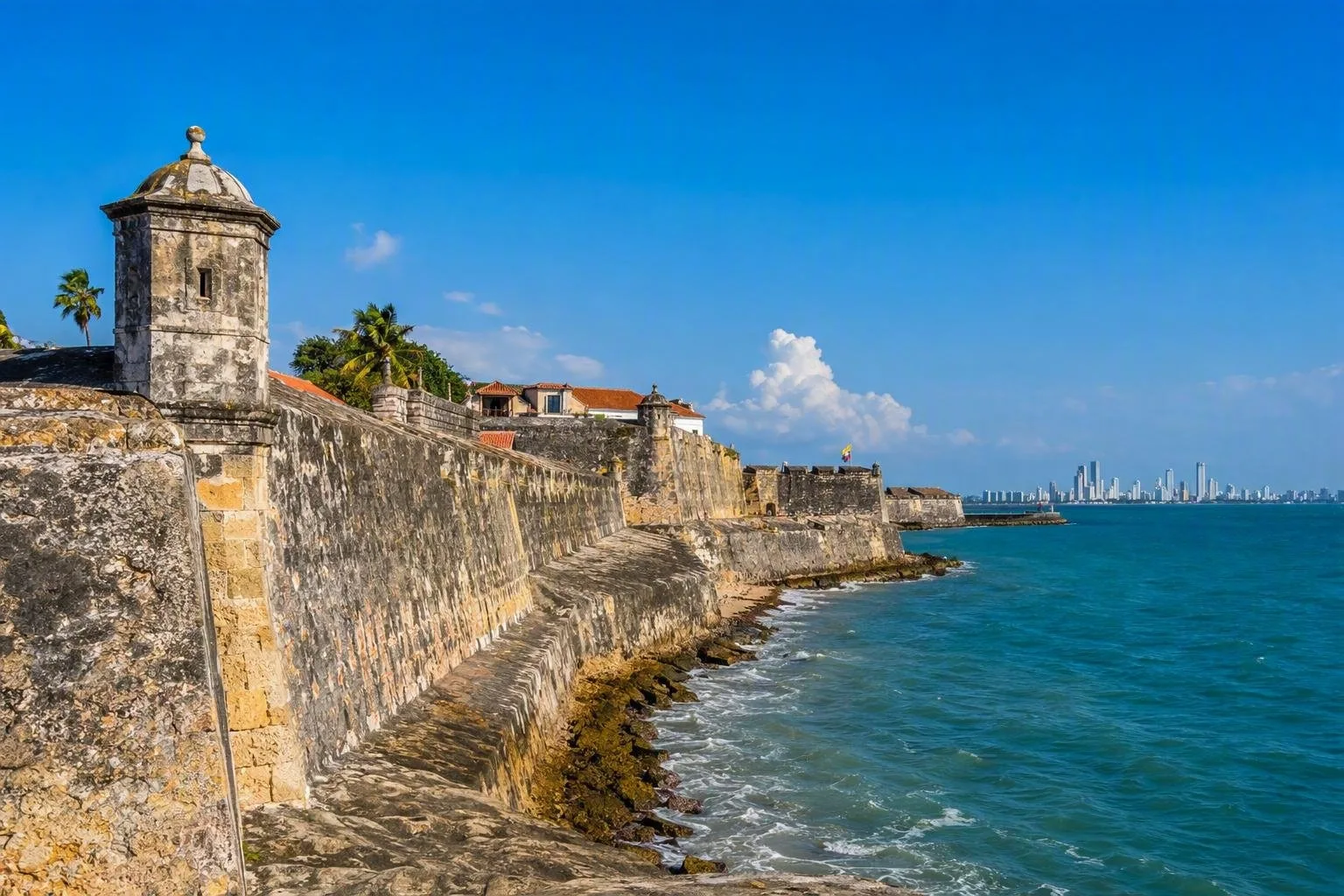
Cartagena is Colombia’s Caribbean port city in Bolívar, built around a walled colonial centre, a sheltered bay and a major system of Spanish fortifications. Its historic core and defences form a UNESCO World Heritage property.
Start with the fortified city
Cartagena’s historic centre is a compact working district of narrow streets, churches, plazas and houses behind stone ramparts. The fortification system was built and extended from the late 16th to the 18th century to defend a strategically important Caribbean port. It remains the clearest way to understand the city: walk the walls, then descend into Centro, San Diego and Getsemaní.
The Clock Tower is the principal gateway to the walled city. From there, use plazas rather than a rigid route: Plaza de los Coches, Plaza de Bolívar, Plaza Santo Domingo and Plaza de la Proclamación make useful anchors between churches, museums and shaded breaks.
Walls, churches and fort
The wall walk is Cartagena’s essential outdoor route. Its bastions face the Caribbean and reveal how the city’s coastal defences were arranged. Go in the cooler late afternoon; the exposed stone holds the daytime heat.
Inside the walls, make time for:
- Cathedral Basilica of Saint Catherine of Alexandria, begun in 1577, beside Plaza de la Proclamación.
- Church of Santo Domingo, generally considered the city’s oldest church, next to its namesake square.
- San Pedro Claver Church and museum, a key stop for the city’s colonial and human-rights history.
- Castillo San Felipe de Barajas, the hilltop fortress east of the historic centre. Its ramps, tunnels and artillery positions show the scale of Cartagena’s defensive system.
Getsemaní and Plaza de la Trinidad
South of the walled centre, Getsemaní developed as a suburb outside the original urban enclosure and was long associated with artisans and labourers. It is now one of the city’s most walkable quarters, with murals, small streets and the practical neighbourhood focal point of Plaza de la Trinidad.
The ochre Santísima Trinidad church fronts the plaza. Use it as a natural pause between the historic centre and the waterfront around the bay. This is a neighbourhood rather than an open-air museum: keep doorways and church entrances clear, especially during services.
Getting around and timing
Rafael Núñez International Airport is roughly a 15-minute drive from the historic walls in normal conditions. The intercity transport terminal is farther out, with a journey of about 45 minutes to the walled area. Within the centre, walking is usually the efficient choice; bicycles are also practical on flatter routes.
Plan outdoor sightseeing early and late. Midday is better for a museum, church interior or meal in shade. Wear footwear with grip for uneven paving and carry water for the walls and Castillo San Felipe. The city’s heritage is not confined to a single monument: allow time to connect the walls, harbour-facing views, plazas and Getsemaní on foot.
From the magazine
Stories about Cartagena
Editorial stories linked directly to Cartagena.
Routes from our editors
Travel through Cartagena
Editorial routes connecting Cartagena with other countries, cities and hotspots.
No routes through Cartagena have been published yet.
More in Colombia
Related hotspots
Other cities, nature areas and places within Colombia.
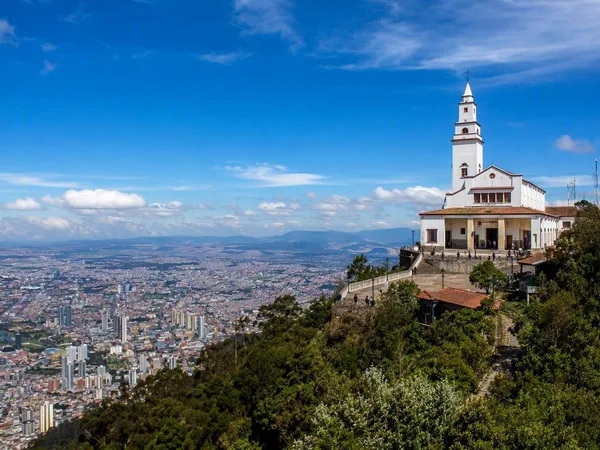
Bogotá
1 linked stories and routes
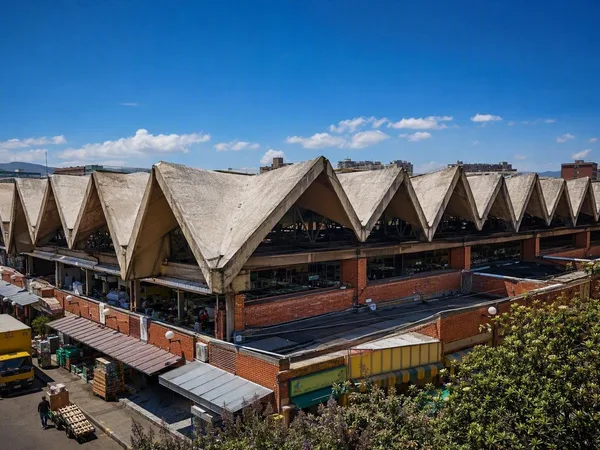
Mercado de Paloquemao
1 linked stories and routes

Sabana de Bogotá
1 linked stories and routes
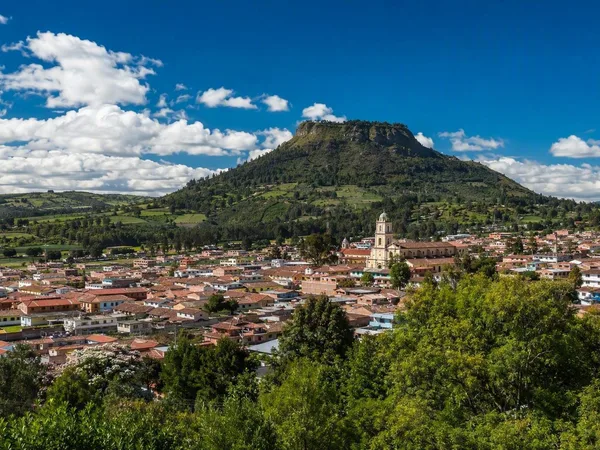
Cota, Cundinamarca
1 linked stories and routes
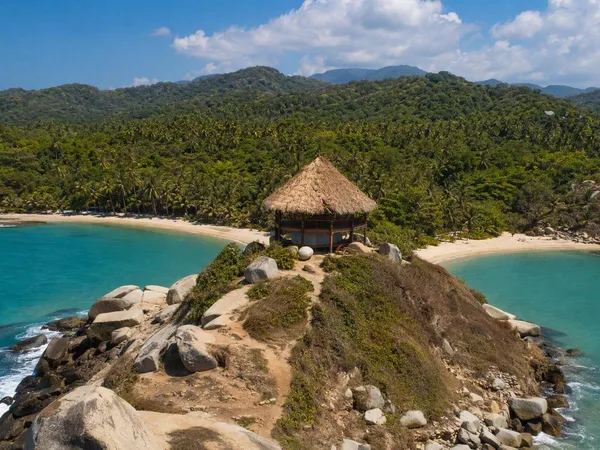
Cabo San Juan del Guía
1 linked stories and routes
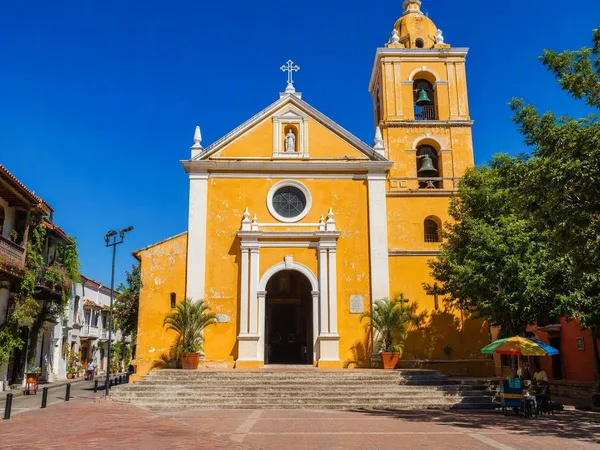
Plaza de la Trinidad, Cartagena
1 linked stories and routes
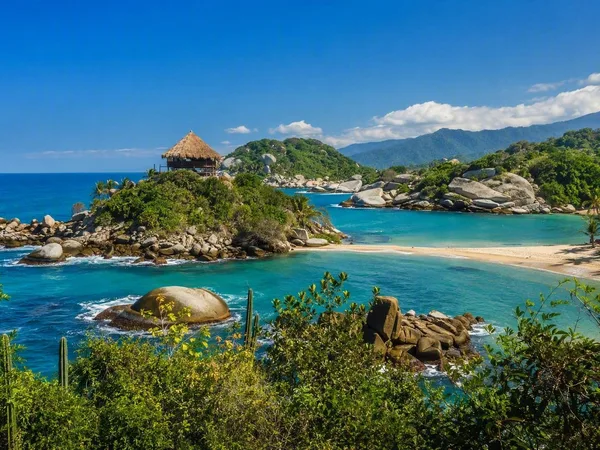
Tayrona National Natural Park
0 linked stories and routes
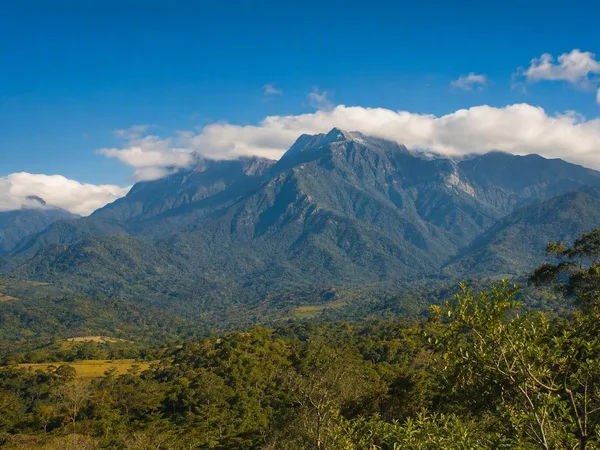
Línea Negra, Sierra Nevada de Santa Marta
0 linked stories and routes
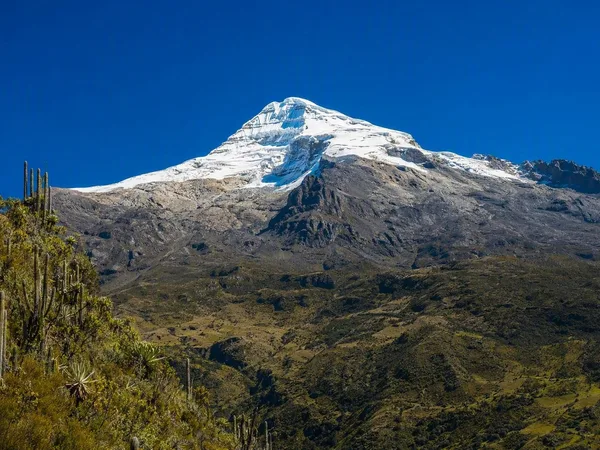
Sierra Nevada de Santa Marta
0 linked stories and routes