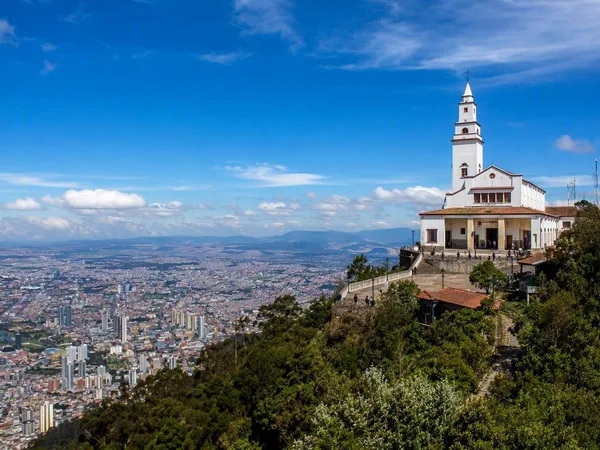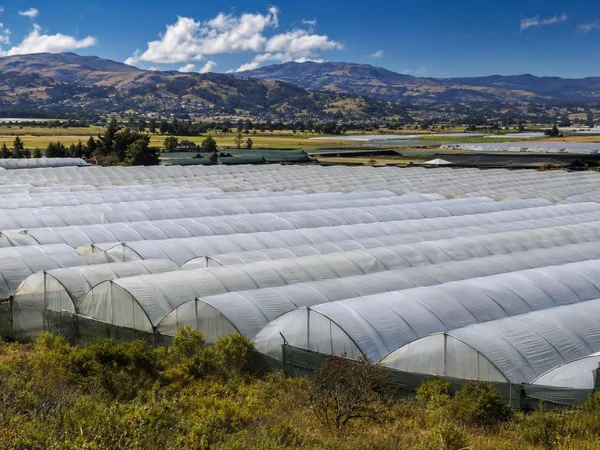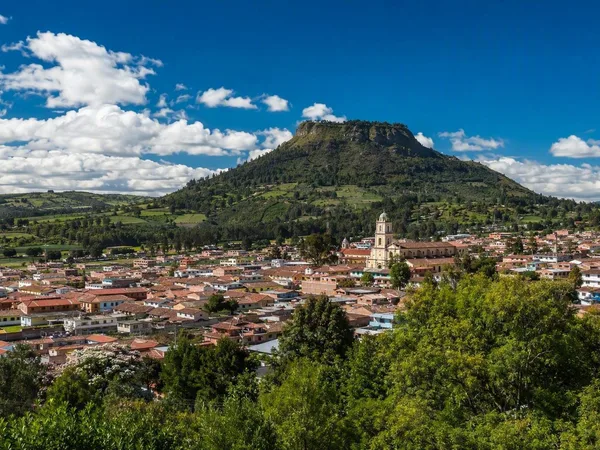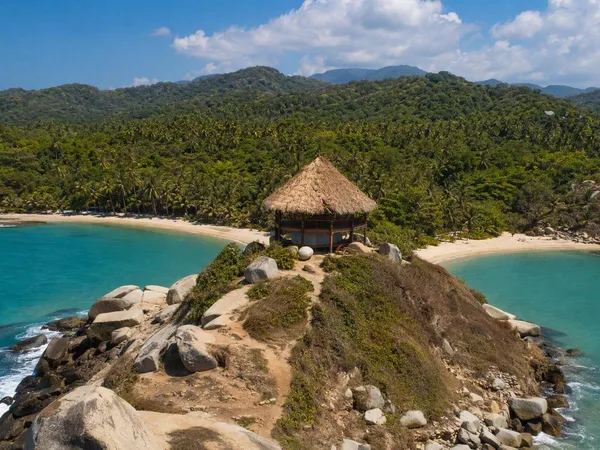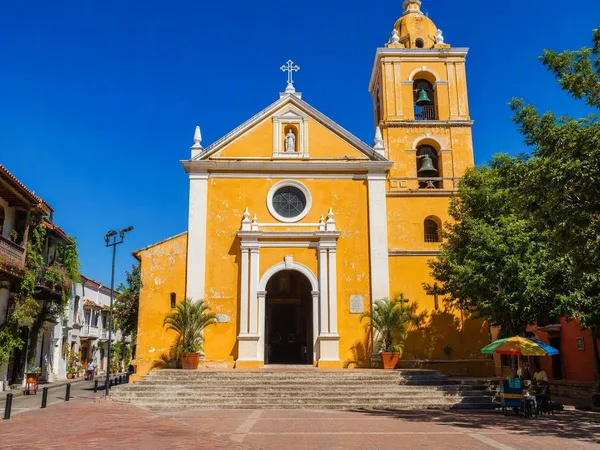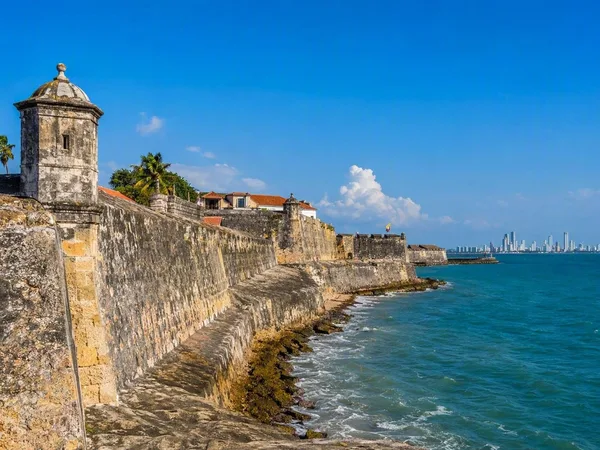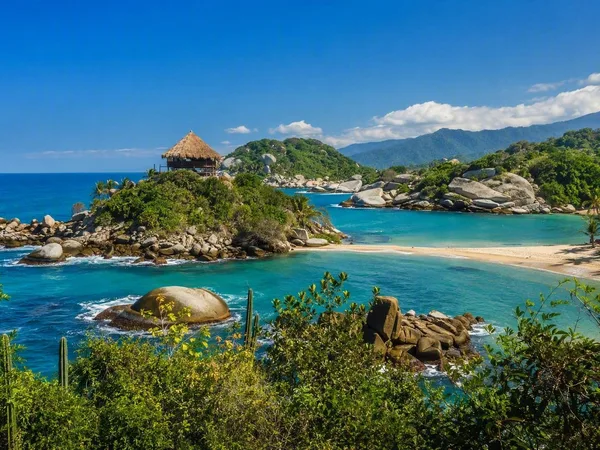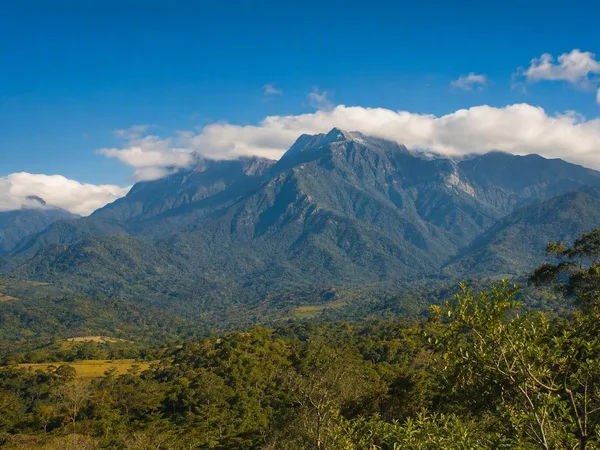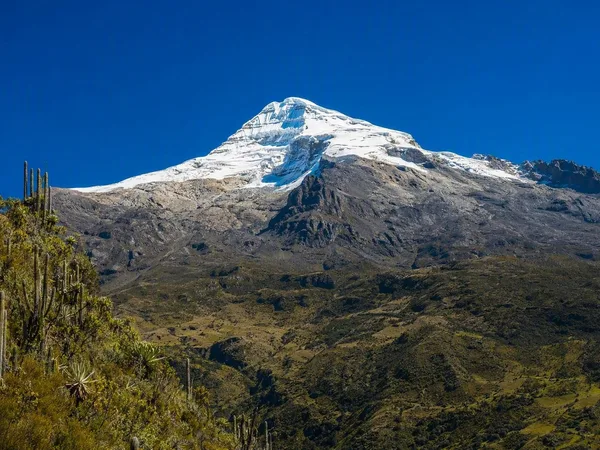
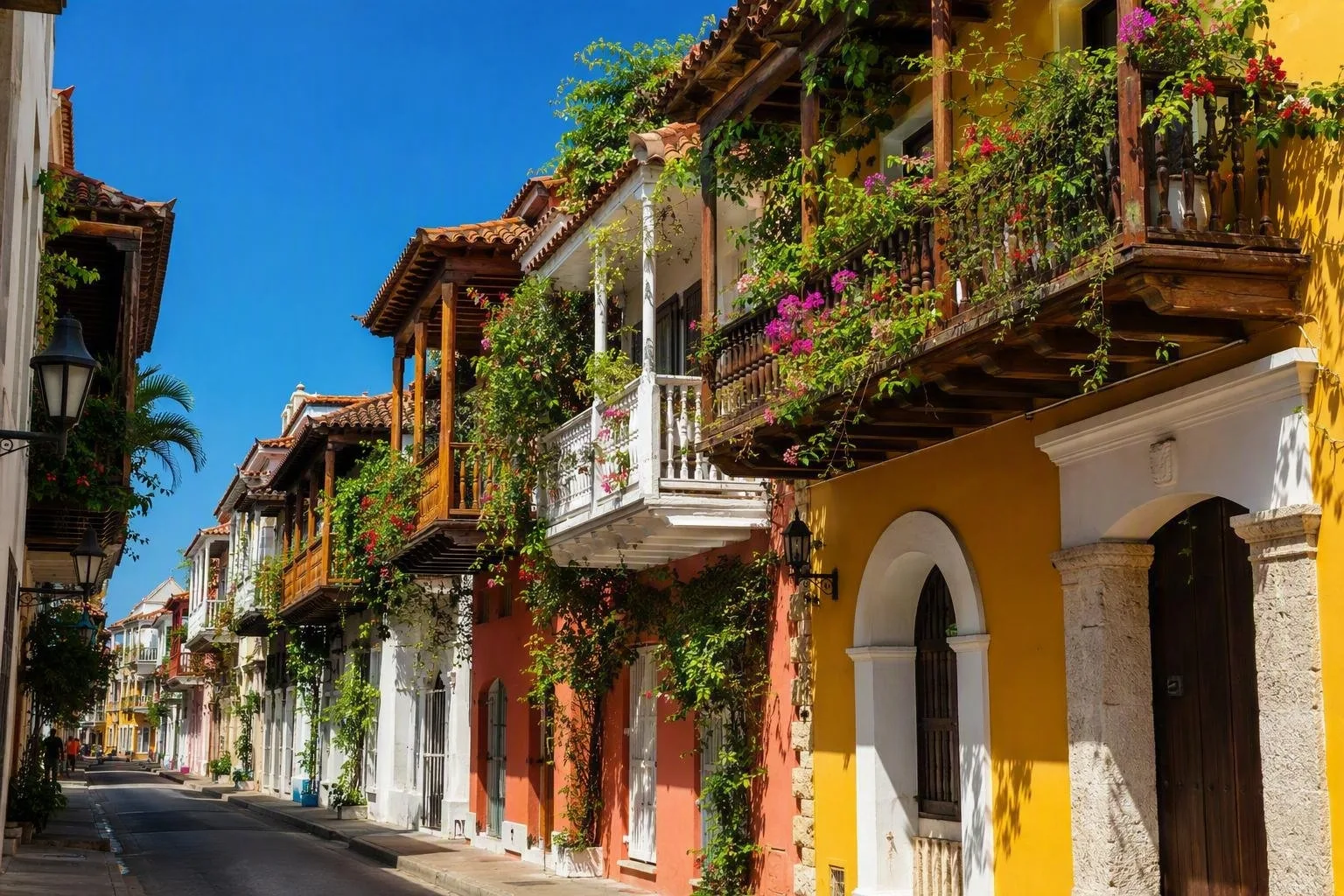
Colombia makes sense when you see how quickly the ground and the weather change. Caribbean heat gives way to cool Andean plateaus, coffee grows on steep green slopes, and rivers run through the Amazon basin in the south. Altitude shapes what farmers grow, what cooks serve and how cities spread across the land. Cartagena’s coral-stone walls and wooden balconies recall its days as a fortified Spanish port. Bogotá stands 2,600 metres above sea level, where brick neighbourhoods climb towards the eastern mountains.
At Bogotá’s Museo del Oro, Muisca and Quimbaya metalwork predates the colonial streets of nearby La Candelaria. On the Caribbean coast, San Basilio de Palenque maintains a creole language and musical traditions from a community founded by people who escaped slavery.
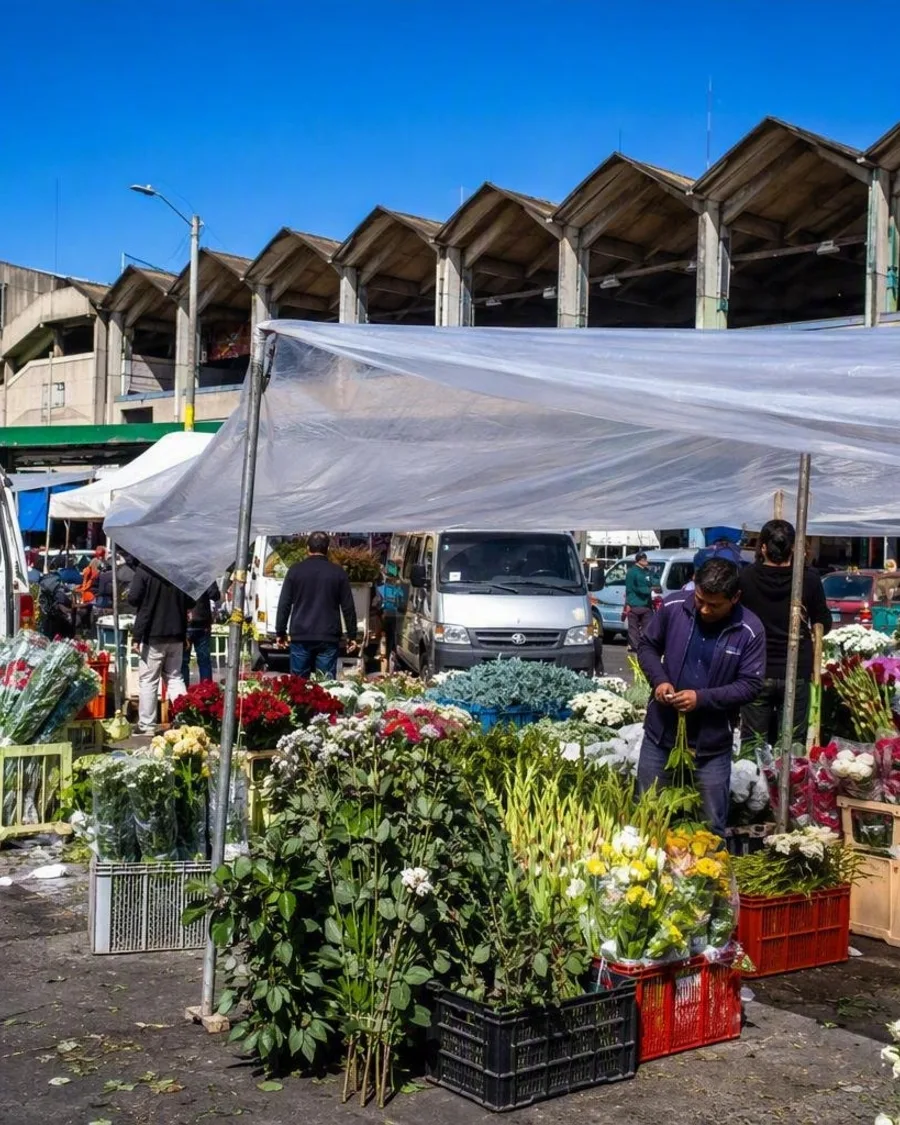
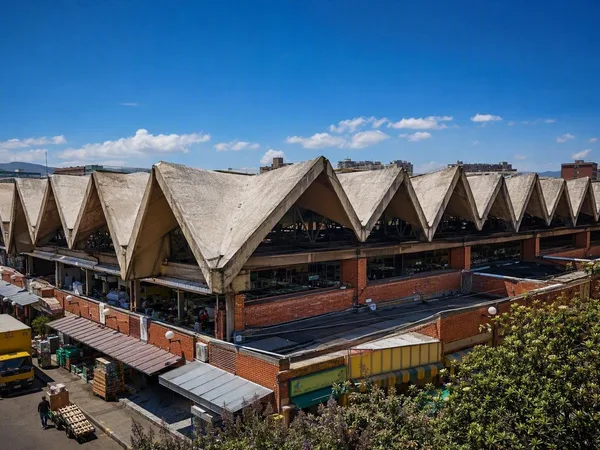
Coffee farms cover the hills around Salento and Jardín in the central Andes. Painted doors frame busy plazas, and market stalls pile up fruit grown at different altitudes. In Cali, dance schools and late-night clubs keep salsa close to everyday life. Along the Pacific coast, musicians play marimbas and drums. Food follows the same shifts in landscape: coconut rice and fried fish near the Caribbean, potato-rich ajiaco in Bogotá. Colombia gives visitors plenty to return to, from a long lunch in a mountain town to an evening walk through Cartagena’s old streets.