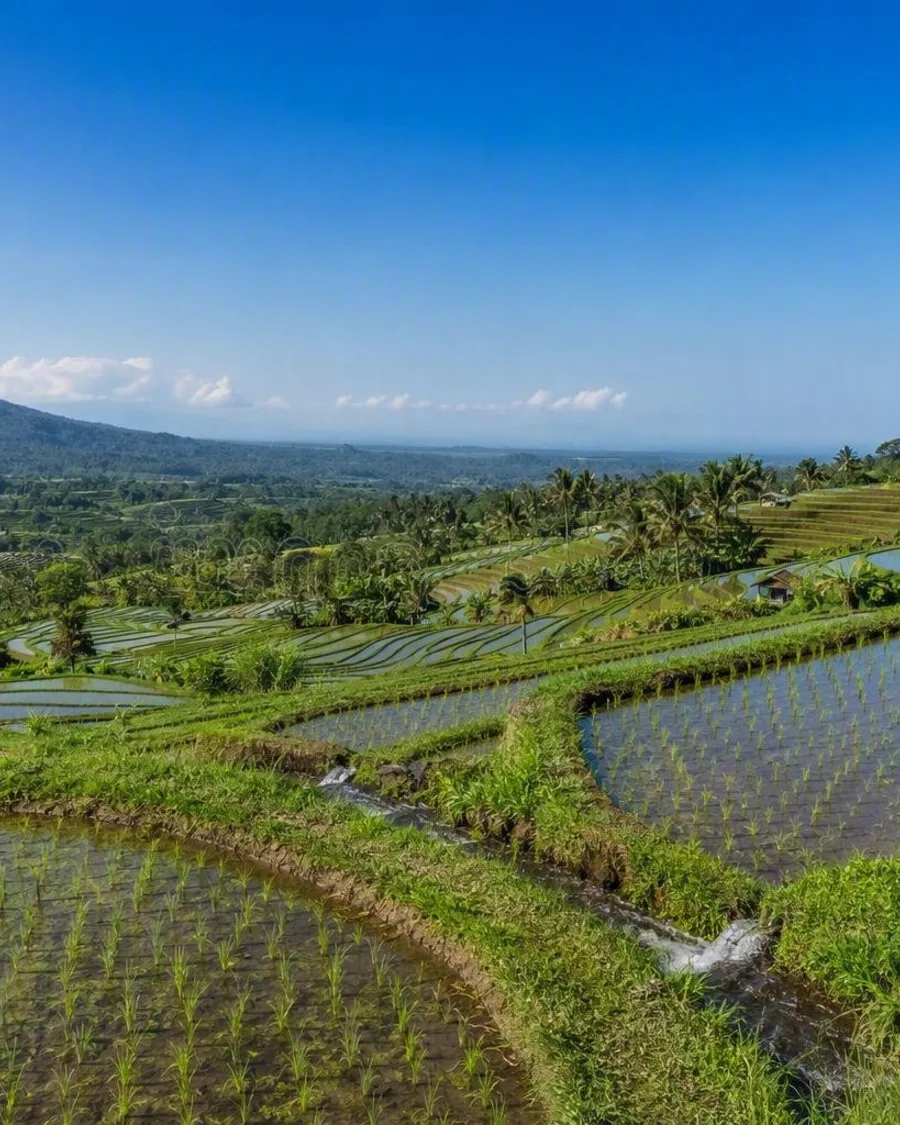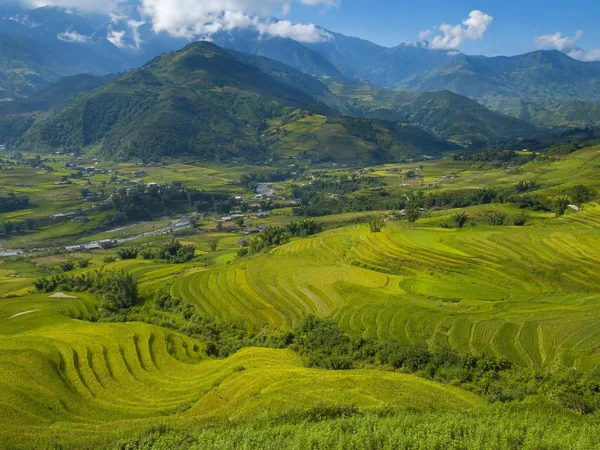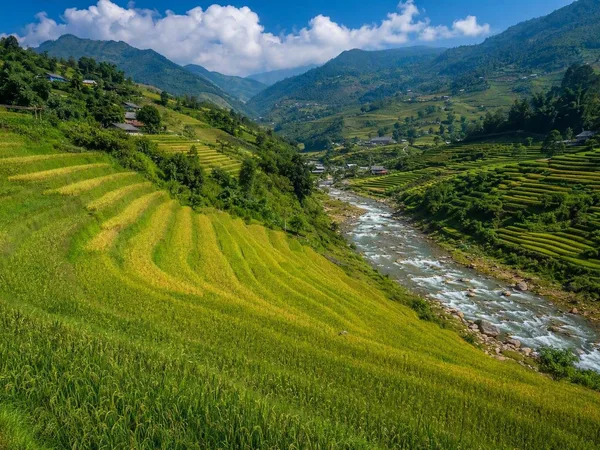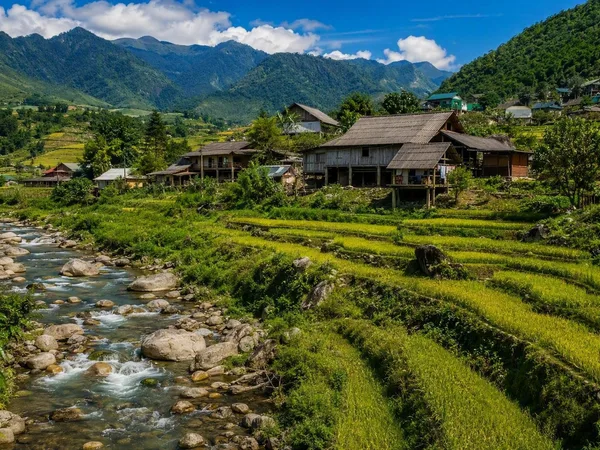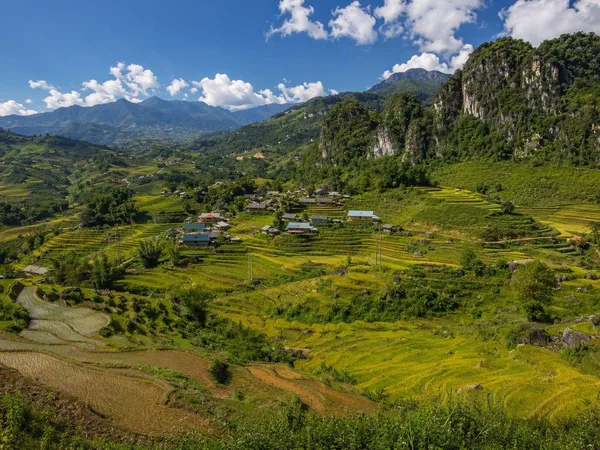
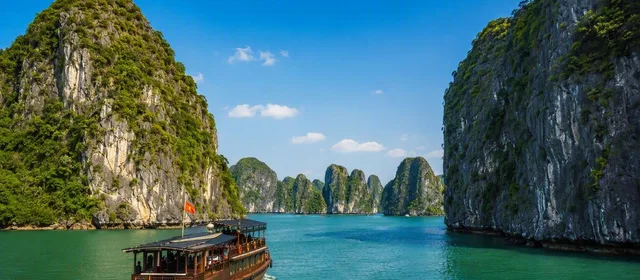
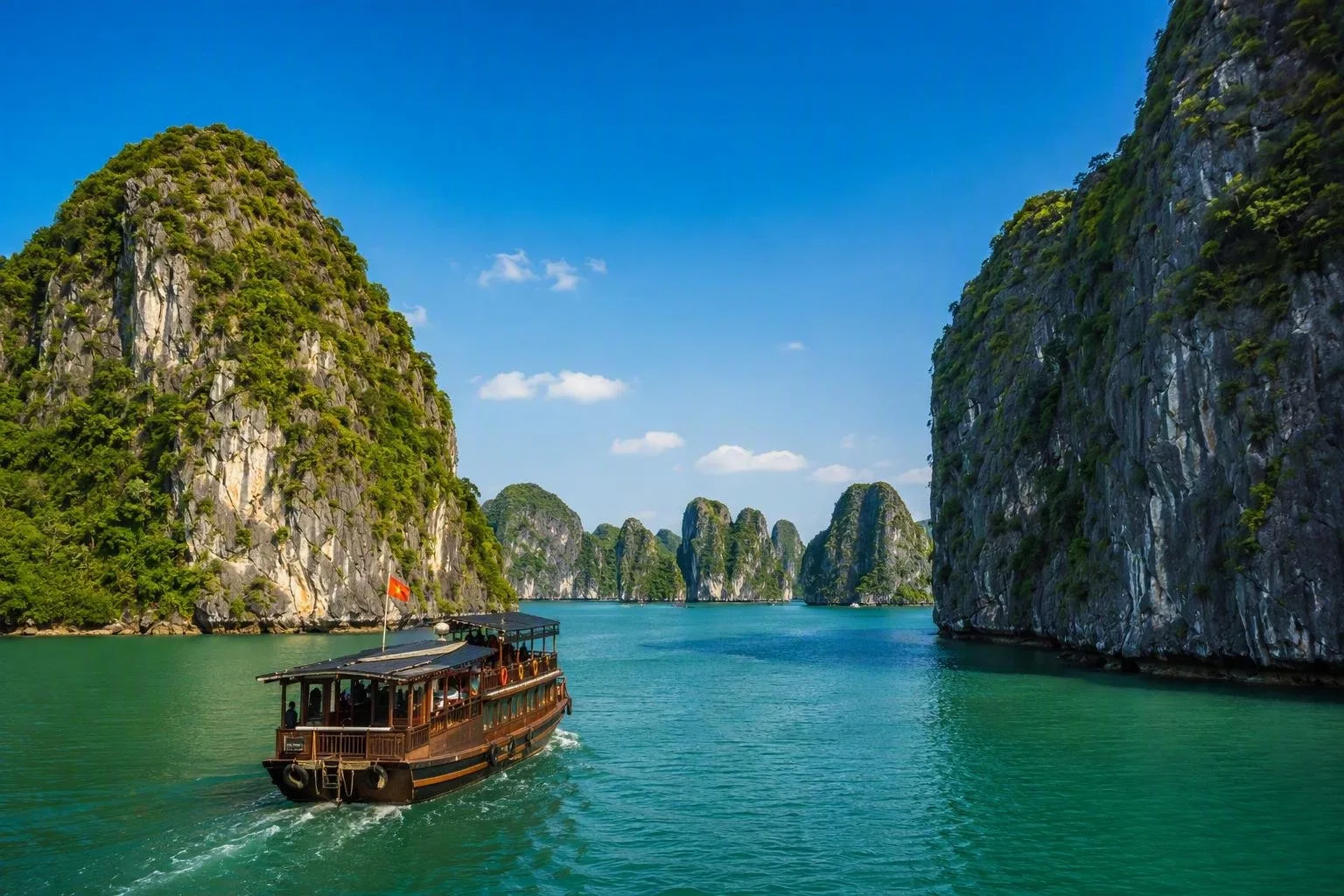
Vietnam packs very different landscapes and ways of life into a long strip of land. Wooden boats pass limestone cliffs in Ha Long Bay, while rice terraces step up the northern slopes around Mu Cang Chai. In Ho Chi Minh City, motorbikes stream past glass towers, pavement coffee stalls and market lanes. The contrast feels immediate, but daily rituals—morning bowls of noodles, strong coffee and meals shared with family—run through the country.
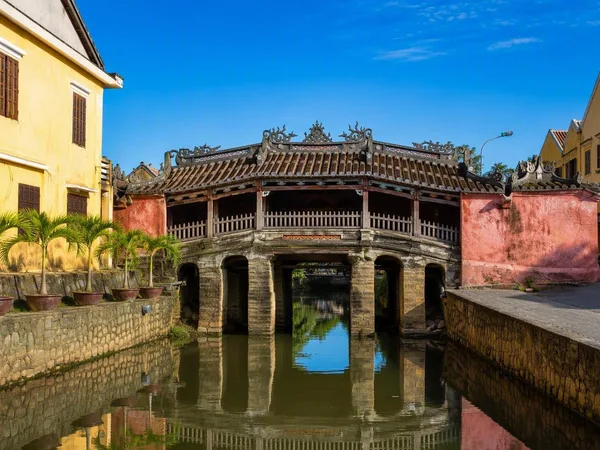
Hanoi’s Old Quarter has narrow streets once named for the goods sold there, French-era buildings and temples beside Hoan Kiem Lake. Hue holds the citadel, royal tombs and traces of the Nguyen emperors. Hoi An’s timber shop houses show the marks of Chinese, Japanese and European trade, while the brick temples at My Son belong to the earlier Champa kingdoms.
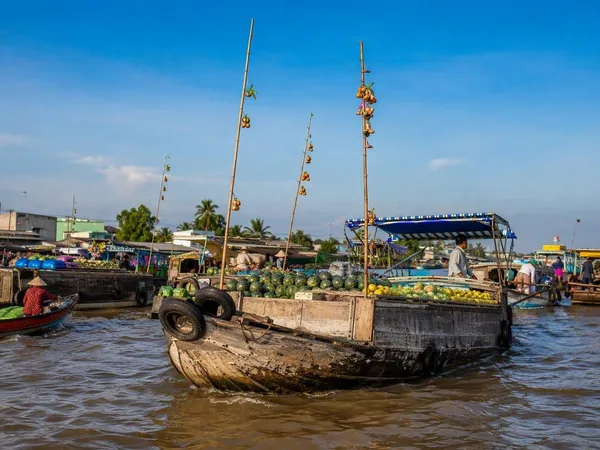
Cooking changes from region to region. Northern dishes often keep flavours clean and measured: pho arrives with a clear broth and fresh herbs. Central Vietnam brings chilli, small plates and dishes such as bun bo Hue. In the south, cooks use coconut, tropical fruit and the produce of the Mekong Delta. Stop for bánh mì from a street stall or cà phê sữa đá at a low plastic table, then take time in the smaller towns between the headline sights. Vietnam gives patient travellers plenty to return to.