
Neighbourhood · Vietnam
Hanoi Old Quarter
Hanoi’s Old Quarter is the historic merchant district immediately north of Hoan Kiem Lake. Its tight network of guild streets, temples, markets and tube houses is best explored on foot.
The historic trading quarter
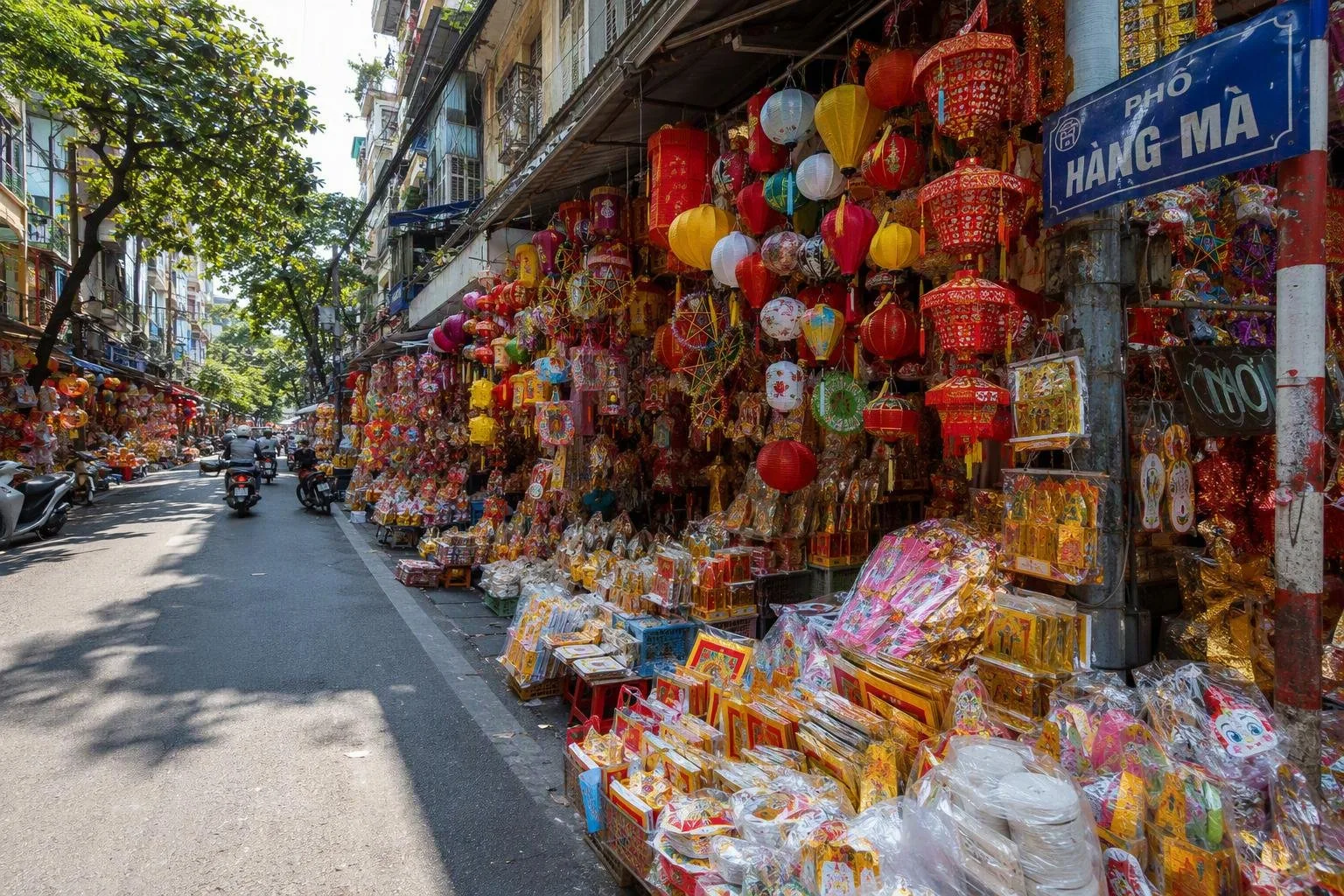
The Old Quarter developed beside Thang Long’s imperial citadel as a district of artisans, workshops and trade. It is often called the “36 streets”, but that is a historic guild label rather than a modern street count. Many street names begin with Hàng, meaning merchandise or wares, followed by the trade once concentrated there.
The quarter is compact, dense and still commercial. Narrow-fronted tube houses combine a shop at street level with deep rooms and upper living spaces. Look up as well as ahead: tiled roofs, shutters and old façades often survive above modern signs.
Streets worth seeking out
Do not attempt to tick off every lane. Pick a few contrasting streets and connect them in a slow loop.
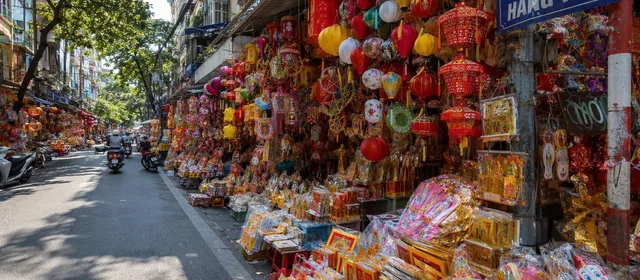
- Hàng Mã: paper offerings, ritual goods and seasonal decorations; its displays become particularly vivid before Tết and Mid-Autumn Festival.
- Hàng Bạc: the former silver street, still lined with jewellery shops and money changers.
- Hàng Gai: Hanoi’s silk street, now a useful stretch for fabrics, tailoring and craft shops.
- Lãn Ông: a concentrated street of traditional herbs and medicines.
- Hàng Thiếc: one of the places where metalwork remains part of the streetscape.
For the clearest look at domestic Old Quarter architecture, visit the restored merchant house at 87 Mã Mây. Bạch Mã Temple on Hàng Buồm provides a compact temple stop among the shops, while Đồng Xuân Market marks the northern edge with wholesale-style stalls and everyday goods.
Orientation and a practical walk
Use Hoan Kiem Lake as the southern reference point and Dong Xuan Market as the northern one. Start near the lake, follow Hàng Đào north, cut across to Hàng Mã and Hàng Bạc, then work toward the market. This is a neighborhood for walking, not for covering distance by car; a half-day leaves time for browsing, food and pauses.
Sidewalks are narrow and often serve as parking or shop space. Walk predictably at crossings and do not stop in the carriageway for photographs. In dense market lanes, keep a firm hold on your phone and bag.
Timing, food and local etiquette
Early morning is best for a cooler, more workaday view of the streets. Late afternoon suits a longer walk; evenings bring food stalls and, around Tạ Hiện, beer-corner crowds. On weekend evenings, the pedestrian zone and night market extend along Hàng Đào and Hàng Ngang toward Dong Xuan Market, making the core much busier.
The district is a practical place to try Hanoi staples such as phở, bún chả and egg coffee. For temple visits, cover shoulders and knees, keep voices low and do not treat active altars or paper offerings as props. Bargaining is normal at many market and souvenir stalls, but not for prepared food.
From the magazine
Stories about Hanoi Old Quarter
Editorial stories linked directly to Hanoi Old Quarter.
Routes from our editors
Travel through Hanoi Old Quarter
Editorial routes connecting Hanoi Old Quarter with other countries, cities and hotspots.
No routes through Hanoi Old Quarter have been published yet.
More in Vietnam
Related hotspots
Other cities, nature areas and places within Vietnam.
Sapa
1 linked stories and routes

Mekong Delta
1 linked stories and routes

Hoi An
1 linked stories and routes
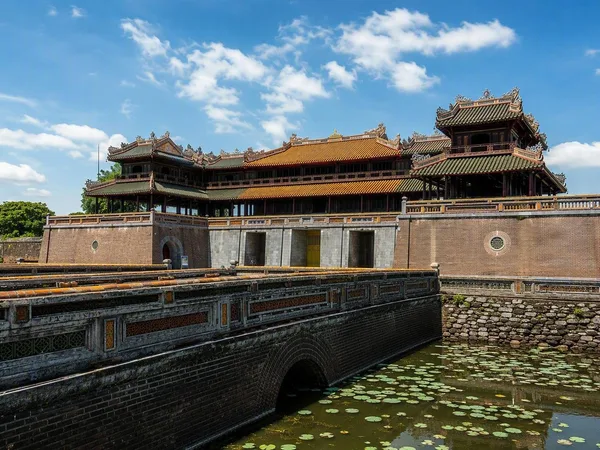
Huế
1 linked stories and routes
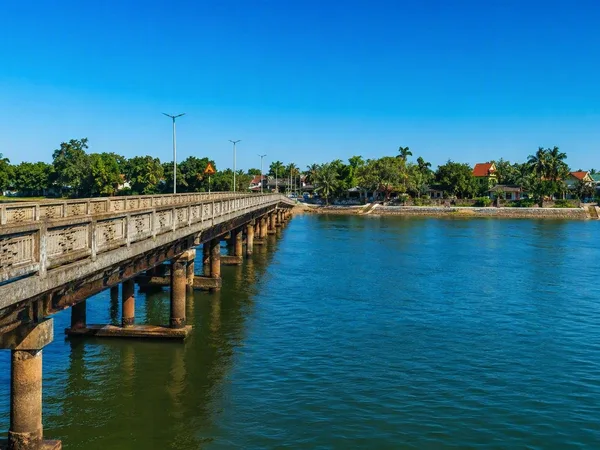
Cồn Hến, Huế
1 linked stories and routes

Hanoi
1 linked stories and routes
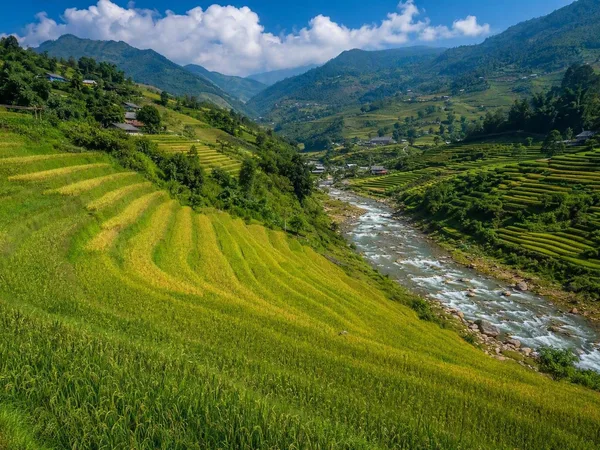
Mường Hoa valley
0 linked stories and routes
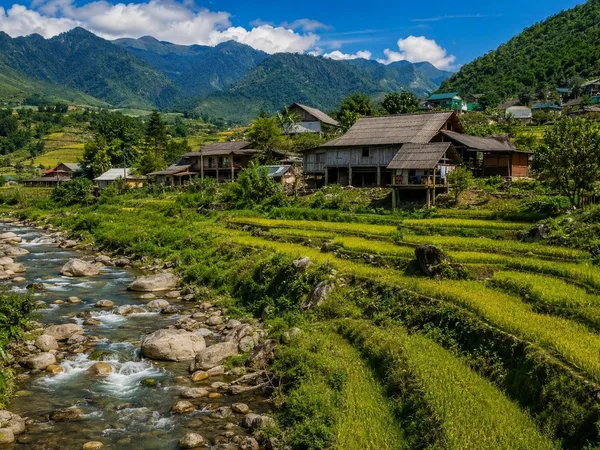
Ta Van Village
0 linked stories and routes
Ta Phin
0 linked stories and routes