
City · Vietnam
Huế
Huế is the former Nguyễn imperial capital on the Perfume River in central Vietnam. Its walled citadel, riverside monuments and forceful regional cooking make history and food equally central to a visit.
Start with the imperial city
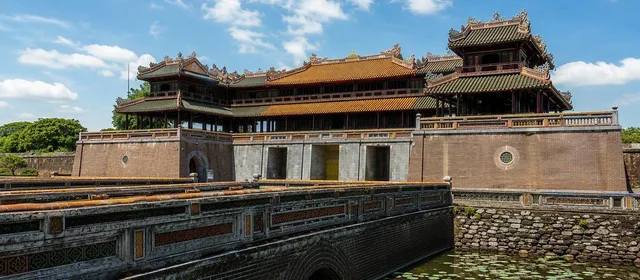
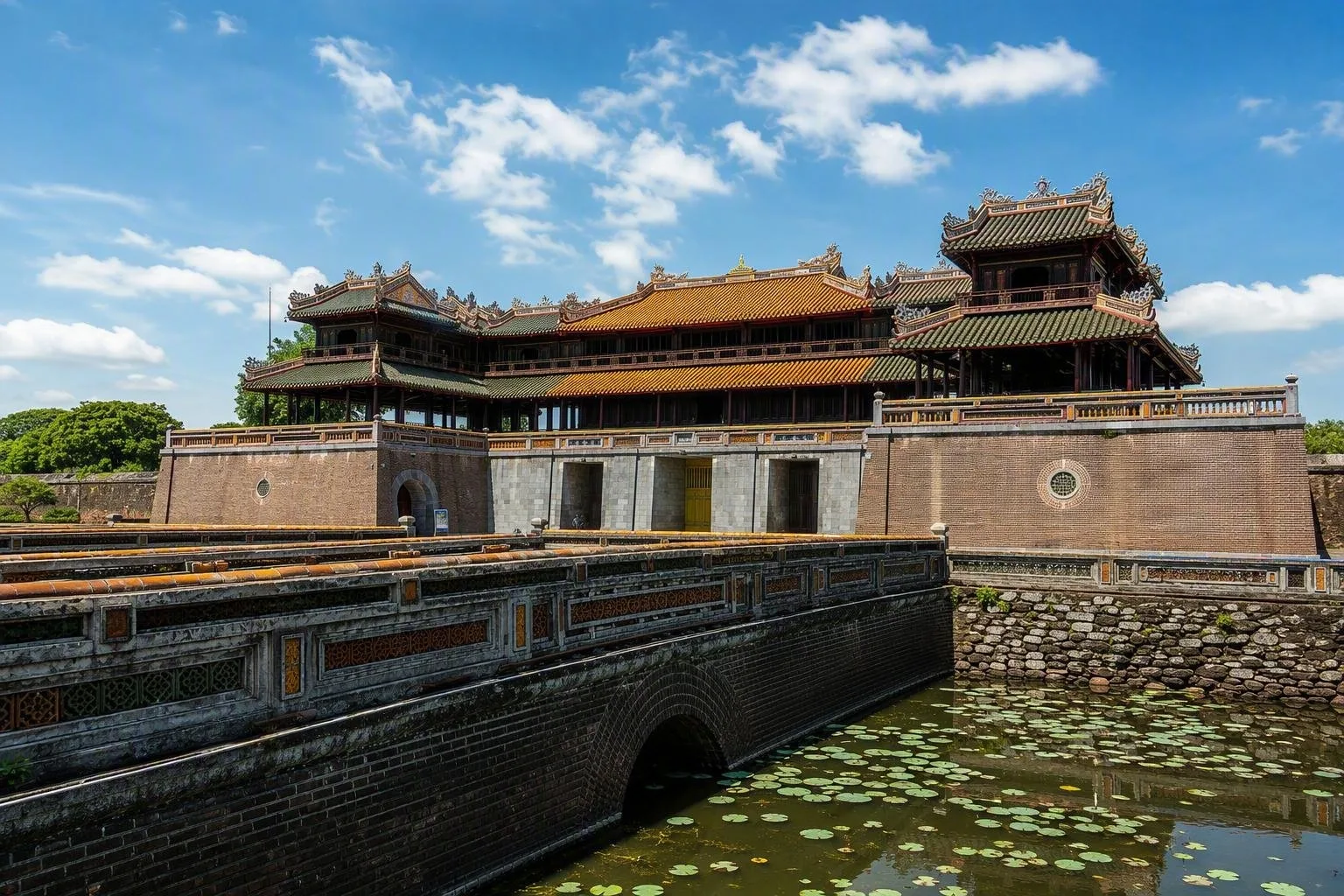
Huế became the capital of unified Vietnam in 1802 and remained the Nguyễn dynasty’s political, cultural and religious centre until 1945. The Imperial City sits inside the larger Citadel on the north bank of the Perfume River; its palaces, shrines, gates and the Forbidden Purple City show how the court organised power, ceremony and private life.
Give the Imperial City a substantial morning rather than treating it as a quick photo stop. The layout is part of the point: ceremonial spaces lead inward through walls, moats and courtyards. Some structures remain ruins or have been restored after war damage, so the site reads as both palace complex and conservation project.
Read the river landscape
The Perfume River is the axis of Huế’s historic plan. The Citadel stands near its north bank; associated temples, pagodas and royal tombs extend along and beyond the river corridor.
Prioritise according to interest:
- Thiên Mụ Pagoda for its riverside setting and seven-storey tower.
- Minh Mạng Tomb for a formal, symmetrical composition of water, pavilions and wooded grounds.
- Tự Đức Tomb for its garden-and-lake setting.
- Khải Định Tomb for its dense mosaic decoration and markedly different architectural vocabulary.
The tombs are separate destinations south and southwest of the centre, not an extension of a walk through the Citadel. Use a car, taxi, motorbike or organised transport; allow a full day if combining several with the Imperial City.
Eat the city, not just “royal cuisine”
Huế food has two distinct registers. Court-style meals foreground small portions, ordered courses and elaborate symbolic presentation. Everyday cooking is sharper and more direct, especially at markets and small local eateries.
Start with bún bò Huế: a beef-and-pork broth scented with lemongrass, fermented shrimp paste and chilli, served with thick round rice noodles. It may include sliced beef, pork trotter, sausage and blood; ask for less chilli if needed.
Build a second meal around smaller dishes:
- Cơm hến — rice with tiny freshwater mussels, traditionally associated with Cồn Hến in the Perfume River.
- Bánh bèo, bánh nậm and bánh lọc — small steamed or wrapped rice-flour cakes, best ordered as a mixed plate.
- Bánh khoái — a crisp Hue-style pancake.
- Chè — sweet dessert soups, often with lotus seeds or beans.
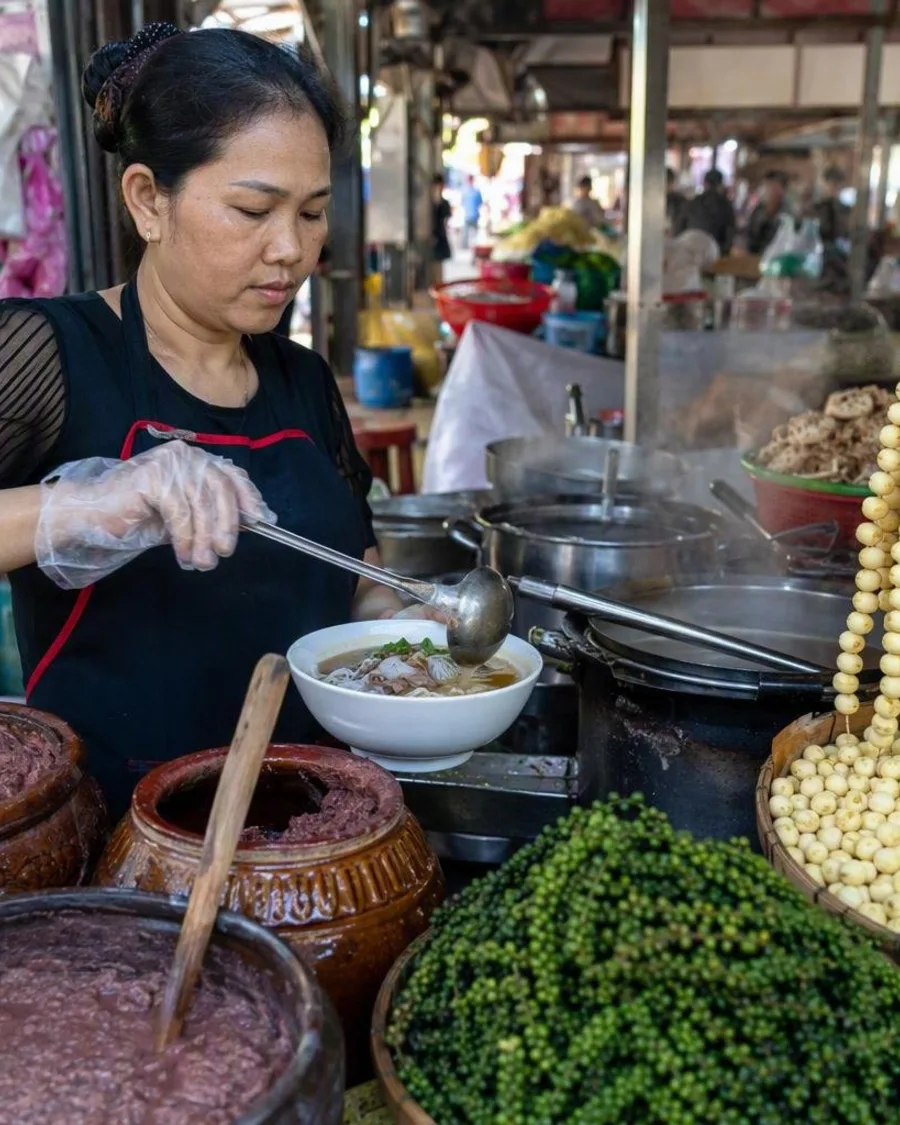
At Đông Ba Market, look beyond souvenirs to the ingredients: fermented shrimp paste, river snails, galangal, green peppercorns and lotus seeds explain the city’s pungent, herbal profile.
Practical rhythm
Base yourself near the river on the south bank for a straightforward walk or short ride to the Citadel, markets and restaurants. Begin outdoor heritage visits early in hot weather; the Citadel covers serious walking distance and tomb compounds add more.
Huế has a pronounced wet period, and heavy rain can affect paths and river conditions. Carry rain protection in wetter months and leave margin in a schedule built around outdoor monuments. Dress modestly when entering active pagodas and temple spaces; shoulders and knees covered is the useful default.
A focused two-day plan
Day one: Imperial City in the morning, Đông Ba Market and local dishes later, then the riverfront.
Day two: choose two or three tombs and Thiên Mụ Pagoda. Select fewer sites if you want time to absorb their landscaping, inscriptions and architecture rather than simply collecting entrances.
From the magazine
Stories about Huế
Editorial stories linked directly to Huế.
Routes from our editors
Travel through Huế
Editorial routes connecting Huế with other countries, cities and hotspots.
No routes through Huế have been published yet.
More in Vietnam
Related hotspots
Other cities, nature areas and places within Vietnam.
Sapa
1 linked stories and routes
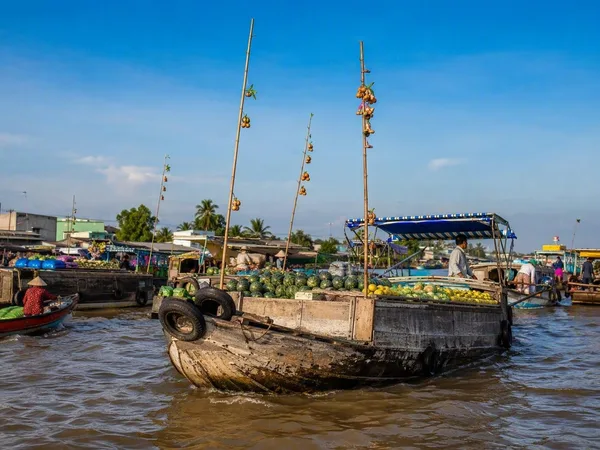
Mekong Delta
1 linked stories and routes
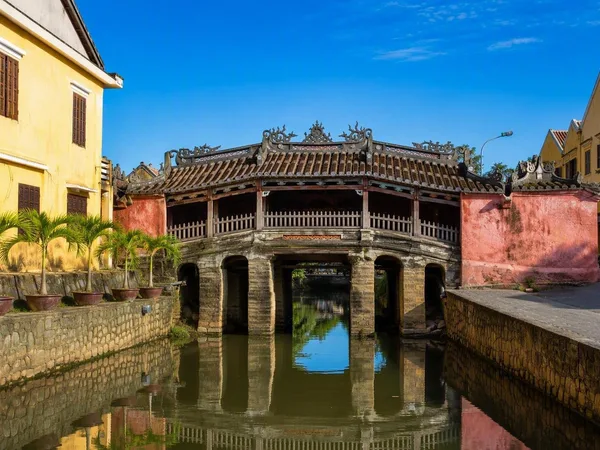
Hoi An
1 linked stories and routes
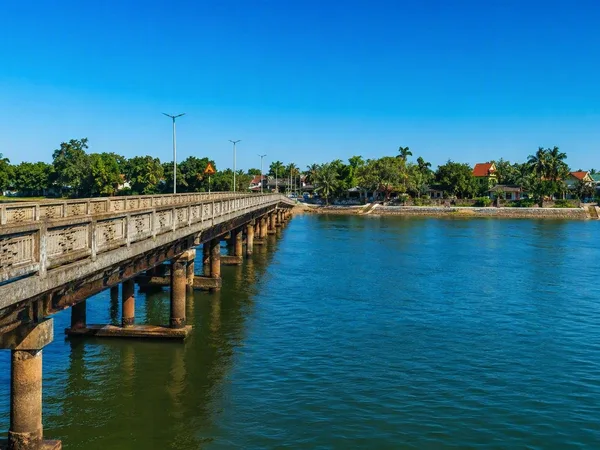
Cồn Hến, Huế
1 linked stories and routes
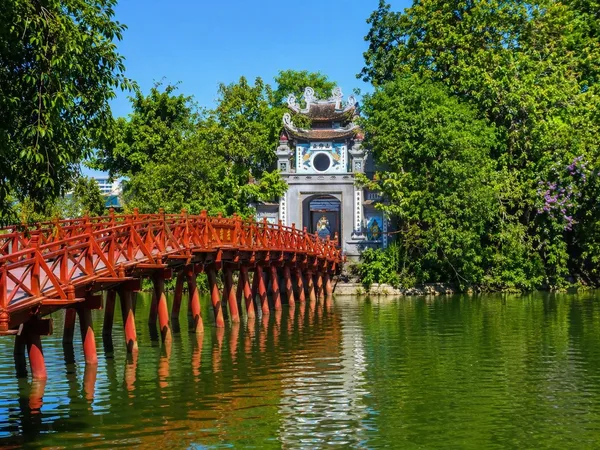
Hanoi
1 linked stories and routes
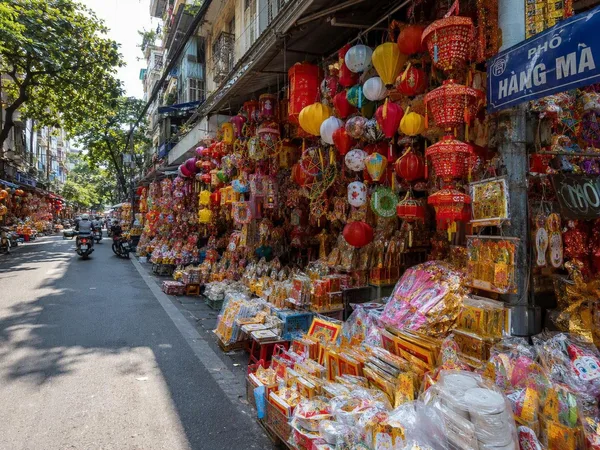
Hanoi Old Quarter
1 linked stories and routes
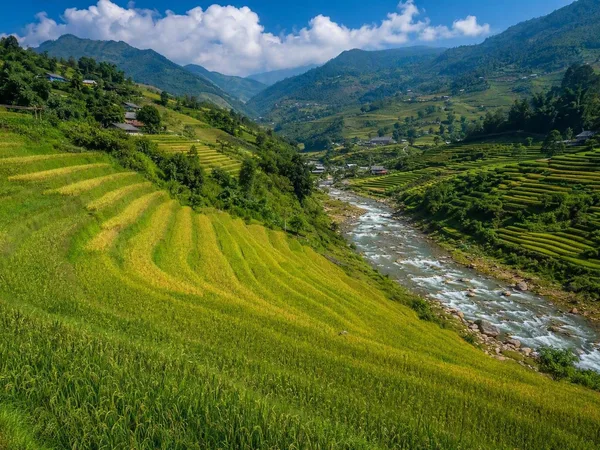
Mường Hoa valley
0 linked stories and routes
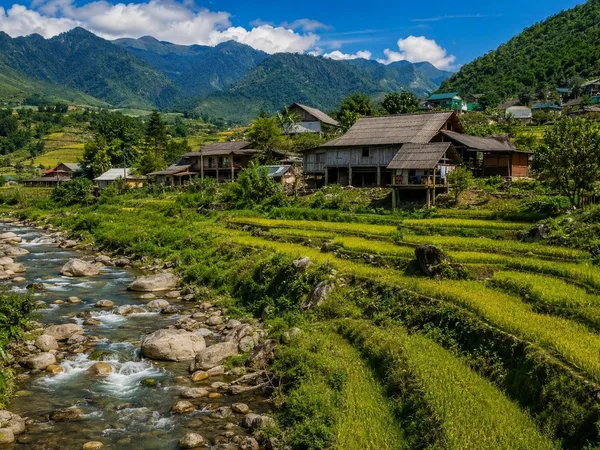
Ta Van Village
0 linked stories and routes
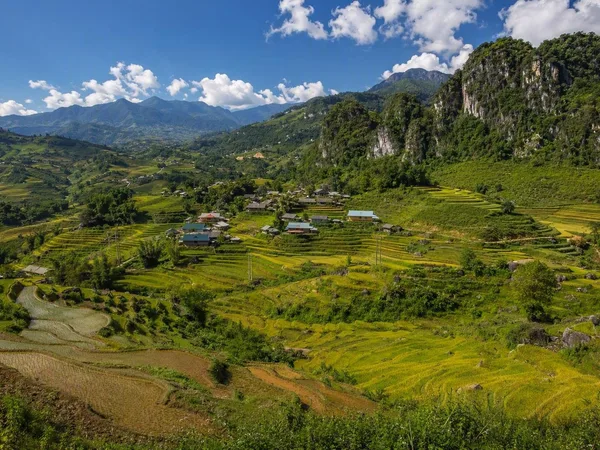
Ta Phin
0 linked stories and routes