
Sight · Vietnam
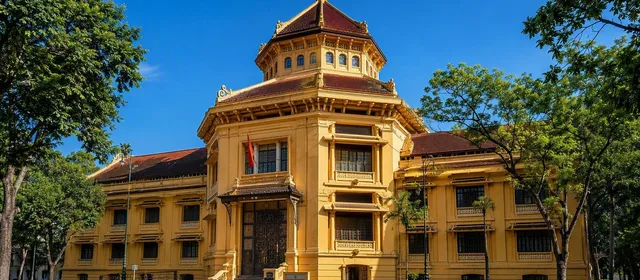
Vietnam National Museum of History
Vietnam’s national history museum occupies two sites in central Hanoi, beside the Opera House and near Hoan Kiem Lake. Its principal building at 1 Trang Tien Street traces the country’s story from prehistory to 1945.
Why it matters
The Vietnam National Museum of History is Hanoi’s essential introduction to the country’s archaeological and dynastic past. The institution brings together the former National Museum of Vietnamese History and the Museum of the Vietnamese Revolution; its permanent displays are split between two nearby buildings.
The landmark at 1 Trang Tien Street, behind the Hanoi Opera House, is the place to start for the early story. Its galleries run chronologically from prehistoric cultures through the Nguyễn dynasty and the August Revolution of 1945. The second site, at 216 Tran Quang Khai Street, takes up the modern narrative from the mid-19th century onward.
The building
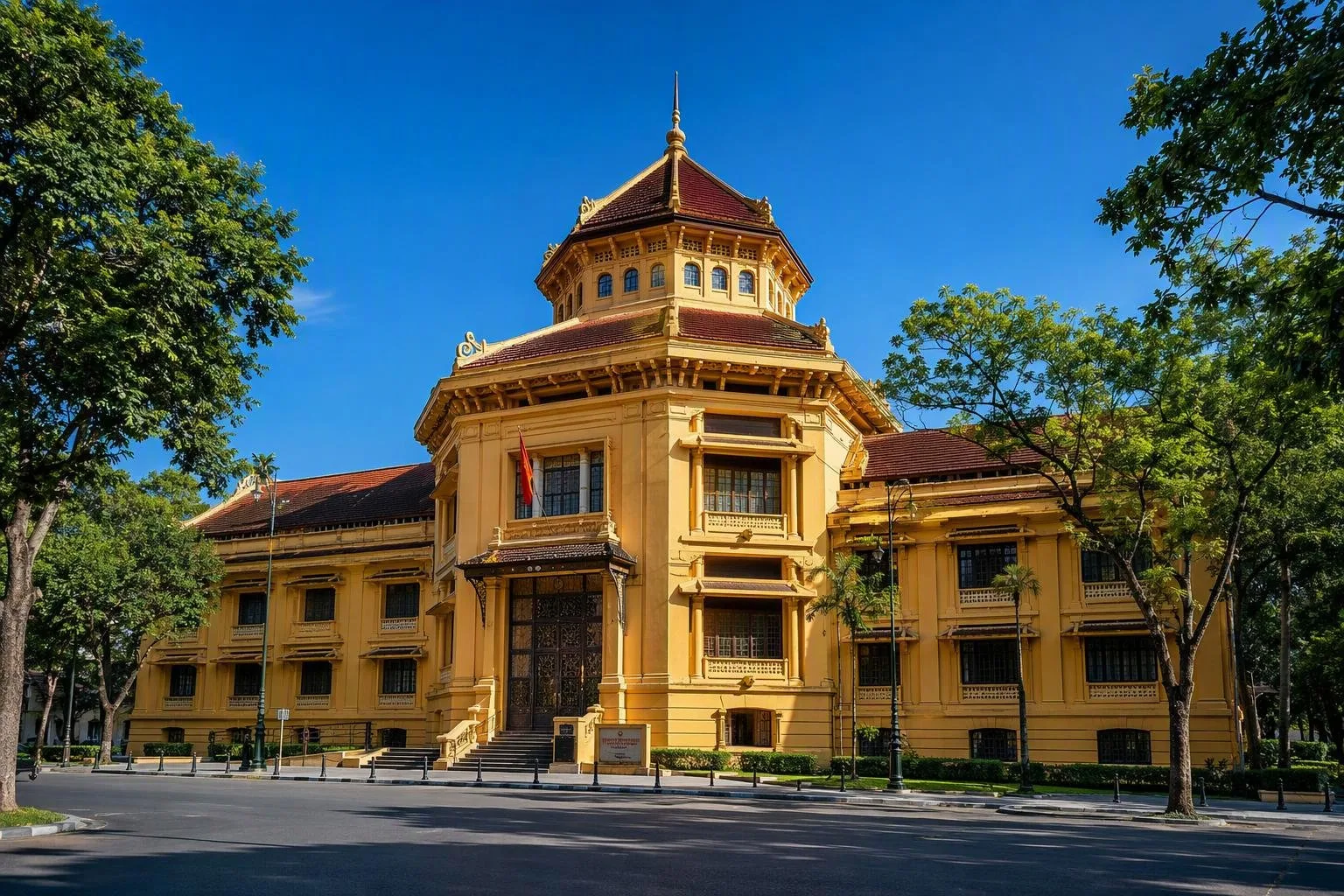
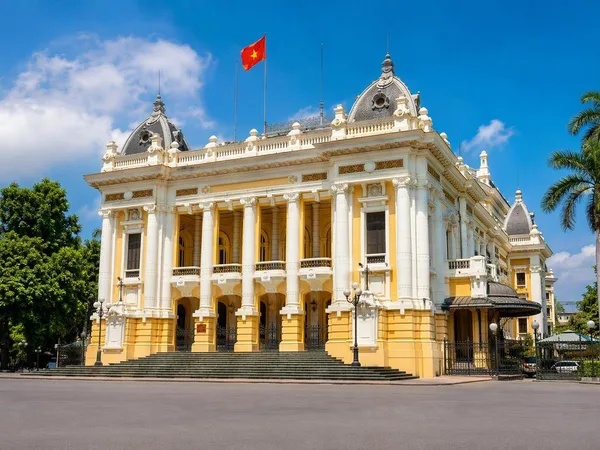
The Trang Tien building began in 1926 as the Louis Finot Museum of the École Française d’Extrême-Orient and opened in 1932. In 1958 it became a museum of Vietnamese national history.
Look up before going in: its octagonal central tower, layered tiled roof, deep eaves and balconies are a deliberate Indochinese synthesis rather than a standard European colonial façade. The architecture was designed to admit light and air while shielding interiors from heat. The octagonal entrance hall remains the clearest expression of that design.
What to see
At the Trang Tien site, follow the chronological sequence rather than trying to cover every case. Prioritise:
- Đông Sơn bronzes, especially the bronze drums, for the technical and visual force of early metalwork.
- Archaeological material from prehistoric and early state-building periods.
- Ceramics, bronze and court objects from the Lý, Trần, Lê and Nguyễn dynasties.
- Champa stone sculpture, which broadens the story beyond northern Vietnamese courts.
The Tran Quang Khai building covers more recent history. Treat it as a separate stop if you want the full arc; the two addresses are close but they are not one continuous gallery route.
Getting there and timing
The Trang Tien entrance is in Hoan Kiem, directly behind the Opera House and an easy walk from Hoan Kiem Lake. A taxi or ride-hailing drop-off at 1 Trang Tien Street is the simplest option; use 216 Tran Quang Khai Street specifically for the modern-history site.
Exhibitions open 08:00–12:00 and 13:30–17:00, Tuesday to Sunday. The midday closure matters: arrive early enough to finish a gallery rather than being interrupted at noon. Lunar New Year hours may differ.
Visit well
Allow about 90 minutes for the Trang Tien building, longer if you read closely or include the second site. Start with the building itself, then move steadily through the galleries; the chronological layout makes Vietnam’s long sequence of cultures and dynasties much easier to place.
From the magazine
Stories about Vietnam National Museum of History
Editorial stories linked directly to Vietnam National Museum of History.
No stories about Vietnam National Museum of History have been published yet.
Routes from our editors
Travel through Vietnam National Museum of History
Editorial routes connecting Vietnam National Museum of History with other countries, cities and hotspots.
No routes through Vietnam National Museum of History have been published yet.
More in Vietnam
Related hotspots
Other cities, nature areas and places within Vietnam.
Hanoi
3 linked stories and routes
Hanoi Old Quarter
3 linked stories and routes
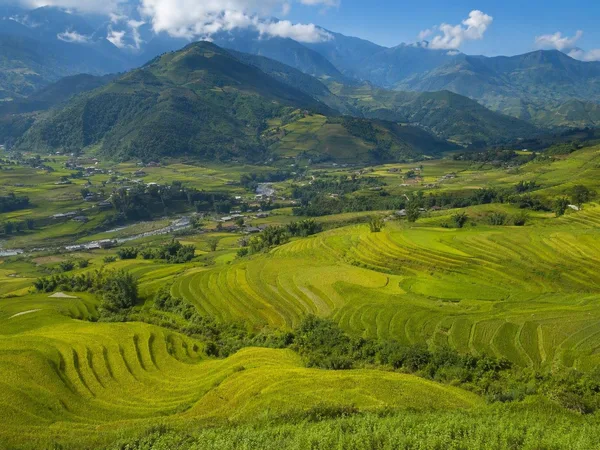
Sapa
1 linked stories and routes
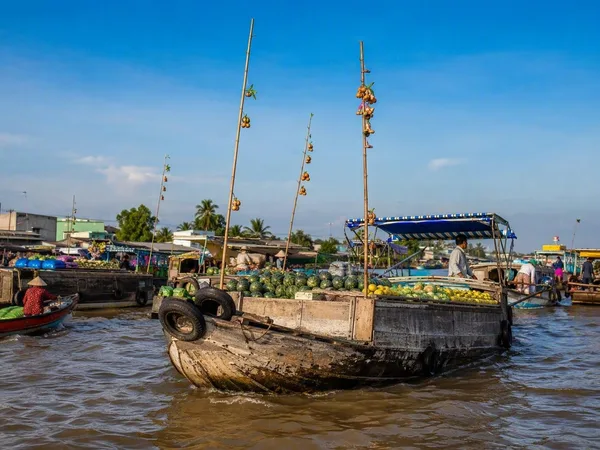
Mekong Delta
1 linked stories and routes
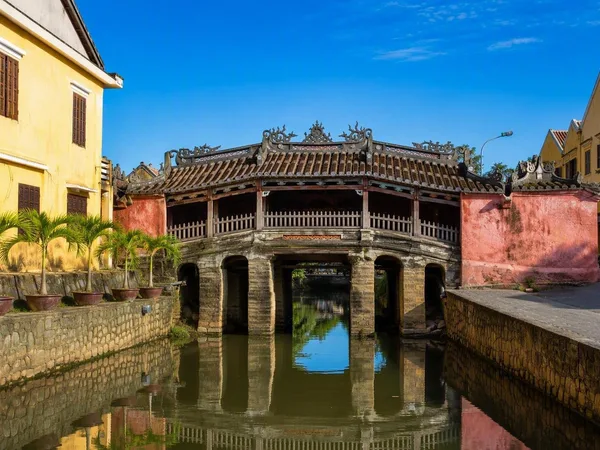
Hoi An
1 linked stories and routes
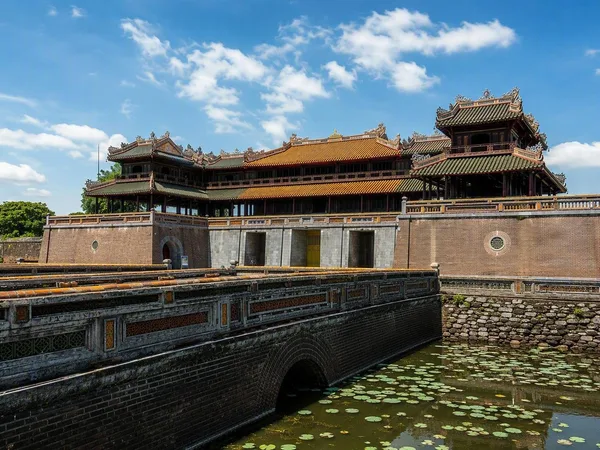
Huế
1 linked stories and routes
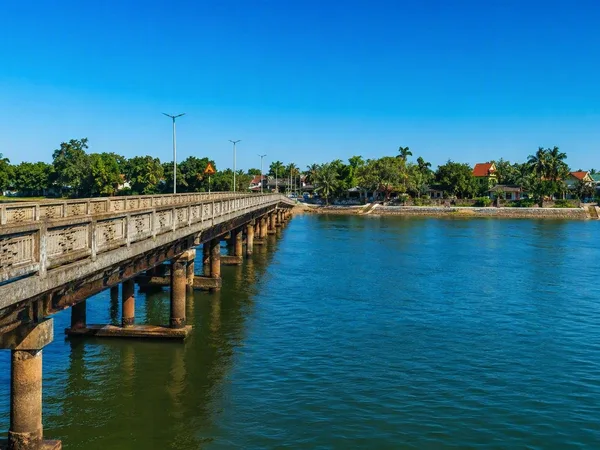
Cồn Hến, Huế
1 linked stories and routes
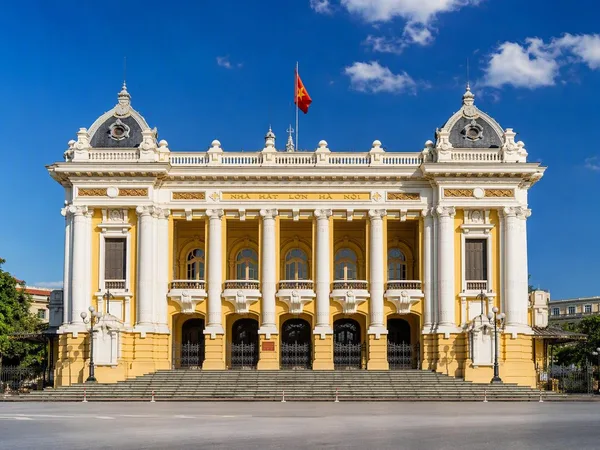
Hanoi Opera House
1 linked stories and routes
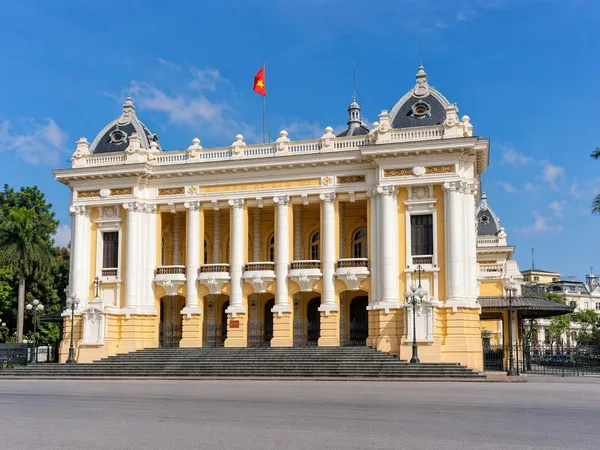
August Revolution Square
1 linked stories and routes
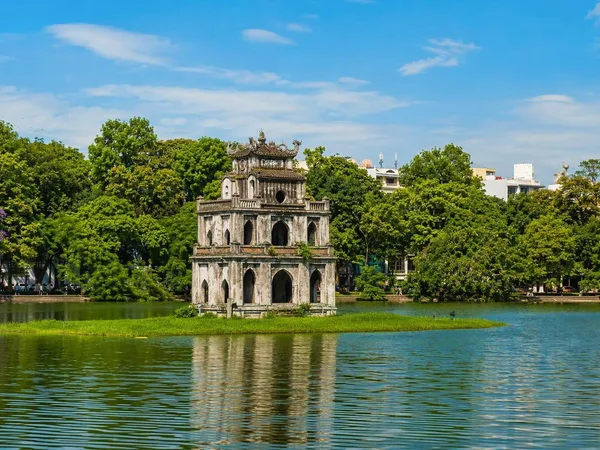
Hoàn Kiếm Lake
1 linked stories and routes
French Quarter, Hanoi
1 linked stories and routes

Mường Hoa valley
0 linked stories and routes

Ta Van Village
0 linked stories and routes
Ta Phin
0 linked stories and routes