Thailand

Karst bays, temple towns and night markets

Thailand

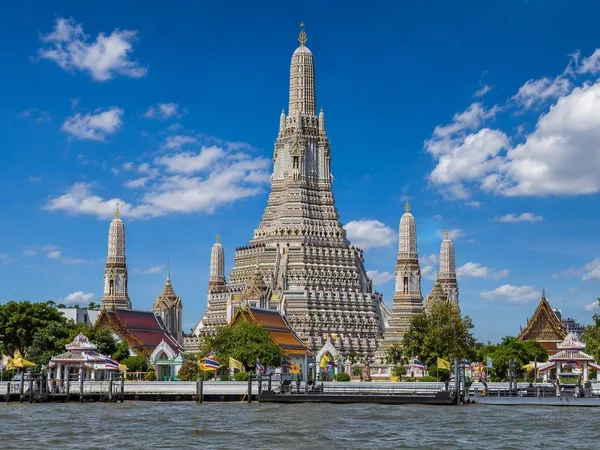
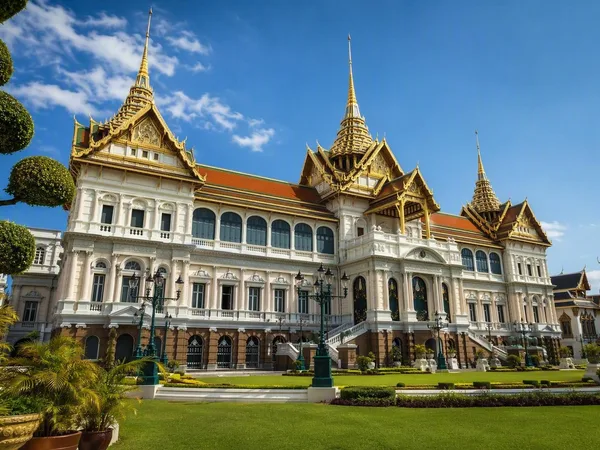
Thailand runs from Bangkok’s river traffic and old royal quarters to northern temples, rice fields and southern island coasts.

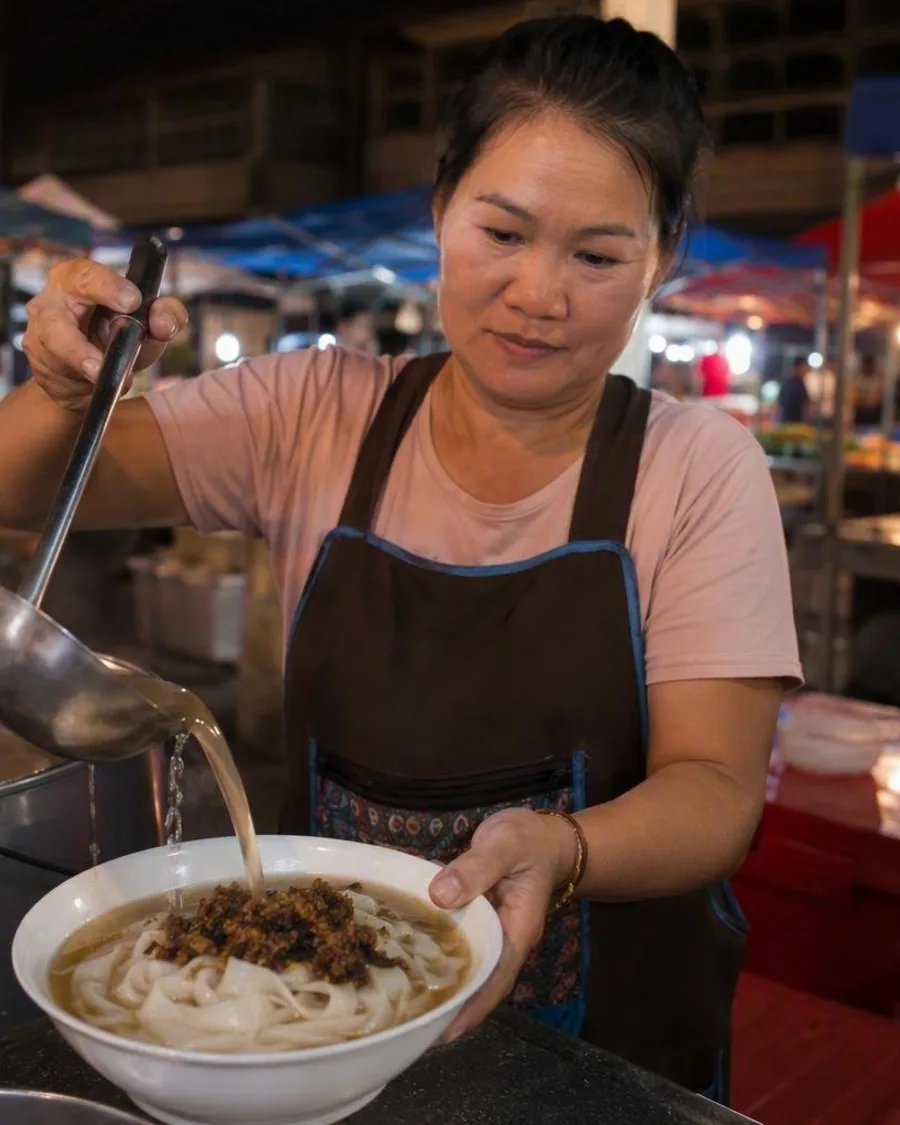
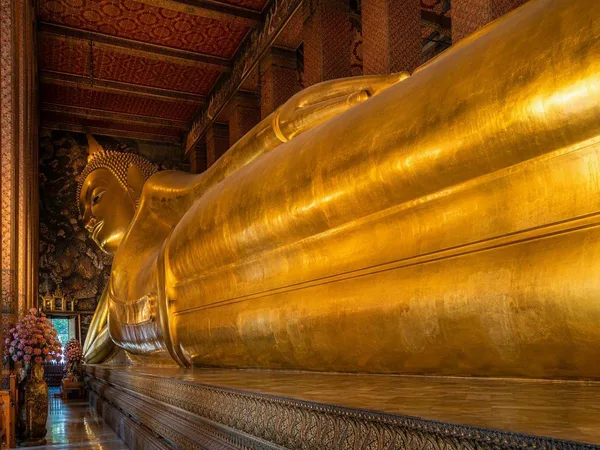
Look beyond Thailand’s beaches and you find a country shaped by market kitchens, temple courtyards and local trade. In Bangkok, commuters cross the Chao Phraya River as cooks ladle noodles beside office towers and monks make their morning rounds. Chiang Mai has brick walls, Lanna-era temples and markets stocked with herbal sausage, chilli dips and coffee from nearby hills. The heat, traffic and dense streets of the capital feel far from the north, but food and Buddhist practice set the pace in both places.

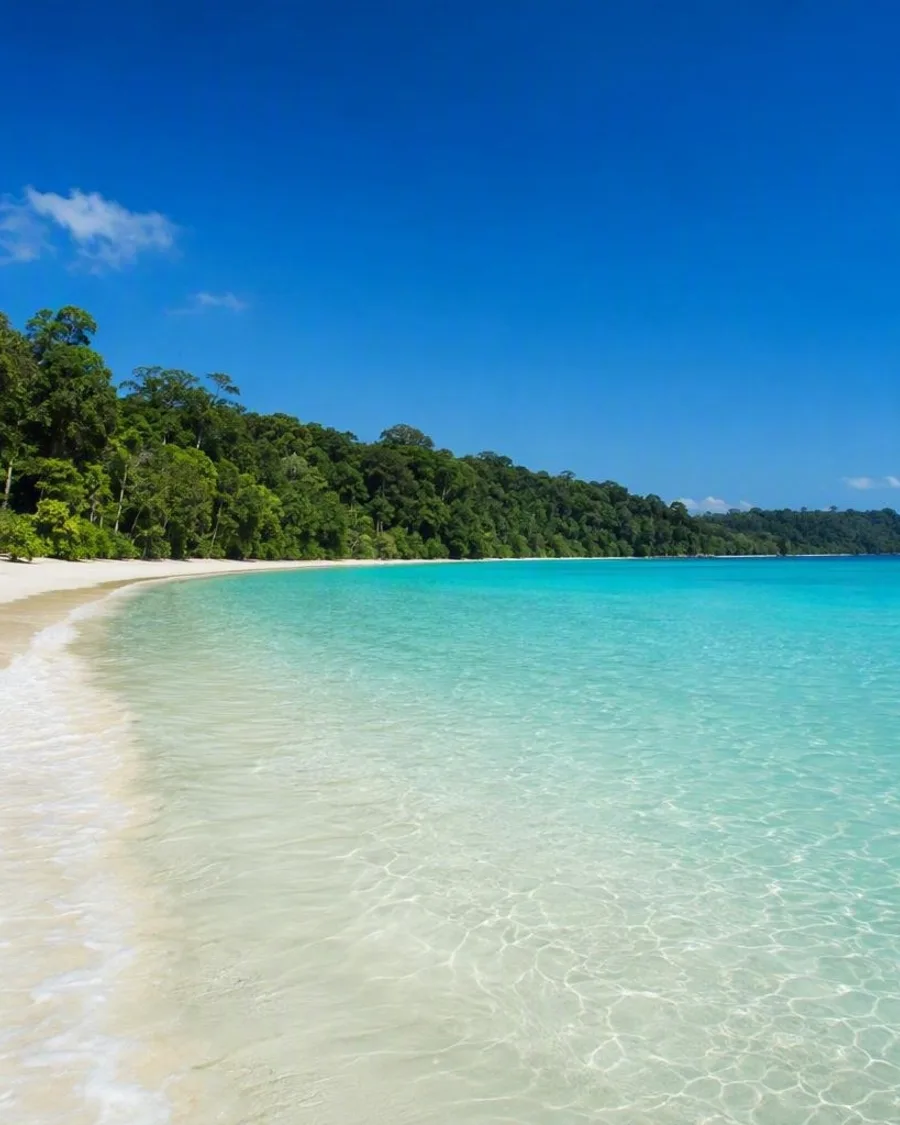
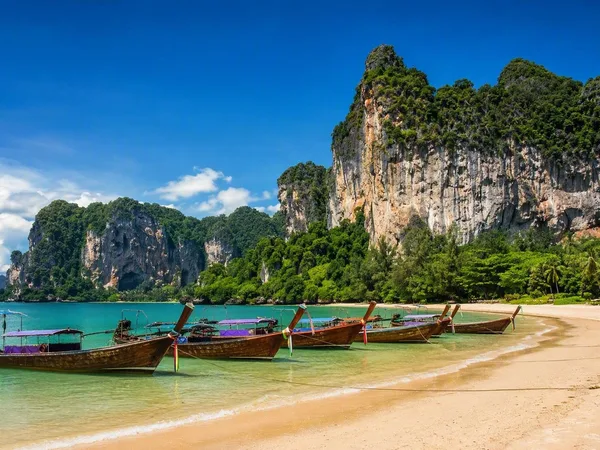
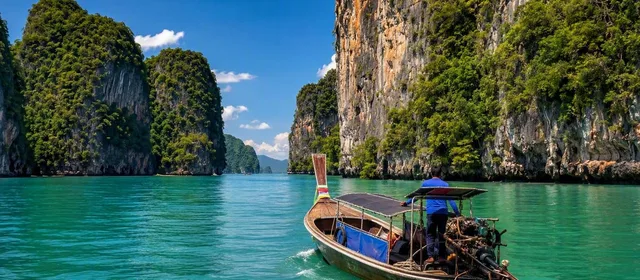
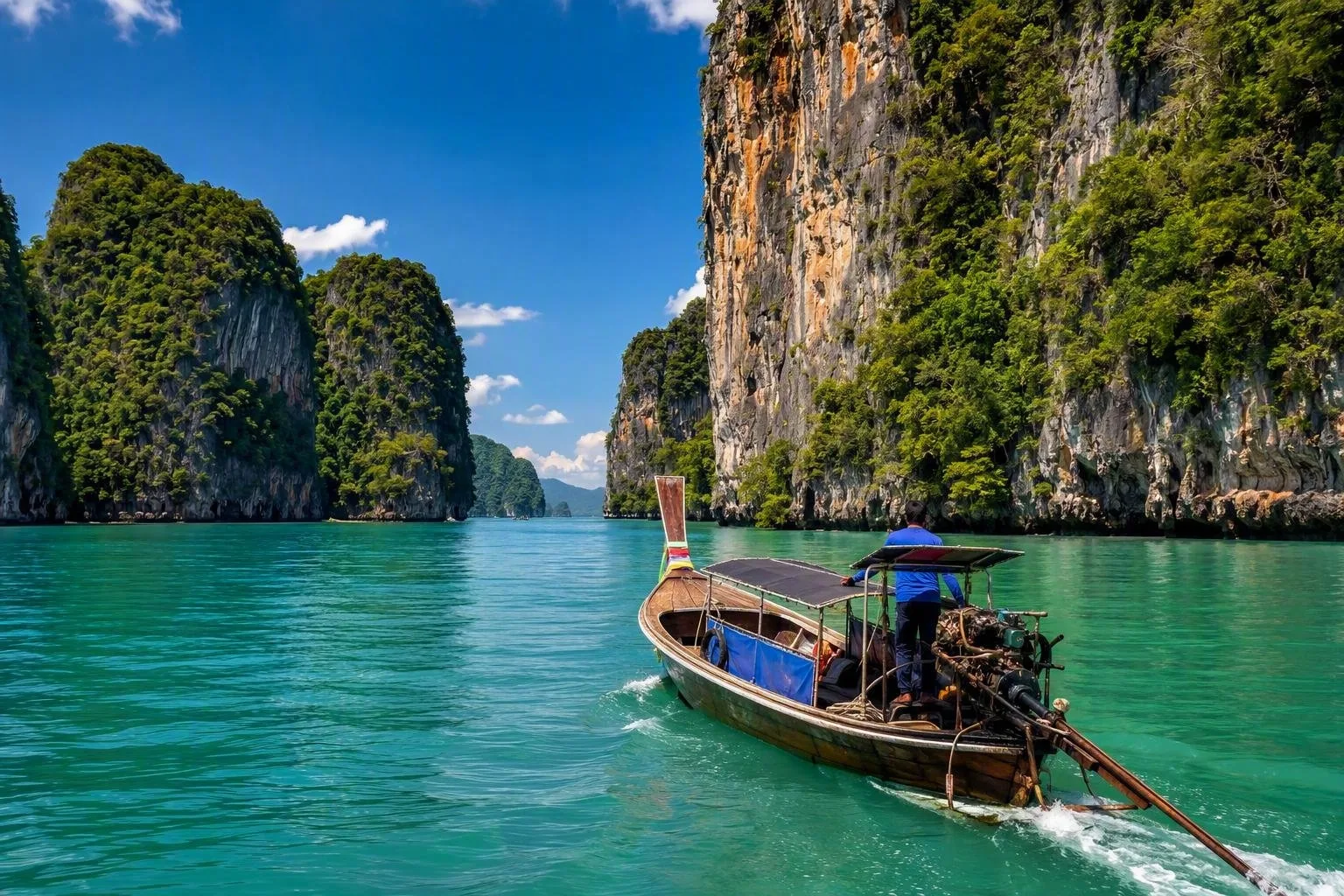
The south brings another change of scene. Long-tail boats run beneath the limestone cliffs of Phang Nga Bay, while ferries carry passengers between islands, fishing ports and mainland piers. Rubber trees, coconut groves and seafood farms support many coastal communities. Near the Malaysian border, Malay Muslim communities add another strand to daily life in the southern provinces.

Central Thailand holds the remains of Ayutthaya, where monastery towers stand among the ruins of a former trading capital. In the northeast, Khmer sanctuaries rise above rice country, and som tam often comes seasoned with fermented fish. Order food in different regions, pause at a local market and take a slower look beyond the resort strip. Thailand has plenty to show once you leave room for its distinct local lives.

When to go

Best time to travel

Monthly values are indicative average maximum temperatures for Bangkok. Temperatures, rainfall and seasonal patterns vary meaningfully between the northern mountains, central plains and southern coasts. Monthly values are indicative average maximum temperatures for Bangkok. Temperatures, rainfall and seasonal patterns vary meaningfully between the northern mountains, central plains and southern coasts.

jan32°C feb33°C mar34°C apr35°C may34°C jun33°C jul33°C aug33°C sep32°C oct32°C nov32°C dec31°C

Weather in the capital

Practical Thailand

On every country page we show the current weather for the capital.

Bangkok
Morning26°Covercast
Afternoon32°Cdrizzle
Evening27°Covercast
today32°C / 24°Chigh and low

Current forecast by Open-Meteo

Visa and entry

Entry requirements depend on nationality, purpose of travel and length of stay. Check current passport and entry information with Thailand’s official immigration authority before departure.

Getting around

Domestic flights cover long distances, while trains and coaches connect major cities. Songthaews, local buses, taxis and app-based rides serve many towns; boats and ferries connect coastal islands.

Paying in Thailand

Cash is useful at markets, food stalls and small businesses. Cards are common in hotels, shopping centres and larger restaurants, and ATMs are widely available in cities and visitor areas.

Where to stay

Options range from city hostels and family-run guesthouses to beach resorts and mountain lodges. Book early for popular islands and northern destinations during busy months and major Thai holidays.

Before you leave

Worth knowing

A practical starting point for your trip. Check current conditions and local information before you leave.

01

Language

Thai is the official language. English is common in major visitor areas but less widely spoken in rural districts, so a few Thai phrases can help.

02

Calling code

Thailand’s international calling code is +66. When calling from abroad, omit the initial 0 from the local area or mobile number.

03

Driving side

Traffic drives on the left. Cars have right-hand steering, and vehicles normally overtake on the right.

04

Measurements

Thailand uses the metric system. Distances appear in kilometres, fuel in litres and temperatures in degrees Celsius.

05

The wai

A wai brings the palms together near the chest with a slight bow. You can return one, though staff do not expect customers to start every exchange with a wai.

06

Temple etiquette

Cover your shoulders and knees in temple grounds, speak quietly and follow photography signs. Do not point your feet towards Buddha images, monks or sacred objects.

07

Removing footwear

Remove shoes before entering temple buildings and private homes. Some guesthouses, shops and small businesses also leave shoes outside the entrance.

08

Tipping

Tipping is not compulsory. People often leave small change, round up a taxi fare or add a modest amount for good service.

09

Shared meals

Thai meals often put several dishes in the centre for everyone to share. Diners usually take small portions onto their own plates and eat with a spoon and fork.

10

Mobile connectivity

Major mobile networks sell local prepaid SIM cards and eSIMs. Registration usually requires a passport, and coverage is strongest in populated areas.

11

Rail tickets

State Railway of Thailand trains use numbered classes and carriage types. Reserve berths and seats early for overnight services, weekends and public holidays.

12

Ferries and boats

Ferry tickets may include a minibus transfer or a smaller boat. Check the operator, pier name and boarding time, as one island can have several departure points.