City · Thailand
Bangkok
Bangkok, Thailand’s capital, spreads across the Chao Phraya River in central Thailand. Its royal old city, riverfront temples, markets and rail-linked commercial districts are best treated as distinct areas rather than one walkable centre.
Read the city by area
Bangkok is too large and traffic-prone for random cross-city sightseeing. Divide time between the old city, the river corridor, and the modern districts along the BTS Skytrain and MRT.
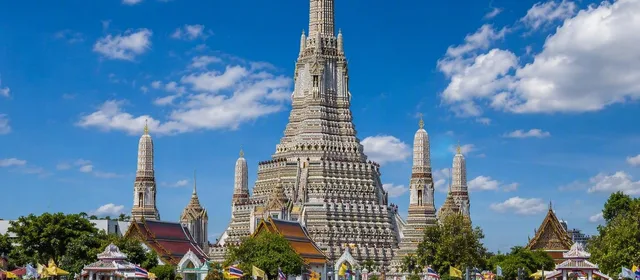
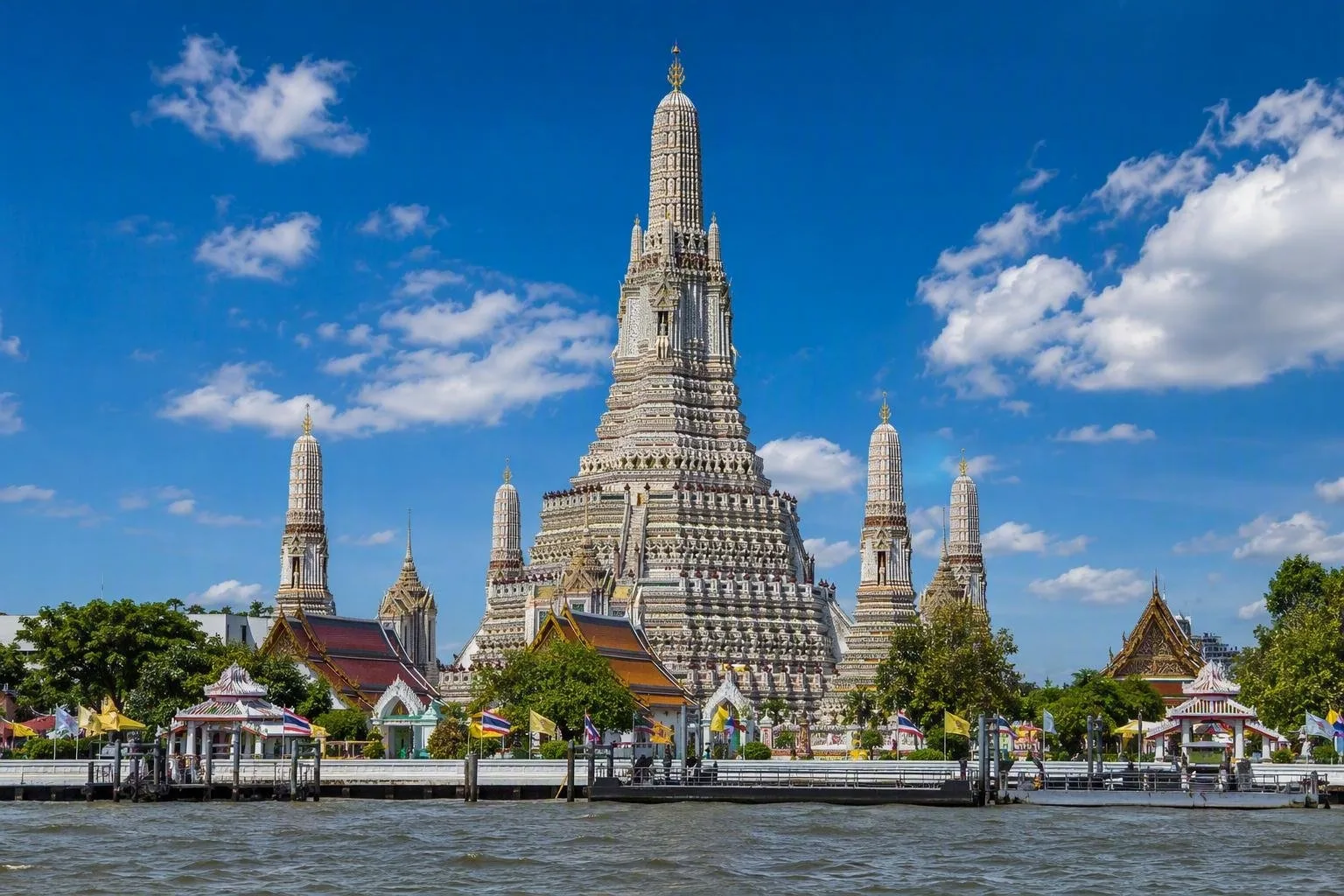
Rattanakosin, on the east bank of the Chao Phraya, is the historic royal core. Across the river lies Thonburi, where Wat Arun faces the old city. Siam, Silom and Sukhumvit are the practical centre for rail access, shopping, dining and many hotels. Chinatown sits between the old city and the modern centre.
Start with the river and royal quarter
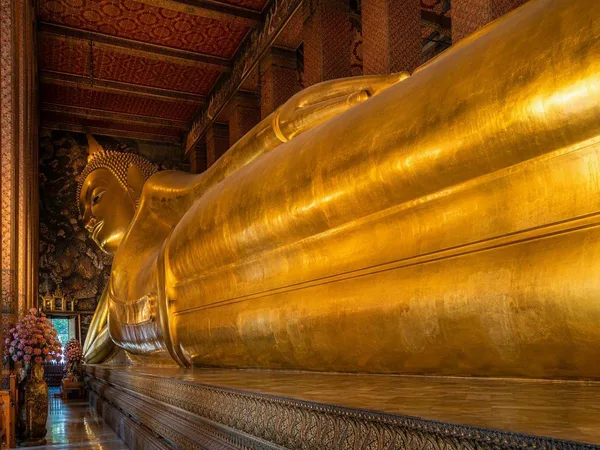
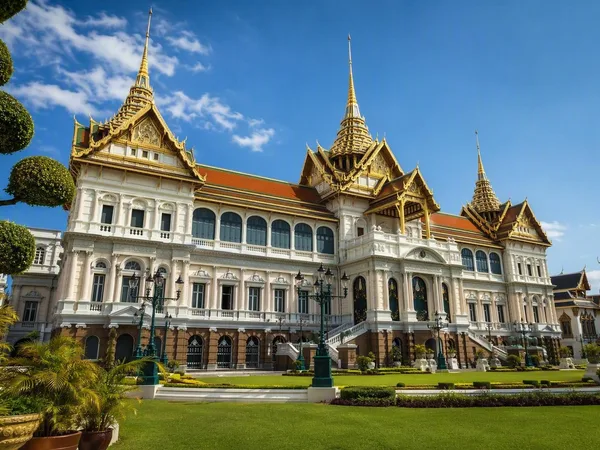
The compact headline route is the Grand Palace and Wat Phra Kaew, Wat Pho, then Wat Arun across the river. Give the palace proper time: it contains royal buildings as well as the Temple of the Emerald Buddha. Wat Pho is nearby and holds the 46-metre Reclining Buddha.
Use the Chao Phraya as transport, not just scenery. From Sathorn Pier by BTS Saphan Taksin, boats connect key riverside piers; a short cross-river ferry links the Wat Pho side at Tha Tien with Wat Arun.
Grand Palace: open daily 08:30–16:30; tickets are sold until 15:30 and cost 500 baht. Wear clothing that covers shoulders and knees. Go directly to the official entrance if someone outside claims it is closed.
Markets, food and evening streets
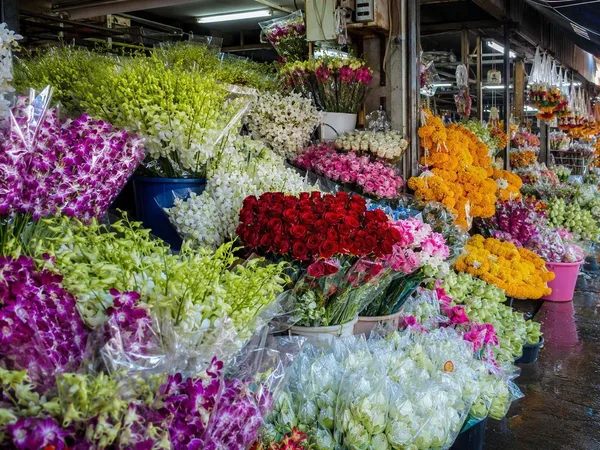
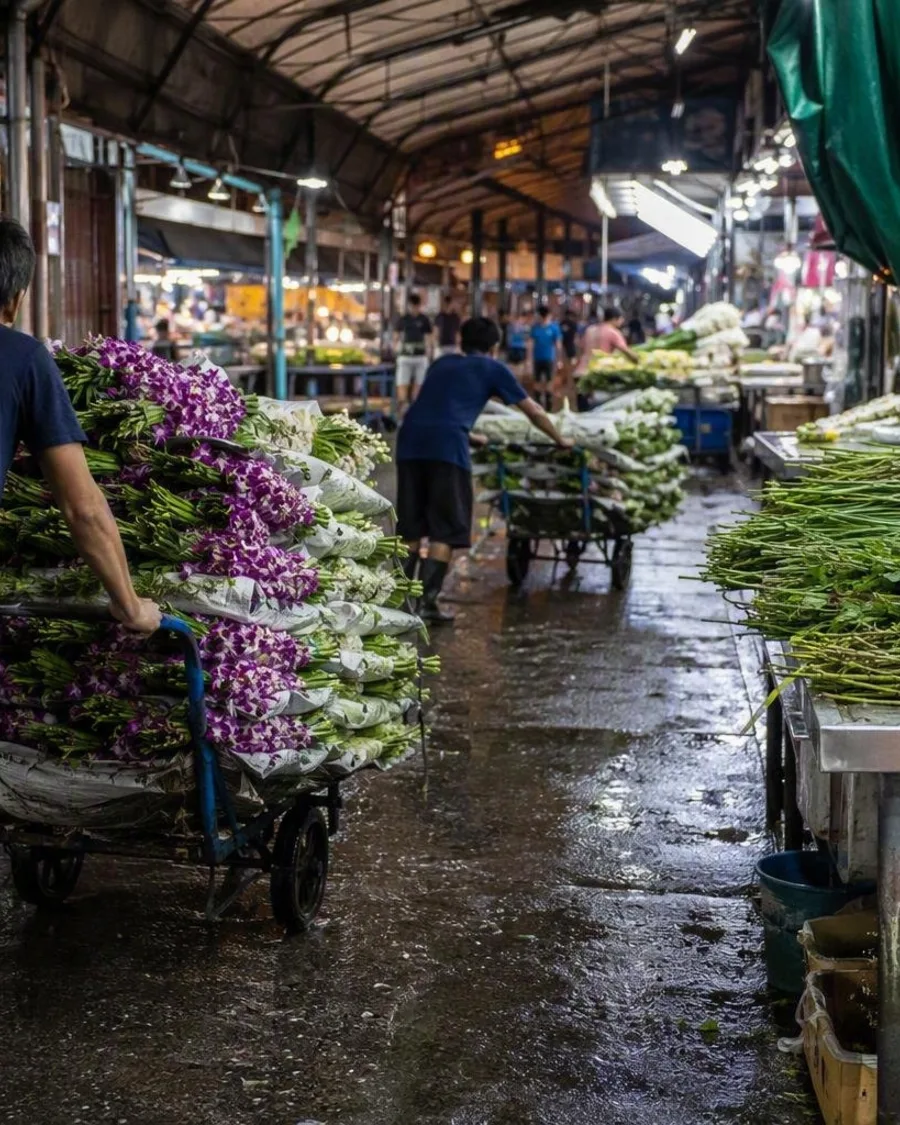
Pak Khlong Talat, near the river in the old city, remains Bangkok’s wholesale flower district. It is most active when flowers are being sorted and dispatched, rather than as a conventional daytime market. Chinatown’s Yaowarat area is a stronger choice for an evening food walk.
For weekend shopping, Chatuchak is a separate north-Bangkok outing, reached by BTS Mo Chit or MRT Chatuchak Park/Kamphaeng Phet. Do not try to combine it with the palace district on the same day.
Move efficiently
Use BTS and MRT whenever both ends of a trip are near a station. They are usually more predictable than road travel. The BTS connects Siam, Sukhumvit, Silom, Chatuchak and Saphan Taksin; the MRT is useful for Chinatown and the old-city edge, including Sanam Chai for Wat Pho and the palace area.
Take taxis or ride-hailing for station gaps, but allow extra time at peak traffic periods. Boats make the most sense for places on the river; they are not a substitute for rail elsewhere.
Practical rhythm
Plan outdoor temple visits early, then use the afternoon for museums, malls, a massage or a long meal. Carry small cash for markets, ferries and minor purchases, although cards are common in larger businesses.
At temples, remove shoes when required and keep voices low inside prayer halls. Treat the city as several linked districts: one focused day in the old city, one on rail-connected neighbourhoods, and a separate market day produces a far better trip than chasing landmarks across town.
From the magazine
Stories about Bangkok
Editorial stories linked directly to Bangkok.
Routes from our editors
Travel through Bangkok
Editorial routes connecting Bangkok with other countries, cities and hotspots.
No routes through Bangkok have been published yet.
More in Thailand
Related hotspots
Other cities, nature areas and places within Thailand.