Malaysia

Rainforest, limestone and street kitchens

Malaysia

Malaysia brings together busy peninsula cities, long-established food traditions and the rainforests of Borneo.

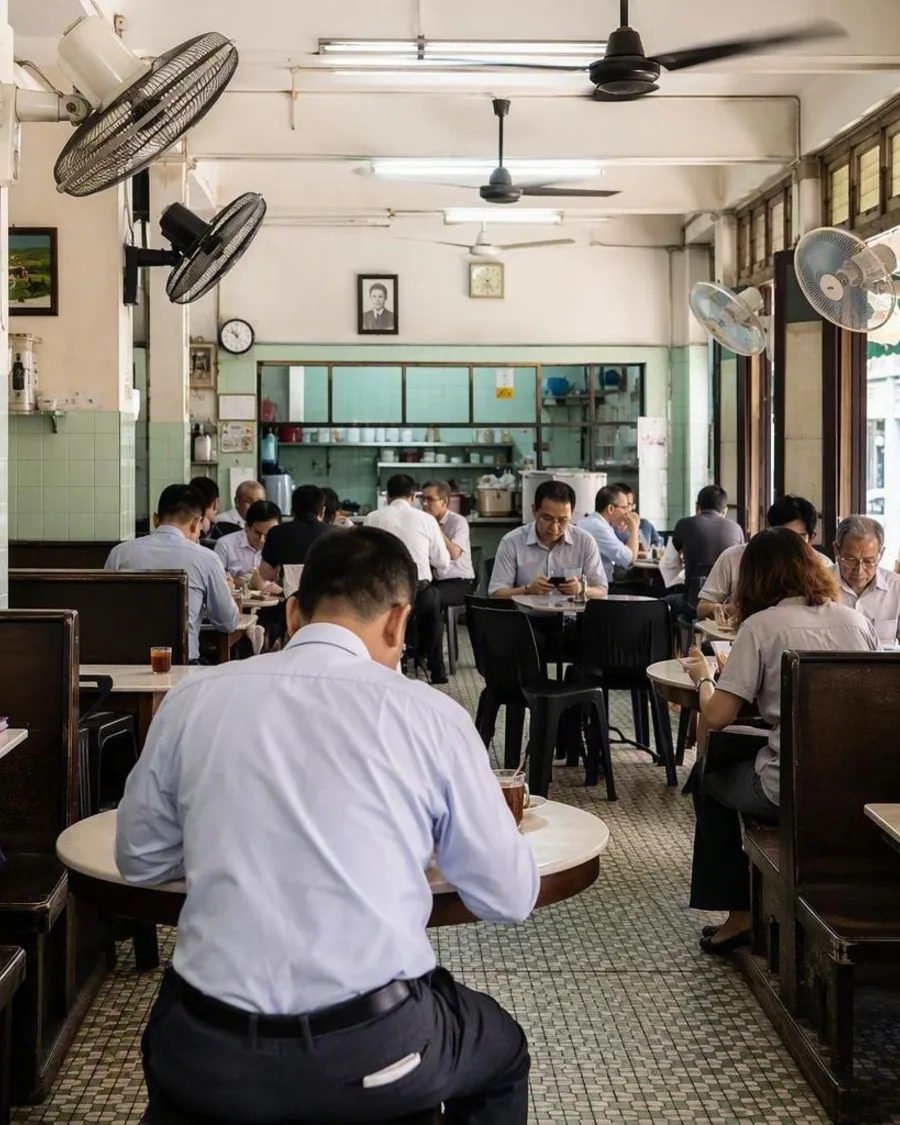
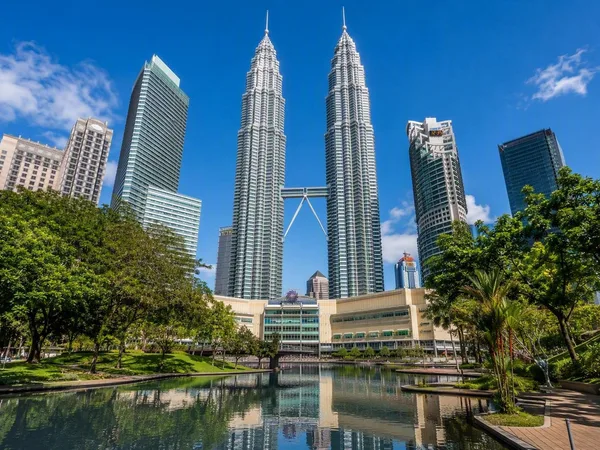
Kuala Lumpur offers a striking first look at Malaysia: the Petronas Towers rise above mosques, old Chinese shophouses and late-night food stalls. Malay, Chinese and Indian communities have shaped the city and its cooking over generations. At breakfast, vendors wrap nasi lemak in banana leaf and stretch roti canai beside hot curry. Hawker stalls serve laksa in versions that change from one state to the next. Beyond the capital, tea grows on the slopes of the Cameron Highlands, while fishing villages line the peninsula’s east coast.

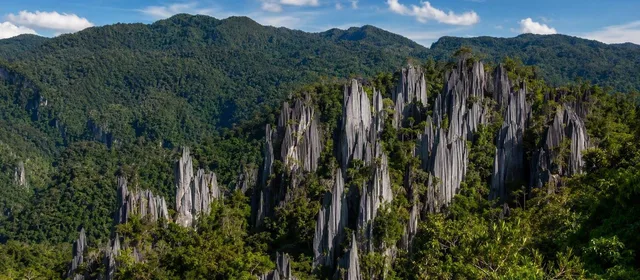
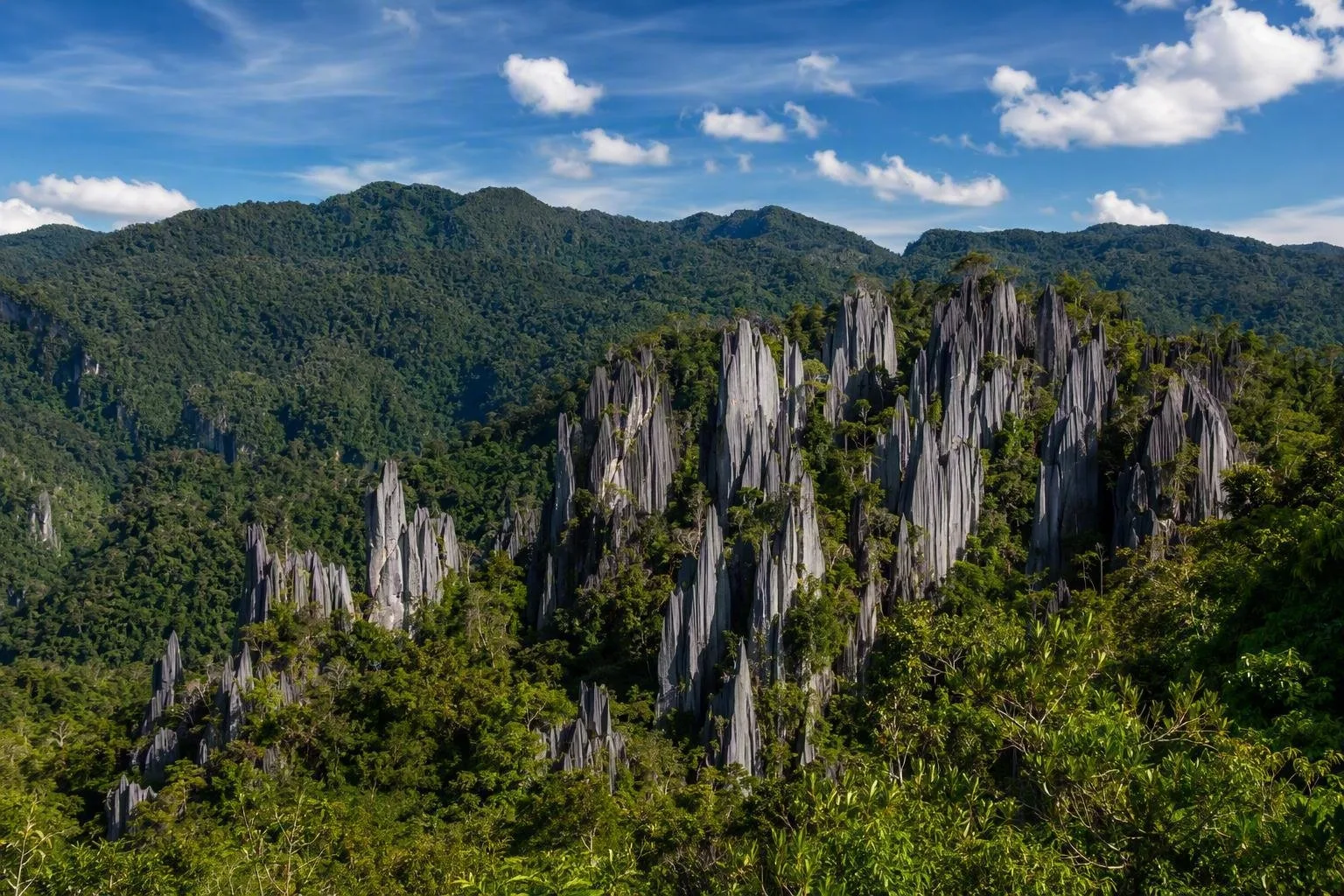
Sabah and Sarawak lie across the South China Sea on northern Borneo. Gunung Mulu National Park has limestone pinnacles above dense rainforest and vast caves below it. Along the Kinabatangan River, lowland forest supports orangutans, proboscis monkeys and hornbills. In Kuching, visitors can eat Sarawak laksa, walk the riverfront and visit museums that cover the region’s Indigenous cultures.

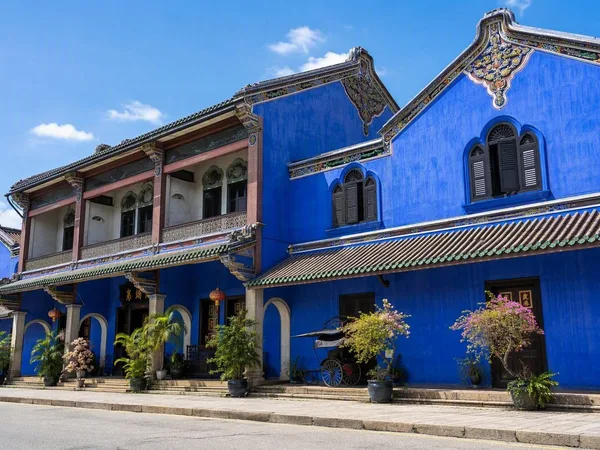
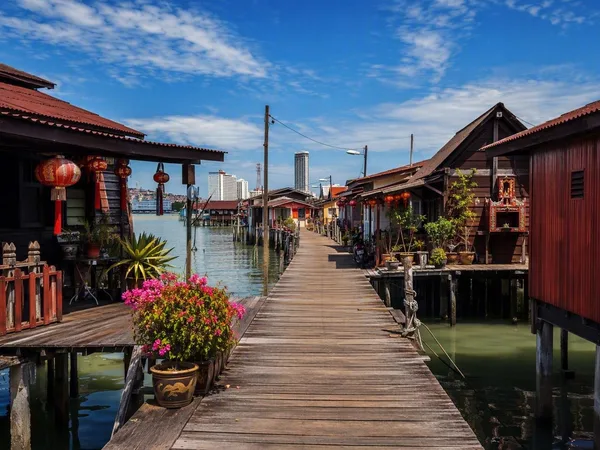
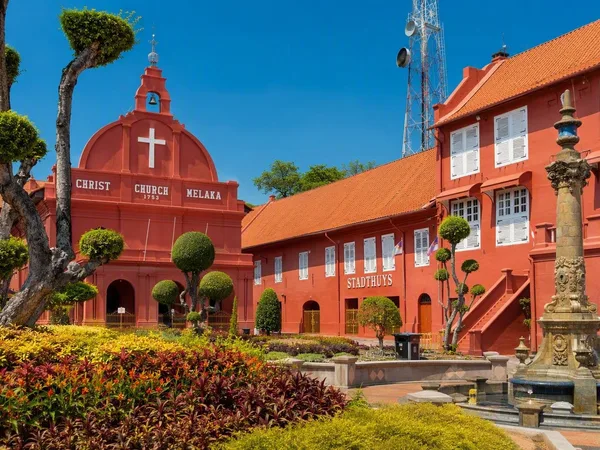
Penang and Melaka trace the peninsula’s trading past in more immediate detail. Clan houses, temples, mosques and colonial buildings stand close together in their historic centres. Local cooks prepare char kway teow, cendol and Nyonya dishes with recipes tied to place and family. Spend a little longer than planned in Malaysia. The towers, port towns, forests and food stalls each show a different part of the country.

When to go

Best time to travel

Monthly values are indicative average maximum temperatures for Kuala Lumpur. Temperatures, rainfall and seasonal patterns vary meaningfully between the peninsula, highlands, east coast and Malaysian Borneo. Monthly values are indicative average maximum temperatures for Kuala Lumpur. Temperatures, rainfall and seasonal patterns vary meaningfully between the peninsula, highlands, east coast and Malaysian Borneo.

jan32°C feb33°C mar33°C apr33°C may33°C jun33°C jul32°C aug32°C sep32°C oct32°C nov32°C dec32°C

Weather in the capital

Practical Malaysia

On every country page we show the current weather for the capital.

Kuala Lumpur
Morning25°Covercast
Afternoon30°Cthunderstorm
Evening27°Covercast
today31°C / 25°Chigh and low

Current forecast by Open-Meteo

Getting around

Domestic flights connect the peninsula with Sabah and Sarawak. Intercity buses serve most towns, while trains run along the peninsula’s west coast and on selected east coast routes.

Paying in Malaysia

Cards are common in cities and at larger businesses, but cash remains useful at markets, food stalls and on smaller islands. ATMs are widely available in urban areas.

Where to stay

Cities and resort areas have hotels across a range of budgets. Guesthouses, hostels, longhouses and national park lodges offer other options. Remote properties often need booking in advance.

Before you leave

Worth knowing

A practical starting point for your trip. Check current conditions and local information before you leave.

01

Calling code

Malaysia’s international calling code is +60.

02

Driving side

Drivers use the left side of the road.

03

Official language

Malay is the official language. English is widely used, especially in cities and visitor services.

04

Measurements

Malaysia uses the metric system, including kilometres, kilograms and degrees Celsius.

05

Tipping

Tipping is not a strong custom. Many restaurants and hotels add a service charge, so check the bill first.

06

Eating customs

Hawker centres bring independent food stalls together, and groups often share dishes. Halal-certified restaurants do not serve pork or alcohol.

07

Opening hours

Many offices open Monday to Friday, while malls and restaurants usually trade daily. Official weekends differ by state, with Friday–Saturday weekends in several states.

08

Mobile access

Prepaid SIM cards and eSIMs are widely available. Buyers must register with a passport or other accepted identification.

09

Kuala Lumpur transit

Kuala Lumpur’s MRT, LRT, monorail, commuter trains and buses form an integrated public transport network.

10

Ride-hailing

App-based ride-hailing is common in cities and provides an alternative to street taxis.

11

Shoes indoors

Remove shoes before entering homes and at mosques, temples and other places where signs or hosts request it.

12

Island connections

Ferries and speedboats connect mainland ports with many islands. Departure piers and operators differ by destination.

Cities and hotspots

Places worth saving

From city to nature reserve: places with stories, facts and tips.