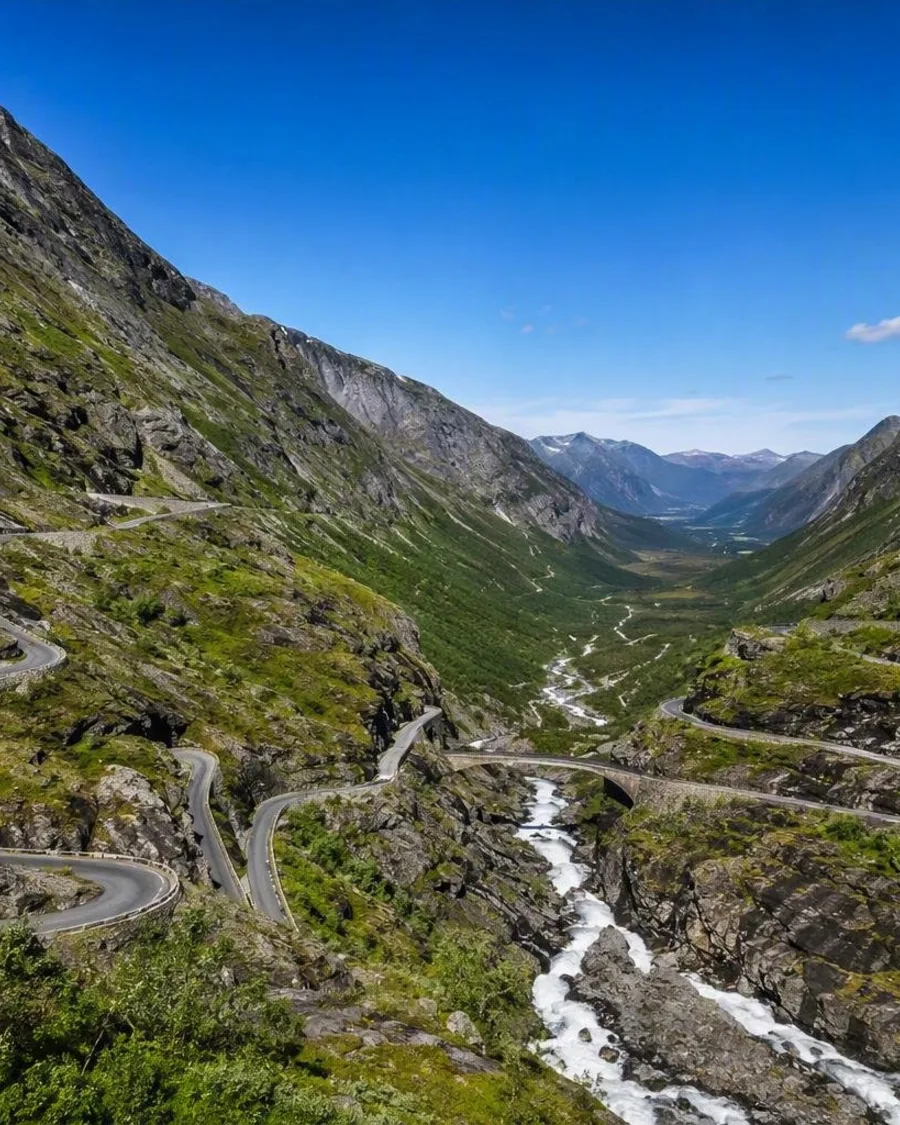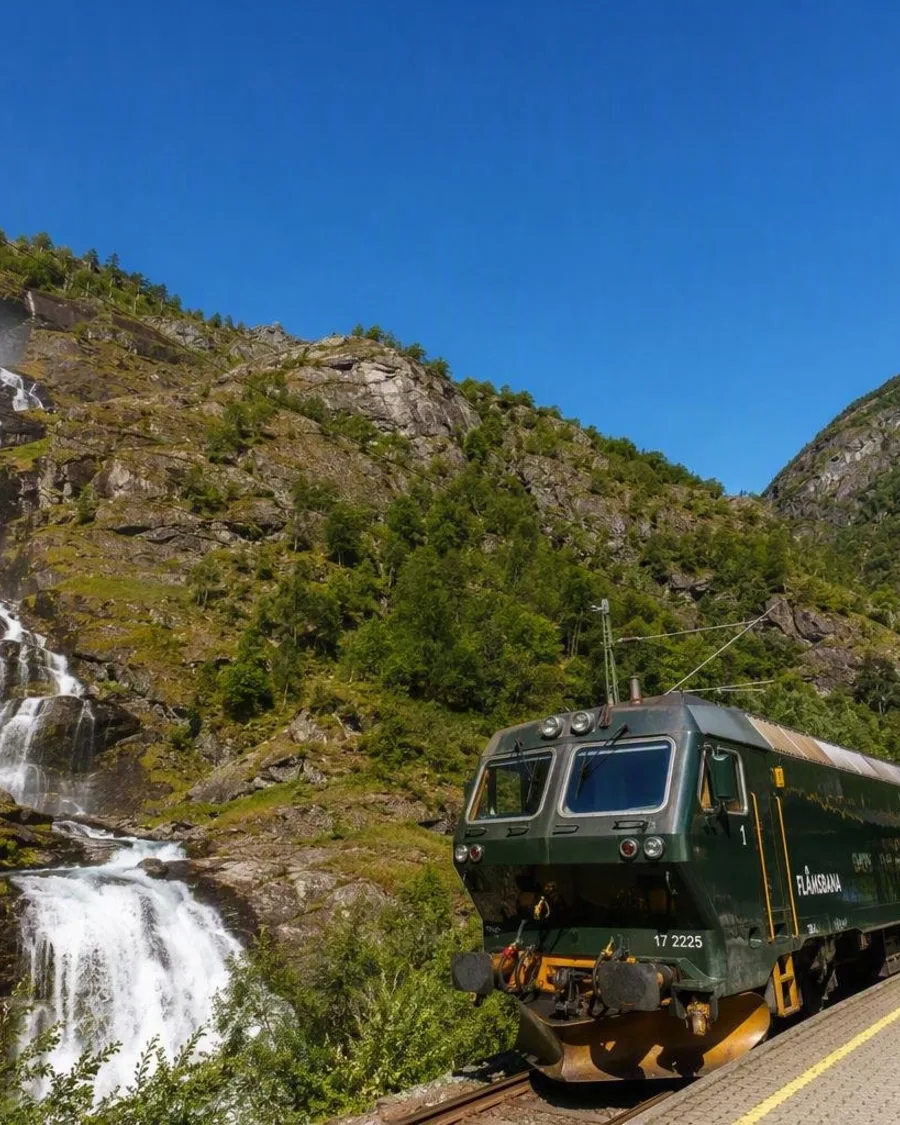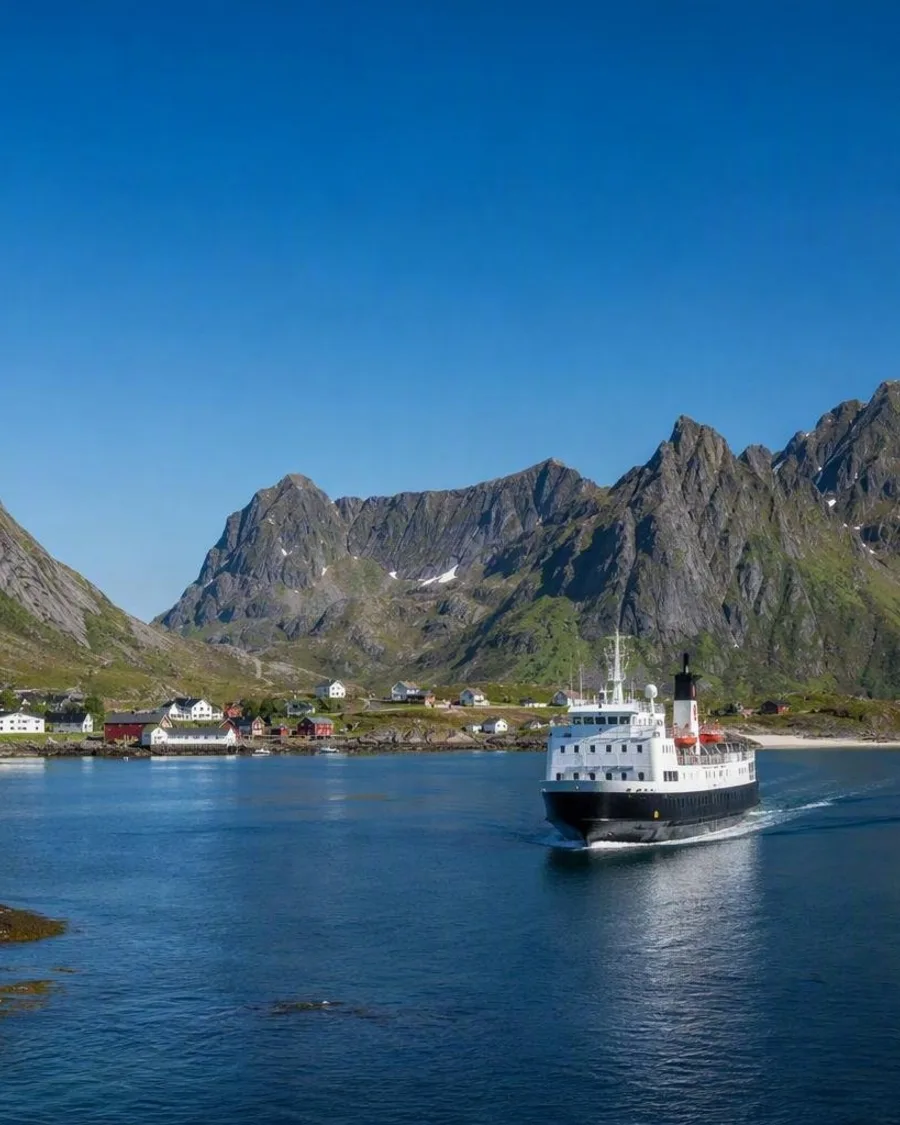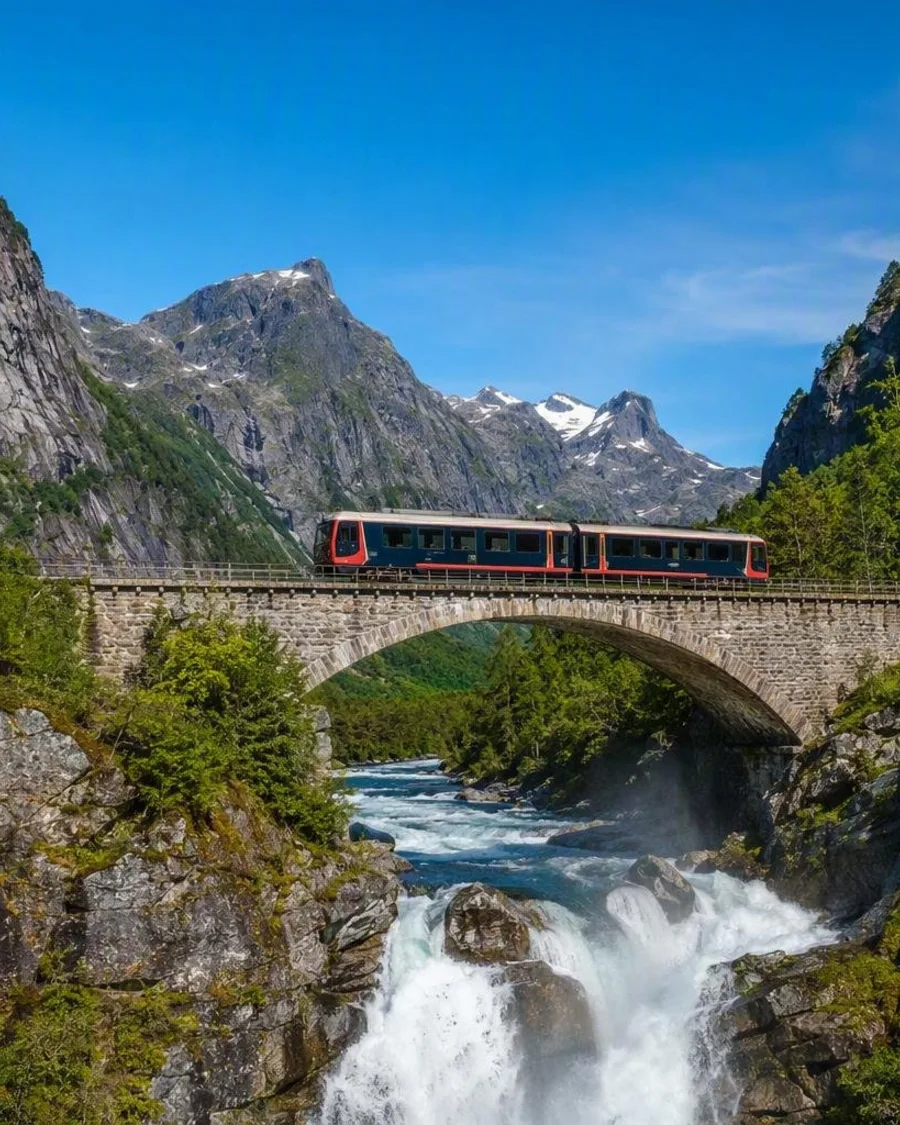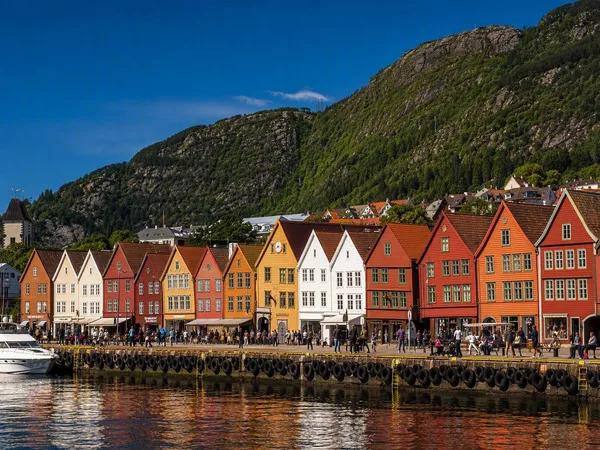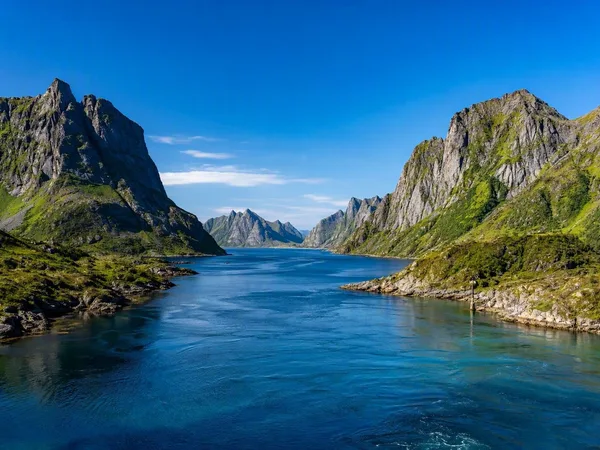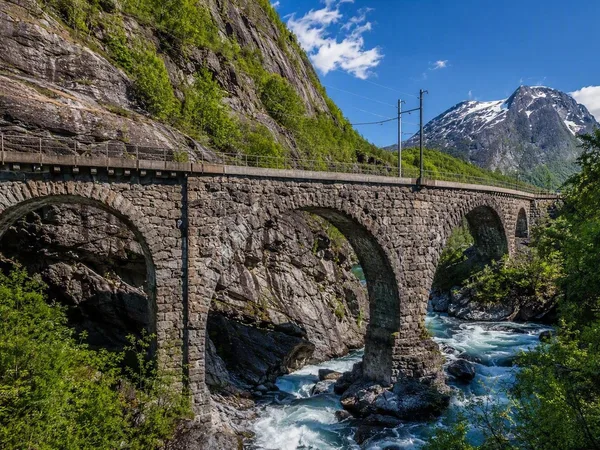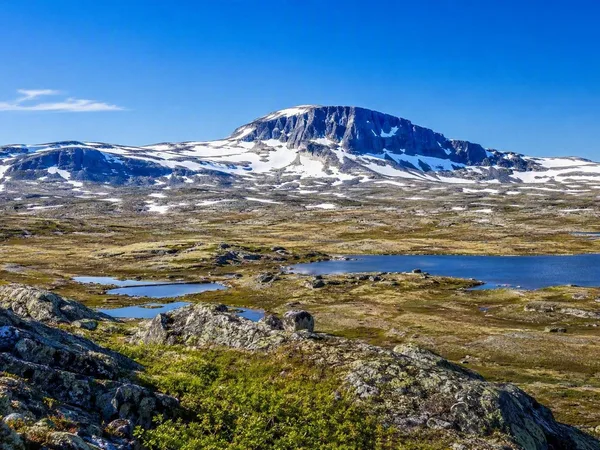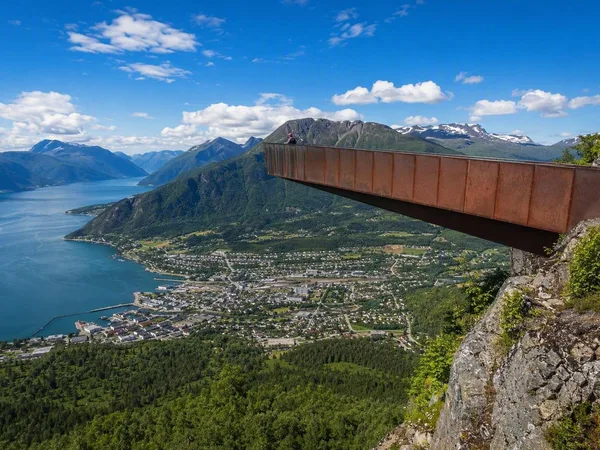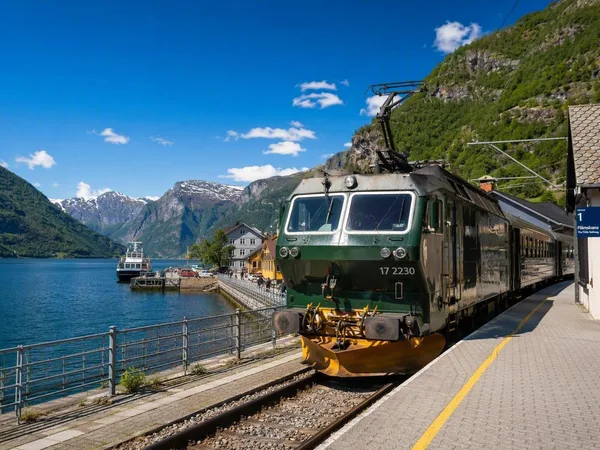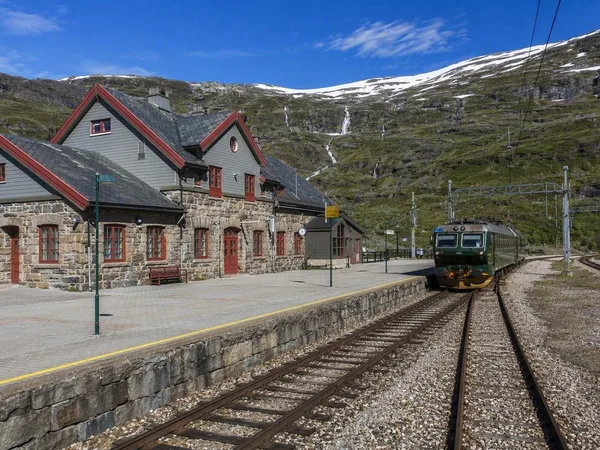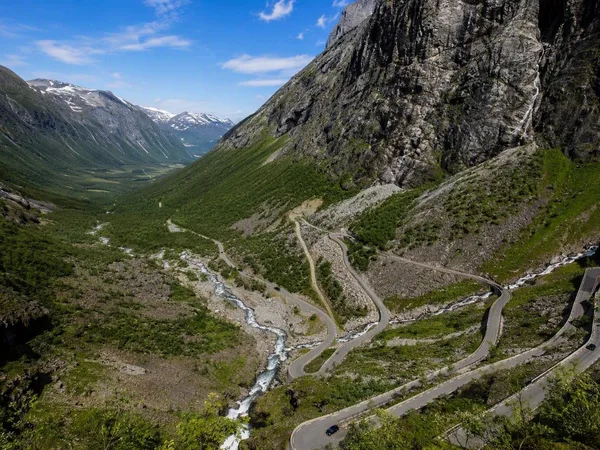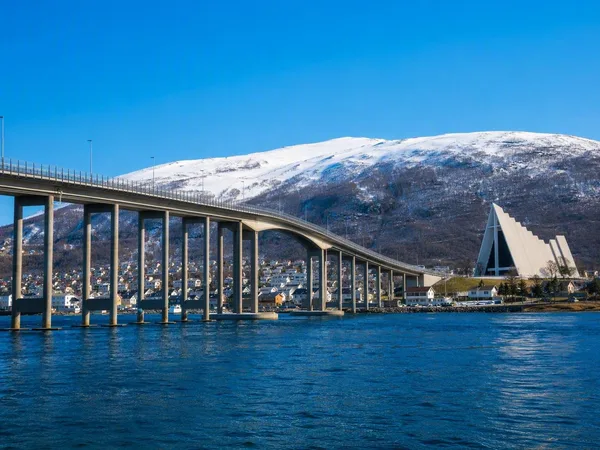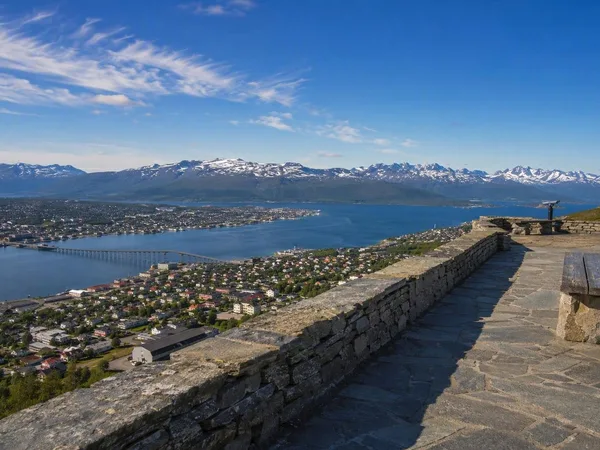
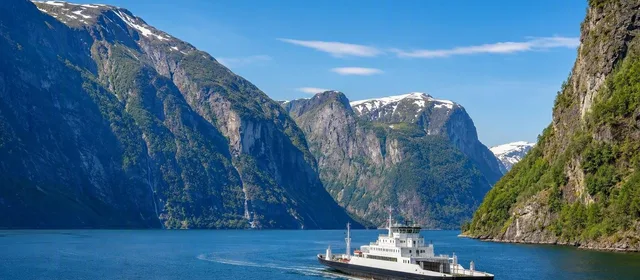
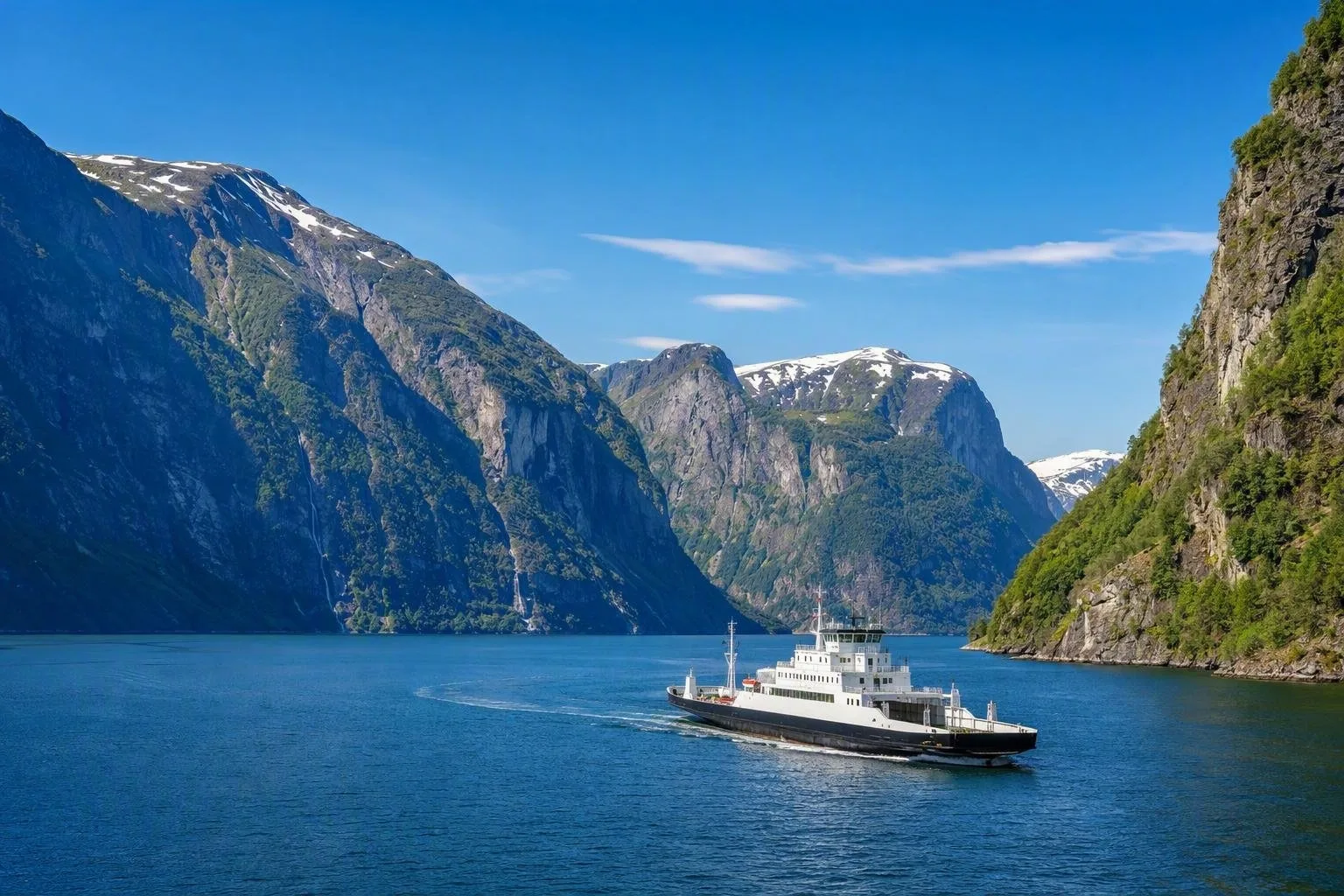
On Norway’s west coast, mountainsides fall straight into dark fjords. Glaciers and rivers have cut valleys below the snowfields, and people built fishing villages, ferry quays and small farms wherever the shore allowed. Bergen’s wooden wharves face a busy harbour; farther north, boats still link islands and mainland villages. East of the mountains, Oslo spreads along a gentler fjord. Metro trains reach neighbourhoods close to forest trails, and skiers head out from the city when winter snow arrives. Hydropower stations use mountain water, ferries carry cars across fjords, and marked paths lead to cabins that families use at weekends. These are everyday parts of life, not scenery kept apart from it.
Bergen’s Bryggen recalls the Hanseatic trade in dried cod, with narrow timber warehouses lining the old waterfront. At Borgund, a stave church shows what medieval builders could do with pine: steep roofs, carved portals and a frame held together without nails. In the north, Sámi languages, crafts and reindeer herding remain central to Sápmi, which extends across Norway’s borders into Sweden, Finland and Russia.
Coastal kitchens serve cod, halibut and shellfish. Inland meals often feature lamb, game, berries and brown whey cheese. Restaurants in Oslo, Trondheim and Tromsø use those ingredients in straightforward modern cooking. Take a local ferry rather than only a sightseeing boat, walk an old harbour after the day boats return, and visit a museum that names the fishers, traders, builders and Sámi communities behind the exhibits. Then settle in for a meal or a coffee and give the country time to show its quieter side.