
City · Norway
Bergen
Bergen is a historic port city on Norway’s west coast, set between seven mountains. Its compact centre joins the Hanseatic wharf of Bryggen, harbour life, museums and direct access to mountain trails.
Start at Vågen harbour
Bergen’s centre is built around Vågen, the harbour inlet. It is a practical base: Bryggen runs along the north-eastern waterfront, the Fish Market sits near the head of the harbour, and the lower station of the Fløibanen funicular is a short walk away.
The city grew into a major trading port; by the mid-14th century it was one of the Hanseatic League’s four overseas trading offices. Bergen is still shaped by that seafaring history, but it works best as a walkable city rather than a checklist of distant sights.
Bryggen: the essential historic quarter
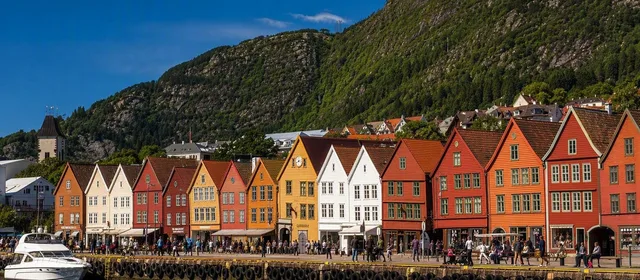
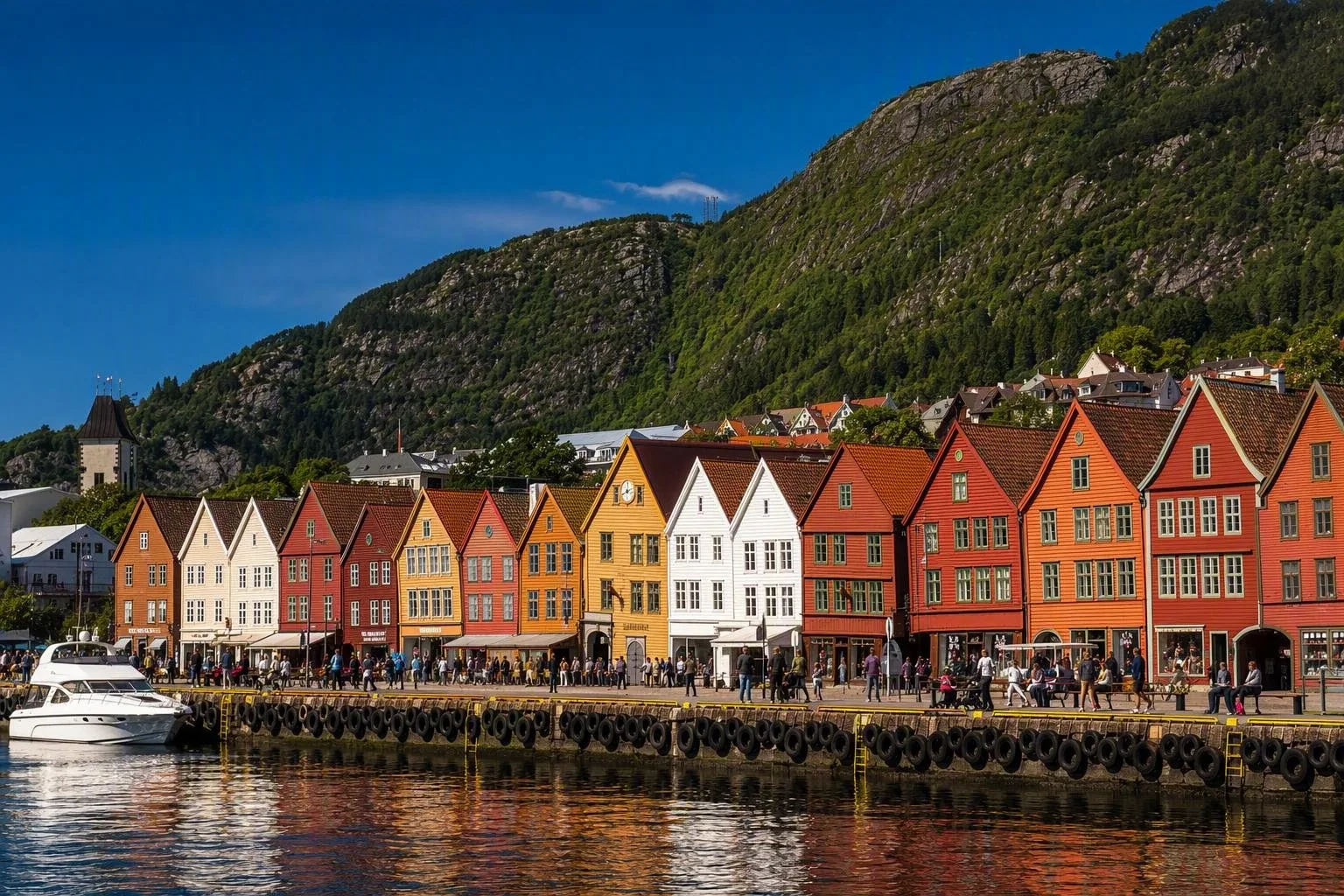
Bryggen is the row of timber buildings facing the harbour and Bergen’s World Heritage site. The present appearance largely dates from rebuilding after the 1702 fire, following the earlier plot pattern and construction traditions. Walk past the façades, then go into the narrow passages behind them: this is where the compact layout of the former Hanseatic quarter is clearest.
The quarter now contains workshops, galleries, shops, cafés and museums. Its wooden passages and buildings are part of a living, protected historic environment.
Important: Bryggen is private property as well as a heritage site. Do not enter private areas, and smoking is not permitted in the Bryggen area.
Mountains and culture
For the quick city overview, take the Fløibanen from the centre to Mount Fløyen. The funicular runs year-round and takes about six minutes; from the top, trails lead into the mountain landscape above the city. Mount Ulriken, at 643 metres, is the highest of Bergen’s seven mountains and is reached by cable car or on foot.
Back in town, KODE’s central museum buildings stand beside Lille Lungegårdsvann and hold major collections of Norwegian art, including works by Edvard Munch. For music history, Troldhaugen—Edvard Grieg’s former home—is outside the centre and is accessible by public transport.
Arriving and getting around
Bergen Station is the western terminus of the Bergen Line from Oslo; the train journey takes about seven hours. From Bergen Airport Flesland, use the airport bus for the faster public-transport option or Bybanen light rail for a direct route into the centre.
Within central Bergen, walk. Bryggen, the Fish Market and Fløibanen are close together, and buses or light rail make more sense for sights beyond the harbour. Buy light-rail tickets before boarding; they are not sold onboard.
Weather and timing
Rain is routine in this city between the mountains, so bring a waterproof outer layer and footwear suitable for wet paving. On mountain walks, weather can change quickly: use marked paths and choose a route that matches conditions.
Summer brings the longest days and the busiest harbour areas. In busy periods, visit Bryggen or Fløyen outside the middle of the day for more room on the waterfront and trails.
From the magazine
Stories about Bergen
Editorial stories linked directly to Bergen.
Eight Journeys Where the Way There Is the Point
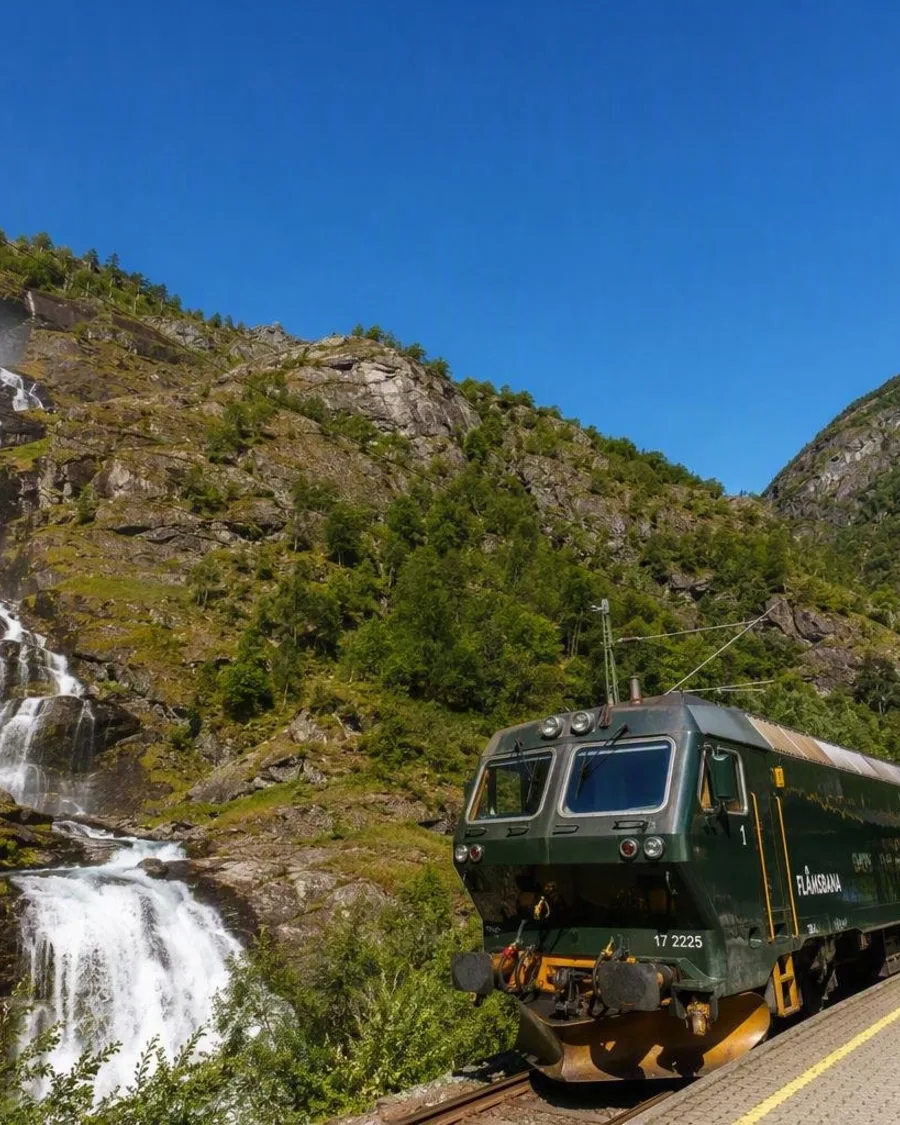
At Myrdal, the Flåm Railway leaves Norway’s main line and begins an 866-metre descent towards the fjord. Tunnels, ledges and tight curves make the movement downhill more compelling than the arrival.
Seven European train routes where the railway is the destination
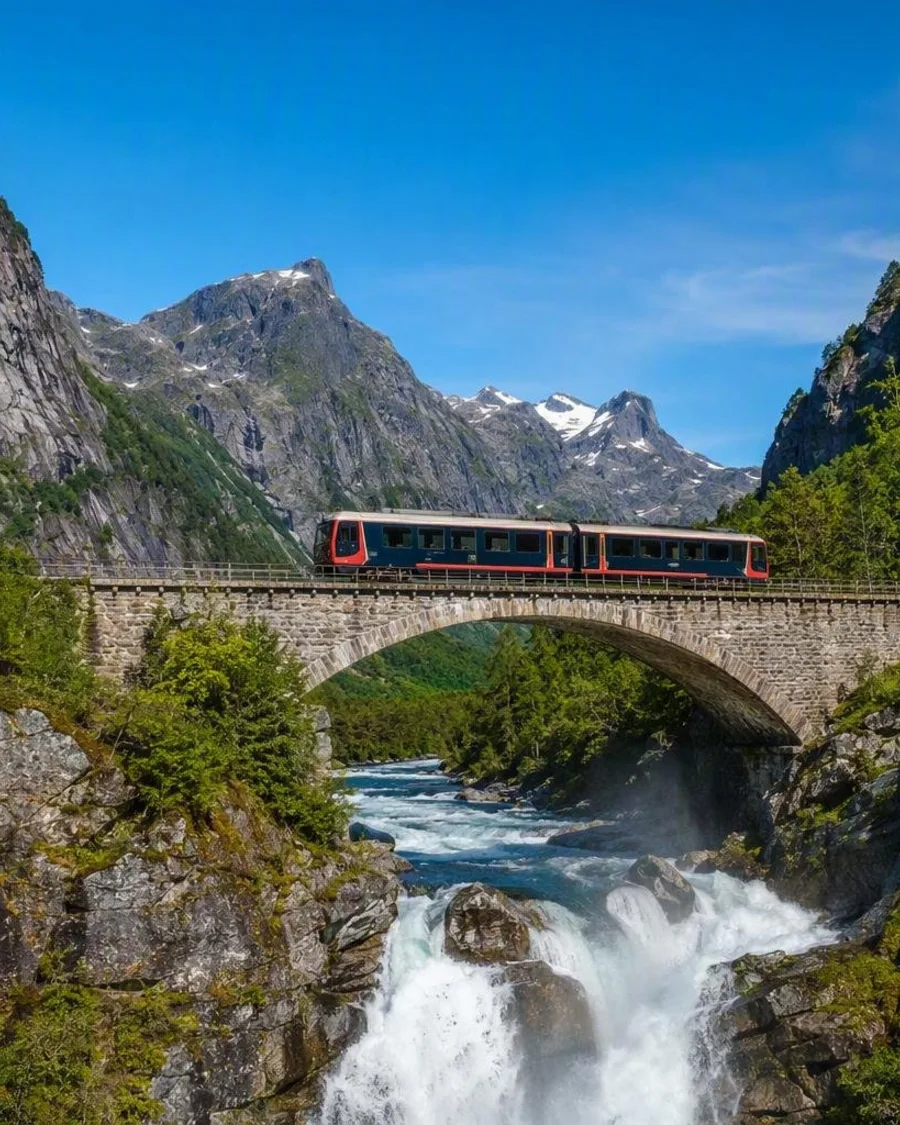
Above Vermafossen, a regular train crosses the stone Kylling Bridge before dropping between the rock walls of Romsdal. These seven lines put landscape, railway construction and ordinary public transport in the same frame.
Routes from our editors
Travel through Bergen
Editorial routes connecting Bergen with other countries, cities and hotspots.
No routes through Bergen have been published yet.
More in Norway
Related hotspots
Other cities, nature areas and places within Norway.
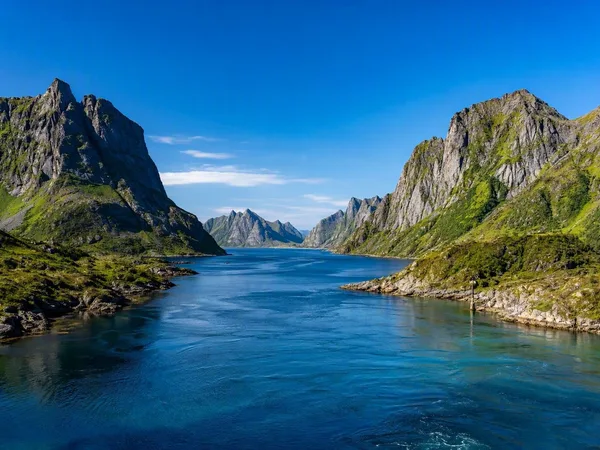
Lofoten
2 linked stories and routes
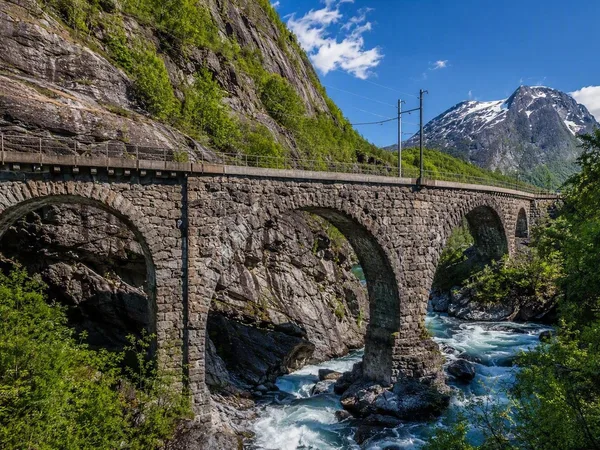
Romsdal, Norway
1 linked stories and routes
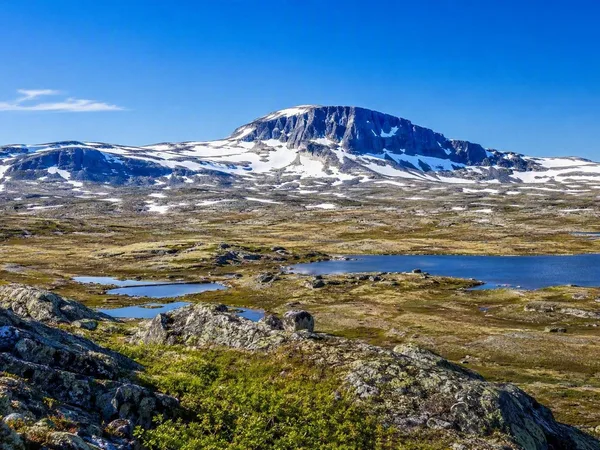
Hardangervidda
1 linked stories and routes
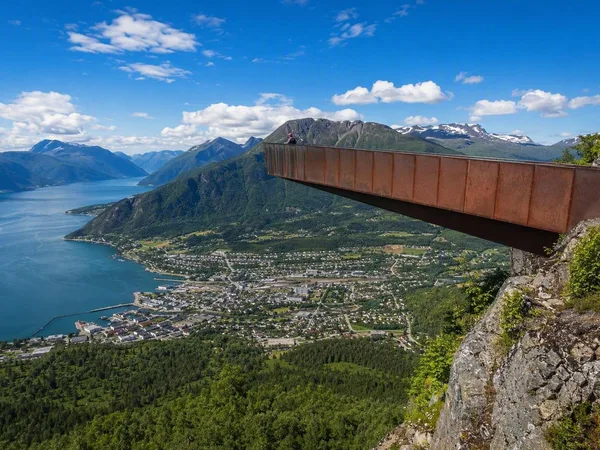
Åndalsnes
1 linked stories and routes
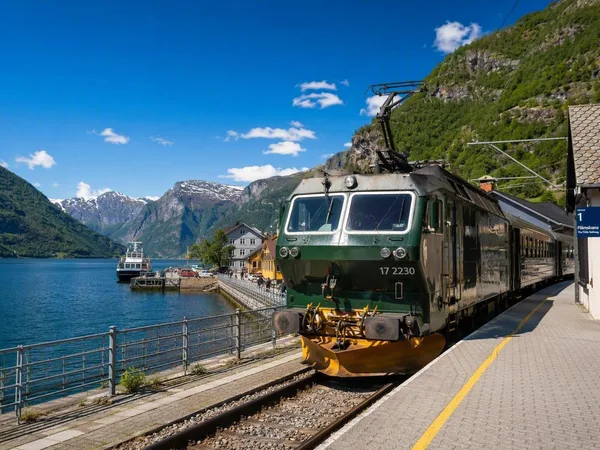
Flåm
1 linked stories and routes
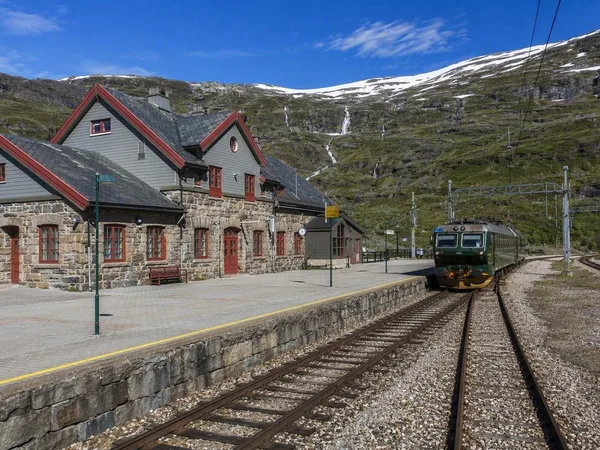
Myrdal
1 linked stories and routes
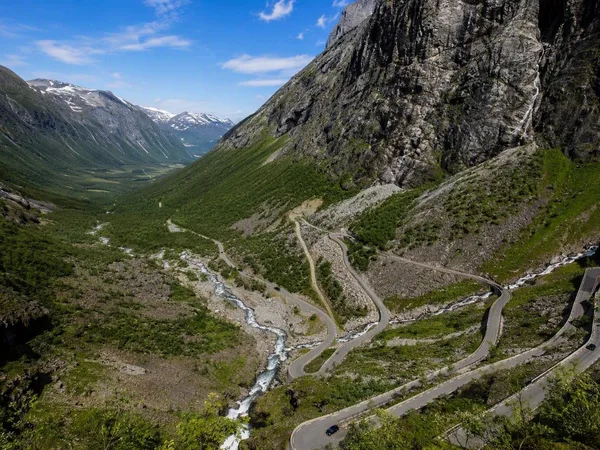
Trollstigen
1 linked stories and routes
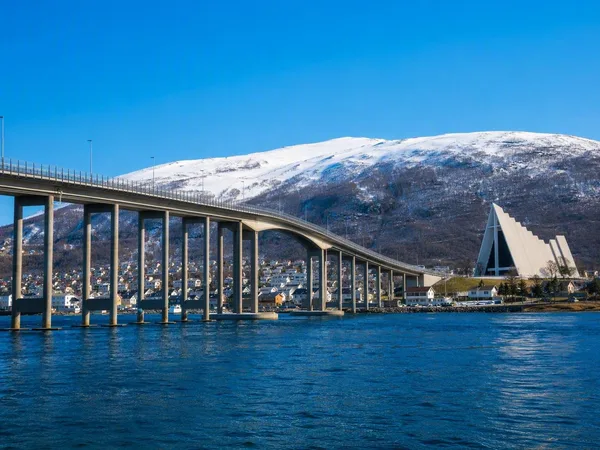
Tromsø
1 linked stories and routes
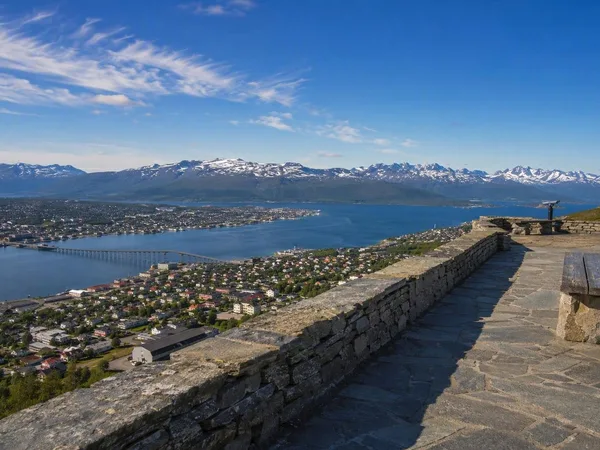
Storsteinen
1 linked stories and routes