
Island · Norway
Lofoten
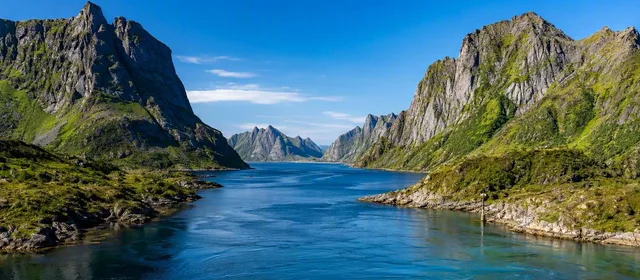
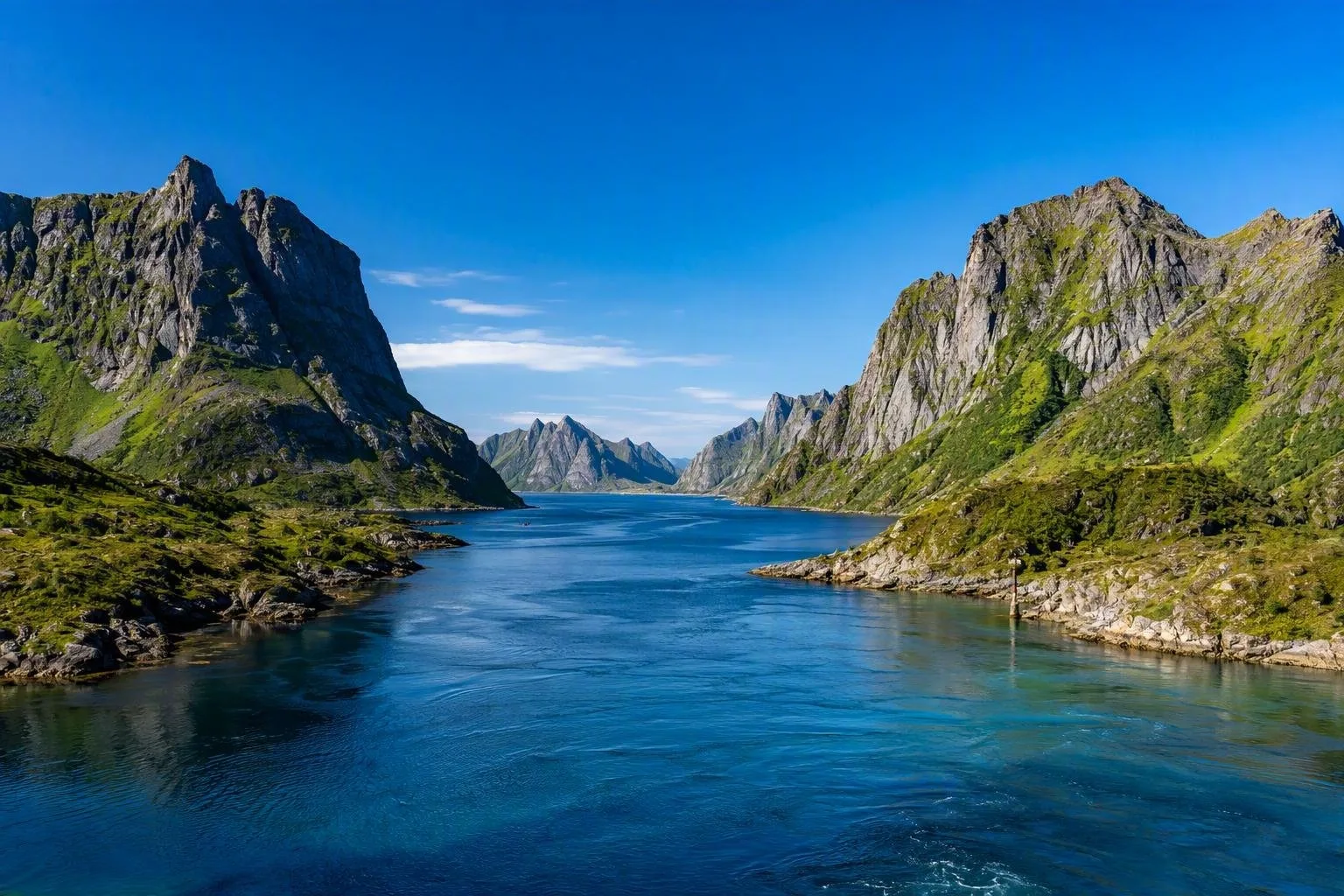
Lofoten is an Arctic archipelago in Nordland, northern Norway, where steep mountains, fishing settlements and beaches meet the Norwegian Sea. The island chain lies just above the Arctic Circle.
Orientation
Lofoten is a long island chain off northern Norway, with the Vestfjord on its southeast side and open sea to the northwest. Its main settlements include Svolvær in the east, Leknes in the centre and Reine towards the southwest. Mountains rise sharply above narrow fjords, sheltered harbours and strips of coastal road; this is a place best approached as a sequence of islands rather than a single town.
The E10 is the spine of the road-connected islands. Værøy and Røst, farther southwest, require boat or air connections and should be planned as separate extensions.
Drive the island chain
The Norwegian Scenic Route Lofoten runs from Raftsundet in the north to Å in the south. It follows fjords and headlands, with detours to places including Henningsvær, Nusfjord, Vikten, Unstad, Eggum and Uttakleiv. The signed route is about 230 kilometres before detours.
Use the route for the landscape, not speed. Allow at least two days for its principal stops; a longer stay makes room for beaches, fishing villages and short walks without turning every stop into a drive-by.
What to see
Fishing settlements: Svolvær is a practical eastern base and harbour town. Henningsvær occupies small islands joined by bridges. Reine, near the southern end of the road network, is a useful point for boats into the Reinefjord area.
Coast and mountains: The beaches around Gimsøy, Uttakleiv, Unstad, Eggum and Laukvika offer sea-level views of Lofoten’s peaks. For a higher perspective, Reinebringen on Moskenesøya and Himmeltinden on Vestvågøya are established mountain objectives; both demand appropriate conditions and experience.
History: At Borg on Vestvågøya, Lofotr Viking Museum stands at the site of a confirmed Viking Age chieftain’s farm and includes a reconstruction of an 83-metre longhouse.
Arriving and getting around
The car ferry from Bodø serves Moskenes via Værøy and Røst. A passenger express boat links Bodø and Svolvær; bicycles can travel, but not cars. Svolvær and Leknes also provide air access, while E10 connects Lofoten with the mainland.
A car gives the widest reach on the main islands. Buses cover parts of the archipelago, but are less flexible for beaches, trailheads and route detours. In summer, reserve ferry space in advance where possible; popular sailings can queue, and summer schedules generally have more departures than winter ones.
Light, weather and mountain care
Summer brings the midnight sun. From roughly mid-April to late August, darkness is insufficient for northern lights; aurora viewing returns in the darker season, though clear skies are still essential.
Weather and road conditions can change quickly. On mountain routes, turn back if conditions, daylight or ability do not match the terrain. Use marked parking and leave coastal and mountain ground as you found it.
From the magazine
Stories about Lofoten
Editorial stories linked directly to Lofoten.
Eight Journeys Where the Way There Is the Point
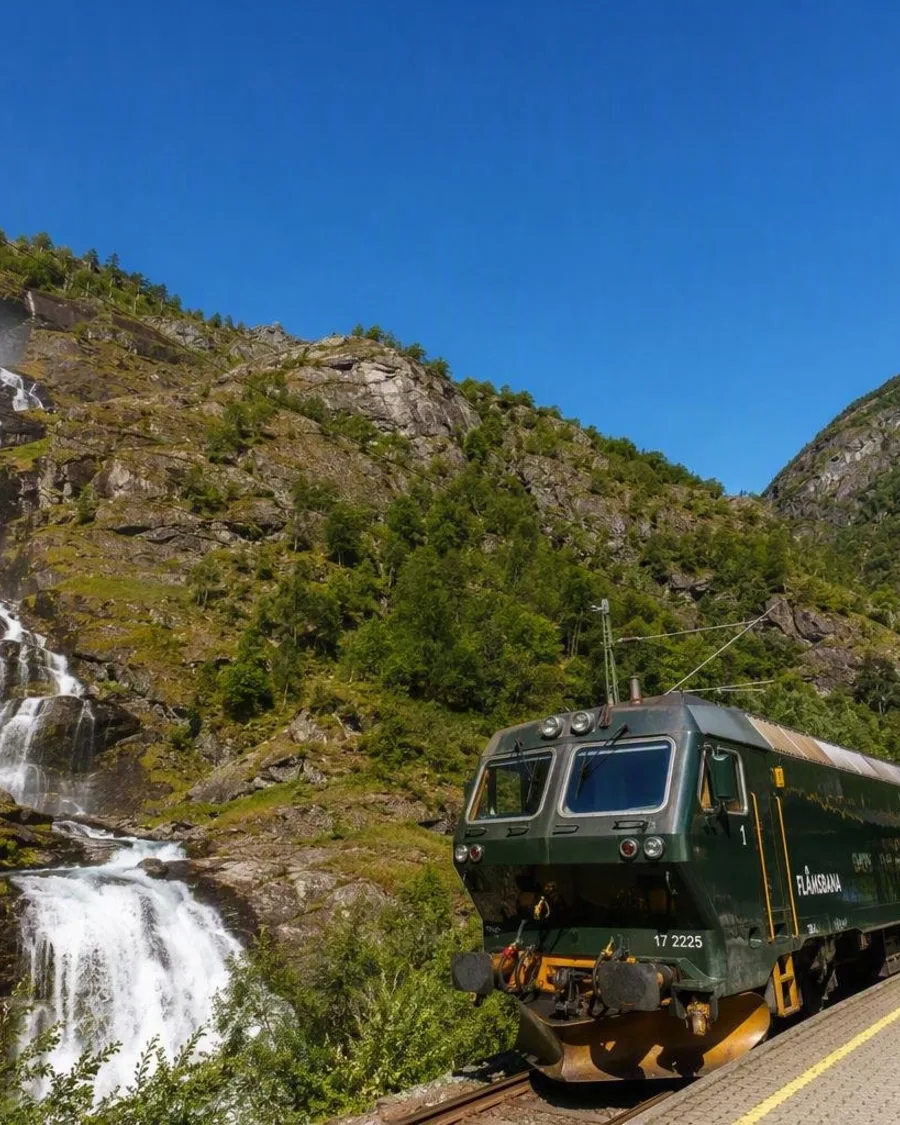
At Myrdal, the Flåm Railway leaves Norway’s main line and begins an 866-metre descent towards the fjord. Tunnels, ledges and tight curves make the movement downhill more compelling than the arrival.
Eight archipelagos where the boat still matters
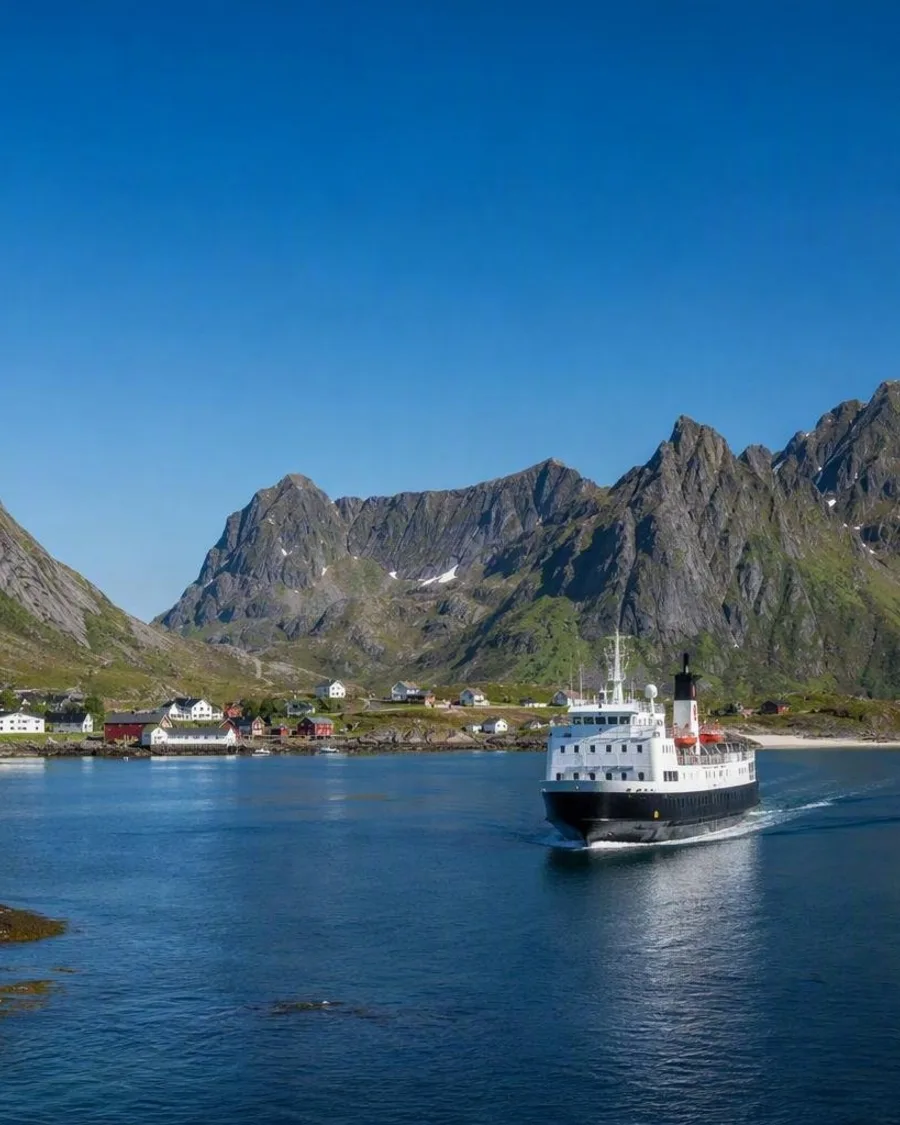
A ferry from Bodø reaches Lofoten beneath granite ridges that rise almost straight from the Norwegian Sea. Across these eight archipelagos, ferries, island flights, small launches and expedition ships make arrival part of the place.
Routes from our editors
Travel through Lofoten
Editorial routes connecting Lofoten with other countries, cities and hotspots.
No routes through Lofoten have been published yet.
More in Norway
Related hotspots
Other cities, nature areas and places within Norway.
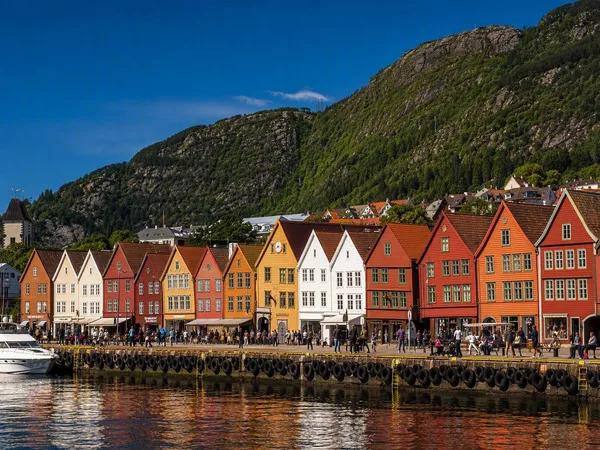
Bergen
2 linked stories and routes
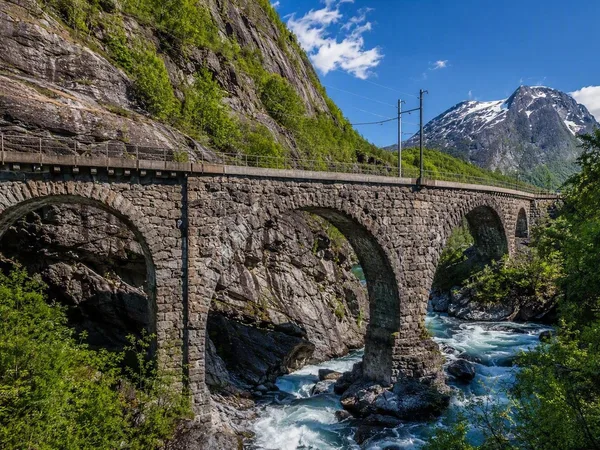
Romsdal, Norway
1 linked stories and routes
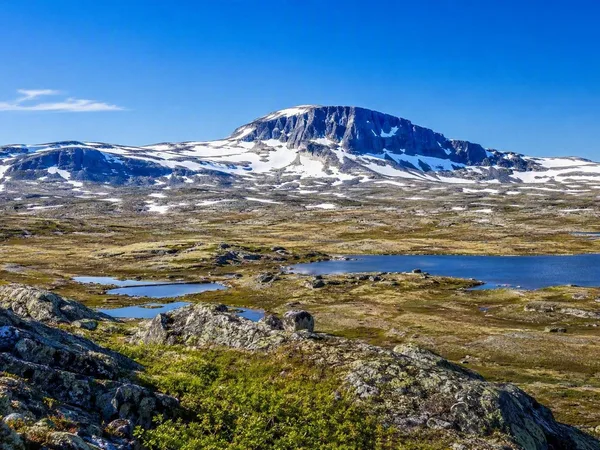
Hardangervidda
1 linked stories and routes
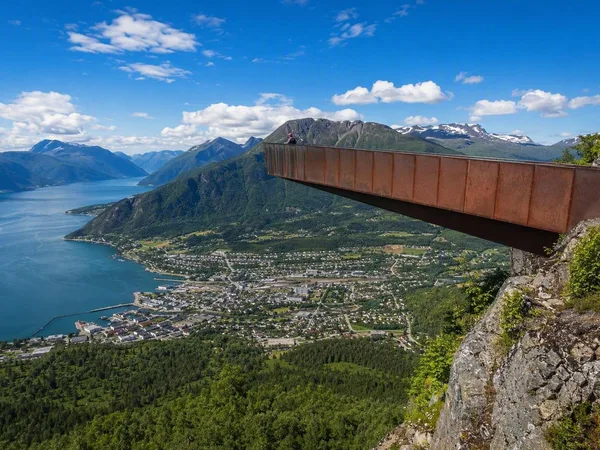
Åndalsnes
1 linked stories and routes
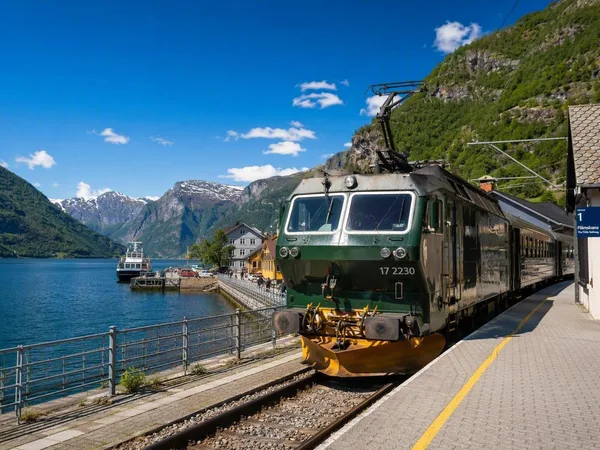
Flåm
1 linked stories and routes
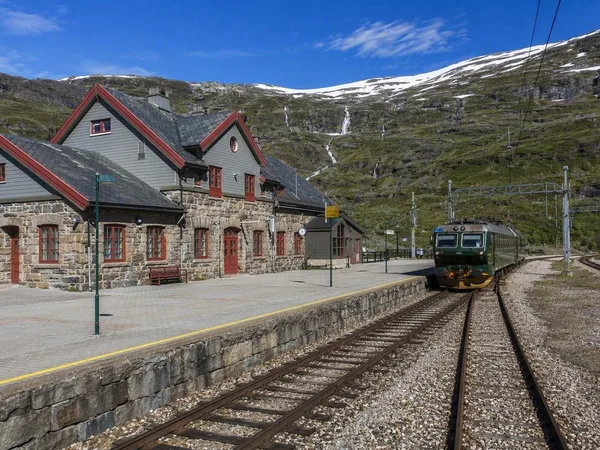
Myrdal
1 linked stories and routes
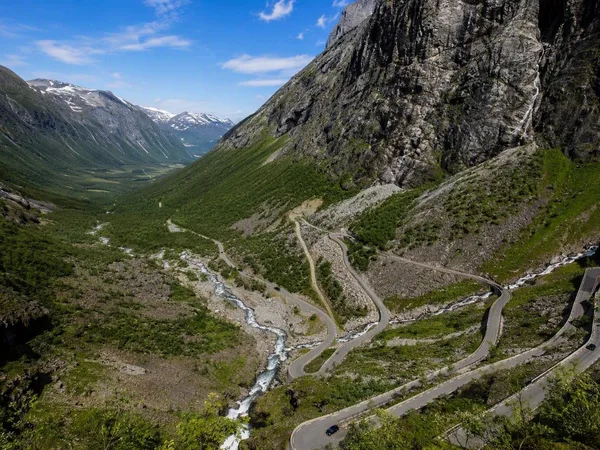
Trollstigen
1 linked stories and routes
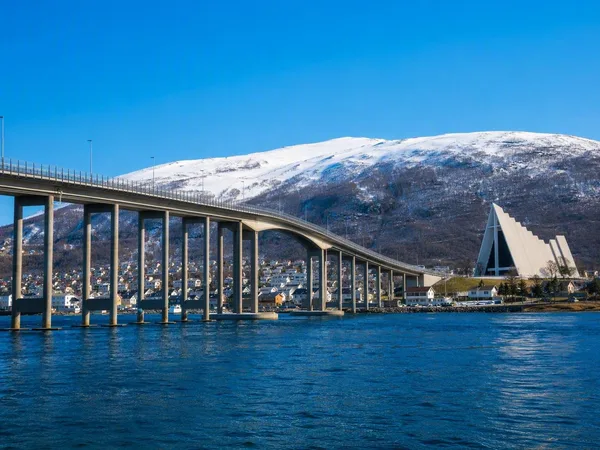
Tromsø
1 linked stories and routes
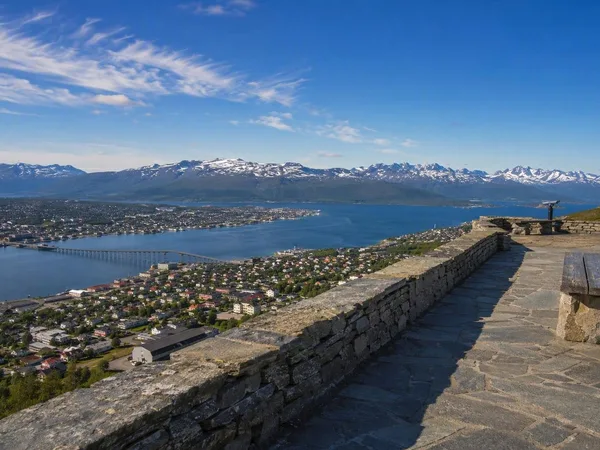
Storsteinen
1 linked stories and routes