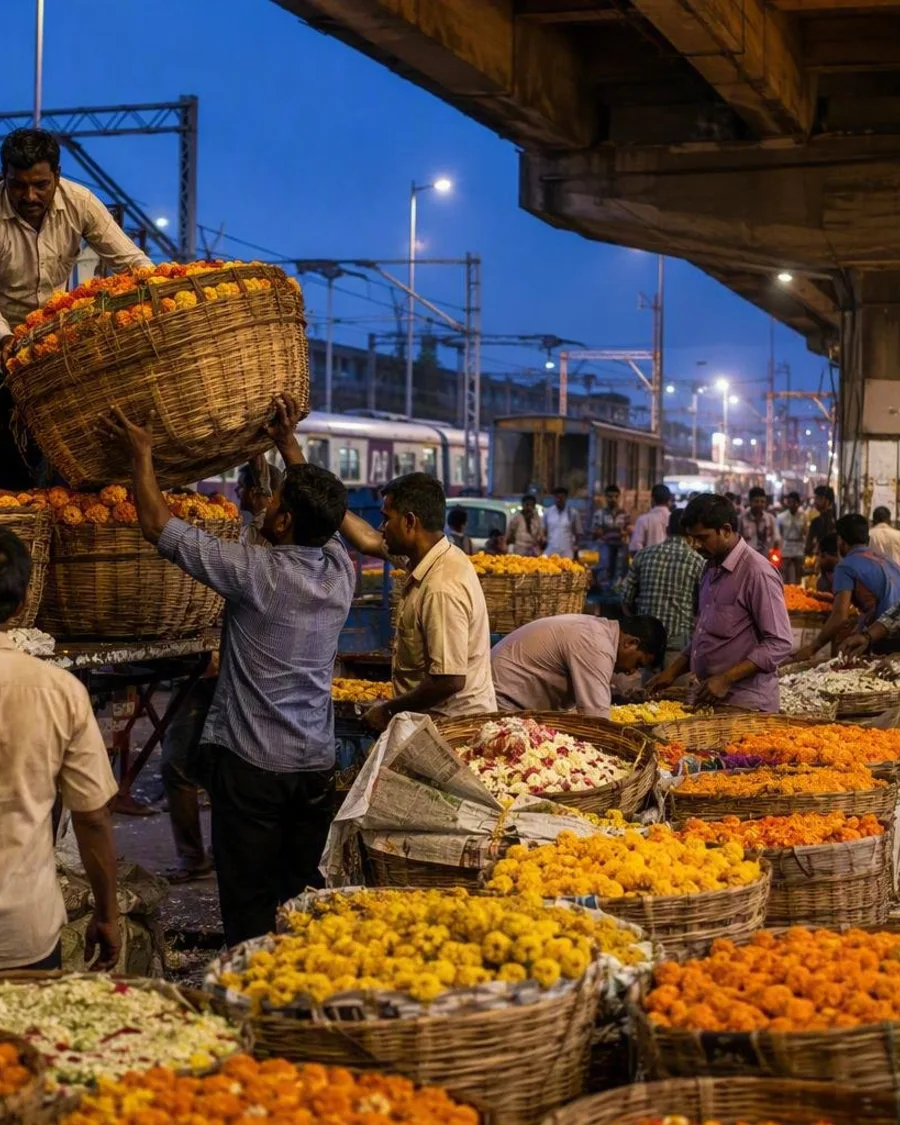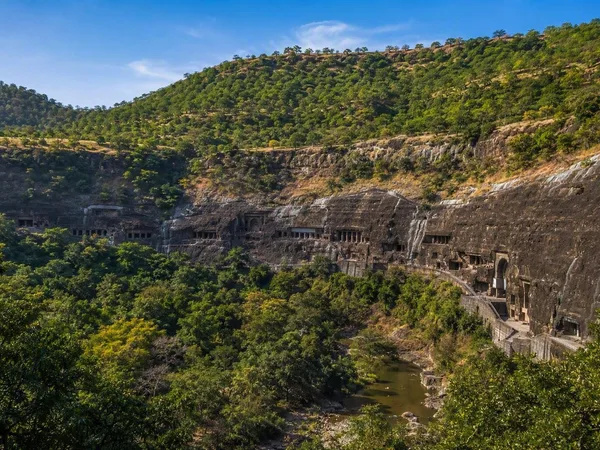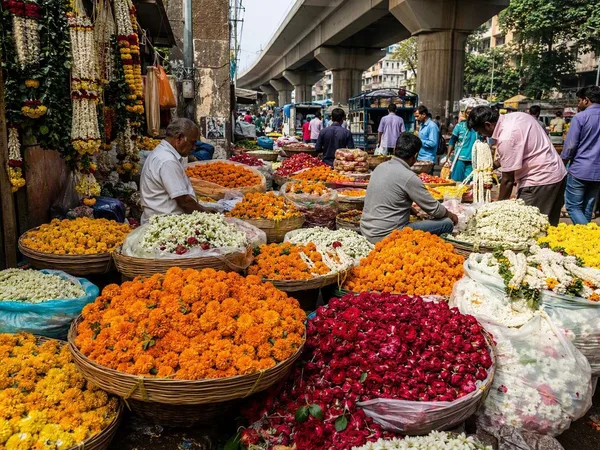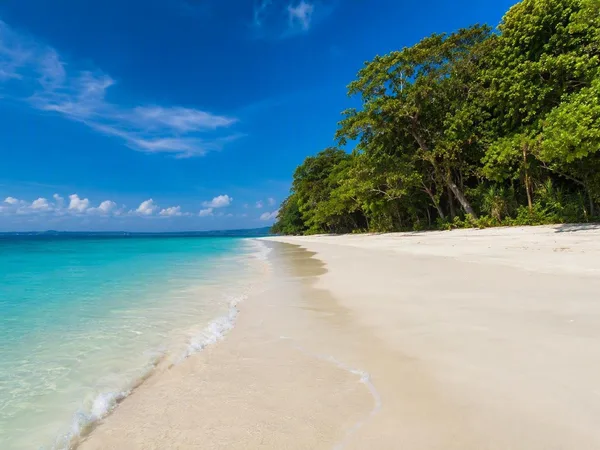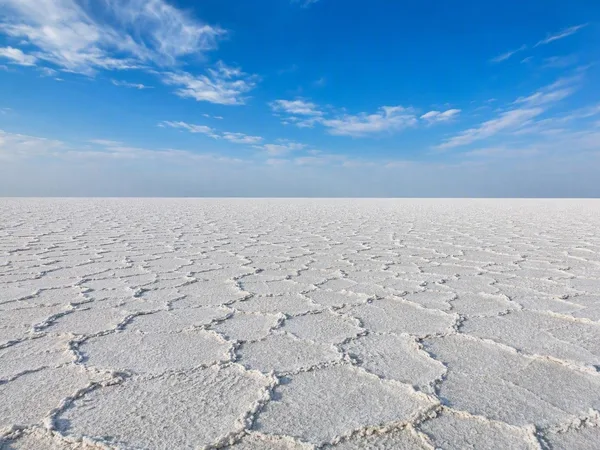
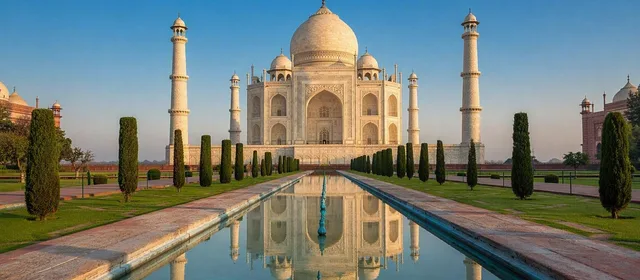
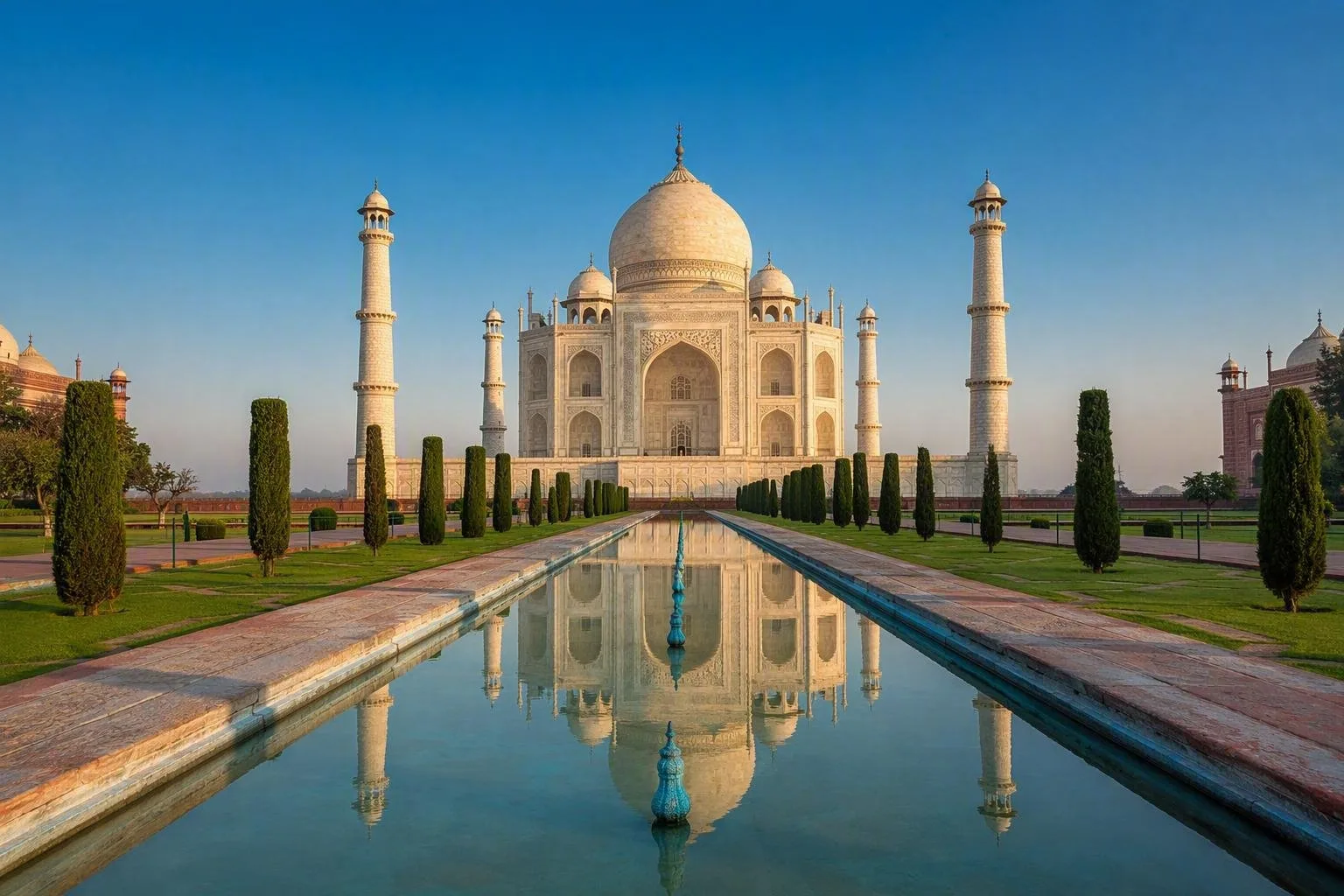
At dawn, the Taj Mahal’s white marble catches the light above its long garden pool. By midday, Old Delhi’s lanes fill with shoppers buying spices, stopping at mosques and eating from busy food stalls. The two places sit on the northern plain, where Mughal emperors built forts and tombs and traders gathered around markets and shrines. But monuments are only one part of the country. Temple rituals, film sets, cricket grounds, software offices and family kitchens put old customs beside rapid change. India’s many languages, faiths and regional identities shape daily life in ways that shift from state to state.
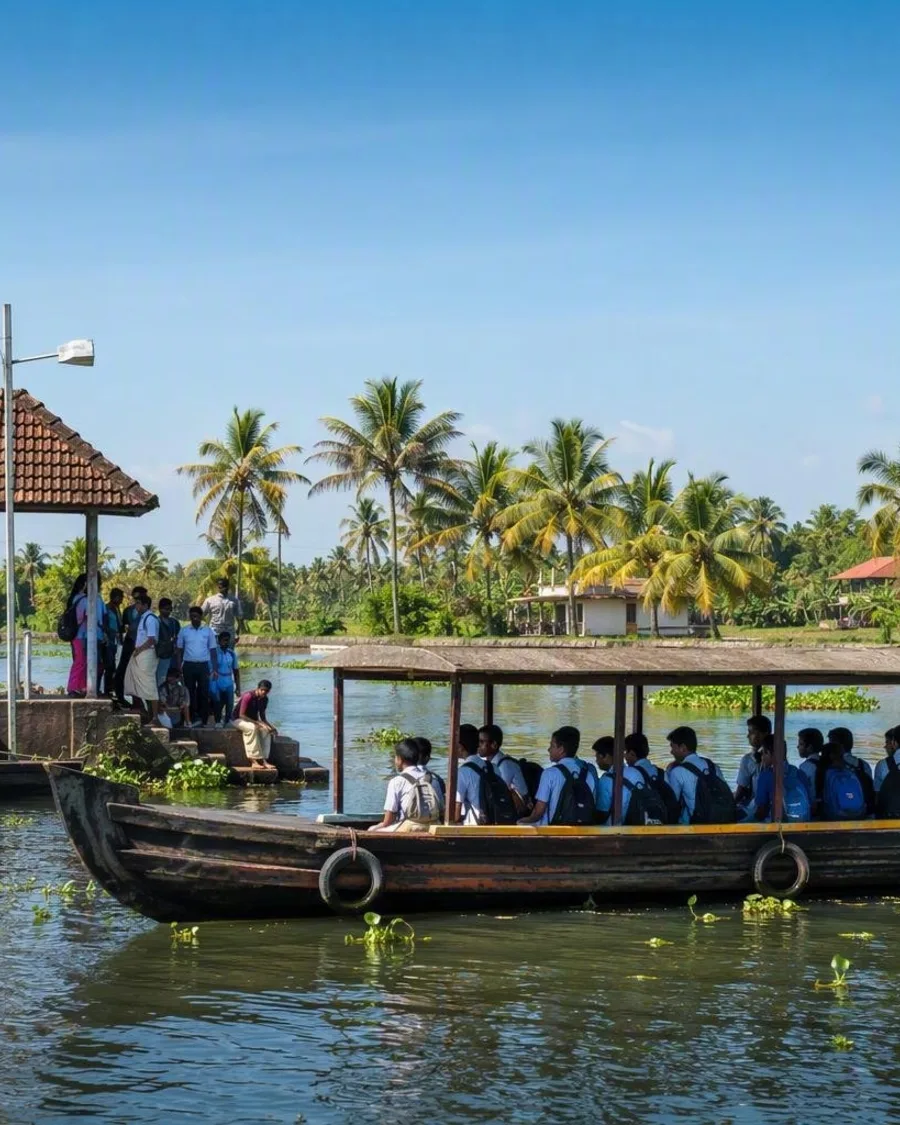
In Kerala, houseboats move through canals lined with coconut palms, while tea grows on the higher slopes of the Western Ghats. In Tamil Nadu, worshippers gather beneath the painted, carved towers of temple complexes such as Madurai’s Meenakshi Amman Temple. Farther north, Rajasthan’s sandstone forts stand above cities where artisans print cloth, cut stone and make jewellery.
Food makes those differences plain. Cooks on the coast use fish, coconut and tamarind. Punjabi kitchens bake breads in the tandoor, while Bengali cooks prepare freshwater fish and milk-based sweets. Street stalls and restaurants serve chaat, dosa, biryani and dishes shaped by local ingredients. Leave time beyond the famous monuments, listen to the languages around you and settle in long enough to see how each region lives.