
Village · India
Dhamadka
Dhamadka is an Ajrakh-printing village in Anjar taluka, eastern Kutch, Gujarat. It is the older home of a block-printing tradition whose 2001 earthquake and water crisis led many Khatri artisan families to establish Ajrakhpur.
Why Dhamadka matters
Dhamadka is a living reference point for Ajrakh, Kutch’s demanding hand block-printing and dyeing tradition. Khatri artisans practised the craft here across generations before the 2001 earthquake destroyed much of the village’s homes and workshops.
The disaster was followed by another serious problem for natural dyeing: groundwater with high iron content. Cloth prepared with harda (myrobalan) developed dark marks, ruining the pale grounds needed in many designs. Families jointly acquired land around 40 km away and created Ajrakhpur, with more suitable water and shared washing facilities. Dhamadka did not disappear from the craft’s story: printers and families remained or later returned, and work continues in both villages.
How to read Ajrakh
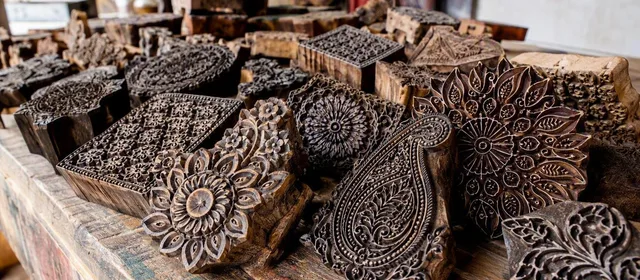
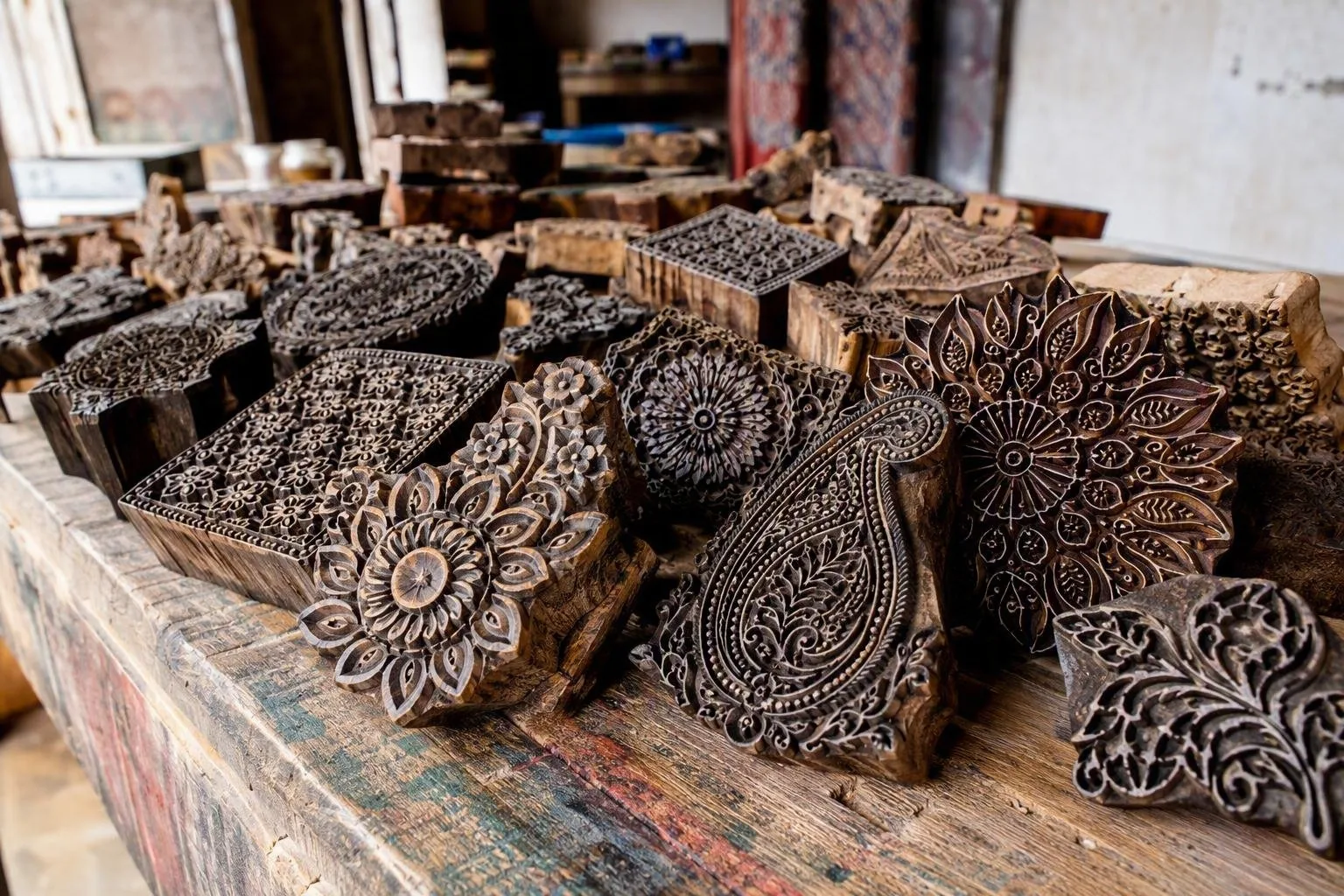
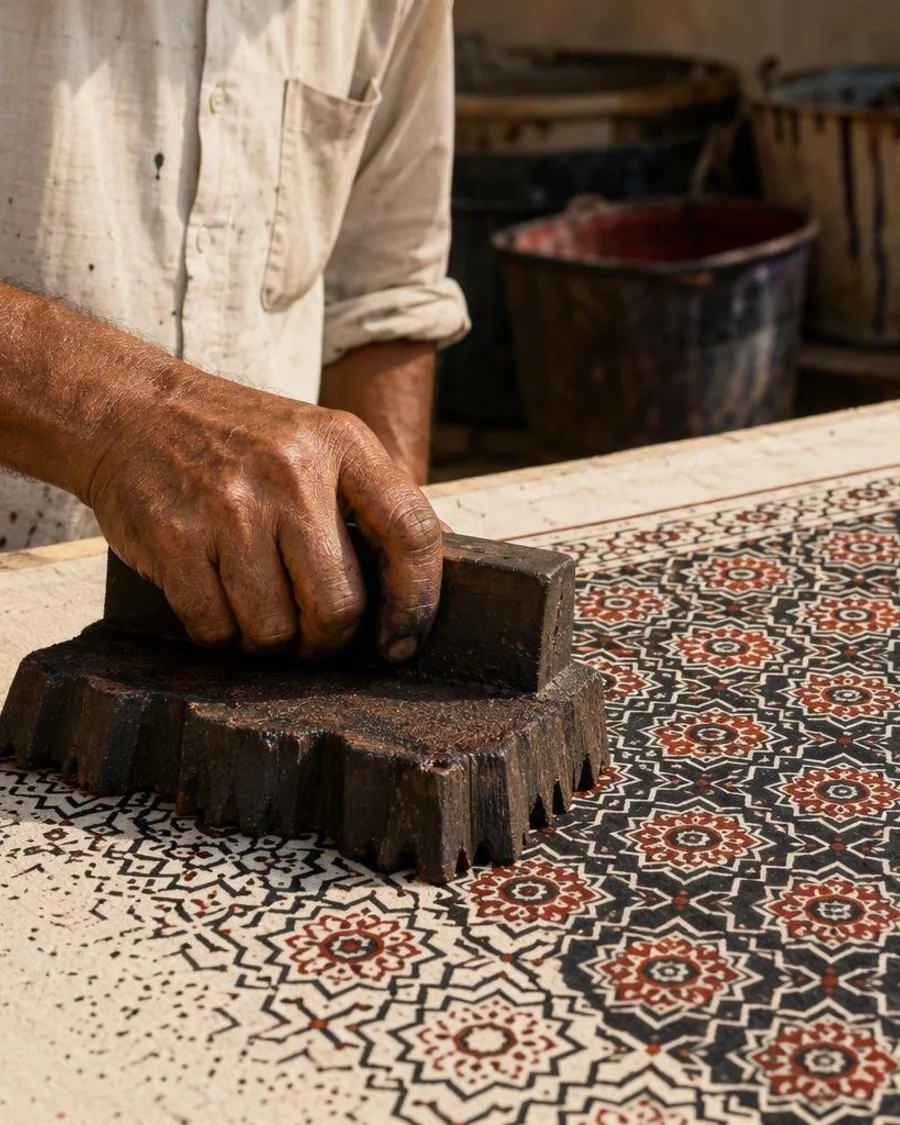
Ajrakh is built through repeated preparation, printing, dyeing and drying rather than a single pass of ink. Look for precise alignment in the repeated geometry; each colour and resist layer requires its own carved wooden block.
Typical materials and stages include:
- cotton washed to remove starch;
- harda for the initial yellow ground;
- resist pastes and outlines applied with hand-carved blocks;
- natural colour sources including indigo, iron-based black and pomegranate;
- further washing, boiling and sun-drying.
The full process commonly runs through more than a dozen stages. Its pale areas are not empty space: they are a technical result, and the reason water quality became decisive in Dhamadka.
Visiting a working craft village
Come to understand a working settlement, not a staged craft park. The strongest visual cues are practical ones: block collections, long printing tables, dye containers and cloth laid out to dry.
Workshop etiquette: ask before entering a workspace or taking photographs, and do not handle blocks, cloth or dye materials without permission. If buying fabric, ask what process and dyes were used; Ajrakh can be made with natural or chemical colour systems, and production methods vary.
Getting there and timing
Dhamadka lies in Anjar taluka, Kachchh district. Anjar is about 36 km away and Bhuj about 53 km away; village bus services are recorded, while there is no railway station in Dhamadka itself. A hired vehicle is the most flexible option for reaching the village and moving between craft locations in this part of Kutch.
For outdoor viewing of printing and drying, the cooler Kutch season from November to February is the most comfortable. Monsoon humidity can complicate dyeing and sun-drying, so workshop activity is not uniform through the year.
From the magazine
Stories about Dhamadka
Editorial stories linked directly to Dhamadka.
Routes from our editors
Travel through Dhamadka
Editorial routes connecting Dhamadka with other countries, cities and hotspots.
No routes through Dhamadka have been published yet.
More in India
Related hotspots
Other cities, nature areas and places within India.
Gujarat
5 linked stories and routes
Thar Desert
2 linked stories and routes
Mumbai
1 linked stories and routes
Dadar
1 linked stories and routes
Maharashtra
1 linked stories and routes
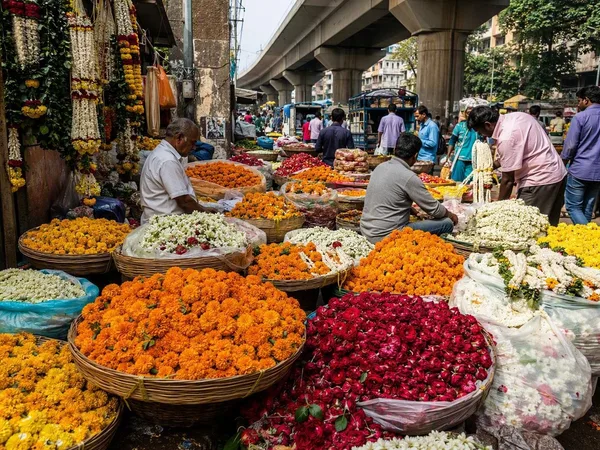
Phool Gully
1 linked stories and routes
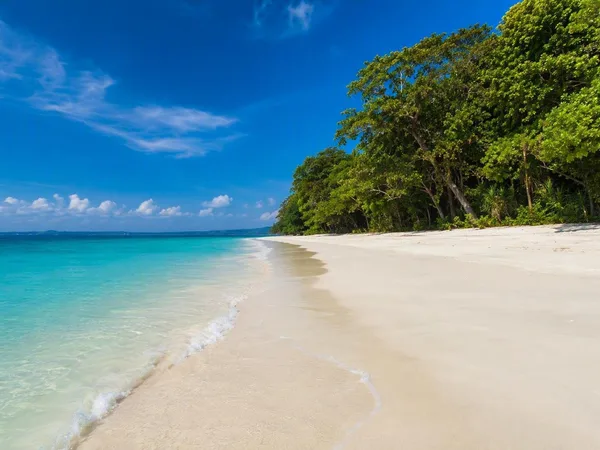
Radhanagar Beach
1 linked stories and routes
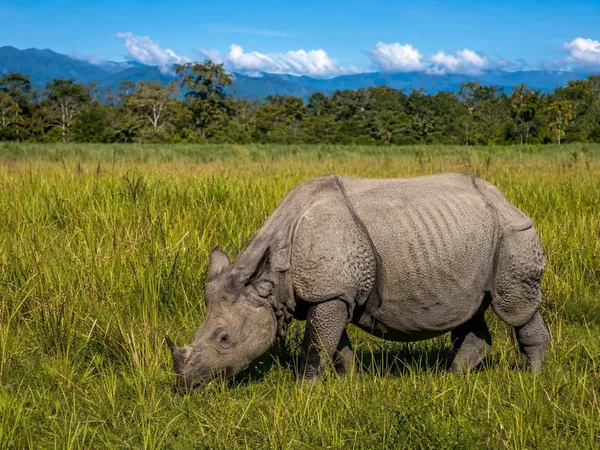
Kaziranga National Park
1 linked stories and routes
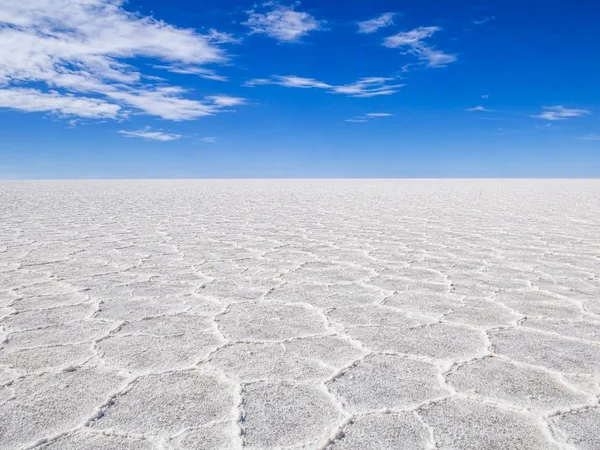
Kutch, Gujarat
1 linked stories and routes
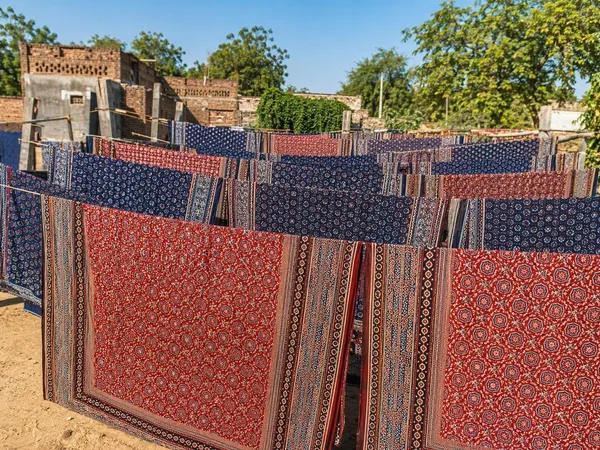
Ajrakhpur
1 linked stories and routes
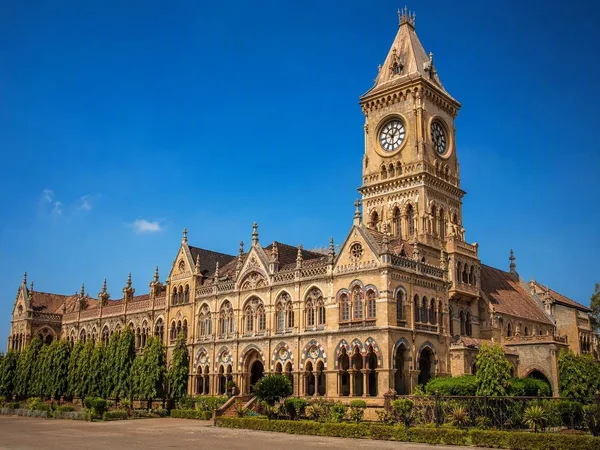
Bhuj
1 linked stories and routes
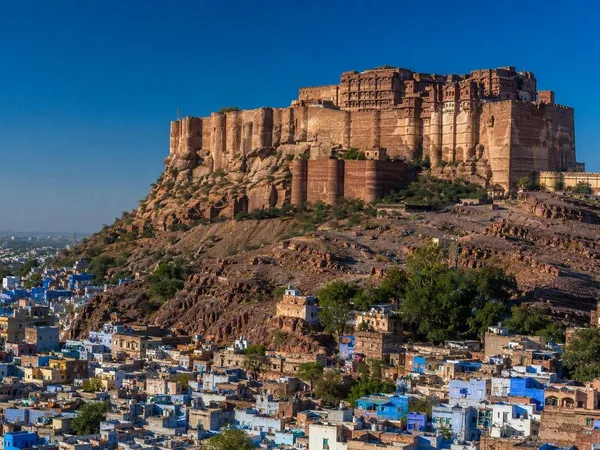
Marwar, Rajasthan
1 linked stories and routes
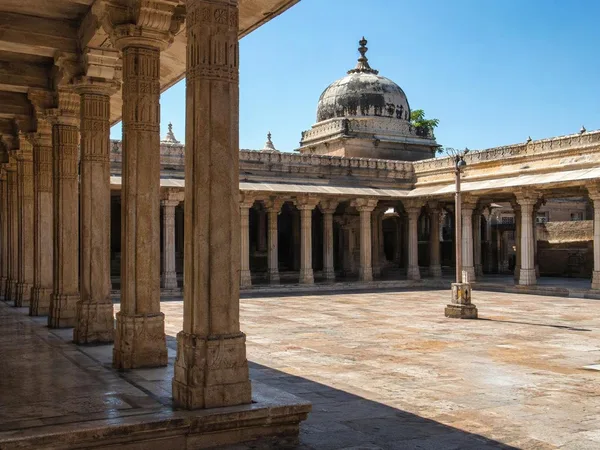
Khambhat, Gujarat
1 linked stories and routes
Malabar
1 linked stories and routes
Deccan
1 linked stories and routes
Cochin (Kochi)
1 linked stories and routes
Kashmir
1 linked stories and routes