Indigo, Iron and Water in Ajrakhpur
In Ajrakhpur, iron in a bucket of wash water can mark pale cotton with black spots before its full pattern appears. Khatri printers built this village after an earthquake destroyed their former workshops, but their work still depends on water that leaves indigo blue, madder red and reserved cotton clean.
Ajrakhpur grew from Dhamadka’s ruins
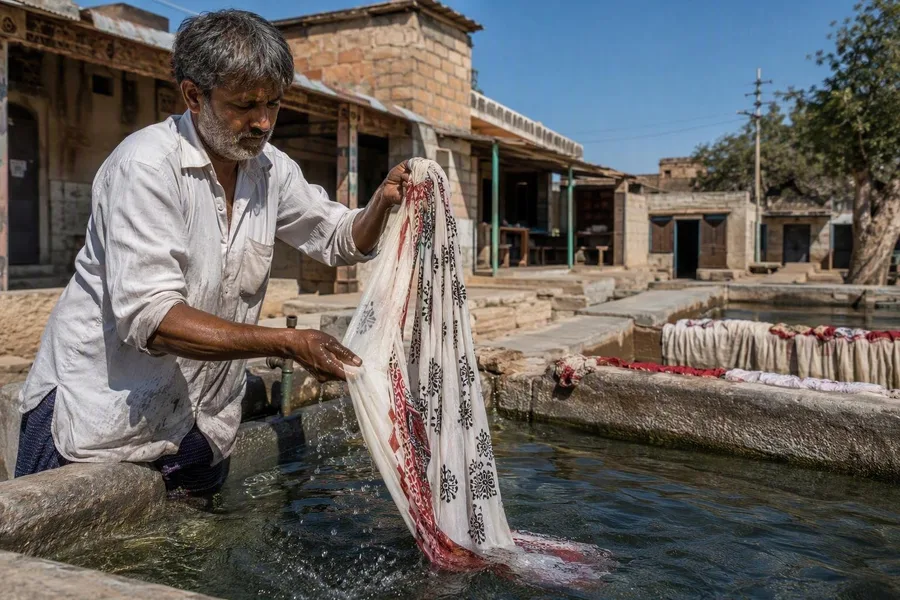 A Khatri maker rinses cotton at Ajrakhpur’s shared washing place.
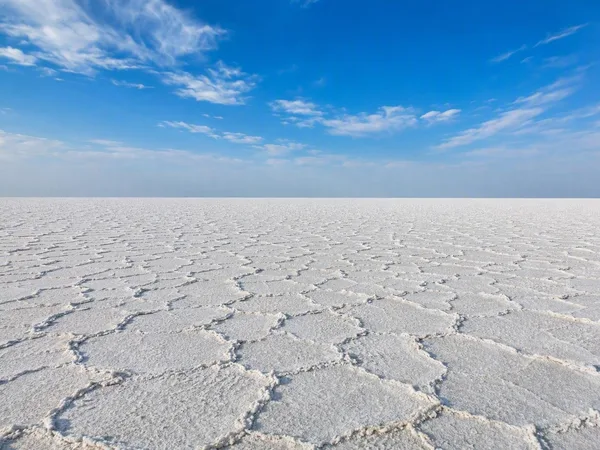
The 2001 earthquake destroyed homes and workshops in Dhamadka, an established centre of ajrakh printing in Kutch. Changes in the groundwater compounded the damage. Water with a high iron content stained cloth prepared with harda, or myrobalan, and spoiled the pale areas required in traditional designs.
Khatri families bought land together and established Ajrakhpur, a name that means “city of ajrakh”. They chose the site for better groundwater, access to Bhuj and room for homes, workshops and a shared washing place. Some printers remained in Dhamadka or later returned, so both villages remain part of ajrakh’s living history.
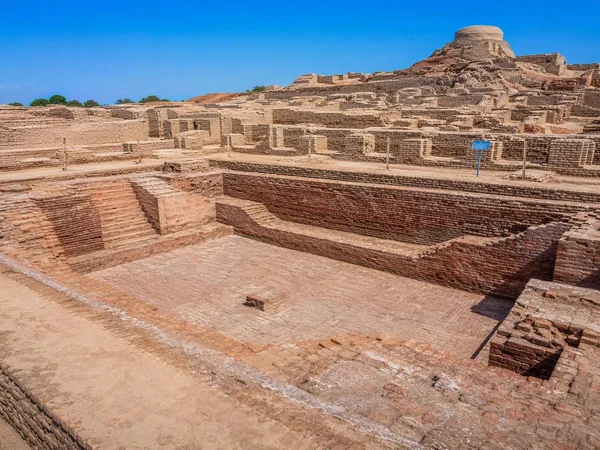
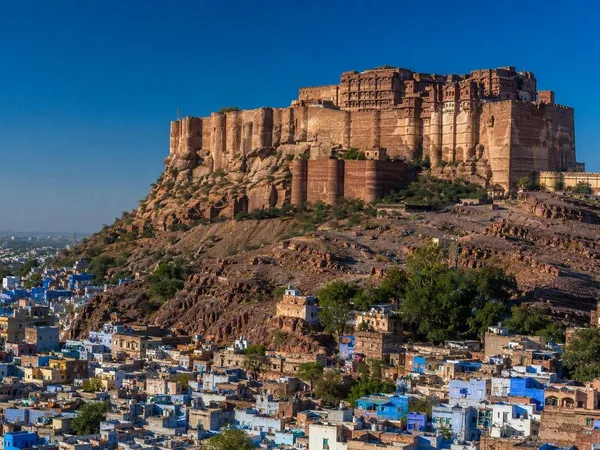
That history reaches far beyond either settlement. The name ajrakh is commonly linked to the Arabic azraq, meaning blue or indigo. Medieval resist-printed fragments from Fustat in Cairo closely resemble the cloth. Khatri printers probably brought their knowledge from Sindh into Kutch and Marwar in the sixteenth century, settling where flowing water could wash out loose dye and finish cotton.
Pastoral communities across Kutch, Sindh and the Thar traditionally wore ajrakh as lungis, turbans and shoulder cloths. The fabric served as everyday dress and a visible sign of community, not simply as the heritage object that “craft” can suggest.
Cotton goes through wash after wash
Ajrakh does not begin with a carved block. Printers first remove starch and other finishes from cotton during saaj, using a mixture that can include castor oil, soda and camel or goat dung. They wring out the wet cloth, let it dry halfway in the sun, treat it again and rinse it.
The cotton then enters a bath of ground harda. Tannins in the myrobalan prepare the fibres for later reactions with iron and red dye, leaving a pale yellow cast. After drying, workers brush away the excess powder.
These early washes determine whether later colours hold evenly. Iron in the water can already leave black marks, and makers may reject a stained length before they have built its design. By then, the cloth has already taken water, labour and time.
Blocks place white, black and red
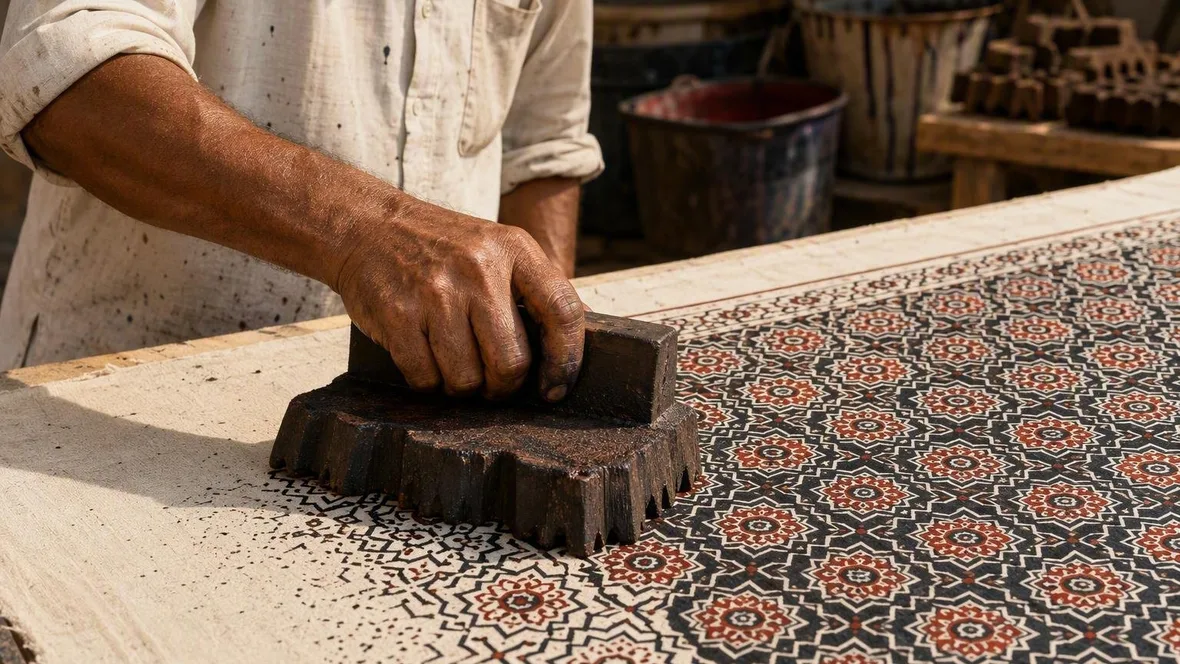
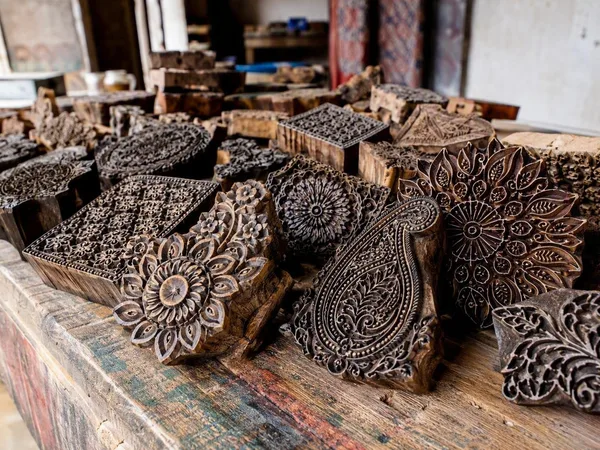
At a low printing table, a maker works with several carved wooden blocks. Each carries one part of the design. Sheesham, rohida and sagwan can provide the wood for blocks cut with geometric, floral and nature-based motifs. Registration marks help the printer place one impression beside the next until stars, borders and grids cover the cotton.
The action follows a steady sequence: set down the block, press its paste into the cloth, lift it, then align it with the previous print. Different blocks perform different jobs. The first can apply rekh, a lime-and-natural-gum resist that protects the areas intended to remain white.
A second block prints kat, a paste of fermented scrap iron and jaggery, thickened with tamarind-seed powder. The iron reacts with the harda and produces black outlines and fields. Another block applies alum to the places that will later turn red. Printers then cover vulnerable areas with a paste of clay, millet flour and dhawda gum; dung powder or sawdust stops the wet paste from spreading.
On double-sided bipuri and especially fine minakari, printers align the pattern on both faces of the cloth. Paired, symmetrical blocks allow front and back impressions to meet. The dense geometry records repeated, precise placements of wood on cotton.
Indigo changes in the open air
Once the protective pastes have dried, the cloth enters an indigo vat containing lime, jaggery and mustard seed. It emerges green, then turns blue as the dye oxidises in the air. Printers may repeat the dip and drying to deepen the ground. They then wash the fabric thoroughly, removing loose colour and resist so the reserved white lines return.
Red develops separately. Makers boil or soak the cloth with alizarin or madder, gum and dhawda flowers. The dye develops on the alum-printed areas, while the iron lines deepen towards black. Fine pieces require further rounds of resist, indigo, washing and drying.
The palette follows a clear chemical division: indigo supplies blue; madder or alizarin develops red over alum; iron paste produces black; lime-and-gum resist protects the cotton that remains white. A finished ajrakh cloth holds these distinct reactions in one tightly registered pattern.
Old methods, new cloth
Ajrakhpur’s workshops still print classic geometries, but makers also cut smaller paisleys, zigzags and fine new details. Some use metal hand blocks for particularly delicate motifs. Printers now apply ajrakh to khadi, Chanderi, silk and Mashru as well as cotton.
Mubassirah Khalid Khatri has developed her own label from this family-based work, combining traditional indigo, black and red with free-painted designs and showing garments through Instagram. Her kurtas and stoles use materials including kala cotton and tussar silk. Elsewhere in the village, workshops sell saris, dupattas, lengths of fabric, bedding, jackets and dresses directly to buyers.
Visiting Ajrakhpur
Real Handicrafts welcomes visitors interested in hand-block printing and naturally dyed textiles, but an appointment lets makers confirm which stage is underway that day. Ismail and Sufiyan Khatri receive arranged visits rather than casual drop-ins. The public Living and Learning Design Centre has galleries, craft studios and a shop in the village. Ask permission before photographing inside a family workshop.
Water shapes each working day
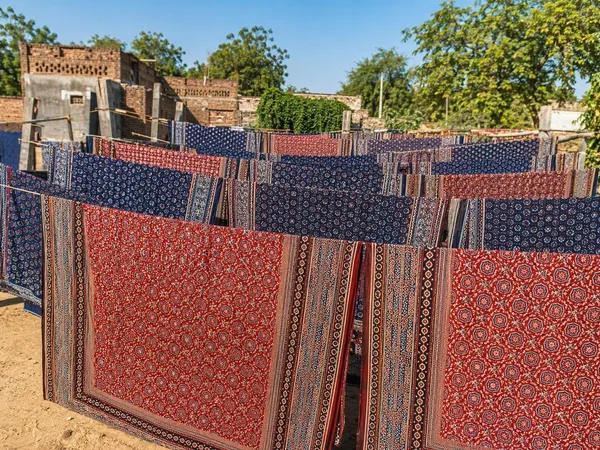
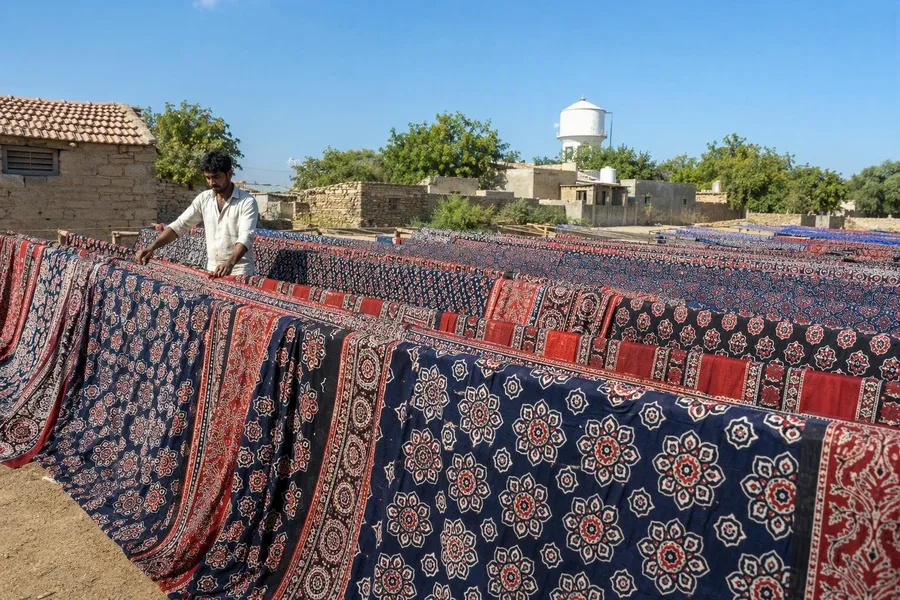 Ajrakh makers spread freshly washed patterned cotton outdoors in Ajrakhpur to dry.
Kutch is a dry coastal district where falling groundwater, salt and iron can leave colour dull, uneven or spotted. A failed wash costs a small workshop both fabric and the labour already invested in it. A deeper bore does not necessarily solve the problem; one documented well produced water with even more iron.
Makers answer these conditions through ordinary working choices. They use a shared washing facility, store water instead of rinsing continuously and filter it through layers of charcoal, sand and stone. Some printers apply a background colour directly with blocks rather than submerging the whole length in a dye bath, which reduces the water used in the process.
Stored and reused water determines whether cotton can be rinsed, dyed and laid outside to dry. After the final red bath and wash, makers spread wet fabric in the open sun. As the cloth dries, indigo fields sharpen around madder red, iron black and clean reserved lines.
Keep exploring
Places in this story

Asia
4 landen en gebieden
India
Pakistan
Kutch, Gujarat
Ajrakhpur
Dhamadka
Bhuj
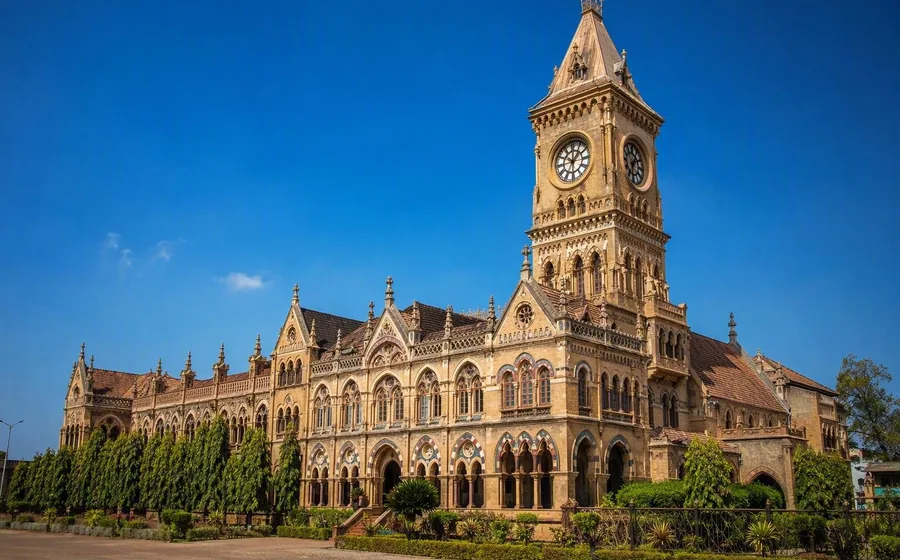
Bhuj is the historic district headquarters of Kutch in Gujarat, India: a former royal capital with palaces, museums, craft markets and a lake-centred old city.
Sindh
Marwar, Rajasthan
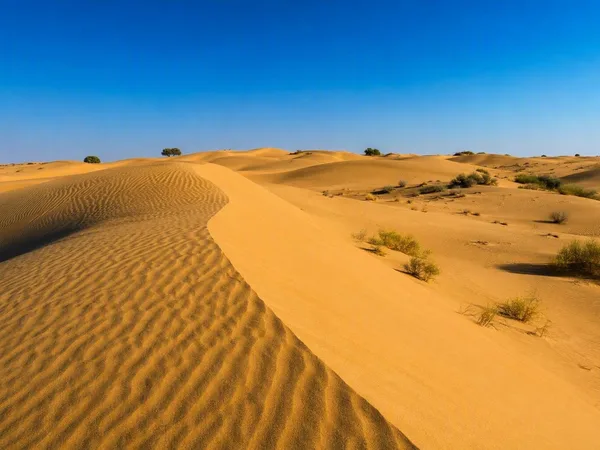
Thar Desert