
Province · Pakistan
Sindh
Sindh is Pakistan’s southeastern province, shaped by the Indus River, the Thar Desert, the Kirthar Range and the Arabian Sea. Its long cultural record runs from the planned city of Mohenjodaro to the shrine, textile and tomb traditions of the present.
Start with the landscape
Sindh is a large province rather than a single compact destination. The Indus runs through its central alluvial plain; the dry Kirthar Range forms much of the western edge, while the Thar Desert occupies the southeast. Karachi is the provincial capital on the Arabian Sea.
This geography dictates the itinerary. Treat Karachi, the Indus corridor and Thatta/Makli as separate bases or day-trip zones rather than trying to cover the province in a few days.
Read the deep history at Mohenjodaro
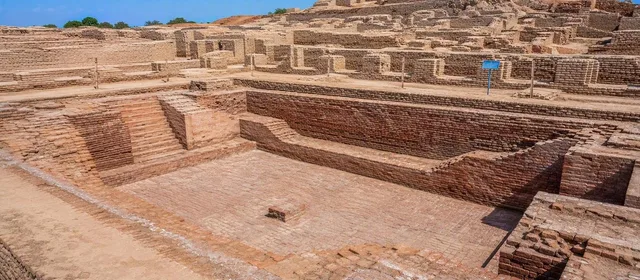
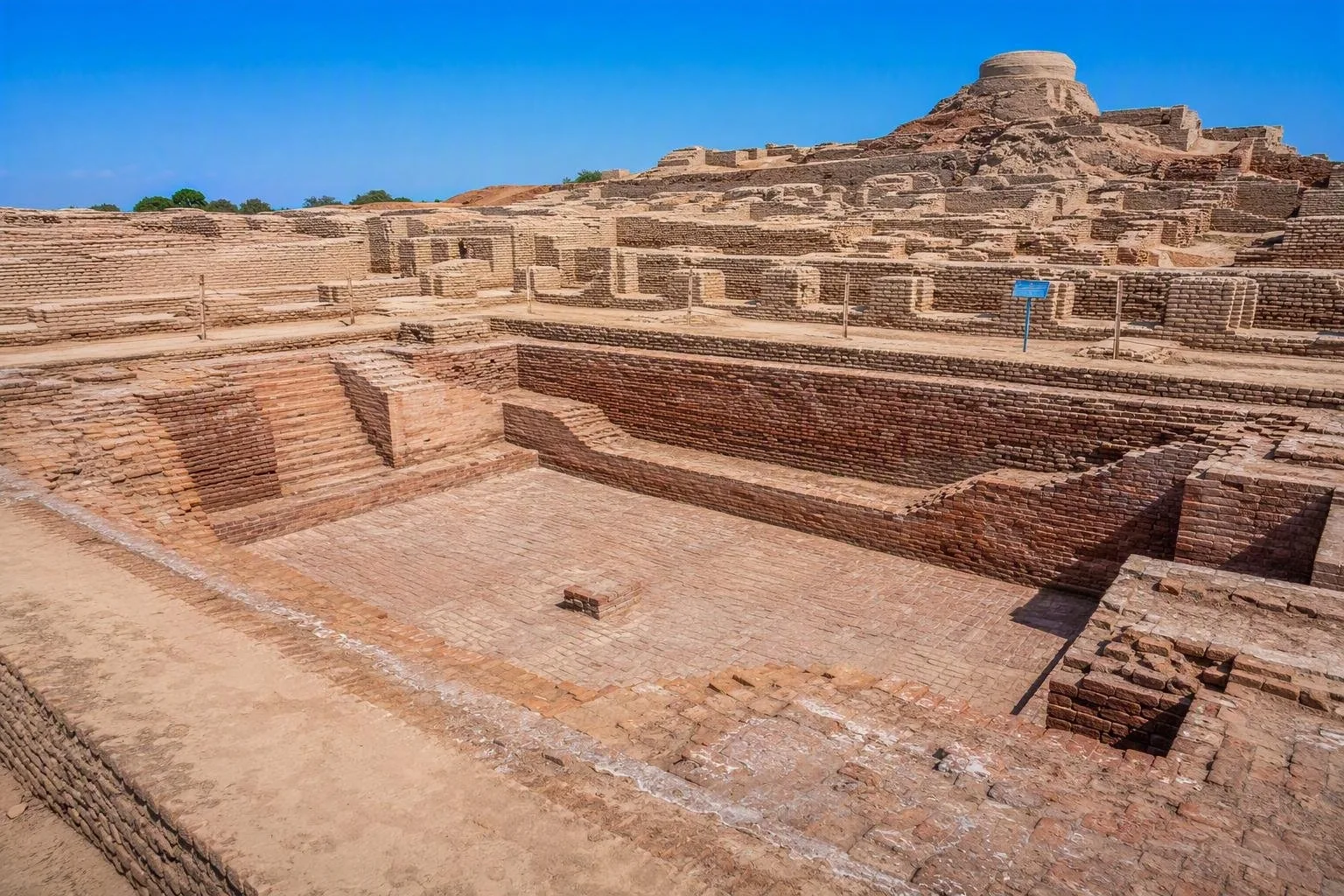
Mohenjodaro, near Larkana in northern Sindh, is the province’s essential archaeological stop. This Indus Civilization city flourished in the third millennium BCE and is laid out in two broad parts: the raised citadel to the west and the lower town to the east.
Look past the spectacle of individual ruins and follow the infrastructure:
- The Great Bath: a brick-built, waterproofed basin reached by steps.
- Street grid: roads meet at right angles in the lower town.
- Water systems: wells, drains and soak pits reveal a highly organised urban system.
Only part of the site has been excavated. Its ancient brickwork is vulnerable to salt, water and extreme weather, so stay on the designated paths and do not touch or climb the structures.
Thatta and Makli
South of Hyderabad, Thatta provides the strongest counterpoint to the Bronze Age site. Its nearby Makli necropolis gathers tombs and graves across a long ridge, associated with the former capital and its Islamic culture from the 14th to 18th centuries.
The scale matters as much as any single mausoleum: stone and brick monuments use carved decoration and glazed tiles, with local forms absorbing Gujarati, Mughal and Persian influences. Allow time to walk slowly; the site is extensive and exposed.
Sindhi culture and ajrakh
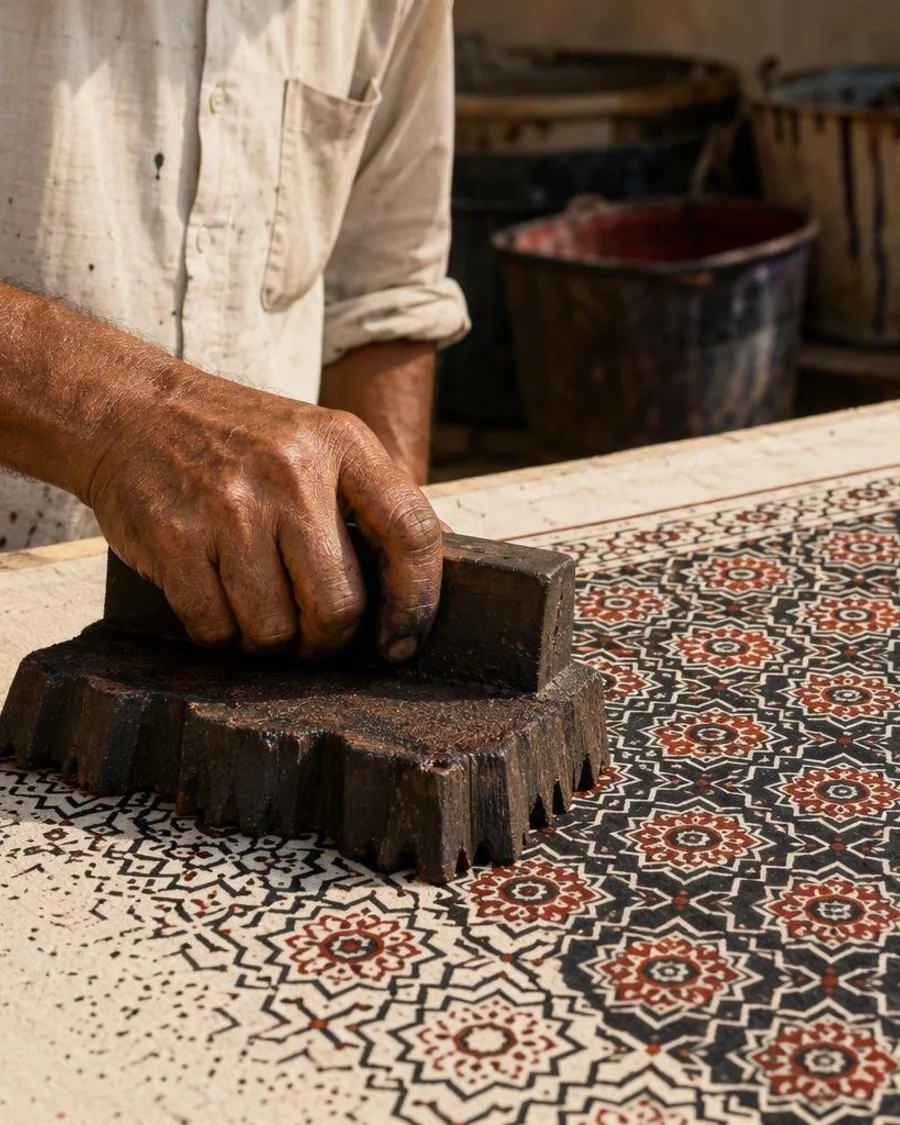
Sindh is a core landscape for ajrakh, the resist-printed cotton textile recognised for its deep indigo, red and black geometry. It is not merely a souvenir fabric: across Sindh, Kutch and the Thar, ajrakh has long been worn as a lungi, turban or shoulder cloth and signals community as well as dress.
When buying, inspect the cloth rather than relying on a label. Hand-block printing produces small variations in registration and colour; ask what fibres and dyes were used. A well-made piece is worth choosing for use, not just display.
Practical route planning
Karachi is the logical arrival point and transport hub, but Sindh’s key sites are widely dispersed. Build travel days around road distances, especially for Mohenjodaro and Thatta. Summers are intensely hot; the cooler months are more manageable for exposed ruins, desert travel and long walks.
Dress conservatively at shrines and religious sites, remove shoes where required, and ask before photographing people or worshippers.
From the magazine
Stories about Sindh
Editorial stories linked directly to Sindh.
Routes from our editors
Travel through Sindh
Editorial routes connecting Sindh with other countries, cities and hotspots.
No routes through Sindh have been published yet.
More in Pakistan
Related hotspots
Other cities, nature areas and places within Pakistan.
Lahore
3 linked stories and routes
Mozang Bazaar
1 linked stories and routes
Islamabad
1 linked stories and routes
Punjab, Pakistan
1 linked stories and routes
Khyber Pakhtunkhwa
1 linked stories and routes
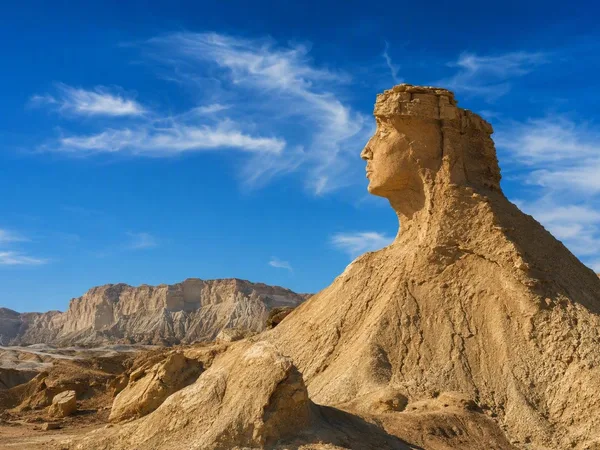
Balochistan
1 linked stories and routes
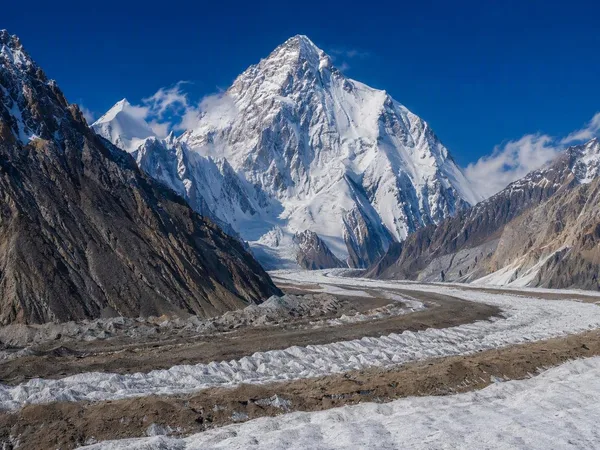
Gilgit-Baltistan
1 linked stories and routes
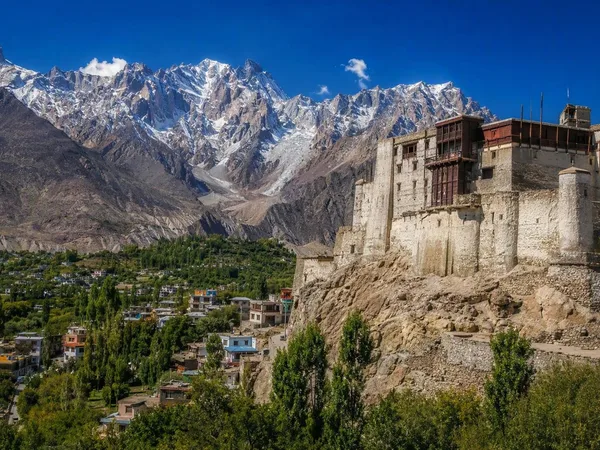
Hunza, Gilgit-Baltistan
1 linked stories and routes
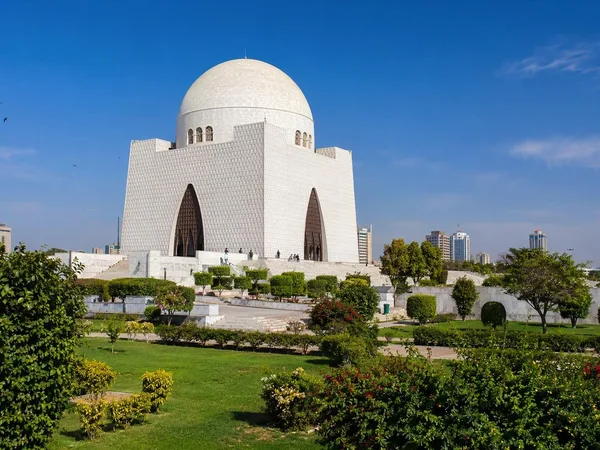
Karachi
1 linked stories and routes
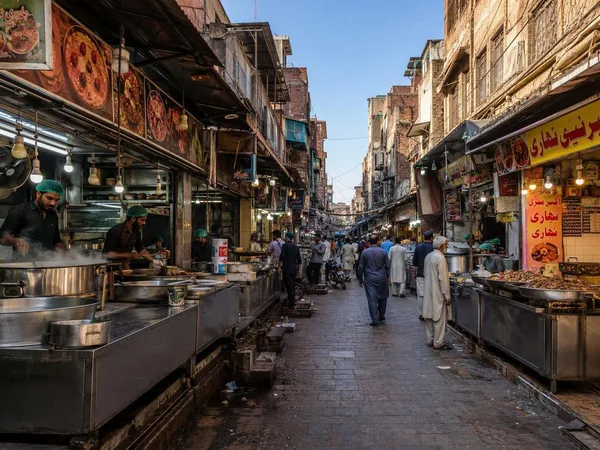
Gawalmandi
0 linked stories and routes
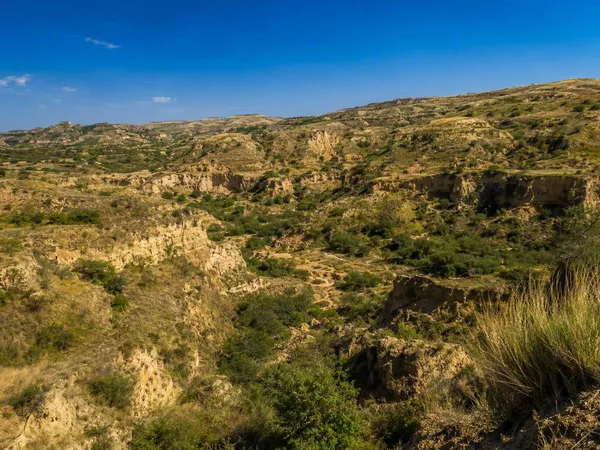
Potohar Plateau
0 linked stories and routes
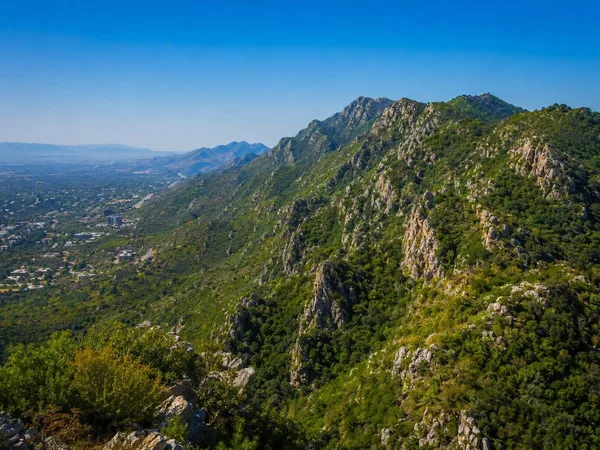
Margalla Hills
0 linked stories and routes
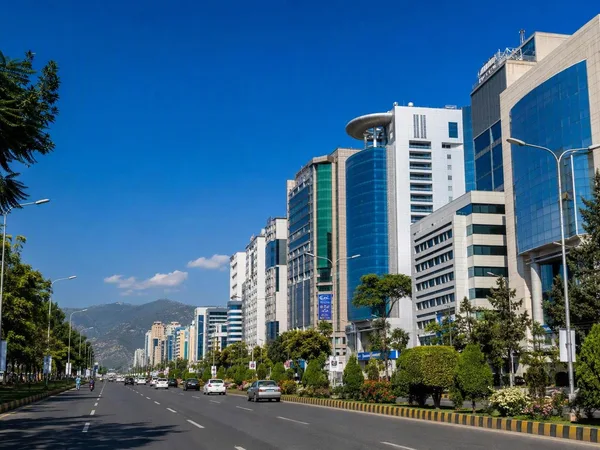
Blue Area, Islamabad
0 linked stories and routes
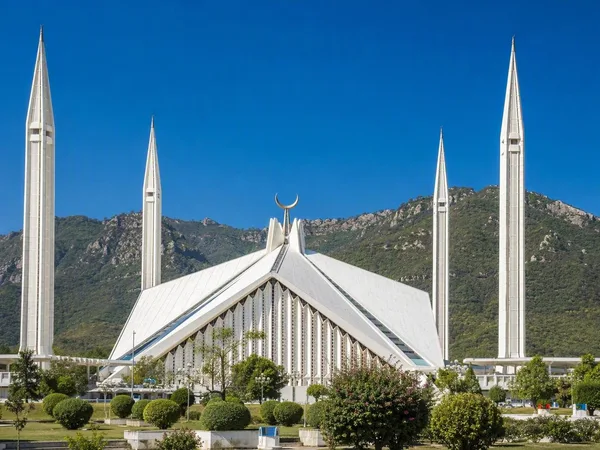
Faisal Mosque
0 linked stories and routes
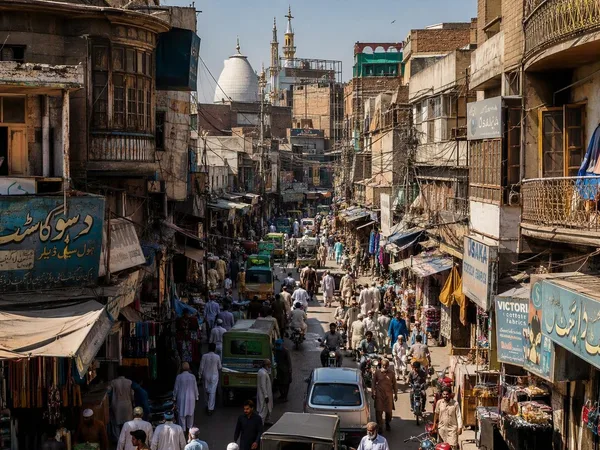
Rawalpindi
0 linked stories and routes
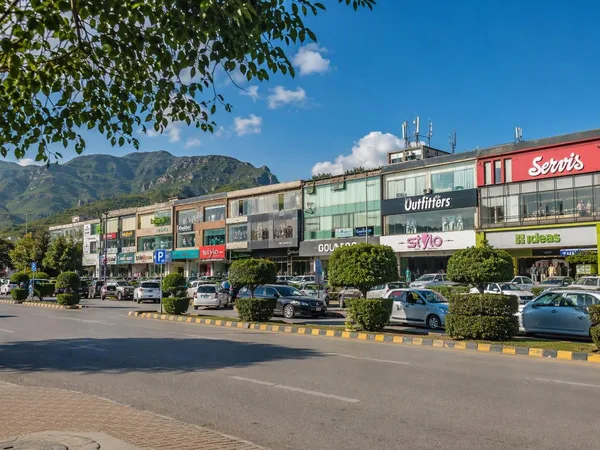
F-6, Islamabad
0 linked stories and routes