
Province · Pakistan
Balochistan
Balochistan is Pakistan’s vast southwestern province, running from high, cold inland ranges to the Arabian Sea coast. Its defining geography is a hard-edged mix of mountains, desert basins, archaeological sites and the Makran shoreline.
The scale of the province
Balochistan is Pakistan’s largest province, covering 347,190 sq km. Quetta, in the northeast, is the provincial capital and the principal urban base; the rest of the province spreads across long distances, rough uplands, desert and a roughly 760 km Arabian Sea coastline.
This is not one compact destination. The northern highlands around Quetta, Ziarat and Kalat are a different proposition from the Makran coast, Gwadar or the western deserts of Chagai and Kharan. Treat each as a separate journey, not a day trip from the capital.
Landscapes to understand
Four broad landforms shape Balochistan: upper and lower highlands, plains and deserts. Mountains dominate; valley floors and piedmont plains form only a small share of the terrain.
- Northern highlands: Quetta sits in a mountain valley near the Bolan Pass. Ziarat is known for its juniper forests.
- Central and western interior: Kharan and Chagai hold broad gravel plains and sand dunes.
- Makran coast: steep hills meet a narrow coastal plain, with ports at Gwadar and Pasni.
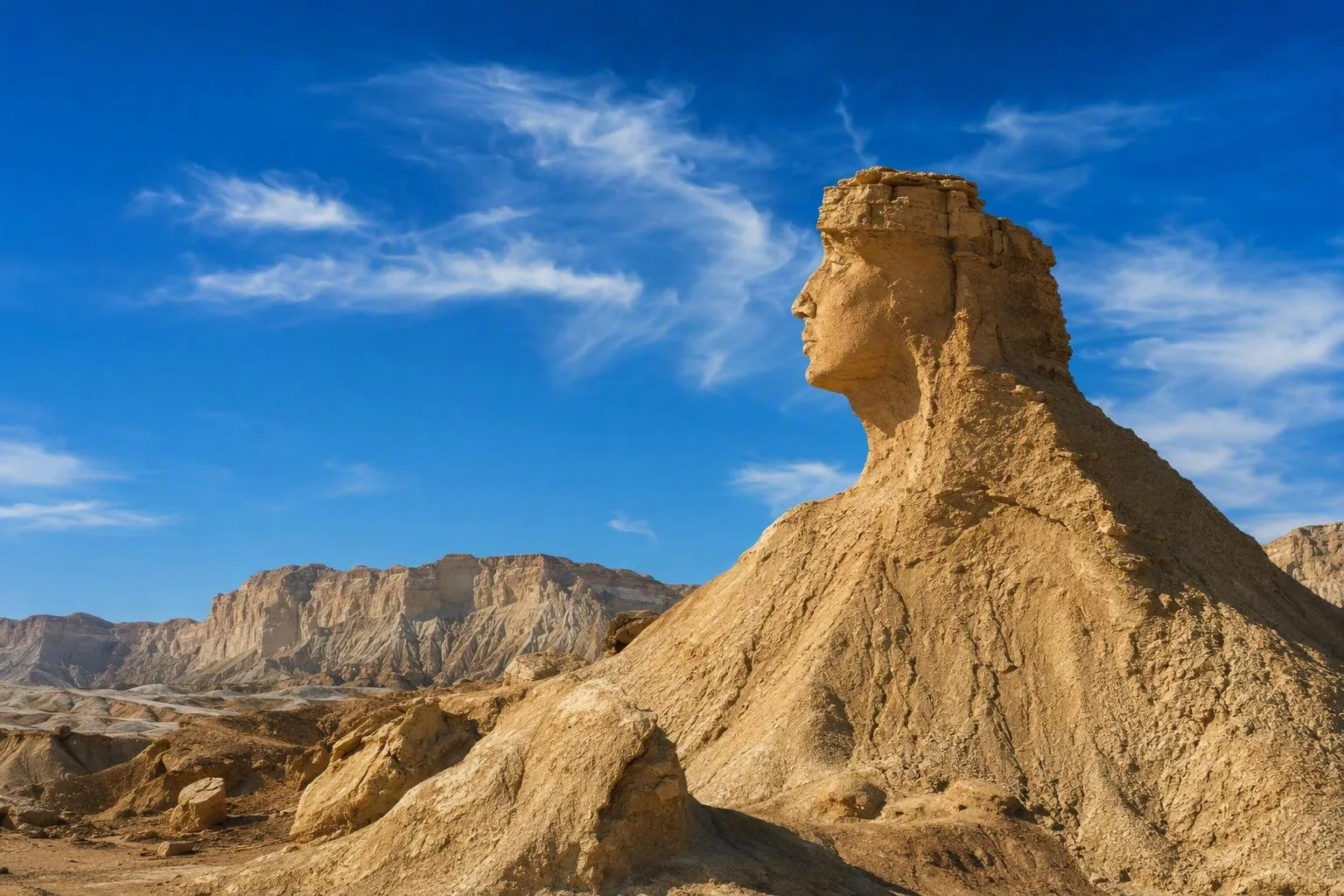
- Hingol National Park: the major coastal landscape, combining the Hingol River, dry mountains, mud volcanoes, eroded rock forms and Kund Malir Beach.
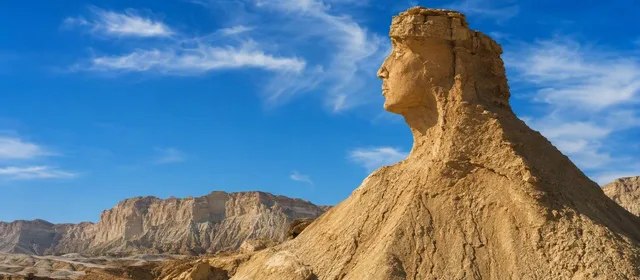
The Princess of Hope, a naturally eroded rock formation in Hingol, is the province’s clearest photographic landmark.
History and culture
Near the Bolan Pass, Mehrgarh preserves archaeological layers spanning from the seventh to the third millennium BCE. It is a major reference point for South Asia’s early farming history; the visible remains are fragile and access should be treated as heritage-site access, not casual exploration.
Baloch, Pashtun, Brahui and Hazara communities all contribute to the province’s cultural life. Balochi, Brahui, Pashto and Sindhi are among its principal regional languages; Urdu is useful more widely. Food is direct and meat-led: sajji is slow-roasted lamb or chicken, often served with crisp kaak bread.
Climate and timing
Season matters sharply. The higher north has freezing winters, while the low plains and deserts become intensely hot in summer; temperatures in the hottest arid districts can reach 50°C. The Makran coast has milder winters but remains dry.
For outdoor travel, cooler months are the workable default. Carry ample water and fuel on remote routes: services can be far apart, seasonal streams can flood after rain, and road conditions vary outside main corridors.
Access and security
Important: Balochistan has serious, changeable security risks. Major foreign travel advisories advise against travel to the entire province because of terrorism and kidnapping risks. Do not treat access as routine: confirm local restrictions, permits, road status and security conditions before setting out, particularly outside Quetta and on coastal or border routes.
Use current local guidance, avoid demonstrations and sensitive sites, and allow for checkpoints and abrupt changes to movement conditions.
From the magazine
Stories about Balochistan
Editorial stories linked directly to Balochistan.
No stories about Balochistan have been published yet.
Routes from our editors
Travel through Balochistan
Editorial routes connecting Balochistan with other countries, cities and hotspots.
No routes through Balochistan have been published yet.
More in Pakistan
Related hotspots
Other cities, nature areas and places within Pakistan.
Lahore
3 linked stories and routes
Sindh
2 linked stories and routes
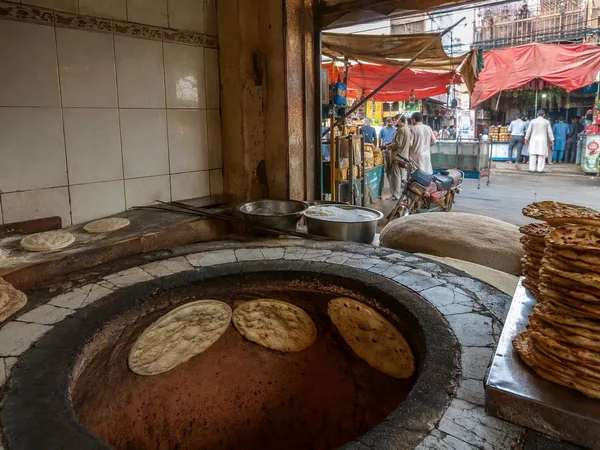
Mozang Bazaar
1 linked stories and routes
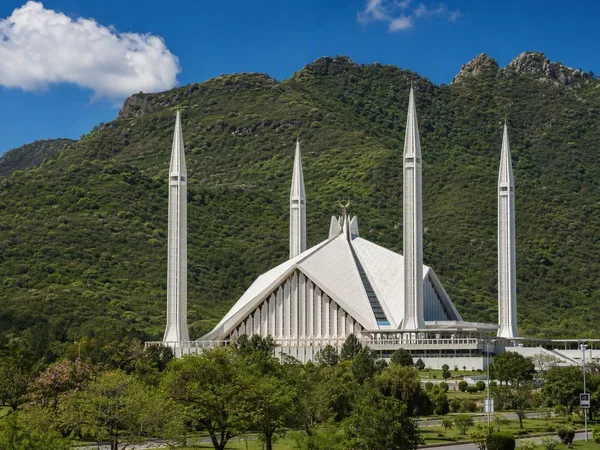
Islamabad
1 linked stories and routes
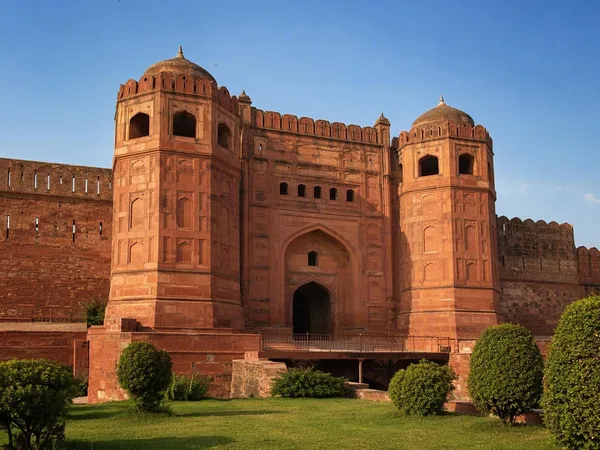
Punjab, Pakistan
1 linked stories and routes
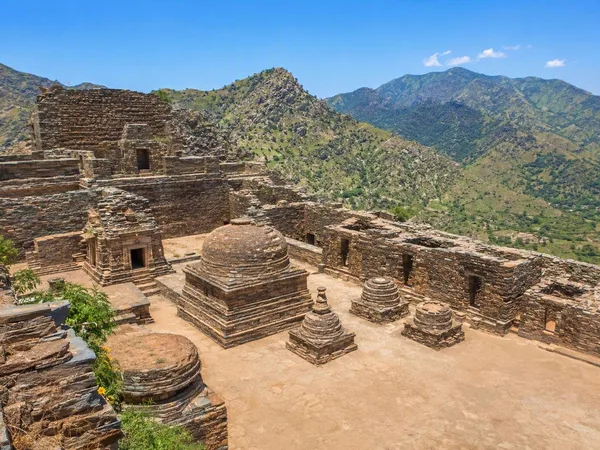
Khyber Pakhtunkhwa
1 linked stories and routes
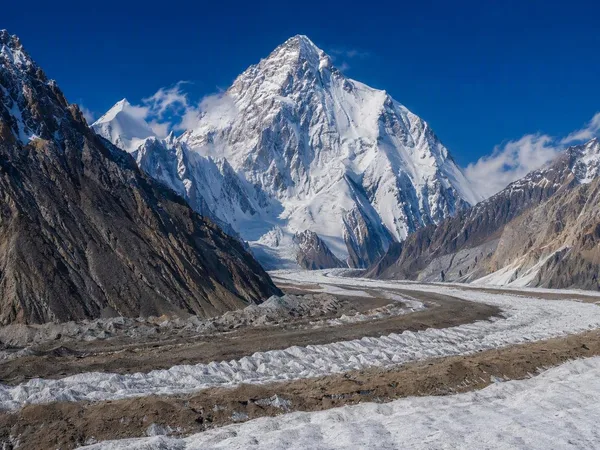
Gilgit-Baltistan
1 linked stories and routes
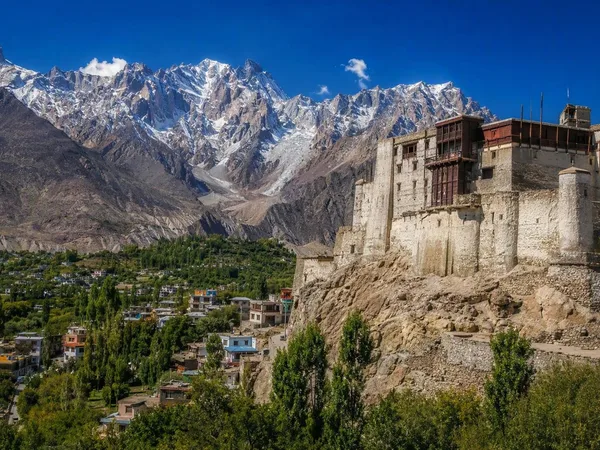
Hunza, Gilgit-Baltistan
1 linked stories and routes
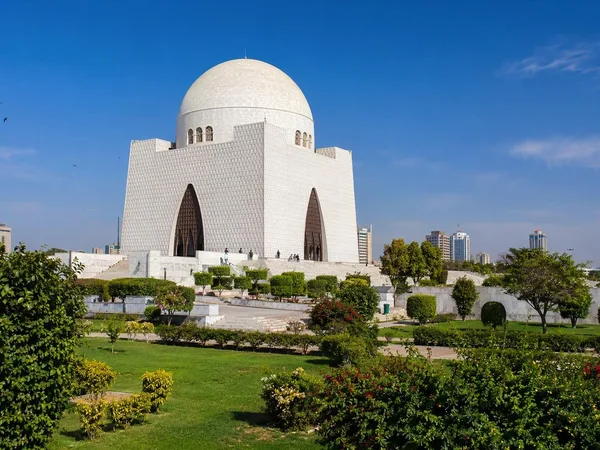
Karachi
1 linked stories and routes
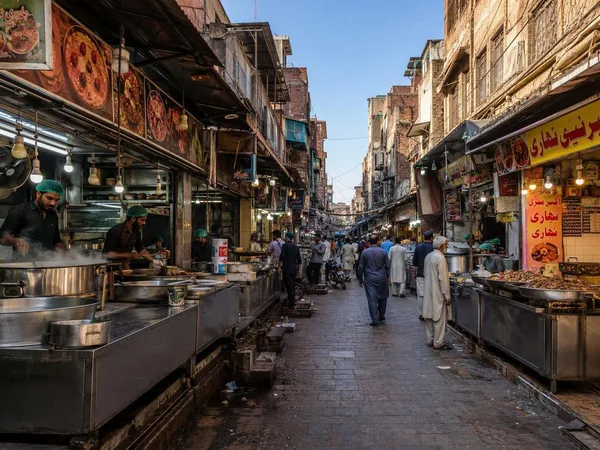
Gawalmandi
0 linked stories and routes
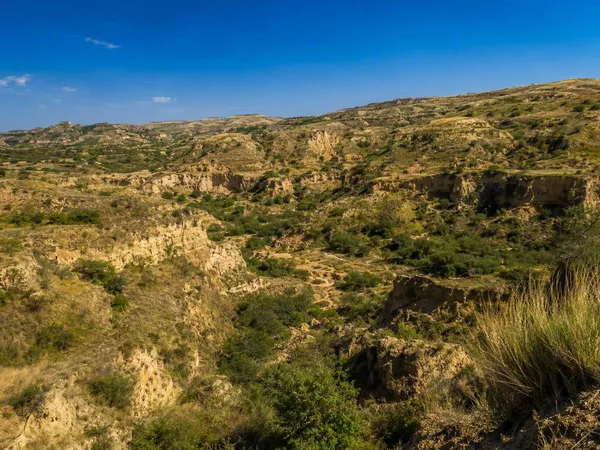
Potohar Plateau
0 linked stories and routes
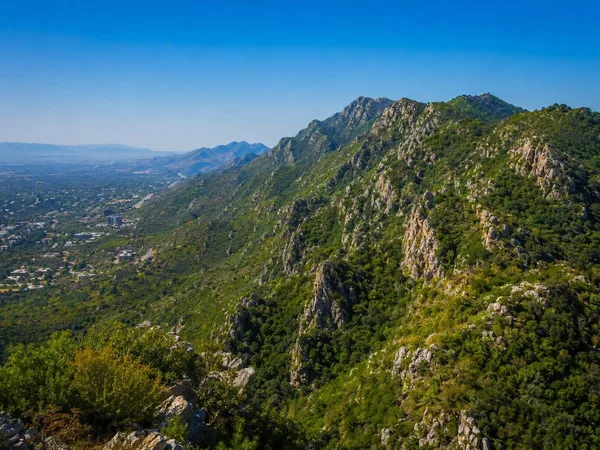
Margalla Hills
0 linked stories and routes
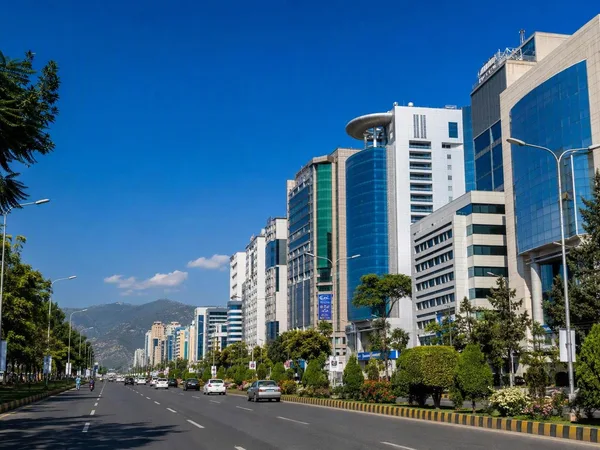
Blue Area, Islamabad
0 linked stories and routes
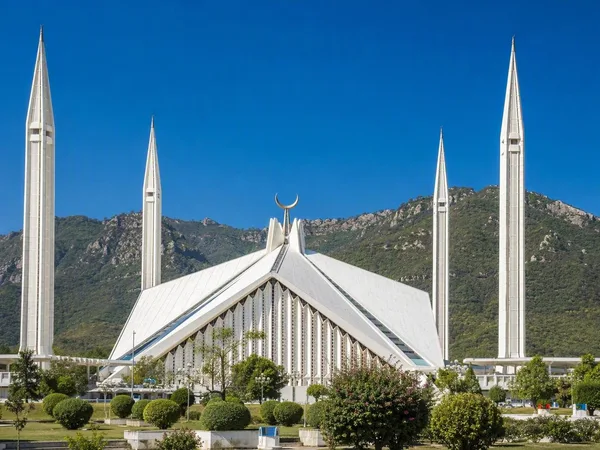
Faisal Mosque
0 linked stories and routes
Rawalpindi
0 linked stories and routes
F-6, Islamabad
0 linked stories and routes