
City · Pakistan
Karachi
Karachi is Pakistan’s largest city, principal seaport and the capital of Sindh, spread along the Arabian Sea in the country’s south. Once Pakistan’s federal capital, it remains the country’s commercial engine and a city of waterfronts, markets and major civic monuments.
Get your bearings
Karachi is a vast coastal metropolis rather than a compact sightseeing city. Its historic commercial core lies around Saddar, M.A. Jinnah Road, the port and older quarters such as Kharadar and Mithadar. Clifton, farther southwest, is the principal seafront district.
Karachi was Pakistan’s first capital after independence in 1947; the federal capital later moved away, while Karachi retained its role as the country’s main port and financial centre. Treat the city as a set of distinct districts and plan one area at a time.
Start with the landmarks
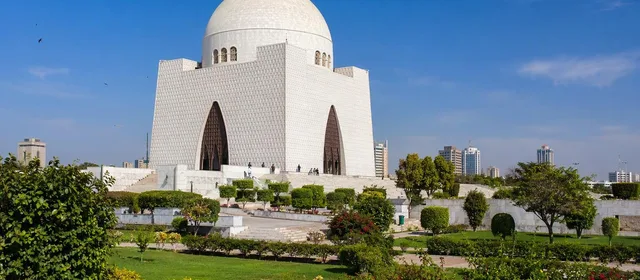
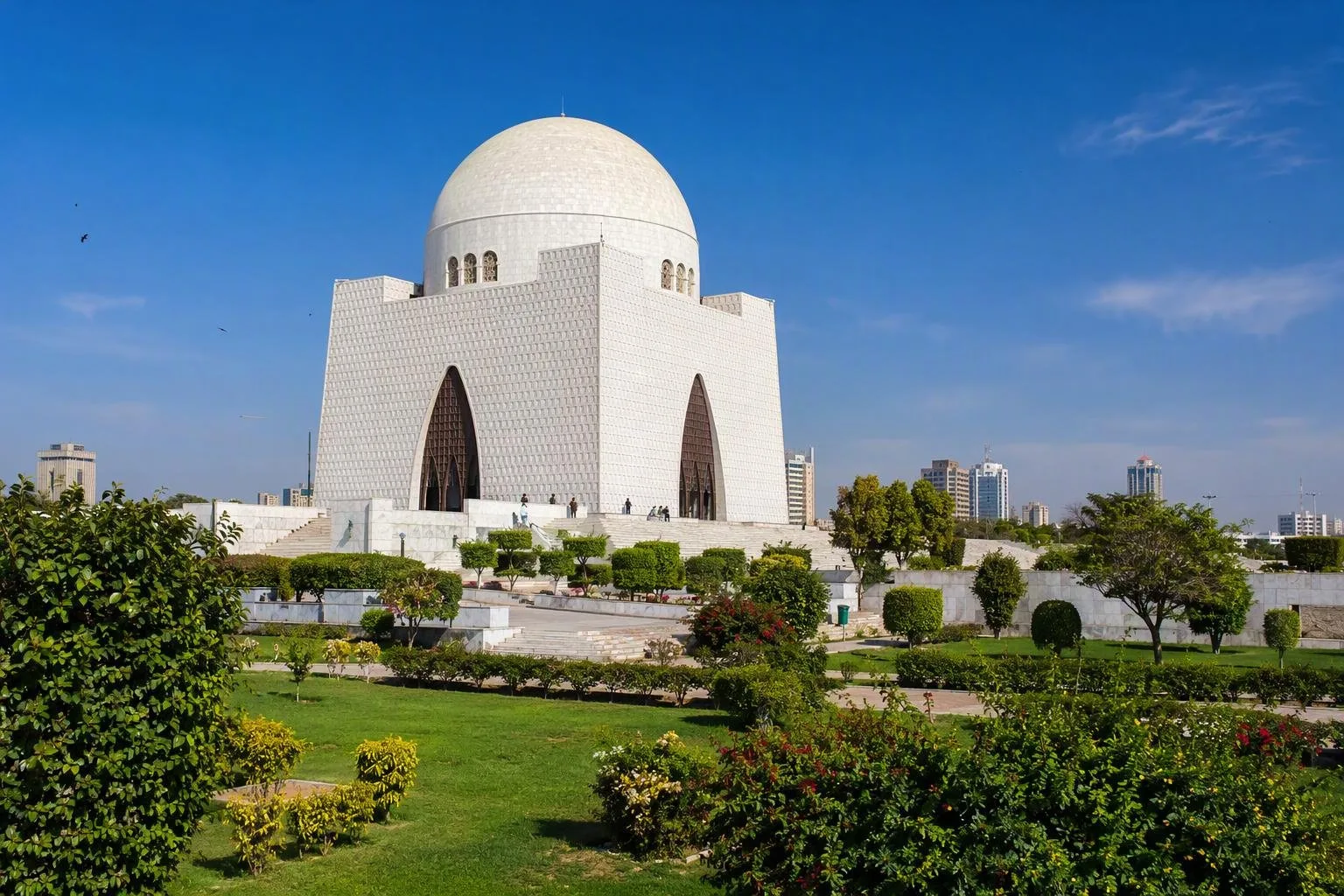
- Mazar-e-Quaid: the white-marble mausoleum of Muhammad Ali Jinnah is the city’s defining national monument. Its elevated platform, formal approaches and restrained geometry make it a strong first stop.
- Frere Hall: a nineteenth-century civic building in gardens, useful for seeing Karachi’s colonial-era public architecture.
- Empress Market: a historic covered market in Saddar. Go for the building, its clock tower and the working-market atmosphere rather than a polished retail experience.
- Mohatta Palace: a former residence in Clifton that now hosts museum exhibitions. Pair it with the seafront rather than crossing the city for it alone.
The central heritage belt also includes the KMC Building, Merewether Tower and the National Museum of Pakistan. Most are best viewed as a short, street-level circuit rather than isolated stops.
The sea and port city
The Arabian Sea is fundamental to Karachi’s identity. Clifton Beach, also called Sea View, is the city’s most accessible public waterfront: come to walk the shore and promenade, especially late in the day. Do not treat it as a reliable swimming beach; currents and water quality make a shoreline walk the sensible default.
For green space near the coast, use Bagh Ibn-e-Qasim in Clifton. Port Grand offers harbour-facing restaurants and a pedestrian waterfront, while the working port itself is infrastructure rather than a casual visitor attraction.
Eating and everyday Karachi
Karachi’s food geography is practical: Burns Road is known for traditional Pakistani dishes, Boat Basin and Do Darya for evening dining, and Clifton has a broad restaurant range. Choose a district first, then eat nearby; crossing the city solely for one meal can consume an evening in traffic.
Markets reward an unhurried approach. Empress Market and Saddar are active commercial areas, not museum precincts. Carry small notes for minor purchases and keep phones and valuables secure in dense crowds.
Getting around and timing
Jinnah International Airport serves the city. Within Karachi, ride-hailing cars or a hired driver are the most straightforward options for visitors, particularly when linking distant districts. Build generous time into every cross-city journey.
Winter is the easier season for outdoor exploration. Summers are hot and humid; schedule outdoor monuments, markets and the waterfront for early morning or late afternoon, then use museums or indoor stops through the hottest hours.
Dress modestly at religious and national memorial sites, and follow any access or photography instructions on arrival.
From the magazine
Stories about Karachi
Editorial stories linked directly to Karachi.
No stories about Karachi have been published yet.
Routes from our editors
Travel through Karachi
Editorial routes connecting Karachi with other countries, cities and hotspots.
No routes through Karachi have been published yet.
More in Pakistan
Related hotspots
Other cities, nature areas and places within Pakistan.
Lahore
3 linked stories and routes
Sindh
2 linked stories and routes
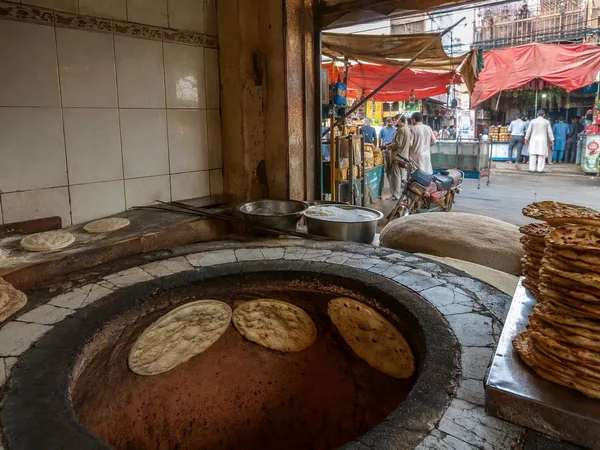
Mozang Bazaar
1 linked stories and routes
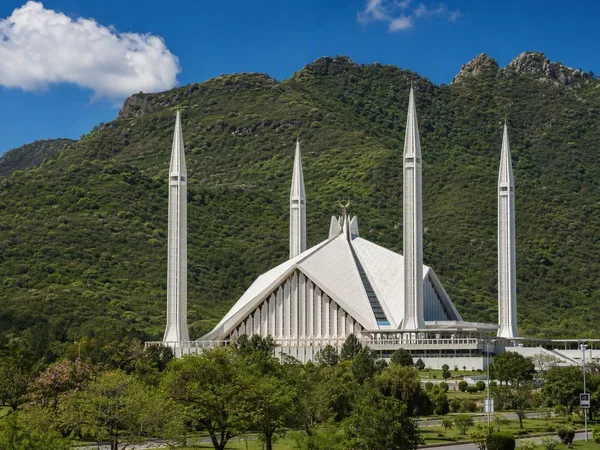
Islamabad
1 linked stories and routes
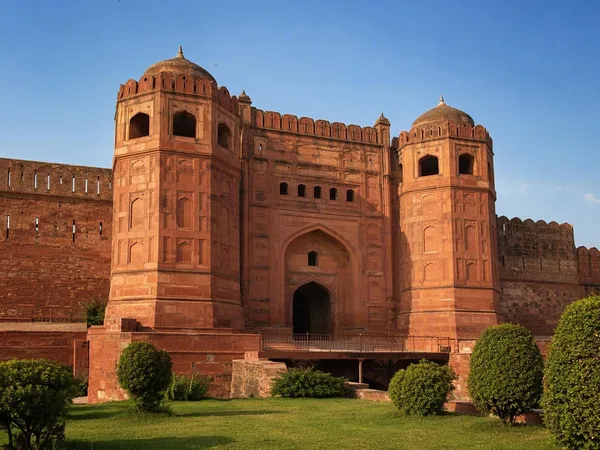
Punjab, Pakistan
1 linked stories and routes
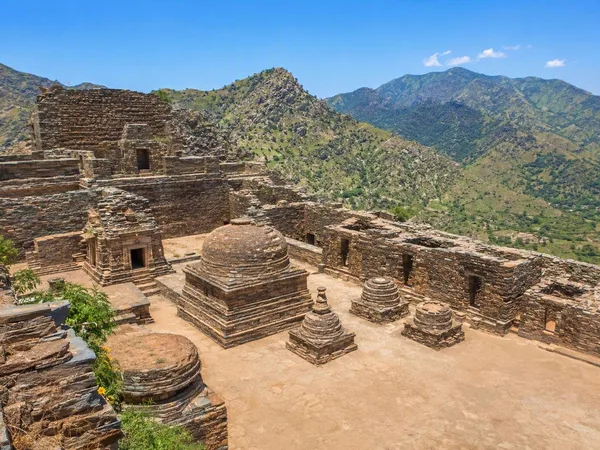
Khyber Pakhtunkhwa
1 linked stories and routes
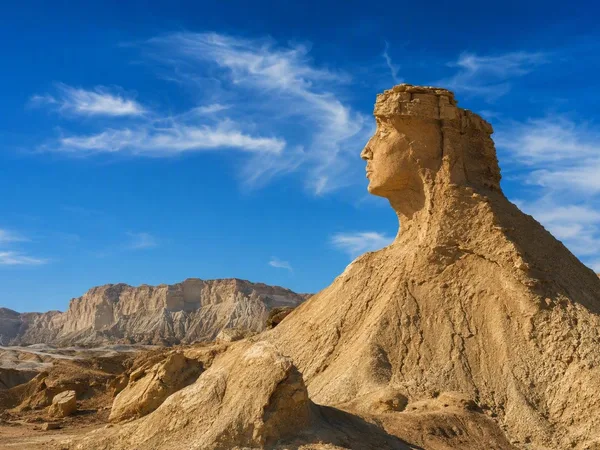
Balochistan
1 linked stories and routes
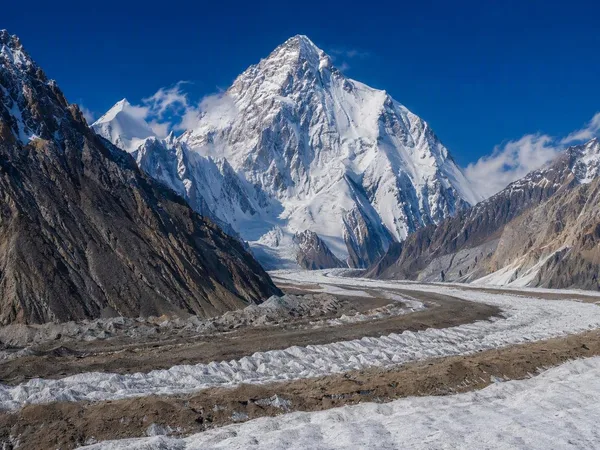
Gilgit-Baltistan
1 linked stories and routes
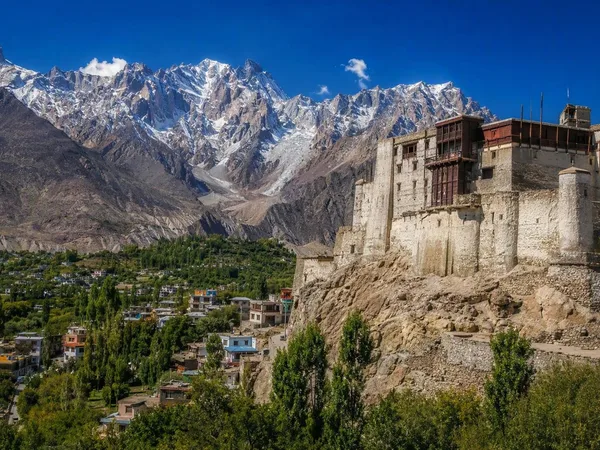
Hunza, Gilgit-Baltistan
1 linked stories and routes
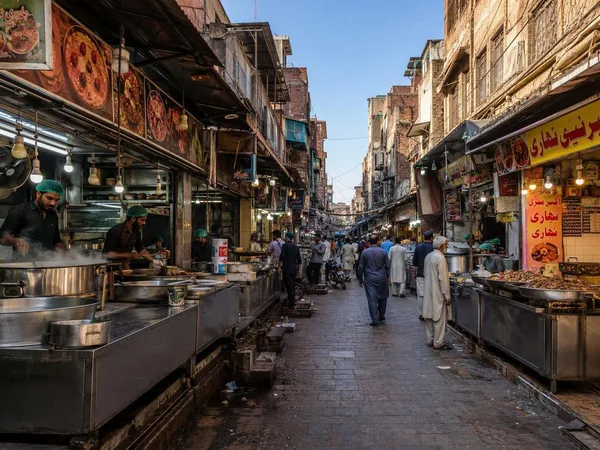
Gawalmandi
0 linked stories and routes
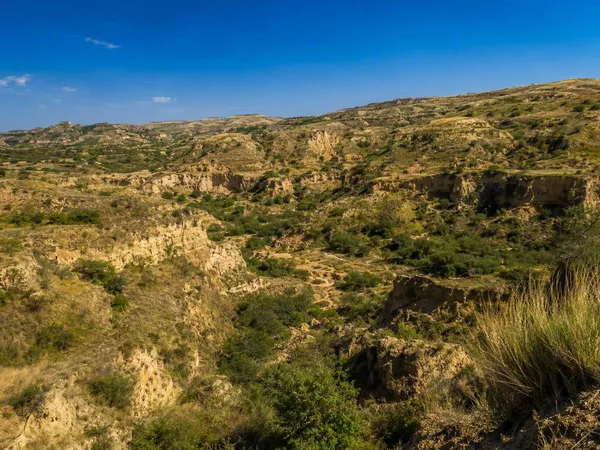
Potohar Plateau
0 linked stories and routes
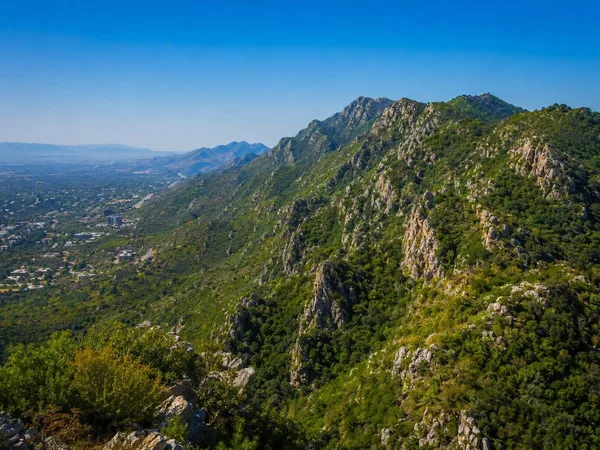
Margalla Hills
0 linked stories and routes
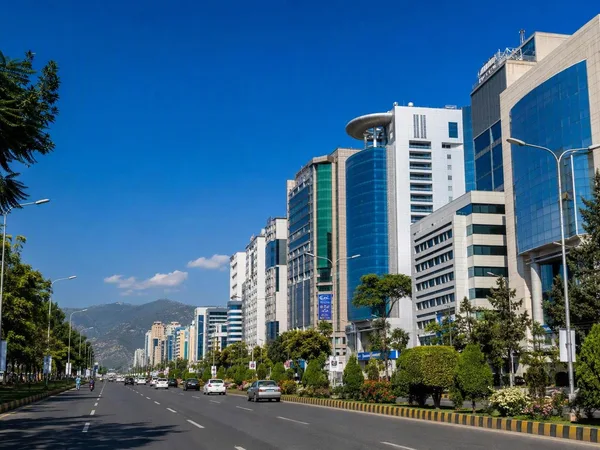
Blue Area, Islamabad
0 linked stories and routes
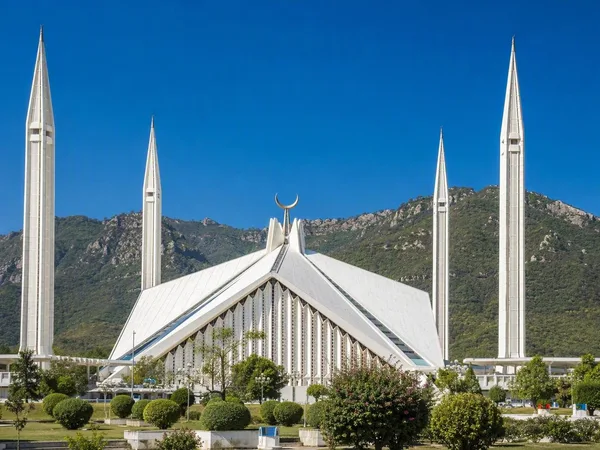
Faisal Mosque
0 linked stories and routes
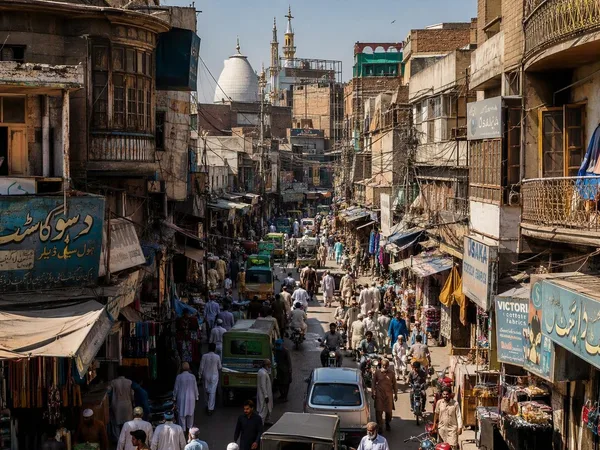
Rawalpindi
0 linked stories and routes
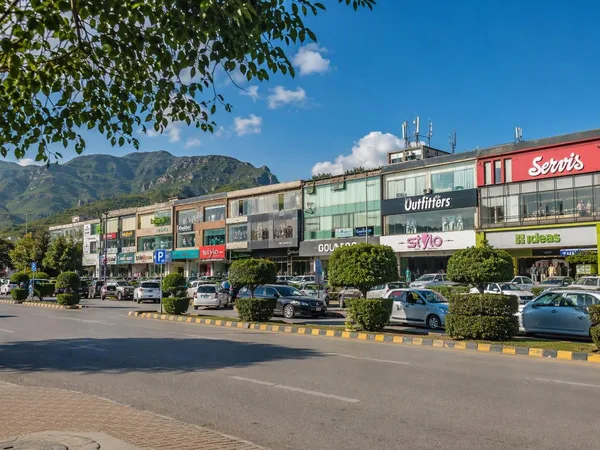
F-6, Islamabad
0 linked stories and routes