
Sight · Pakistan
Faisal Mosque
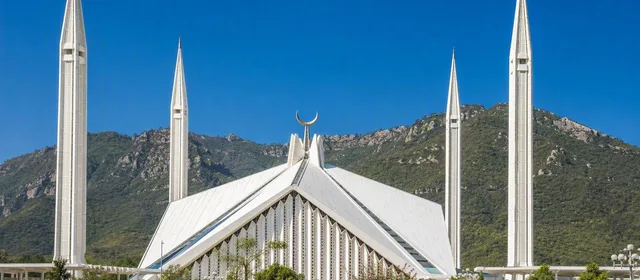
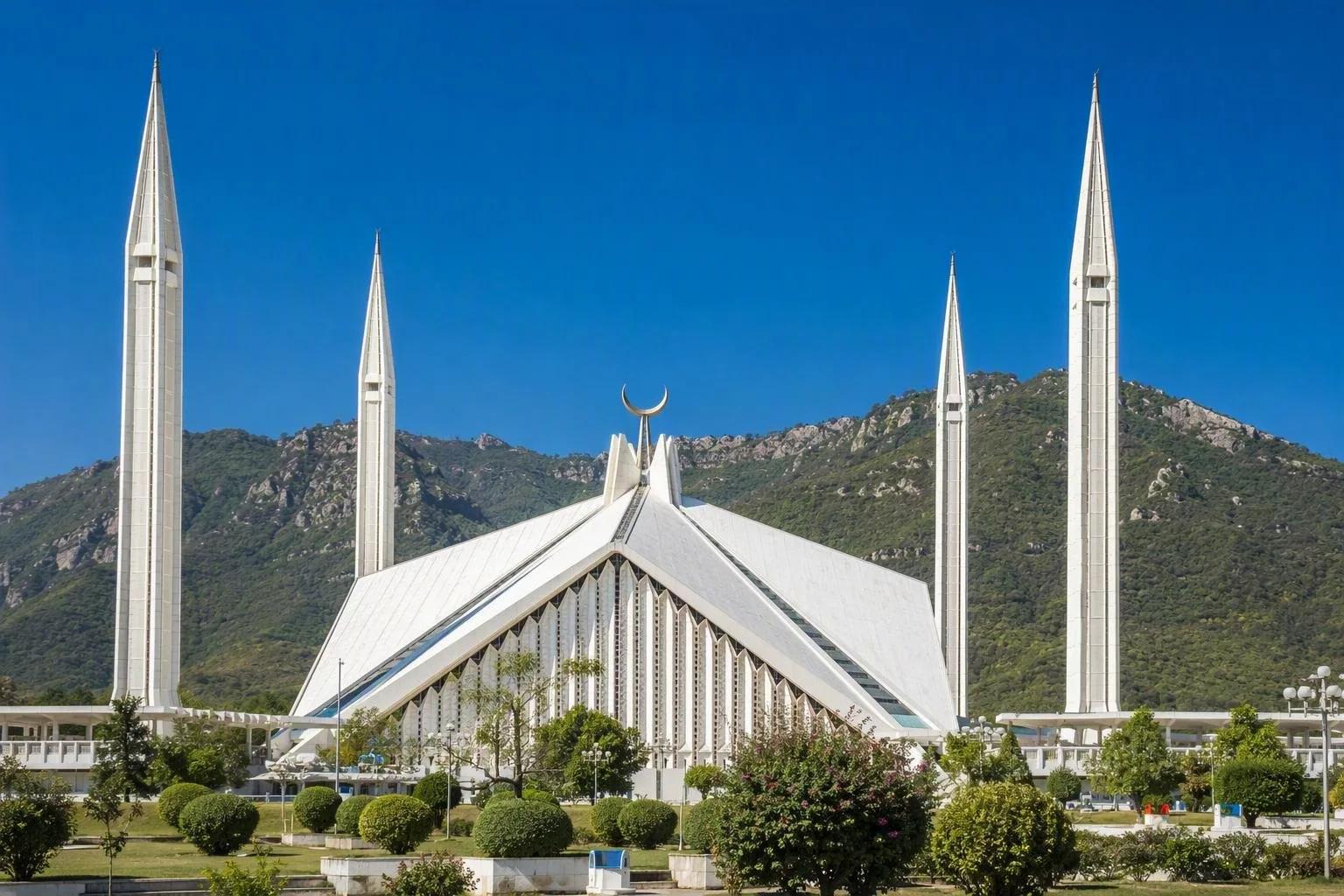
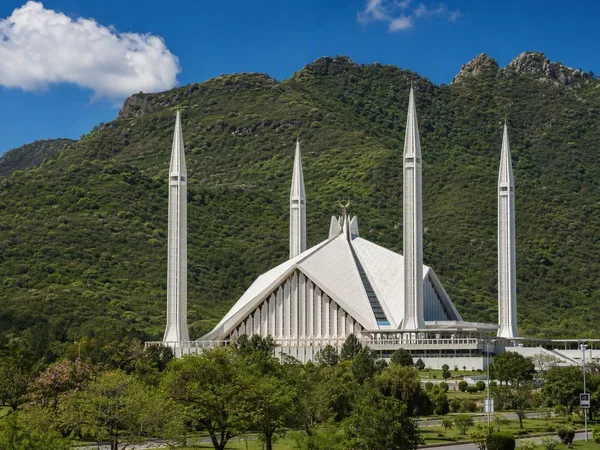
Faisal Mosque is Pakistan’s national mosque at the northern end of Faisal Avenue in Islamabad, set directly below the Margalla Hills. Its sharply folded, dome-free silhouette is one of the capital’s defining landmarks.
Orientation
Faisal Mosque stands on raised ground where Islamabad’s broad avenues meet the foothills of the Margalla Hills. The complex is at the northern end of Faisal Avenue, giving the approach a long, direct view of the mosque’s white form and four minarets. It is an active place of worship as well as a major architectural sight.
Architecture without a dome
Turkish architect Vedat Dalokay designed the mosque after winning an international competition in 1969. Completed in 1986, it was funded by Saudi Arabia and named for King Faisal bin Abdulaziz.
The design rejects the familiar dome-and-arch profile. Its main hall is an eight-sided concrete shell, conceived as an abstract Bedouin tent, with four pencil-like minarets at the corners. The structure is faced in white marble and set against the dark, forested slopes behind it. From the courtyard, look at how the low, angular roofline makes the minarets appear even taller.
What to look for
The exterior and courtyard communicate the building’s scale best. Inside the prayer hall, where access is permitted, the key details are the expansive column-free volume, white marble surfaces, mosaic work, calligraphy and a Turkish-style chandelier.
The mosque remains a working religious site. The grounds and courtyard are the dependable areas for visitors; access to the main prayer hall can be restricted, particularly for non-Muslims or during worship. Follow directions given at the entrance.
Visiting respectfully
Entry is free. Visit between prayer times; Friday midday is the least suitable period for sightseeing because of the main weekly congregation.
- Dress: Cover arms and legs. Women should carry a scarf to cover their hair.
- Shoes: Remove them before entering carpeted or prayer areas.
- Photography: Exterior and courtyard photography is generally practical; do not photograph people praying or disrupt worship.
- Behaviour: Keep voices low and leave space around worshippers.
During Ramadan, Eid and other major observances, the site serves large congregations and visitor access may be more limited.
Getting there
A taxi or ride-hailing car is the simplest way to reach the mosque from central Islamabad. Drivers know Faisal Mosque and the Shah Faisal Avenue approach. There is parking around the complex, but it fills quickly on Fridays and religious holidays. Allow time to walk the large forecourt rather than treating the mosque as a roadside photo stop.
Best light and setting
Come in the morning or late afternoon, outside prayer periods. The low sun defines the folds of the marble shell, while the Margalla Hills provide the essential backdrop. The view works best from the forecourt and approach road: this is a building designed to be read at distance as well as up close.
From the magazine
Stories about Faisal Mosque
Editorial stories linked directly to Faisal Mosque.
No stories about Faisal Mosque have been published yet.
Routes from our editors
Travel through Faisal Mosque
Editorial routes connecting Faisal Mosque with other countries, cities and hotspots.
No routes through Faisal Mosque have been published yet.
More in Pakistan
Related hotspots
Other cities, nature areas and places within Pakistan.
Lahore
3 linked stories and routes
Sindh
2 linked stories and routes
Mozang Bazaar
1 linked stories and routes
Islamabad
1 linked stories and routes
Punjab, Pakistan
1 linked stories and routes
Khyber Pakhtunkhwa
1 linked stories and routes
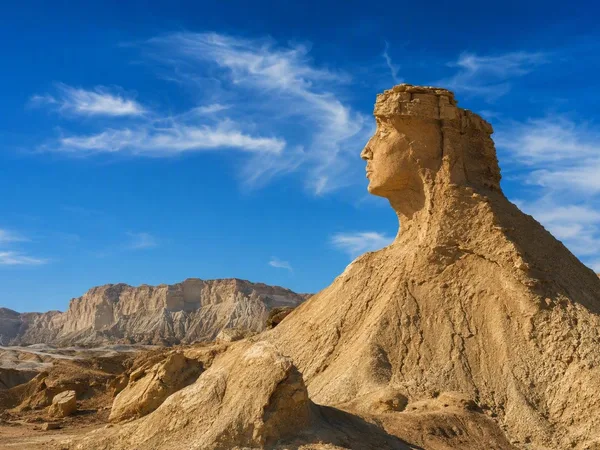
Balochistan
1 linked stories and routes
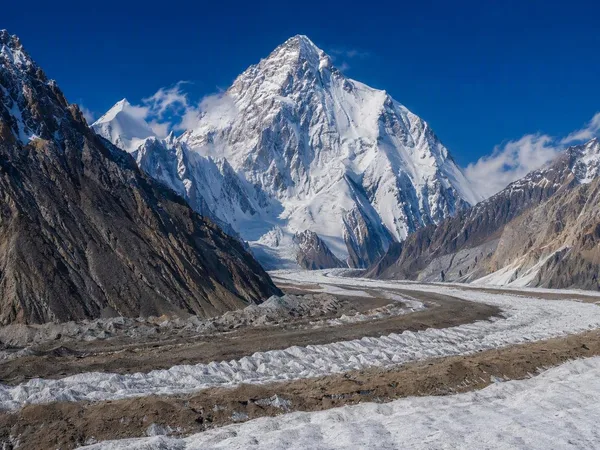
Gilgit-Baltistan
1 linked stories and routes
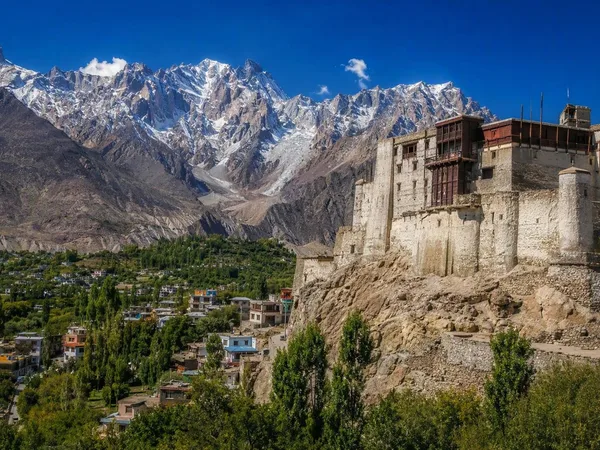
Hunza, Gilgit-Baltistan
1 linked stories and routes
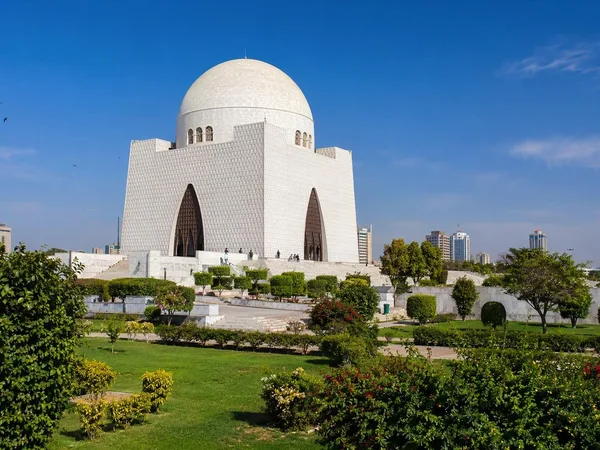
Karachi
1 linked stories and routes
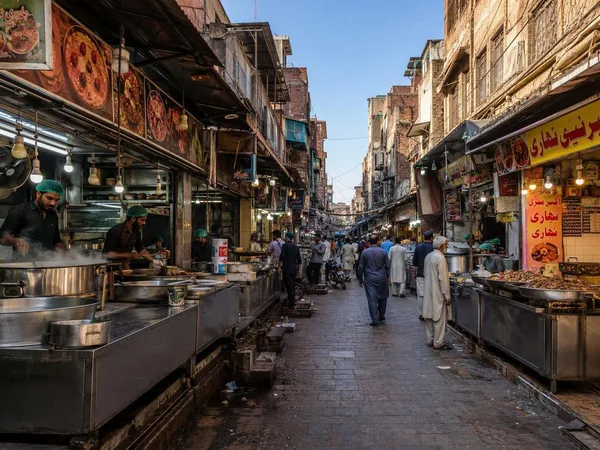
Gawalmandi
0 linked stories and routes
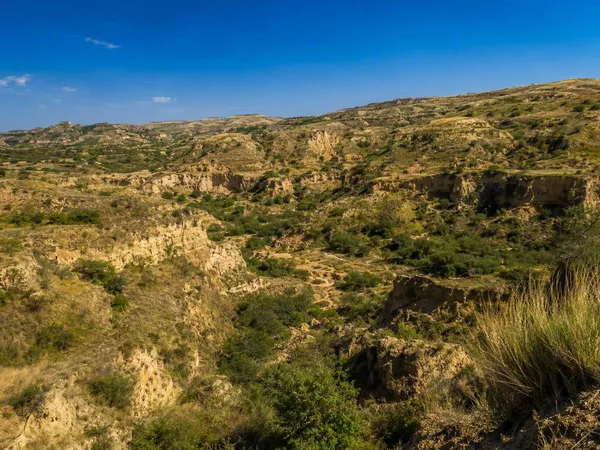
Potohar Plateau
0 linked stories and routes
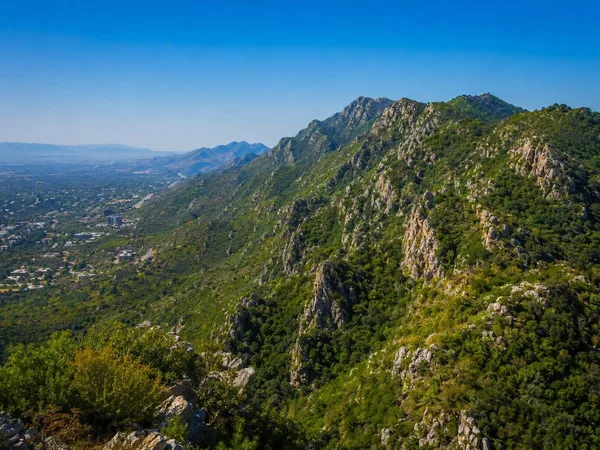
Margalla Hills
0 linked stories and routes
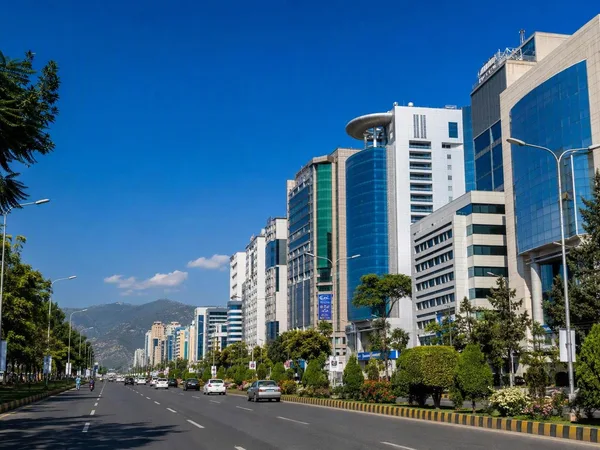
Blue Area, Islamabad
0 linked stories and routes
Rawalpindi
0 linked stories and routes
F-6, Islamabad
0 linked stories and routes