
City · Pakistan
Islamabad
Islamabad is Pakistan’s purpose-built capital, laid out in green, numbered sectors on the Potohar Plateau beneath the Margalla Hills. Come for modern civic landmarks, hill access and a food scene that gathers regional Pakistani cooking rather than one local canon.
Read the city
Islamabad was developed as Pakistan’s new capital in the 1960s, replacing Karachi as the seat of government. Its master plan is the key to getting around: wide avenues connect letter-and-number sectors, while commercial markaz markets serve individual neighbourhoods. There is no historic old-city core to navigate.
The northern edge meets the Margalla Hills; government and diplomatic districts occupy the central and eastern parts of the city. Blue Area, along Jinnah Avenue, is the main commercial corridor. For a practical base, choose a sector near the places you plan to use rather than assuming the city is compact.
Essential landmarks
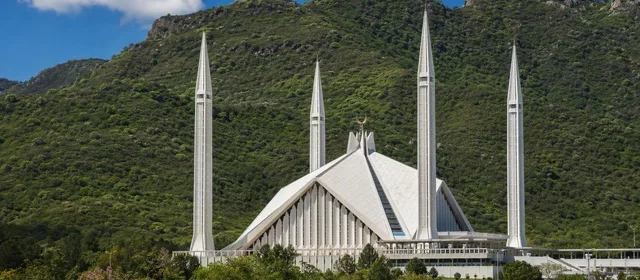
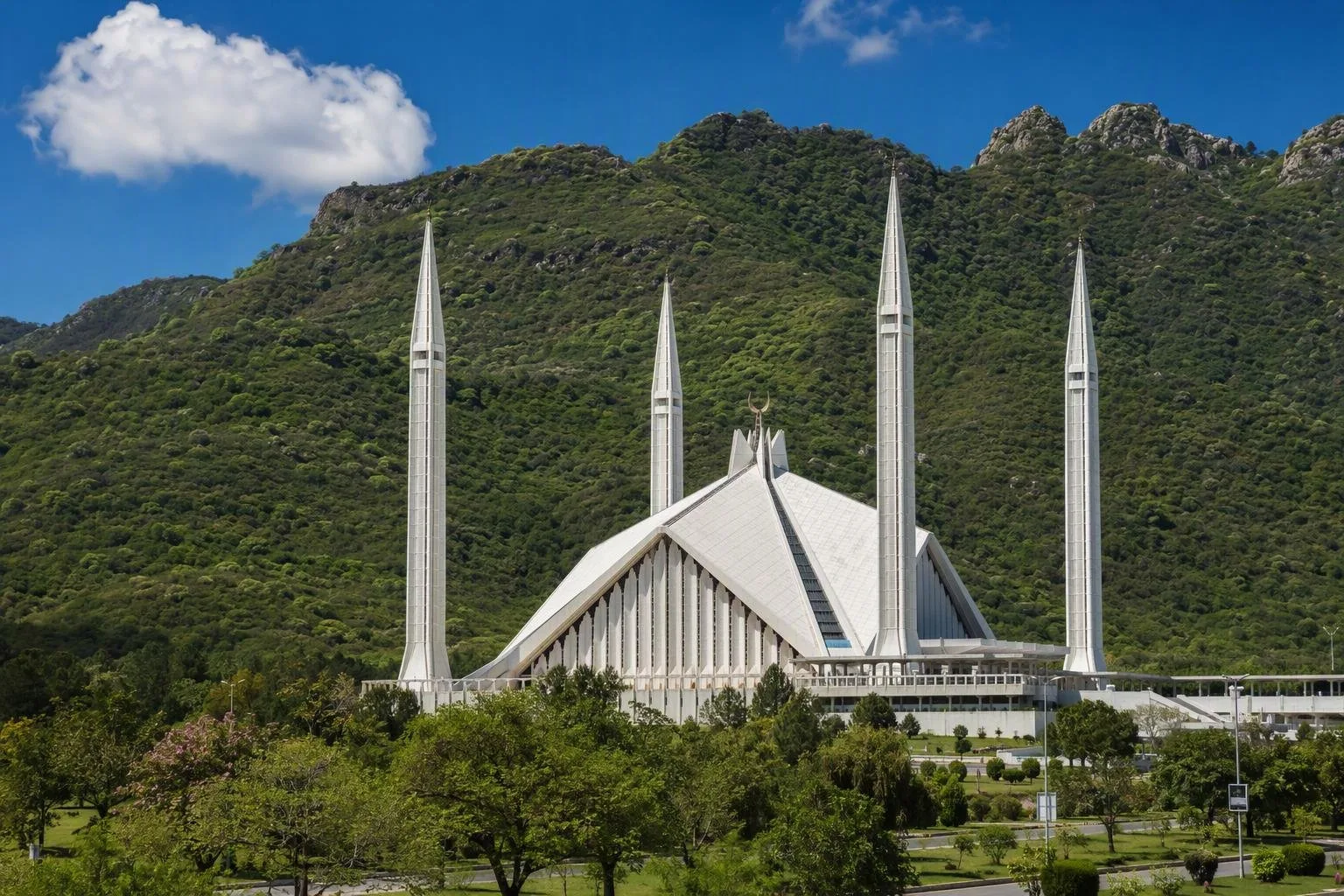
Faisal Mosque is Islamabad’s defining building: an angular, tent-like prayer hall with four needle-thin minarets, positioned at the foot of the hills. Pair it with Daman-e-Koh, the road-accessible viewpoint above the city.
On Shakarparian, the Pakistan Monument provides another city panorama. The nearby Lok Virsa Museum is the useful stop for a concise introduction to Pakistan’s regional crafts and folk traditions.
For a layer older than the capital, head to the Shah Allah Ditta caves on the Margalla’s southern side. These protected rock shelters sit in a small valley northwest of central Islamabad.
Margalla Hills access
The Margalla Hills are not a distant day trip but Islamabad’s northern boundary. The national park includes trails, viewpoints and forested slopes; Daman-e-Koh and Pir Sohawa are reached by road, while hiking requires more preparation.
- Start walks early, especially in warmer months.
- Carry water and stay on established routes.
- Do not treat hill trails as an extension of the city: weather and footing change quickly after rain.
Eating across the sectors
Islamabad’s food culture reflects its role as a national capital. Instead of one inherited food quarter, restaurants and markets distribute the cooking of Punjab, Khyber Pakhtunkhwa, Sindh and Balochistan across the sectors.
Look for karahi, meat cooked in a wide iron pan, alongside tandoor naan, paratha and dal. Pashtun-influenced choices include chapli kebab, Kabuli pulao and sohbat or painda—torn flatbread softened in chicken gravy and served from a shared platter. Balochi-style sajji appears more often as roasted chicken with rice in the capital, rather than as the traditional large roast.
Blue Area suits an office-hour meal; F-10 and F-11 have residential markets and specialist restaurants. Treat the sector name as part of the address when arranging a ride.
Moving around and timing
Islamabad’s avenues are clear on a map but distances between sectors are substantial. Use a car, taxi or ride-hailing service for cross-city journeys; walking works best within one sector or around a single sight.
Spring and autumn are the most comfortable periods for outdoor stops. Summers are hot and humid with monsoon rain, while winter evenings can be cool. Government zones, the diplomatic enclave and major religious sites can have controlled access; keep identification with you and allow extra time around security points.
From the magazine
Stories about Islamabad
Editorial stories linked directly to Islamabad.
No stories about Islamabad have been published yet.
Routes from our editors
Travel through Islamabad
Editorial routes connecting Islamabad with other countries, cities and hotspots.
No routes through Islamabad have been published yet.
More in Pakistan
Related hotspots
Other cities, nature areas and places within Pakistan.
Lahore
3 linked stories and routes
Sindh
2 linked stories and routes
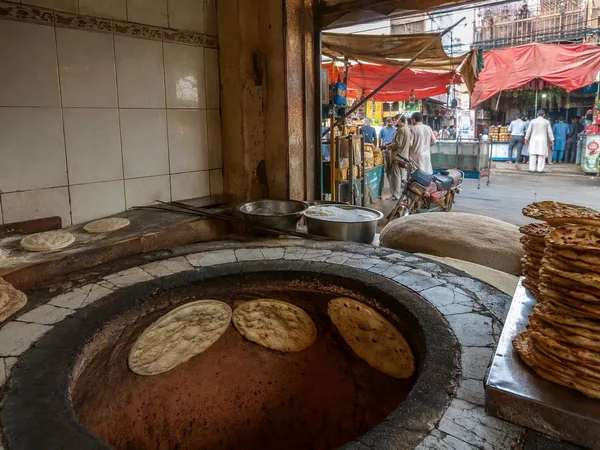
Mozang Bazaar
1 linked stories and routes
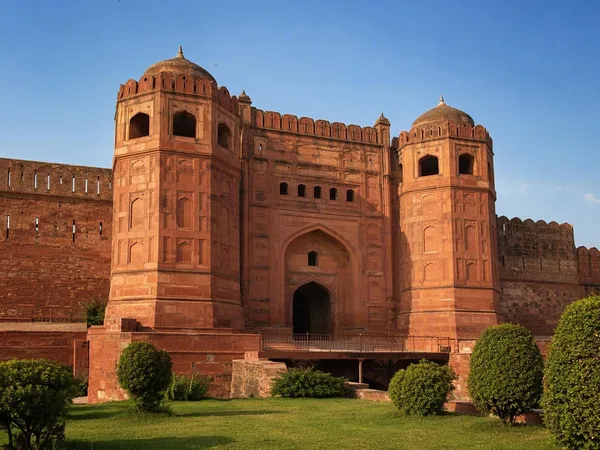
Punjab, Pakistan
1 linked stories and routes
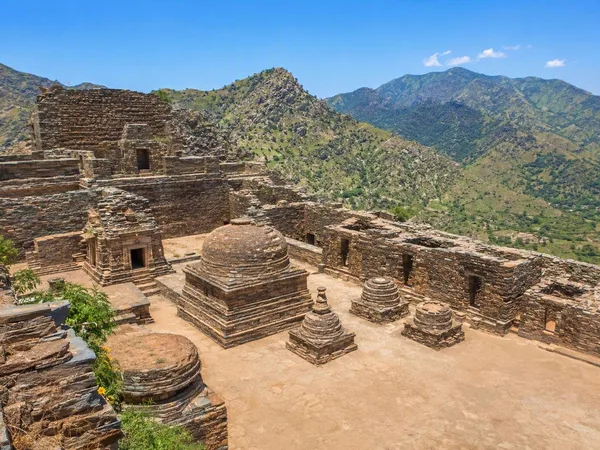
Khyber Pakhtunkhwa
1 linked stories and routes
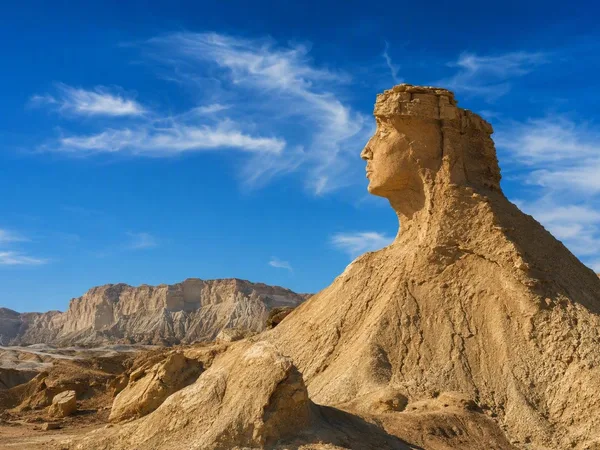
Balochistan
1 linked stories and routes
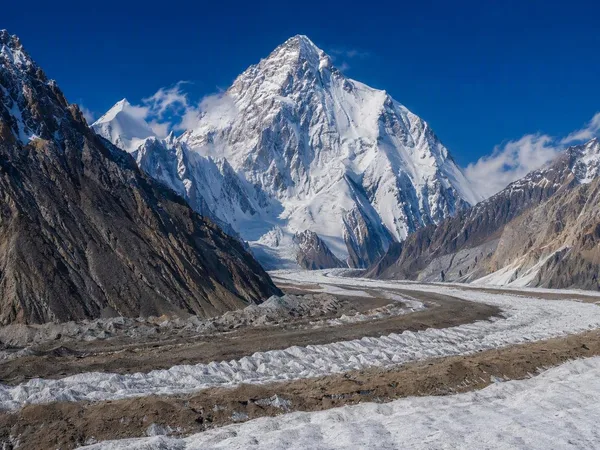
Gilgit-Baltistan
1 linked stories and routes
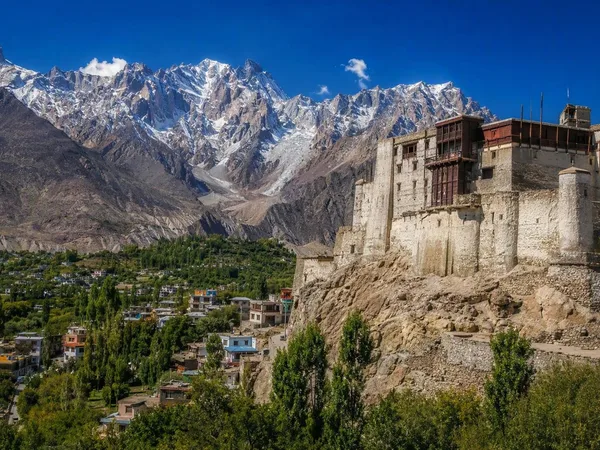
Hunza, Gilgit-Baltistan
1 linked stories and routes
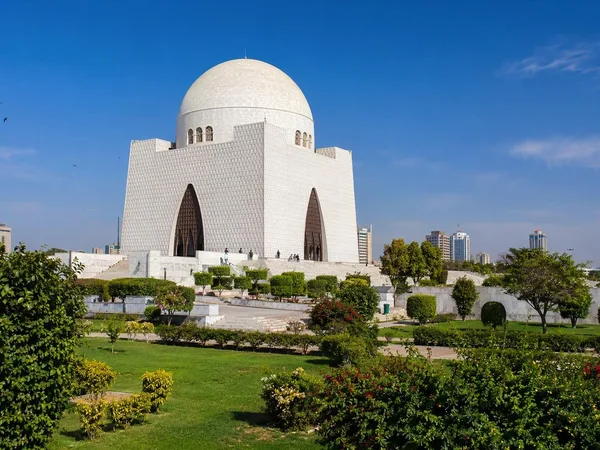
Karachi
1 linked stories and routes
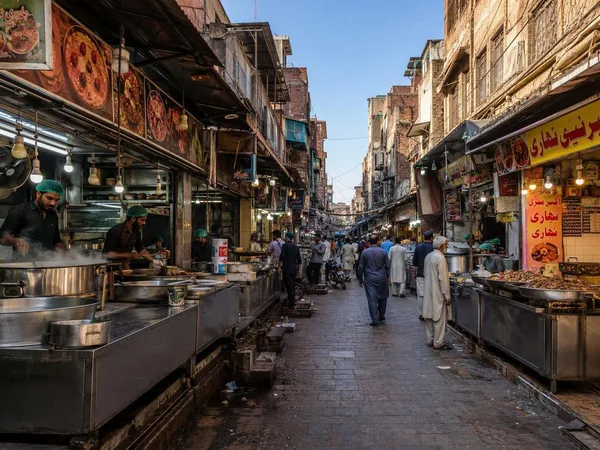
Gawalmandi
0 linked stories and routes
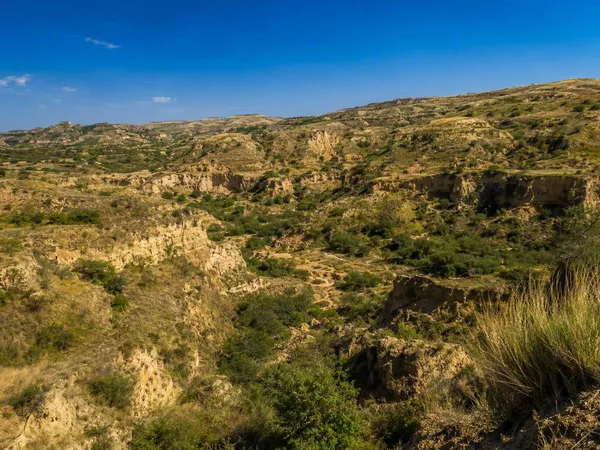
Potohar Plateau
0 linked stories and routes
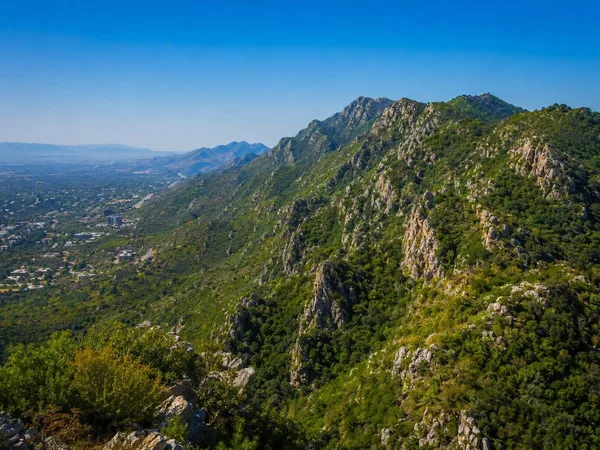
Margalla Hills
0 linked stories and routes
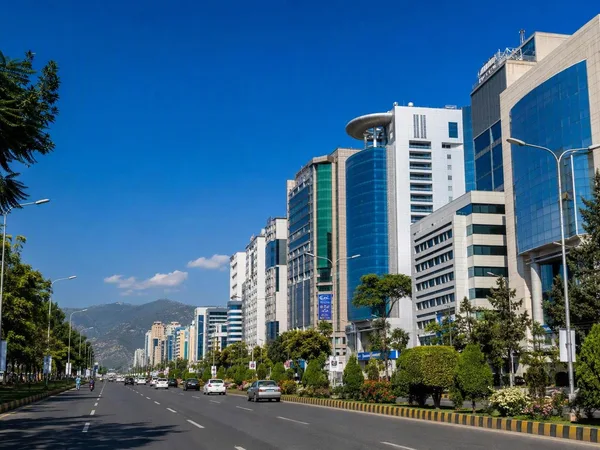
Blue Area, Islamabad
0 linked stories and routes
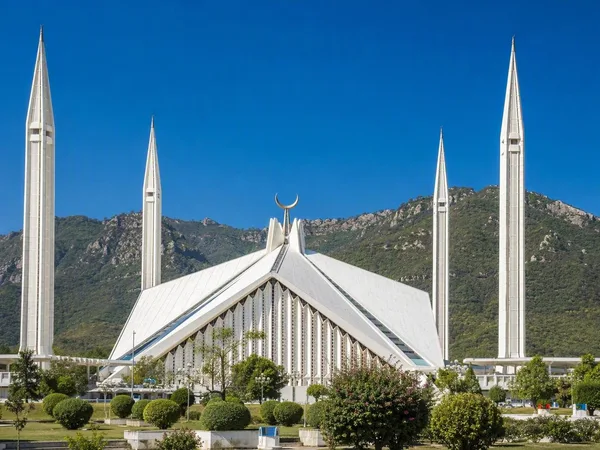
Faisal Mosque
0 linked stories and routes
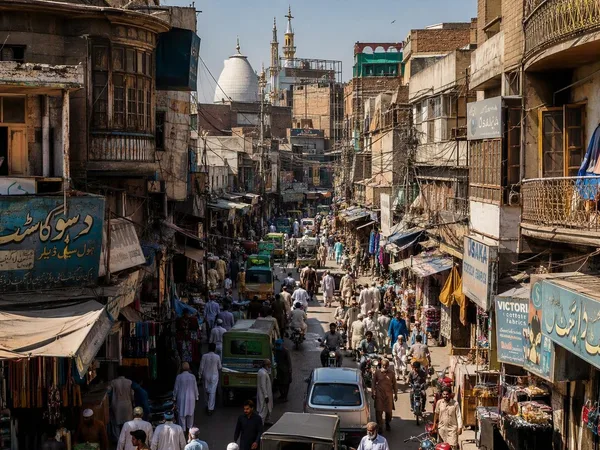
Rawalpindi
0 linked stories and routes
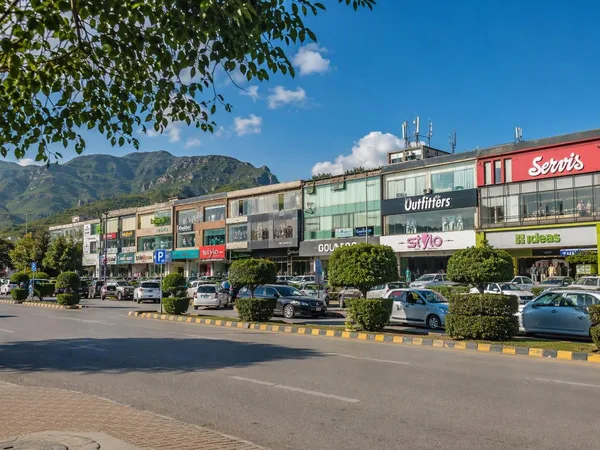
F-6, Islamabad
0 linked stories and routes