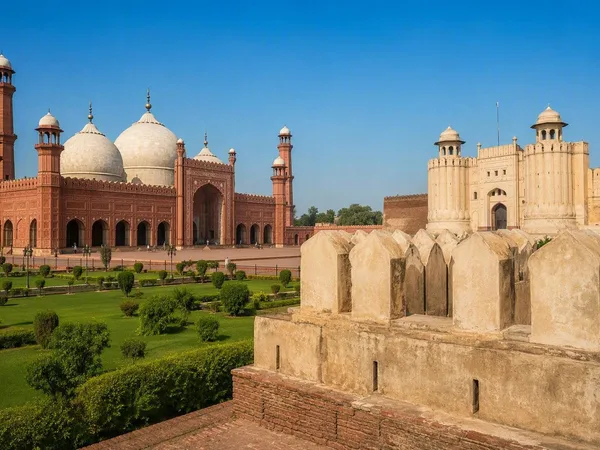
Pakistan comes into focus when you see Lahore’s Mughal brickwork, the ruins at Mohenjo-daro and the peaks above Hunza as parts of the same long-settled land. Rivers fed by the Karakoram and Hindu Kush cross the Indus plain before reaching the Arabian Sea. In the north, roads pass apricot orchards and stone villages around Hunza and Skardu. Far to the south, Mohenjo-daro preserves gridded streets and brick drains from the Indus civilisation. Lahore Fort, mosques and gardens show the wealth of later courts and regional dynasties.
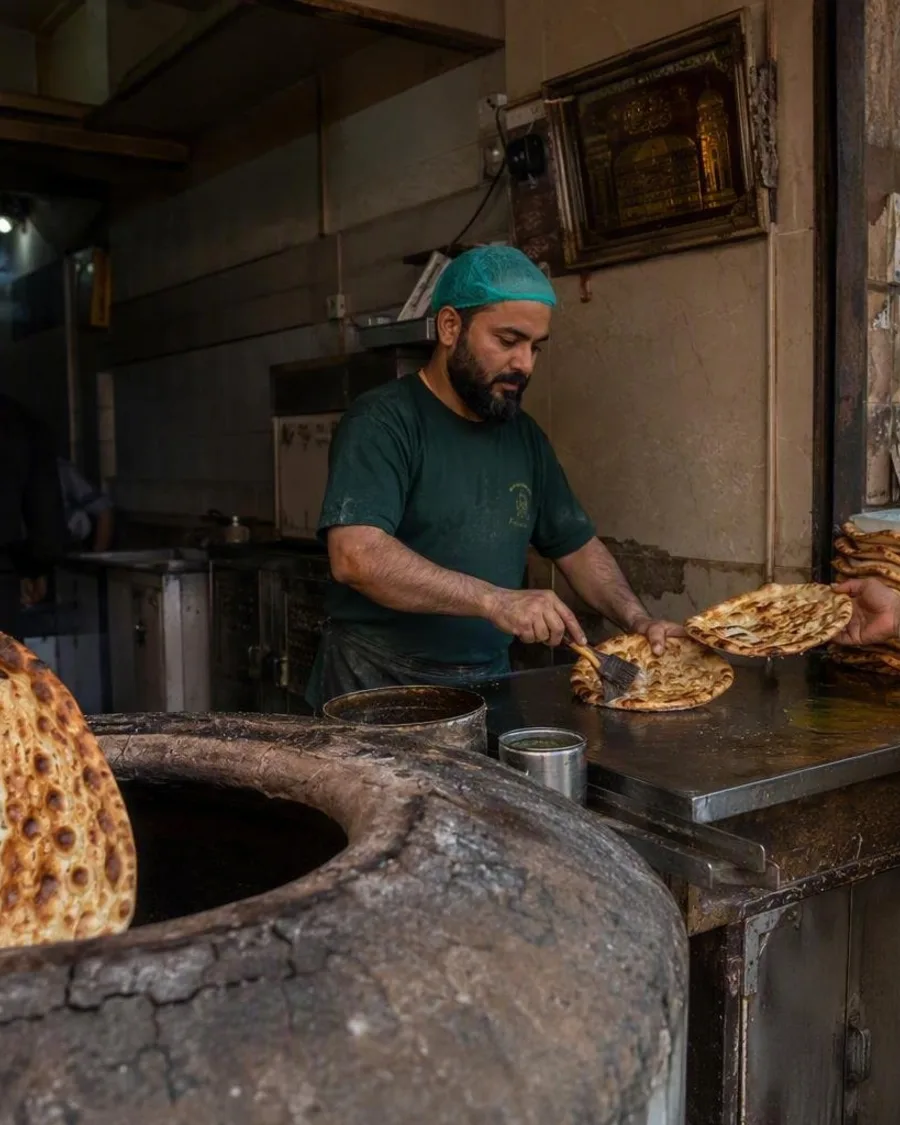
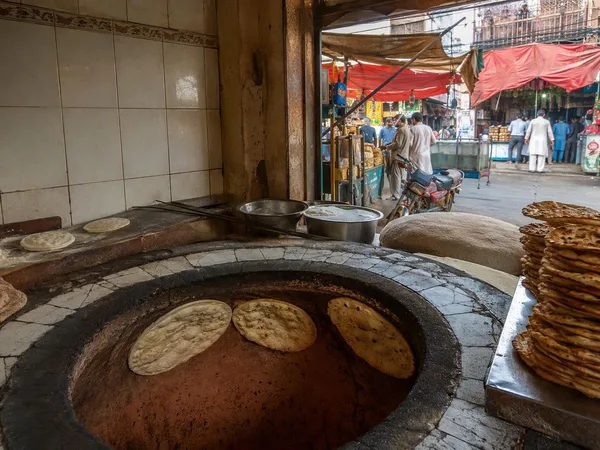
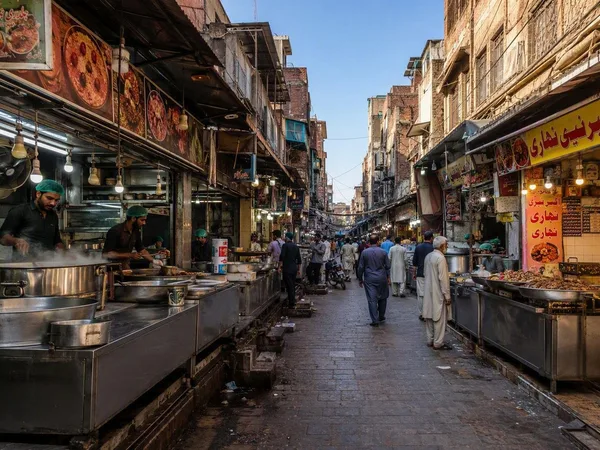
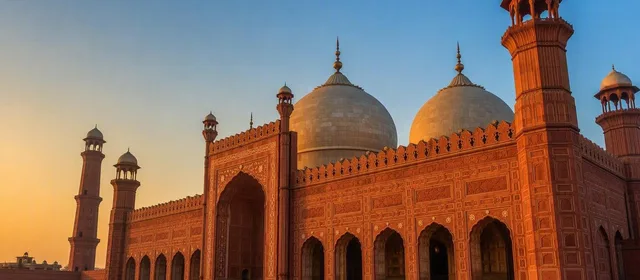
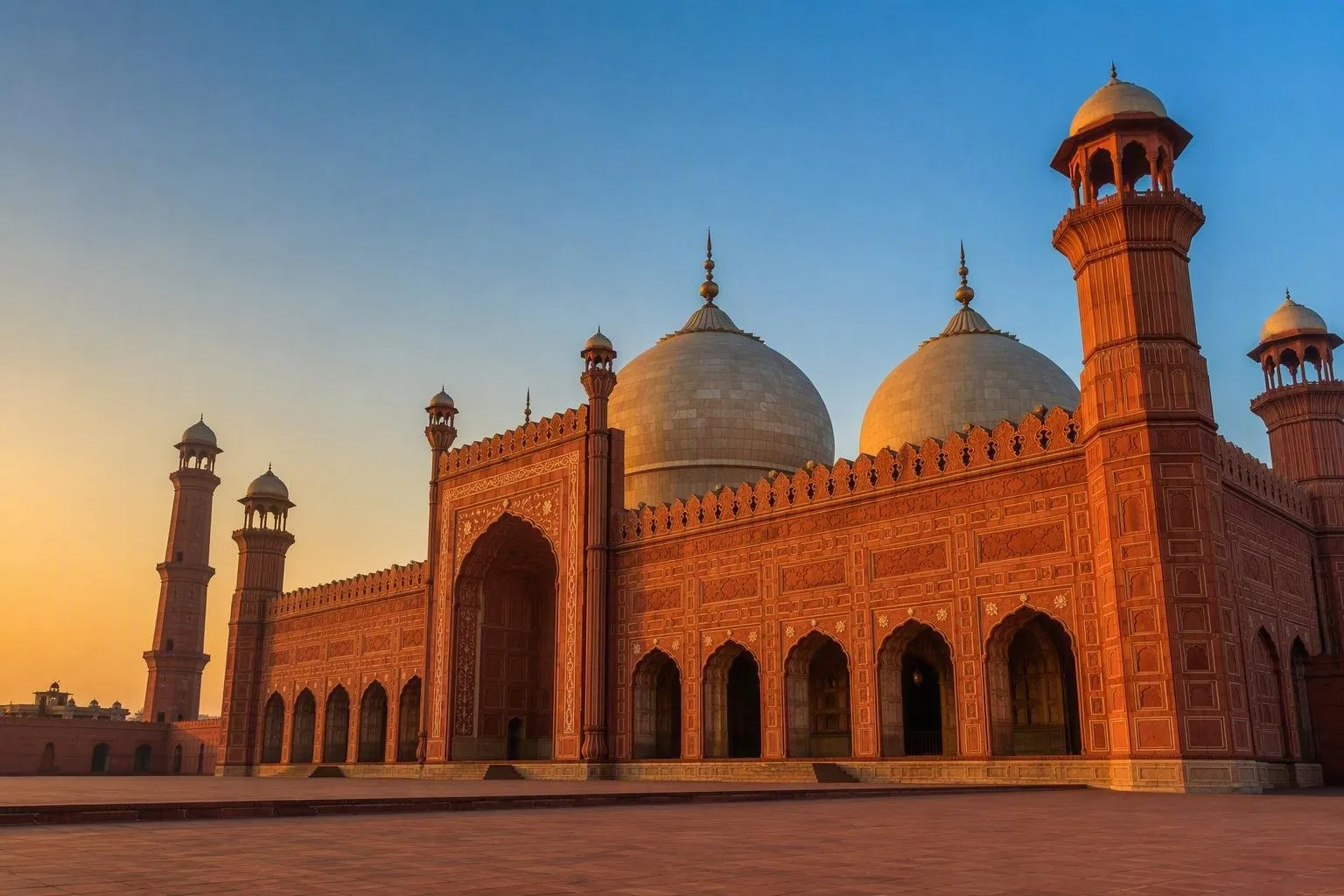
The red sandstone walls and marble domes of Lahore’s Badshahi Mosque stand opposite Lahore Fort. In the old city, vendors work among bazaars and small workshops, while food stalls grill kebabs and serve chana with flaky parathas. Across the Ravi in Shahdara, Emperor Jahangir’s tomb sits within formal gardens and patterned stonework.
Karachi shows a different scale. Pakistan’s largest city grew around an Arabian Sea port, and its restaurants draw on Sindhi, Baloch, Pashtun, Punjabi and migrant cooking. In Multan, potters make blue-glazed wares, and domed shrines mark the graves of Sufi saints. Trade, migration and faith have left clear marks in these cities, their food and their craft. Take time to linger in more than one place, and Pakistan offers plenty to talk about over a long meal.