
Province · Pakistan
Punjab, Pakistan
Punjab is Pakistan’s populous eastern province: a vast river plain of irrigated farmland, major cities and layered Indus Valley, Mughal, Sikh and colonial-era heritage. Lahore is its capital and the natural first base.
Read the landscape
Punjab means “five waters”: the historic river country of the Jhelum, Chenab, Ravi, Beas and Sutlej. In Pakistan, the Indus plain and its tributaries define most of the province, while the Potohar Plateau, Salt Range and northern hills break the flat horizon. The south shifts towards the Cholistan Desert.
This is a large province, not a single-stop destination. Treat Lahore, the central plains, the north and the southern desert belt as separate trips rather than trying to cross Punjab in a few days.
Choose a useful base
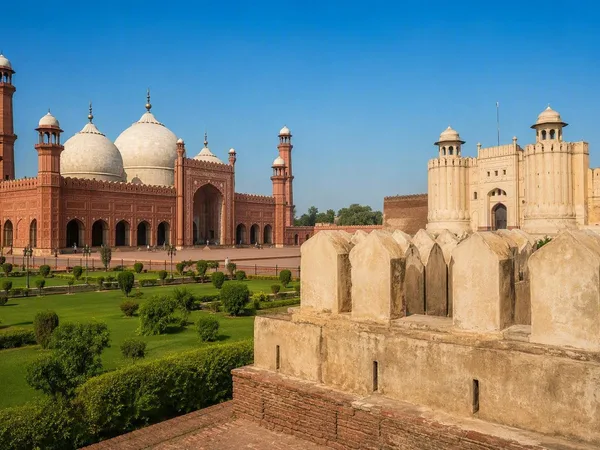
Lahore is the practical starting point for Mughal architecture, museums, urban food and rail or road connections. Its old city, Lahore Fort, Badshahi Mosque and Shalimar Gardens deserve dedicated time.
For a wider route, build around a clear theme:
- Ancient and religious heritage: Taxila’s archaeological landscape, Katas Raj, Nankana Sahib and the Sufi shrines of Multan.
- Fortifications and desert: Rohtas Fort near Jhelum, then Bahawalpur and the Cholistan Desert for Derawar Fort.
- Hill country: Murree, Bhurban and Patriata in the north offer a markedly cooler setting than the plains.
Road travel is the normal way to link sites outside the principal cities. Distances are substantial; plan one region at a time and allow for city traffic around Lahore and Rawalpindi.
See the historical layers
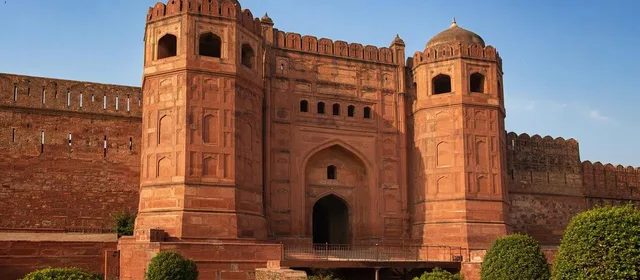
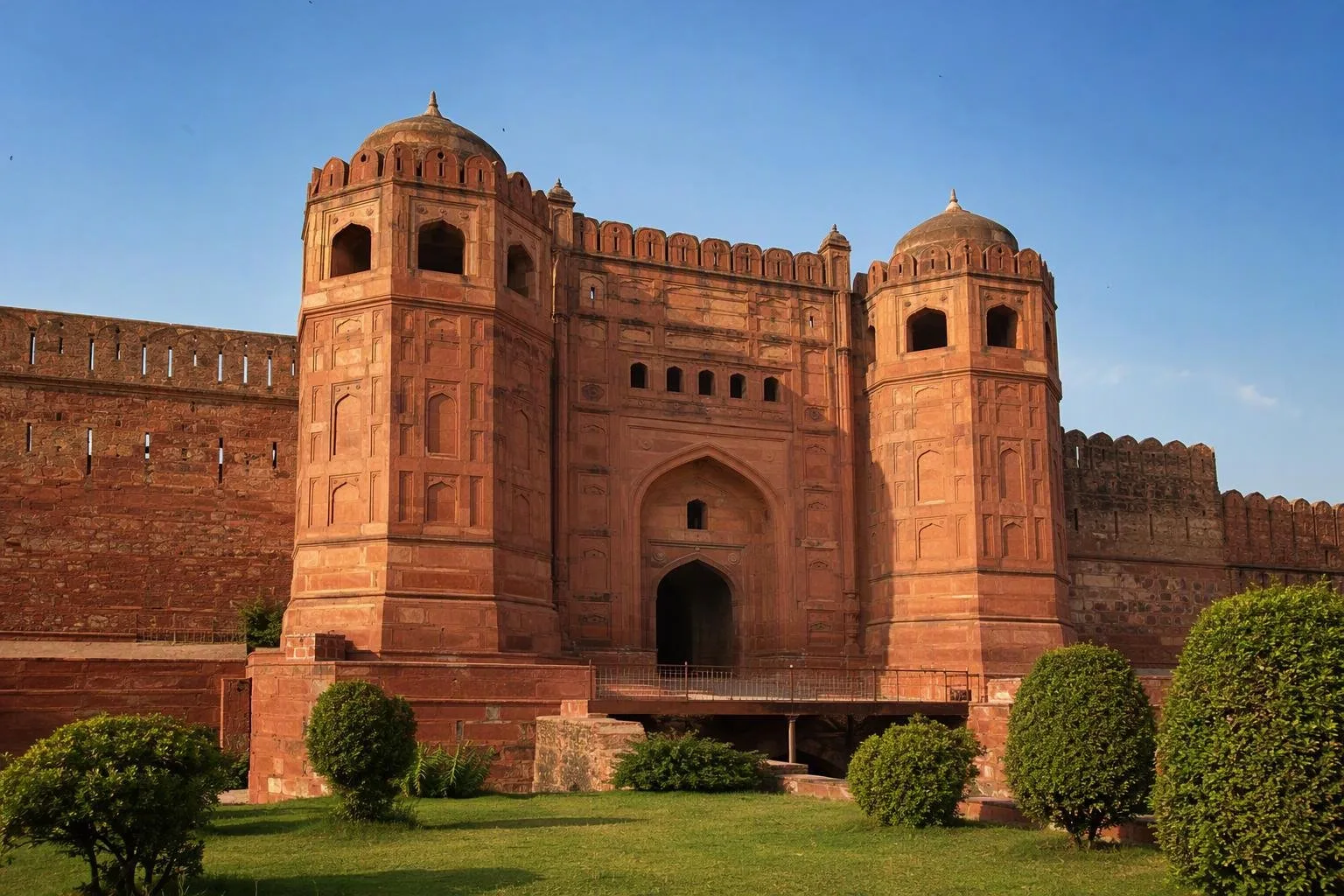
Punjab’s headline sites span very different periods. Harappa preserves the remains of an Indus Valley city. Taxila records centuries of Buddhist, Persian, Greek and later settlement. Rohtas Fort is a formidable 16th-century defensive complex.
In Lahore, focus on the paired World Heritage monuments: Lahore Fort, with Mughal palaces, mosques and decorative work, and Shalimar Gardens, arranged over three terraces with water features and pavilions. They are seven kilometres apart, so schedule them as separate visits rather than assuming they are one compound.
Religious places remain active places of worship and pilgrimage. Dress modestly, remove shoes where required, and do not obstruct worshippers or photograph people without permission.
Eat with the province
Punjabi cooking is direct and substantial. Order tandoor naan or layered paratha with dal, chickpeas, kebabs or tomato-and-ginger-led karahi. Breakfast can mean aloo paratha, chana and milky doodh patti tea; share dishes if you want to sample broadly.
The plains are intensely hot in summer, while winters can bring fog. Spring and the cooler months are the most comfortable for city walks, forts and desert travel; northern hill areas follow a different, cooler pattern.
From the magazine
Stories about Punjab, Pakistan
Editorial stories linked directly to Punjab, Pakistan.
No stories about Punjab, Pakistan have been published yet.
Routes from our editors
Travel through Punjab, Pakistan
Editorial routes connecting Punjab, Pakistan with other countries, cities and hotspots.
No routes through Punjab, Pakistan have been published yet.
More in Pakistan
Related hotspots
Other cities, nature areas and places within Pakistan.
Lahore
3 linked stories and routes
Sindh
2 linked stories and routes
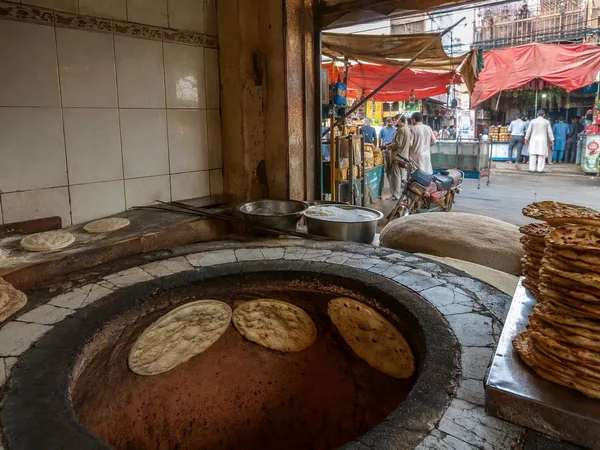
Mozang Bazaar
1 linked stories and routes
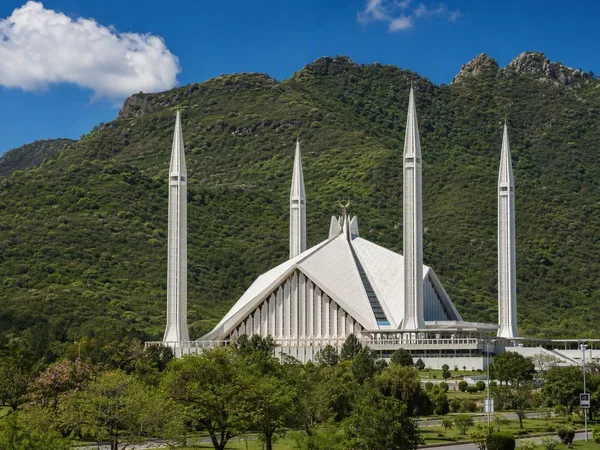
Islamabad
1 linked stories and routes
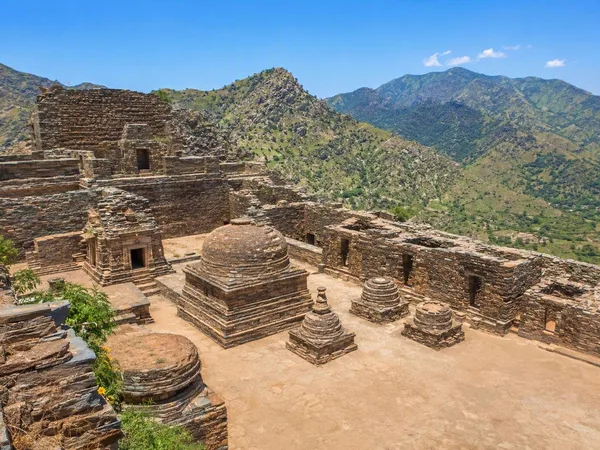
Khyber Pakhtunkhwa
1 linked stories and routes
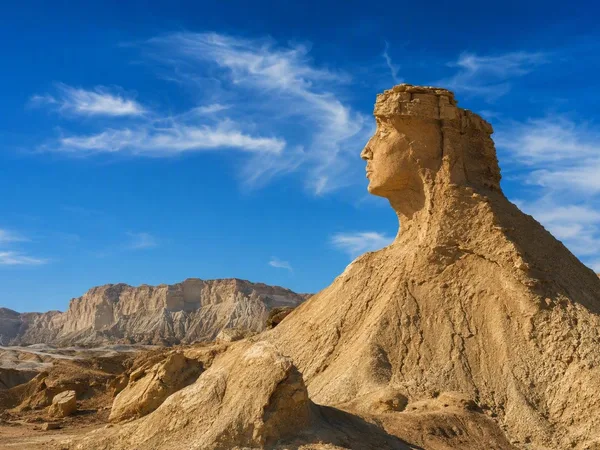
Balochistan
1 linked stories and routes
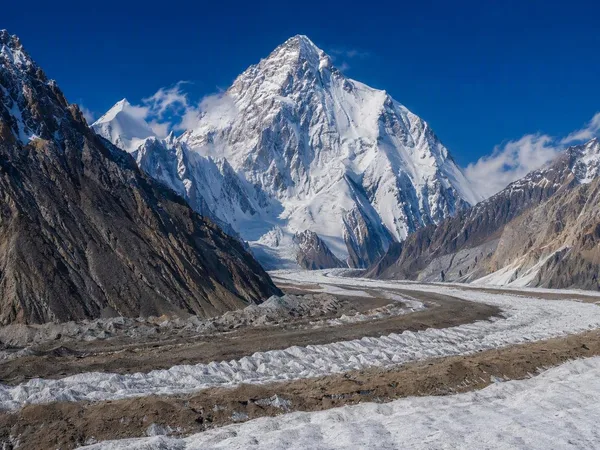
Gilgit-Baltistan
1 linked stories and routes
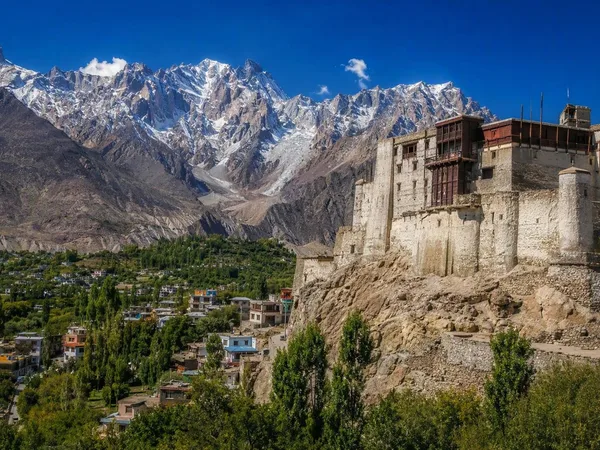
Hunza, Gilgit-Baltistan
1 linked stories and routes
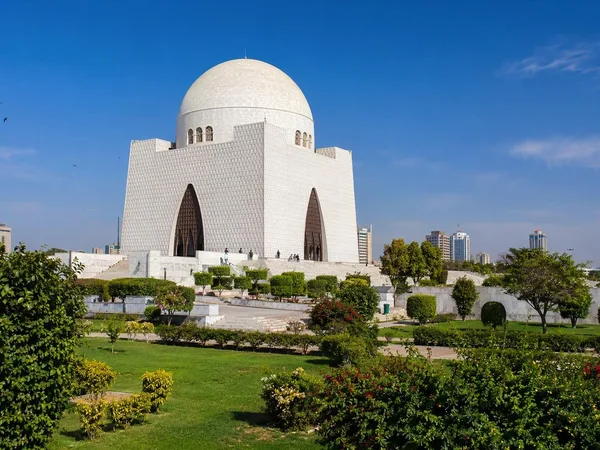
Karachi
1 linked stories and routes
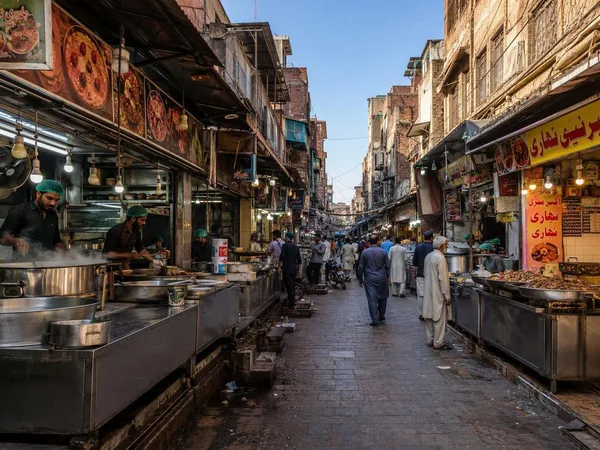
Gawalmandi
0 linked stories and routes
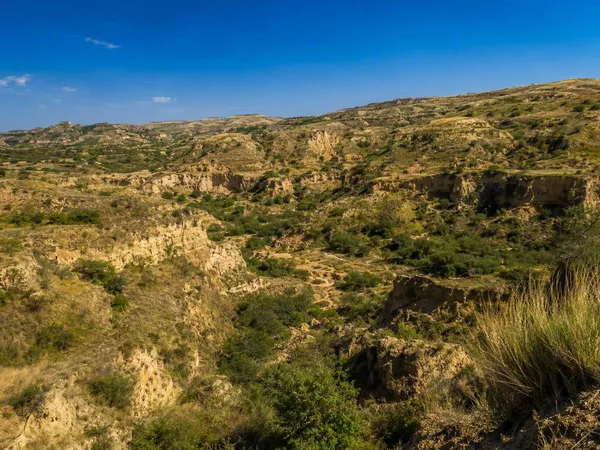
Potohar Plateau
0 linked stories and routes
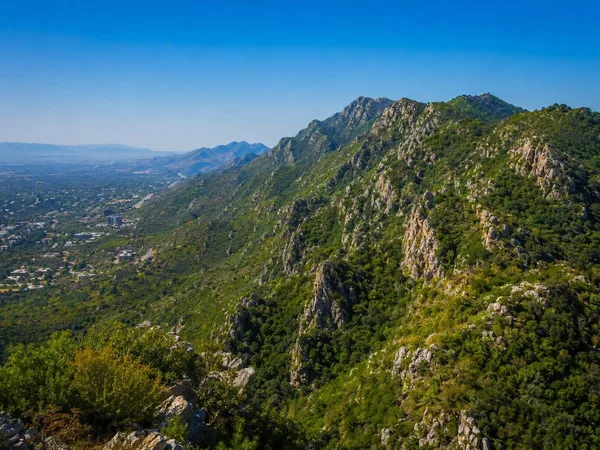
Margalla Hills
0 linked stories and routes
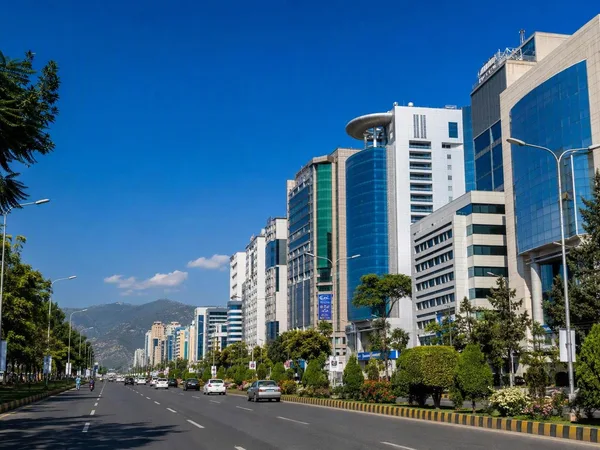
Blue Area, Islamabad
0 linked stories and routes
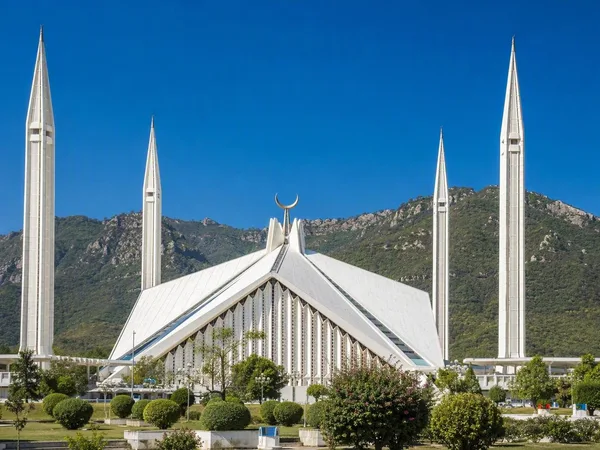
Faisal Mosque
0 linked stories and routes
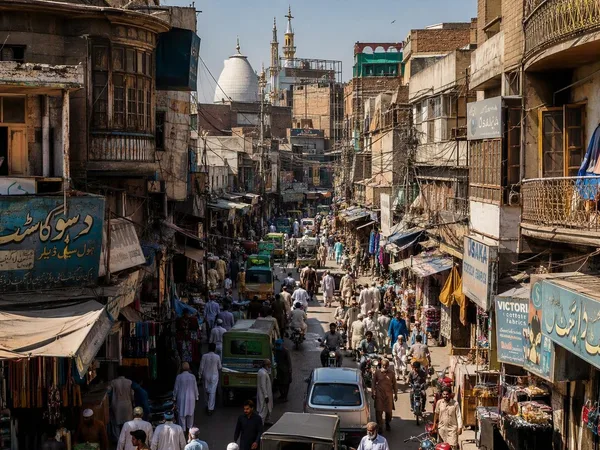
Rawalpindi
0 linked stories and routes
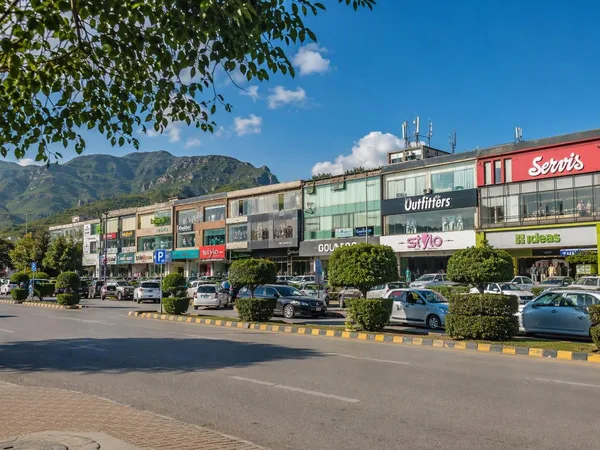
F-6, Islamabad
0 linked stories and routes