
Region · India
Thar Desert
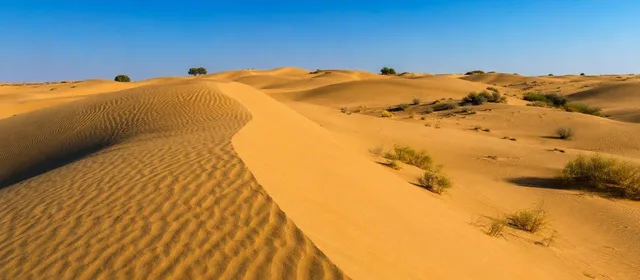
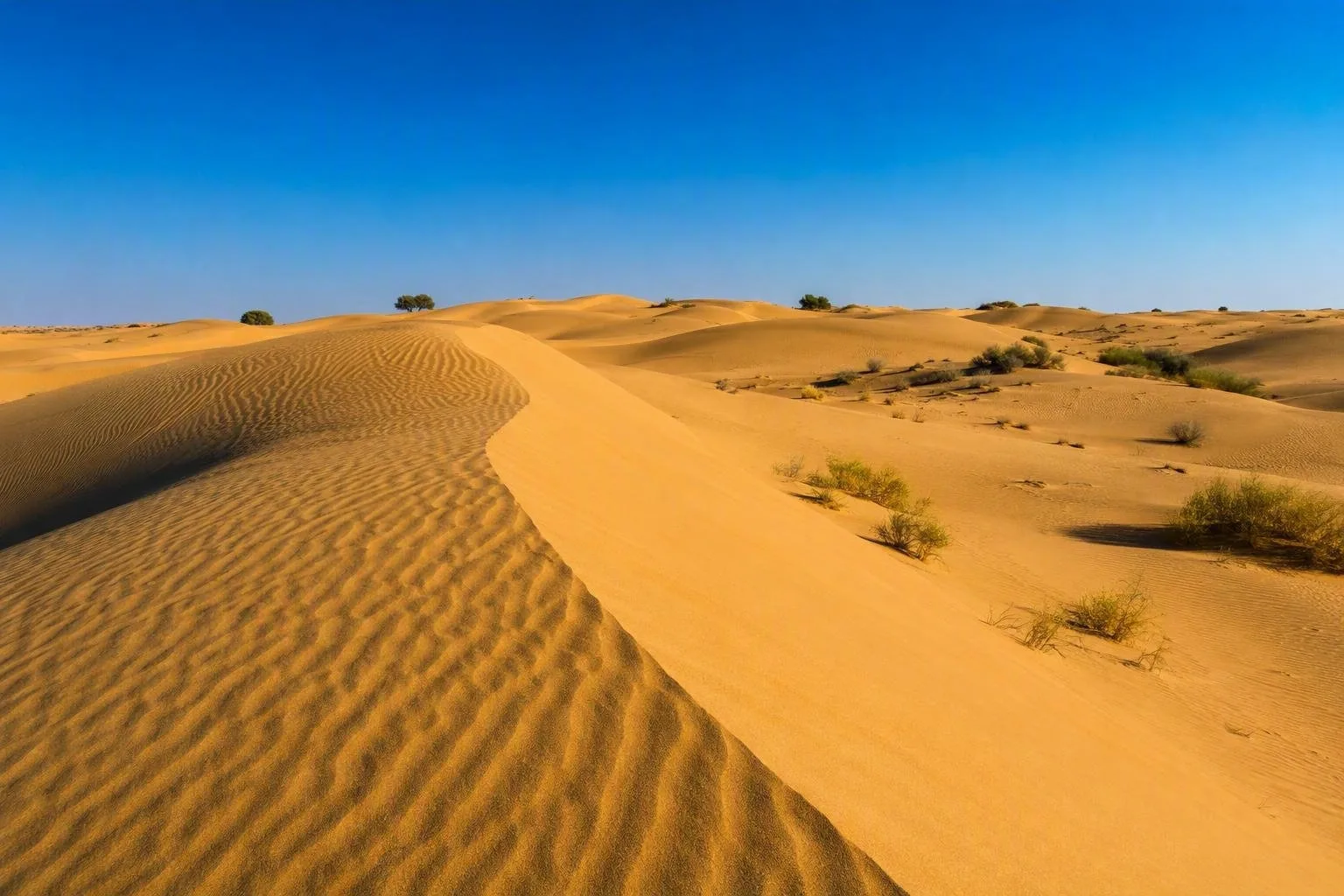
The Thar, or Great Indian Desert, is a vast arid region centred on western Rajasthan and extending into eastern Pakistan. Jaisalmer is the principal Indian gateway for dune-country excursions.
Orientation
The Thar is not a single sea of sand. Its Indian core lies in western Rajasthan, while the wider desert continues across the border into Pakistan. Dunes, sandy plains, low barren hills and saline lake beds share the landscape; the classic tourist dune fields are around Jaisalmer.
For a first visit, use Jaisalmer as the base. It has rail and air connections, accommodation and operators for trips into the desert. The city itself is separate from the desert experience, but its fort, temples and water structures make a strong cultural counterpart to the open country.
Choosing a desert outing
Two main formats work well from Jaisalmer:
- Jeep transfer or safari: the practical option for reaching dune areas and covering ground quickly.
- Camel excursion: slower and better for experiencing the scale and silence of the sand; choose a short ride or an overnight trip only with an operator that supplies water, bedding and a clear return plan.
The best-known accessible dunes are around Sam. They are straightforward for a short sunset outing but can be crowded in the main winter season. Ask where the vehicle will actually stop and whether the route uses established tracks rather than driving freely across vegetation.
Landscape and wildlife
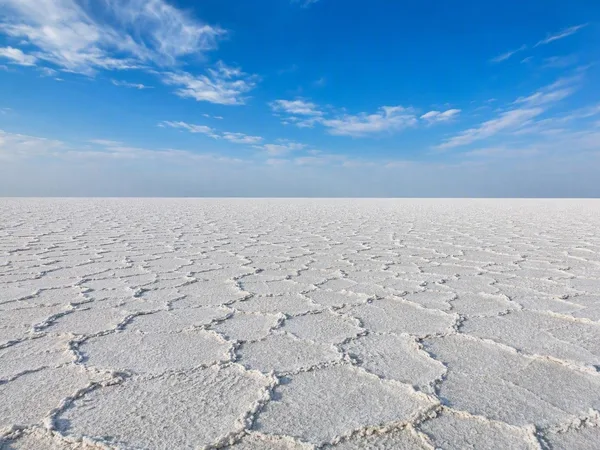
Look beyond the dune crest. The Thar’s character lies in its mix of moving and fixed dunes, thorn scrub, grassland, rocky ground and occasional salt flats. Khejri trees and other drought-tolerant vegetation are part of the scene, not empty space between attractions.
For a wildlife-focused visit, Desert National Park near Jaisalmer protects a large sample of this habitat. Chinkara, blackbuck, sandgrouse and the endangered Great Indian Bustard occur in the wider desert environment. Wildlife is never guaranteed; a naturalist-led drive is more useful than a fast sightseeing circuit.
Weather and timing
October to March is the sensible travel window: days are more manageable, though nights can be cold. May and June are the hottest months, when temperatures can approach 50°C and dust storms are common. Most rain falls during the July-to-September monsoon, but rainfall is variable and tracks can change quickly.
Carry more water than you expect to use, cover your head and use sun protection. Pack a warm layer for a winter night even after a hot afternoon.
Low-impact access
The desert is inhabited working land as well as a visitor landscape. Keep to established tracks, do not climb or drive over vegetated dunes, and take all rubbish back. In protected areas, follow the guide’s route and never approach or pursue wildlife. Ask before photographing people or homes in villages.
From the magazine
Stories about Thar Desert
Editorial stories linked directly to Thar Desert.
Routes from our editors
Travel through Thar Desert
Editorial routes connecting Thar Desert with other countries, cities and hotspots.
No routes through Thar Desert have been published yet.
More in India
Related hotspots
Other cities, nature areas and places within India.
Mumbai
1 linked stories and routes
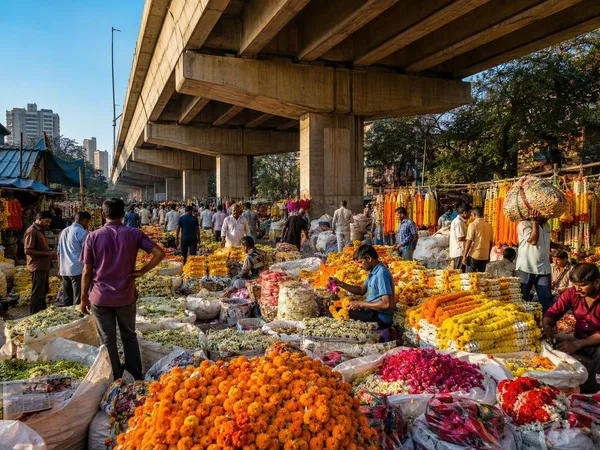
Dadar
1 linked stories and routes
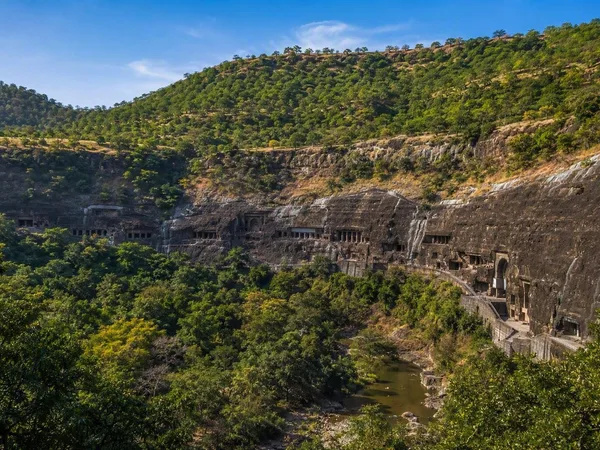
Maharashtra
1 linked stories and routes
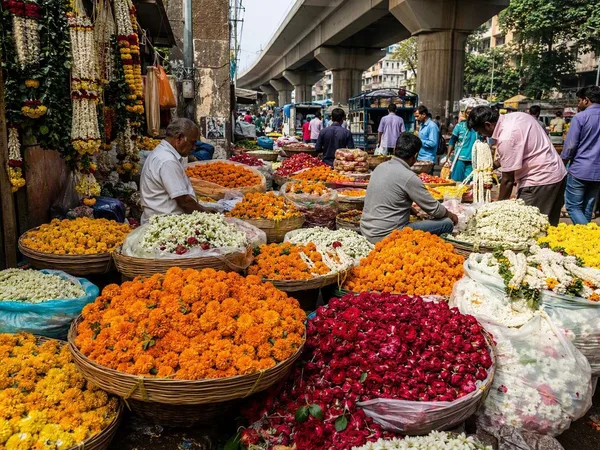
Phool Gully
1 linked stories and routes
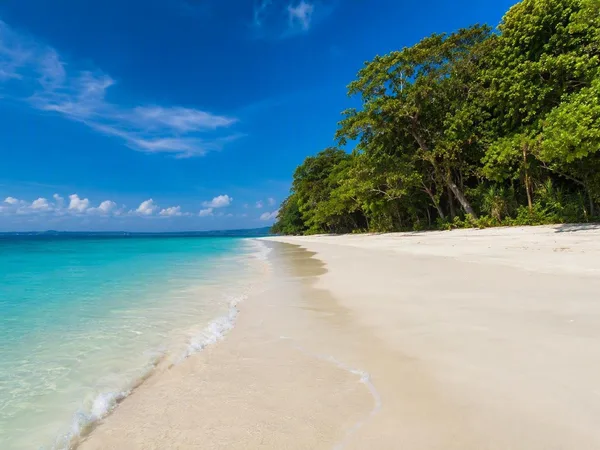
Radhanagar Beach
1 linked stories and routes
Gujarat
1 linked stories and routes
Kaziranga National Park
1 linked stories and routes