
City · India
Mumbai
Mumbai is Maharashtra’s coastal metropolis on the Arabian Sea, where the historic southern peninsula, harbour landmarks and long suburban rail corridors define the visitor’s map.
Get your bearings
Mumbai stretches along India’s west coast, with the Arabian Sea to the west and south. For a first visit, divide the city into workable pieces rather than trying to cross it repeatedly. South Mumbai concentrates the harbour, major colonial-era landmarks, museums and the Fort district. Dadar is a useful central rail interchange. Bandra, Juhu and the northern suburbs are separate outings, not quick extensions of a South Mumbai walk.
The city’s historic core rewards walking: use the Fort precinct, Colaba and the waterfront as one day’s territory. Distances look modest on a map but road journeys can be slow.
Start in the historic south
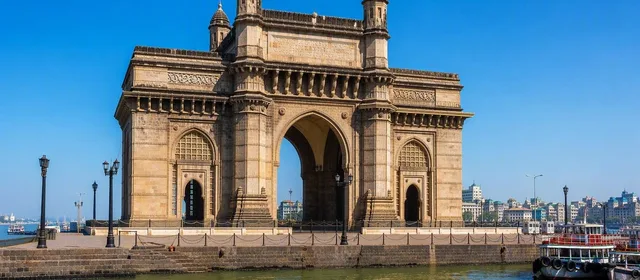
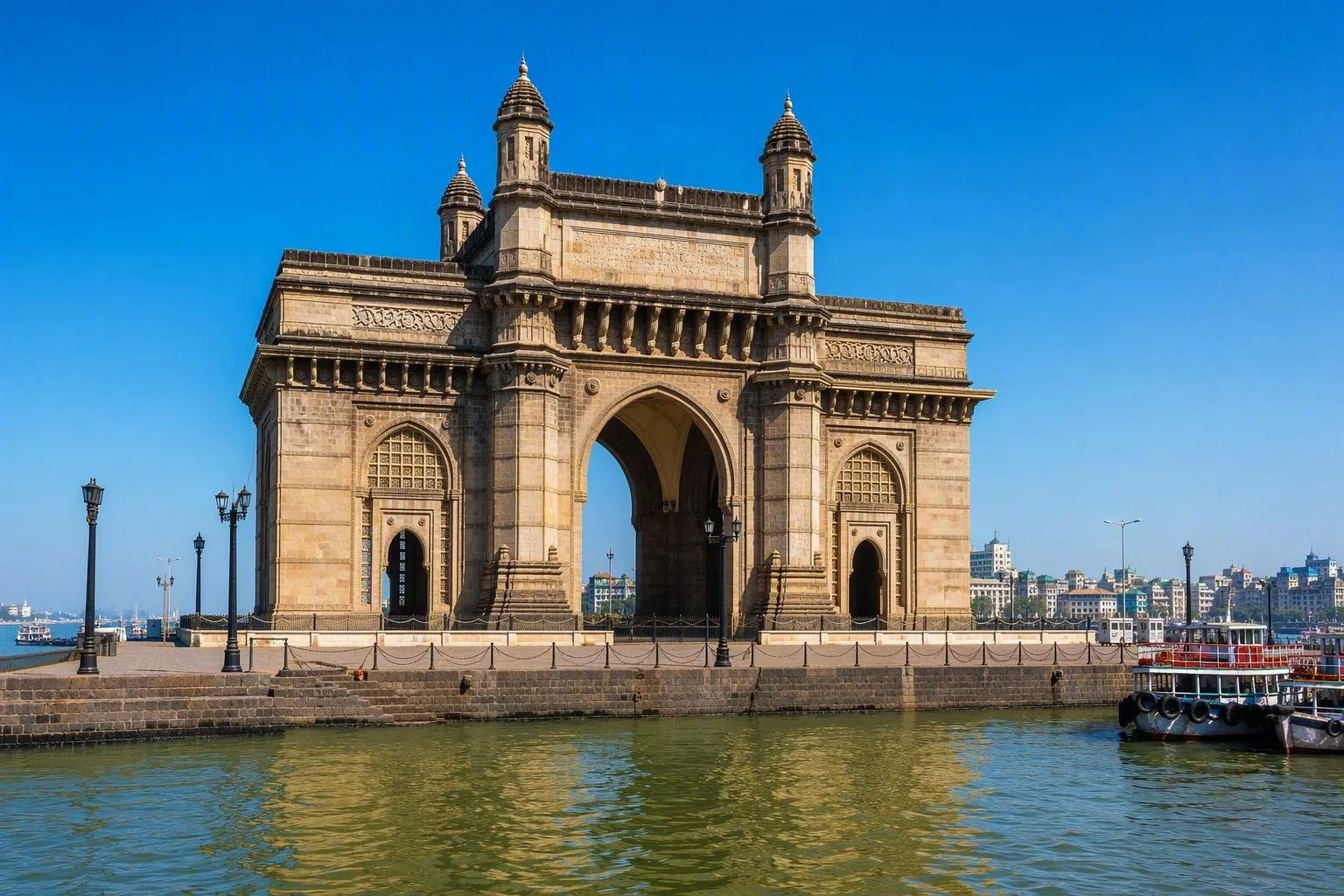
At Apollo Bunder, the Gateway of India is the defining harbour-side landmark. It is also the practical departure point for ferries to Elephanta Island and its rock-cut cave temples. Walk north-west through Colaba and the Fort area for the densest concentration of public architecture.
The Victorian Gothic and Art Deco Ensembles around Oval Maidan form a World Heritage precinct. Look across the ground to read the contrast: Victorian public buildings on one side, Art Deco buildings and the Marine Drive side on the other. The Rajabai Clock Tower, Bombay High Court and Eros Cinema belong to this larger architectural setting.
Continue to Marine Drive, the broad seafront promenade curving around Back Bay. It works best as a walk, not as a checklist stop; begin near Churchgate or Nariman Point and follow the shoreline.
Markets and everyday Mumbai
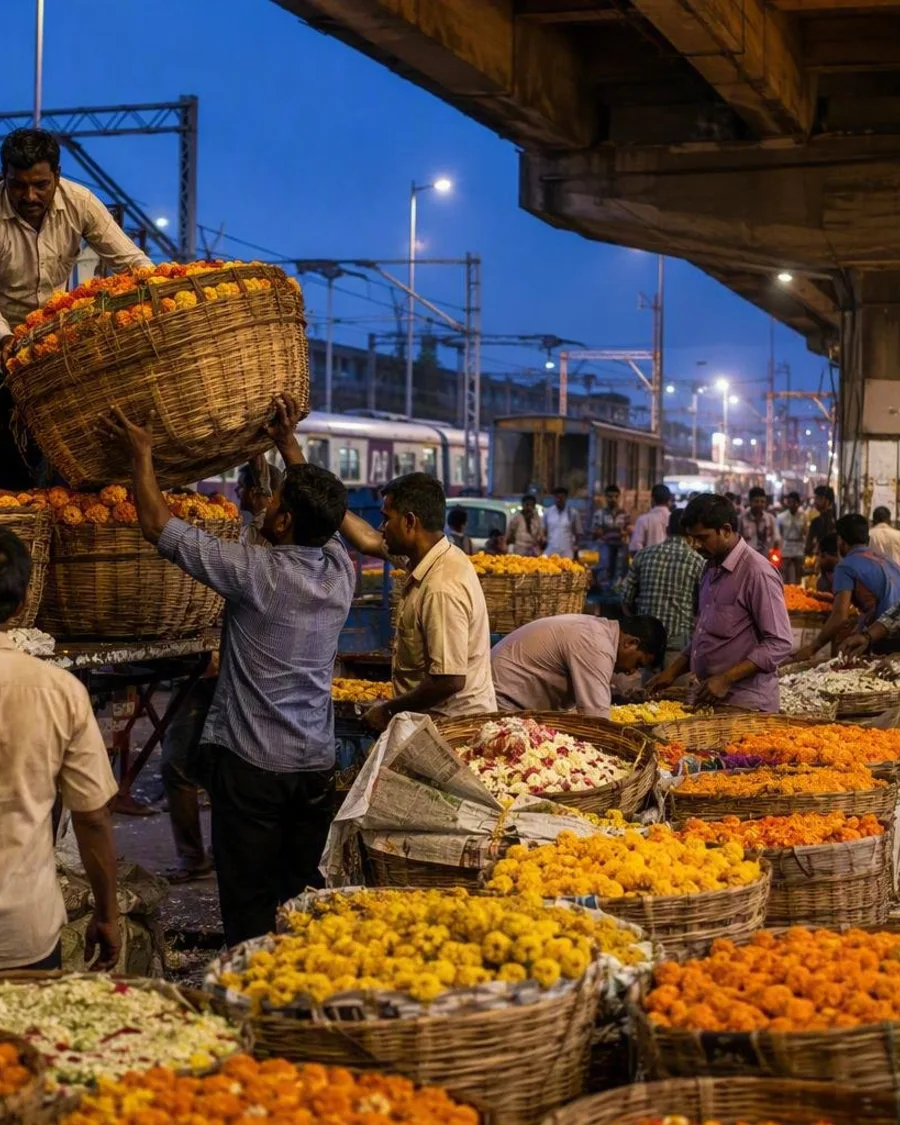
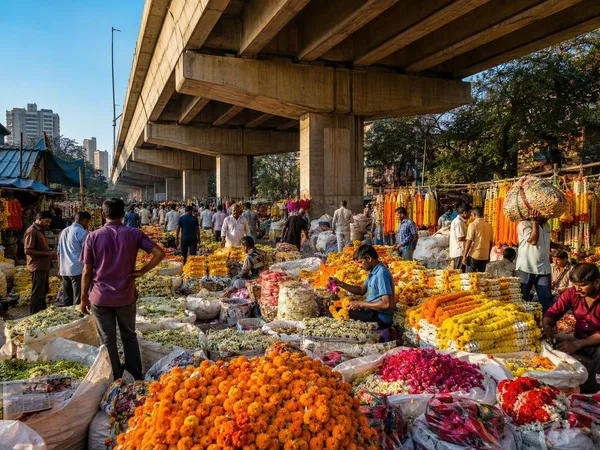
For a working-city scene, head to Dadar’s Phool Gully before dawn. Flowers arrive in bulk, then sellers sort marigolds and jasmine, make garlands and break deliveries into smaller bundles for markets and shops across Mumbai. This is a wholesale lane, not a staged attraction: stand clear of loads, carts and buyers moving through the narrow space.
Dadar station explains the market’s location. Its rail connections let stock and small buyers move quickly in several directions. Visit early, then leave the lane before the regular station rush takes over.
Moving around
Suburban rail remains the city’s essential long-distance urban transport; it links the central business districts with the western and central suburbs. Stations can be intensely crowded at peak commuting times, so avoid treating rush hour as sightseeing.
Mumbai also has Metro, bus, taxi and auto-rickshaw connections, though coverage varies by neighbourhood. Use rail or Metro for a cross-city spine, then walk or take a short road journey for the last stretch. The airport serves the metropolitan area; allow generous time for any onward road transfer.
Practical rhythm
Build each day around one zone: South Mumbai and Elephanta; Fort and Marine Drive; or Dadar and a chosen suburb. Keep modest clothing for religious sites, remove footwear where required, and ask before photographing people at work or worship. At the waterfront, stay on the promenade and respect barriers and tide conditions.
From the magazine
Stories about Mumbai
Editorial stories linked directly to Mumbai.
Routes from our editors
Travel through Mumbai
Editorial routes connecting Mumbai with other countries, cities and hotspots.
No routes through Mumbai have been published yet.
More in India
Related hotspots
Other cities, nature areas and places within India.
Dadar
1 linked stories and routes
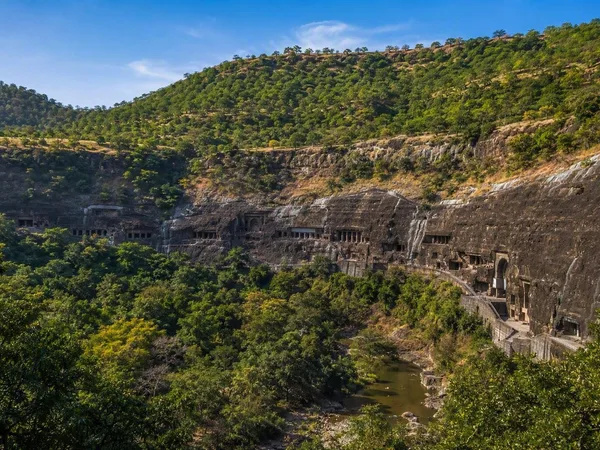
Maharashtra
1 linked stories and routes
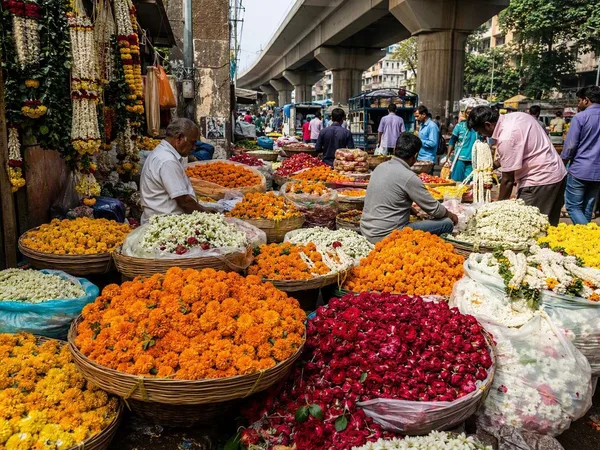
Phool Gully
1 linked stories and routes
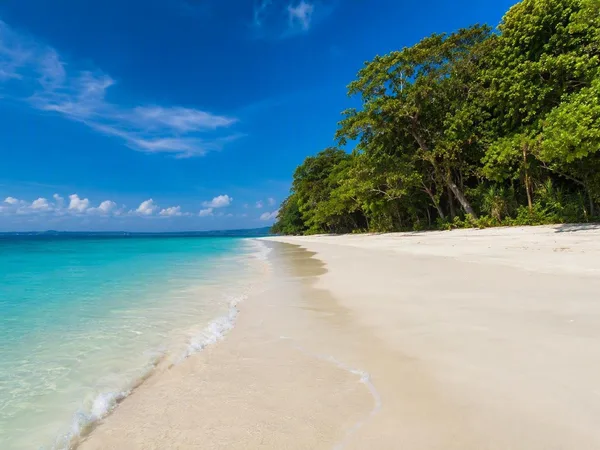
Radhanagar Beach
1 linked stories and routes
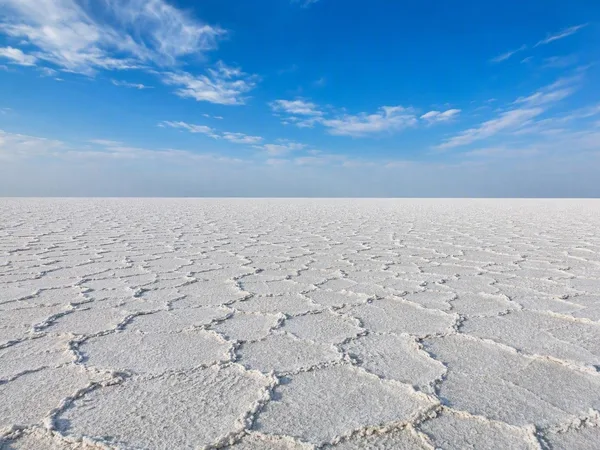
Gujarat
1 linked stories and routes

Kaziranga National Park
1 linked stories and routes
Thar Desert
1 linked stories and routes