
City · India
Bhuj
Bhuj is the historic district headquarters of Kutch in Gujarat, India: a former royal capital with palaces, museums, craft markets and a lake-centred old city.
Start with the old city
Bhuj became the capital of Kutch in 1549 and remains the region’s main urban hub. Its historic core is compact enough to explore on foot, centred on the Darbargadh palace precinct and Hamirsar Lake. The city was heavily damaged in the 2001 earthquake; rebuilt streets and restored monuments are part of its present-day fabric.
Use the old city for a focused half-day of architecture and museums. Lanes near the palaces are narrow, so leave a large vehicle outside the core and continue on foot or by auto-rickshaw.
Royal architecture
Aina Mahal is the 18th-century Palace of Mirrors. Its interiors combine local workmanship with European-style glass, mirrors and decorative objects; it now functions as a museum.
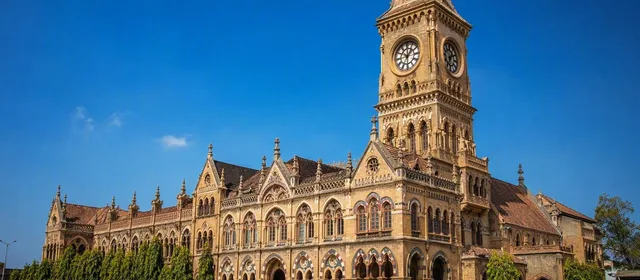
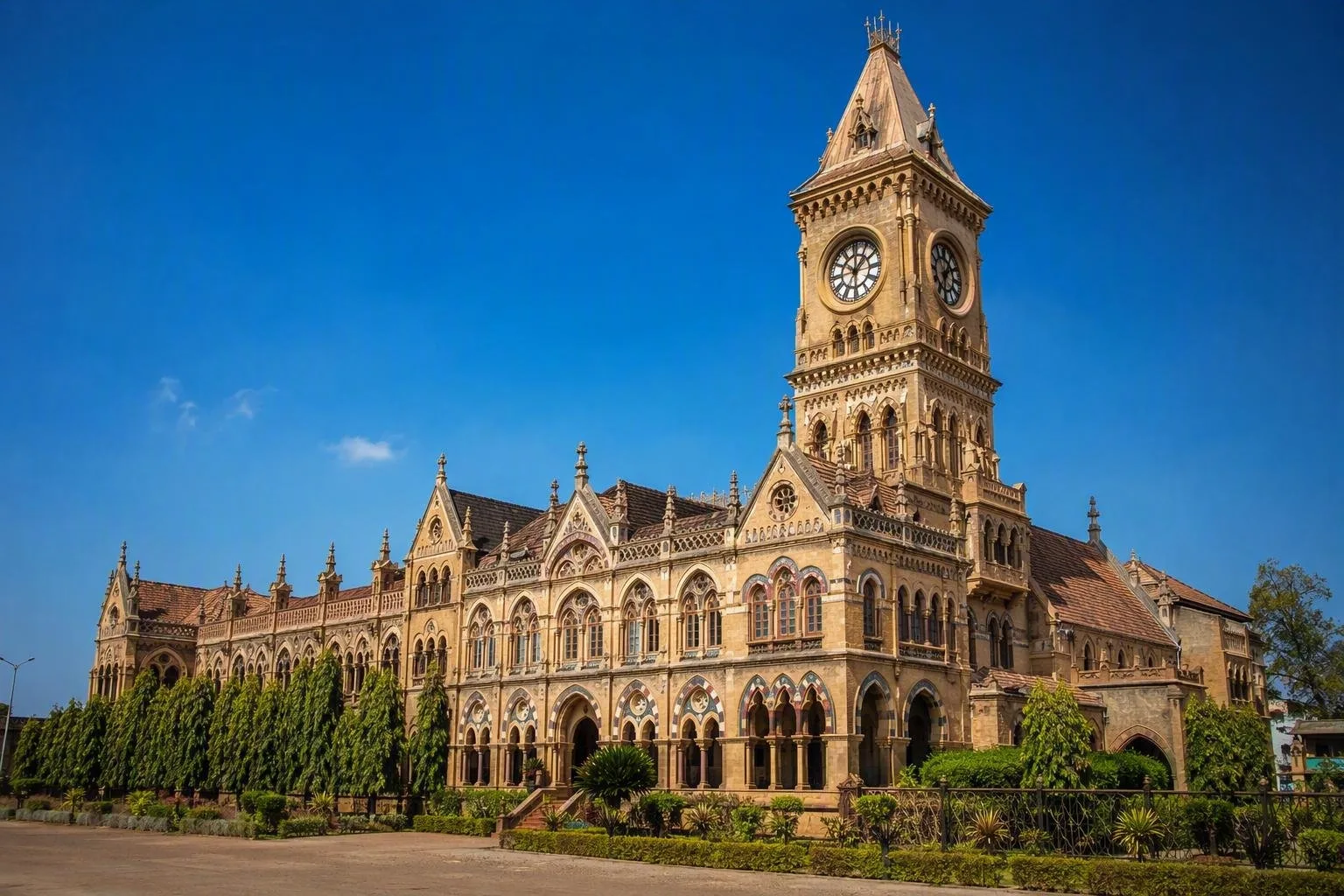
Beside it, Prag Mahal is a striking 19th-century Italian-Gothic palace. Its stone façade, columns, great hall and clock tower make the complex Bhuj’s clearest architectural landmark. Tower access and interior areas can vary, so establish what is open at the entrance.
Allow time for both rather than treating them as a quick exterior stop. Ticketing and camera rules are separate from wandering the city.
Lake, museum and memorial
Hamirsar Lake is the practical link between several central sights. Walk its edge in the cooler hours, then cross to the Kutch Museum, founded in 1877 and the oldest museum in Gujarat. Its collections cover regional archaeology, inscriptions, textiles, arms, musical instruments and folk material.
For the modern chapter of the city’s history, go to Smritivan Earthquake Memorial and Museum on Bhujia Hill. It commemorates the 2001 earthquake. The hill also carries Bhujia Fort and broad views over the city; wear solid shoes for uneven ground and climbing.
Crafts and shopping
Bhuj is the retail centre for Kutch crafts. In the old-city bazaars, look for bandhani tie-dye, Kutchi embroidery, silver jewellery and textiles. Examine stitching, dye clarity and finish rather than relying on labels alone.
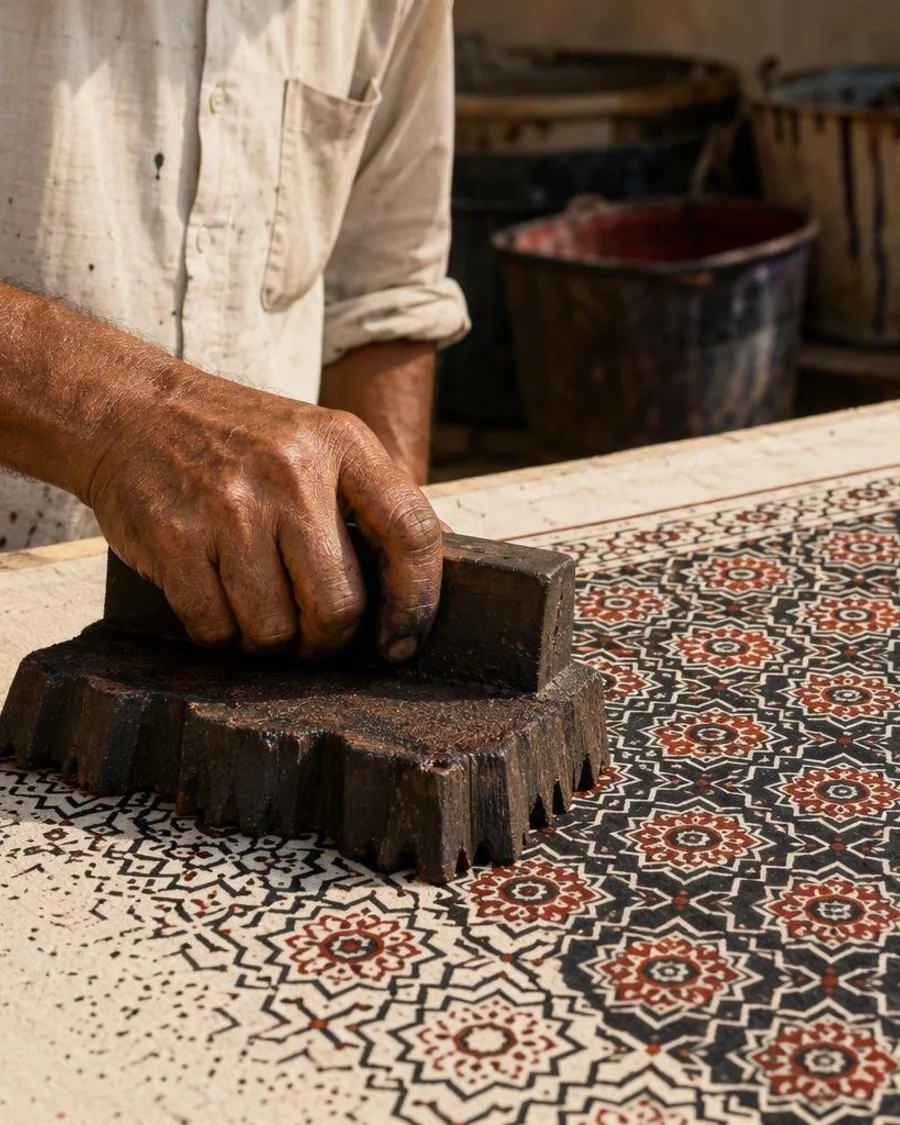
For work made close to its source, use Bhuj as the transport base for the region’s craft villages. Bhujodi is associated with weaving, while Ajrakhpur is a centre for ajrakh block printing. Ask before photographing makers or workspaces.
Getting there and timing
Bhuj has an airport, rail station and road connections across Gujarat. Auto-rickshaws and taxis cover local journeys; a hired car is more efficient for the outlying craft villages.
Best period: October to March, when walking the old city and open hill sites is more comfortable. Summer heat is intense, so schedule outdoor sights early.
Practical rhythm: visit palaces and museums in the morning, use the late afternoon for Hamirsar Lake or Bhujia Hill. Individual monuments can have weekly closures, breaks and changing photography rules.
From the magazine
Stories about Bhuj
Editorial stories linked directly to Bhuj.
Routes from our editors
Travel through Bhuj
Editorial routes connecting Bhuj with other countries, cities and hotspots.
No routes through Bhuj have been published yet.
More in India
Related hotspots
Other cities, nature areas and places within India.
Gujarat
5 linked stories and routes
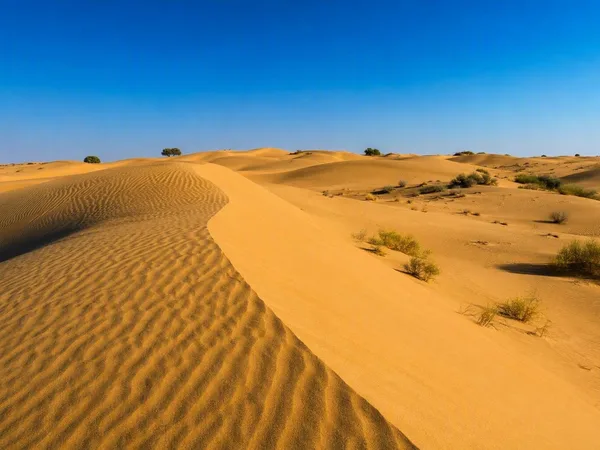
Thar Desert
2 linked stories and routes
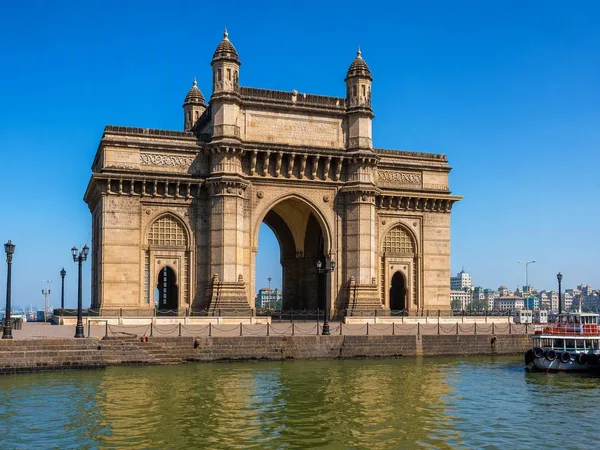
Mumbai
1 linked stories and routes
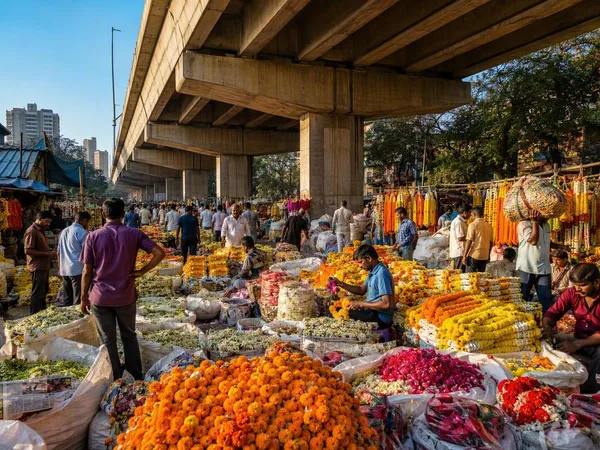
Dadar
1 linked stories and routes
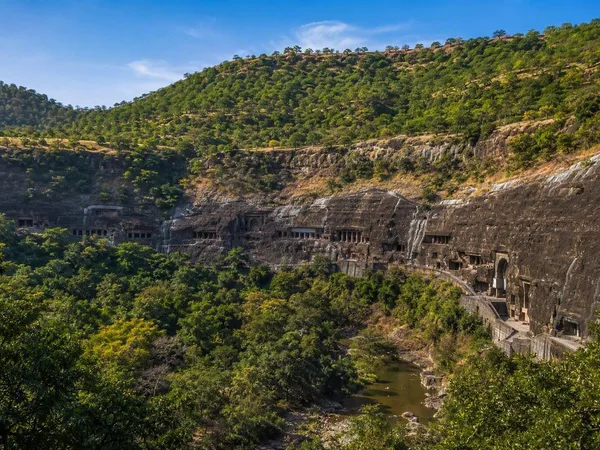
Maharashtra
1 linked stories and routes
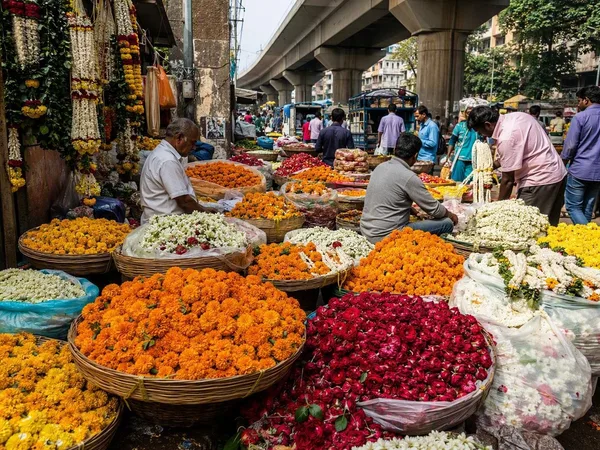
Phool Gully
1 linked stories and routes
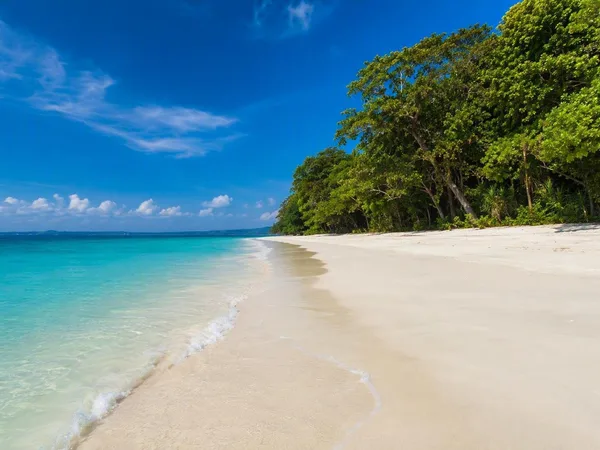
Radhanagar Beach
1 linked stories and routes
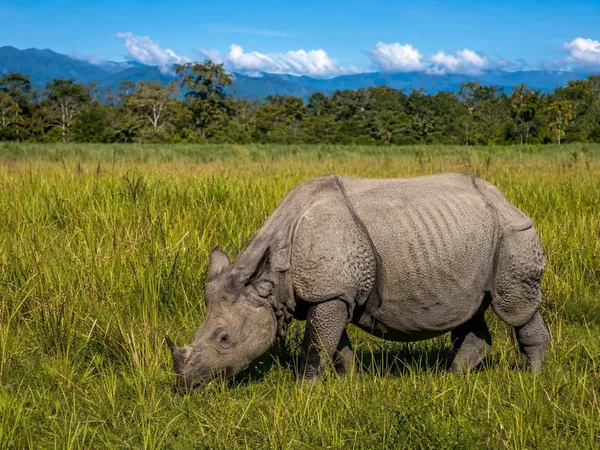
Kaziranga National Park
1 linked stories and routes
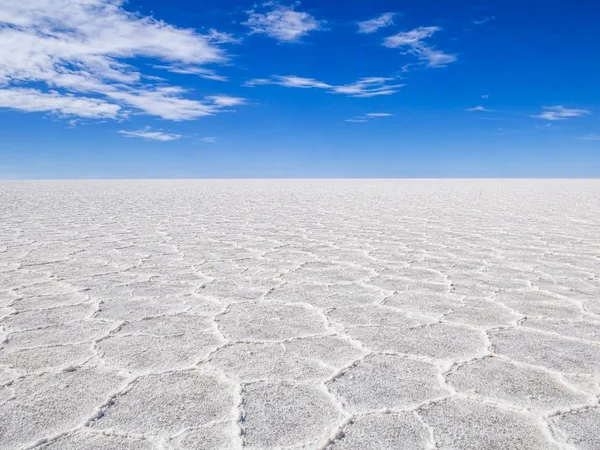
Kutch, Gujarat
1 linked stories and routes
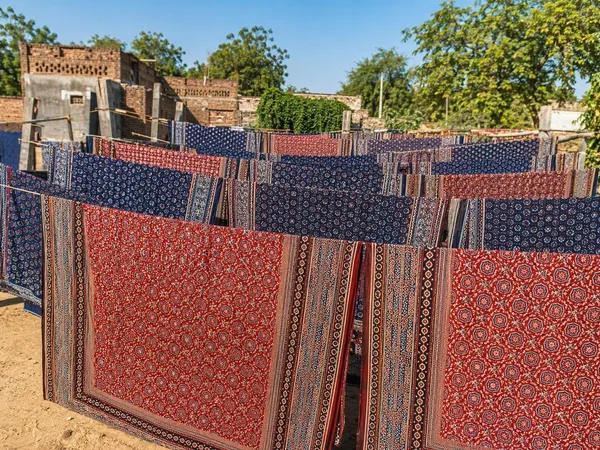
Ajrakhpur
1 linked stories and routes
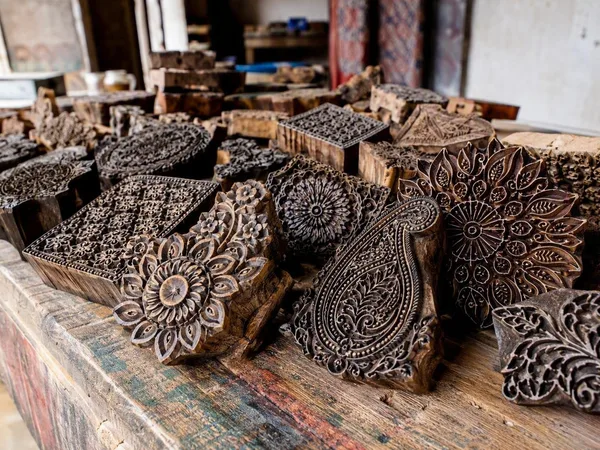
Dhamadka
1 linked stories and routes
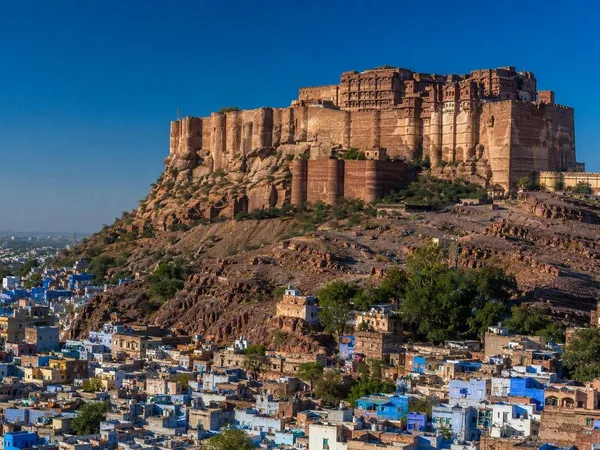
Marwar, Rajasthan
1 linked stories and routes
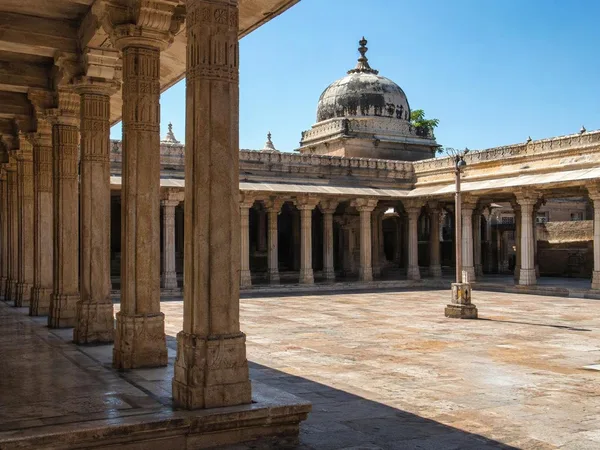
Khambhat, Gujarat
1 linked stories and routes
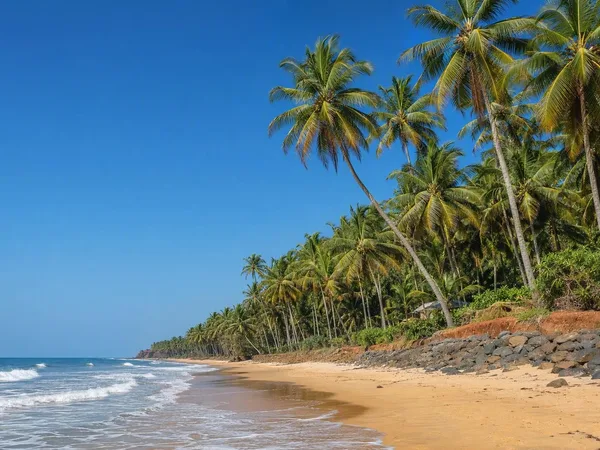
Malabar
1 linked stories and routes
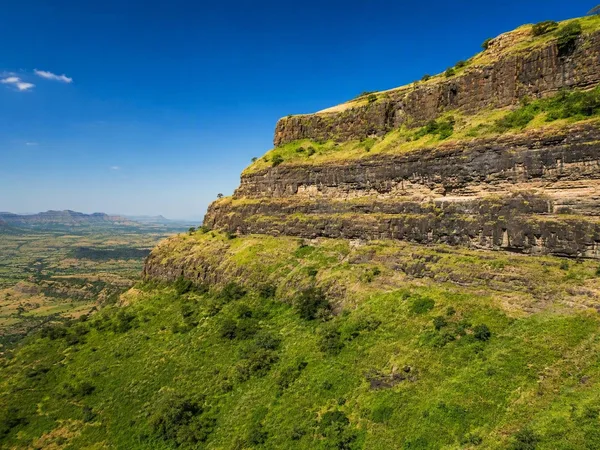
Deccan
1 linked stories and routes
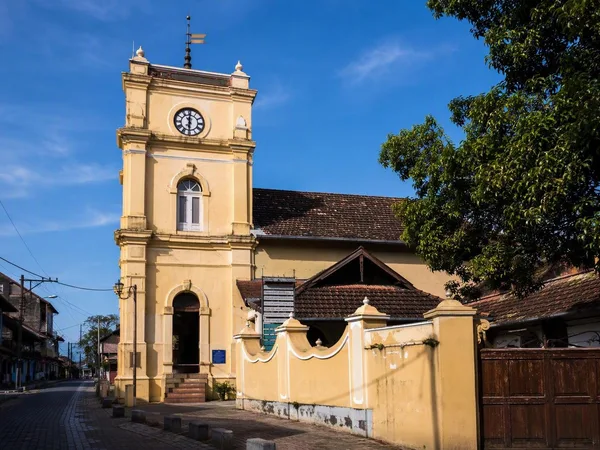
Cochin (Kochi)
1 linked stories and routes
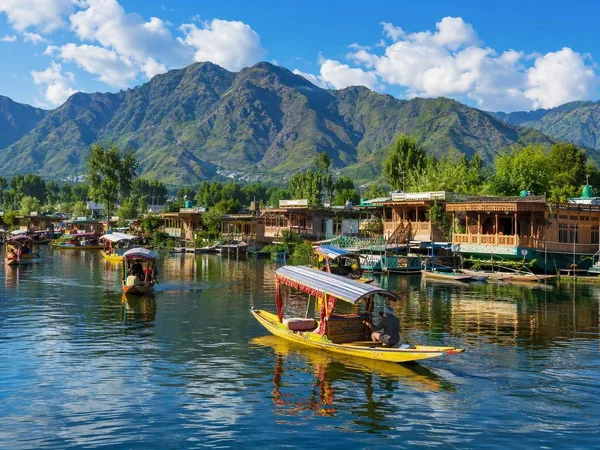
Kashmir
1 linked stories and routes