
Region · India
Marwar, Rajasthan
Marwar is the historic desert region of western Rajasthan, India, centred on Jodhpur and extending across the sandy plains northwest of the Aravalli Range. Its identity is shaped by the Thar, Rathore rule, fortified cities and Marwari culture.
Understand the region
Marwar is a historical and cultural region, not a single town or park with a fixed entrance. Its core corresponds broadly to the former princely state of Jodhpur; Jodhpur is the practical urban base and the historic centre of Rathore power.
The landscape is a sandy plain running northwest of the Aravalli Range, with the Thar Desert occupying much of its west. The Luni is the principal river of the plains, though water and settlement have always been defining constraints here.
Start in Jodhpur
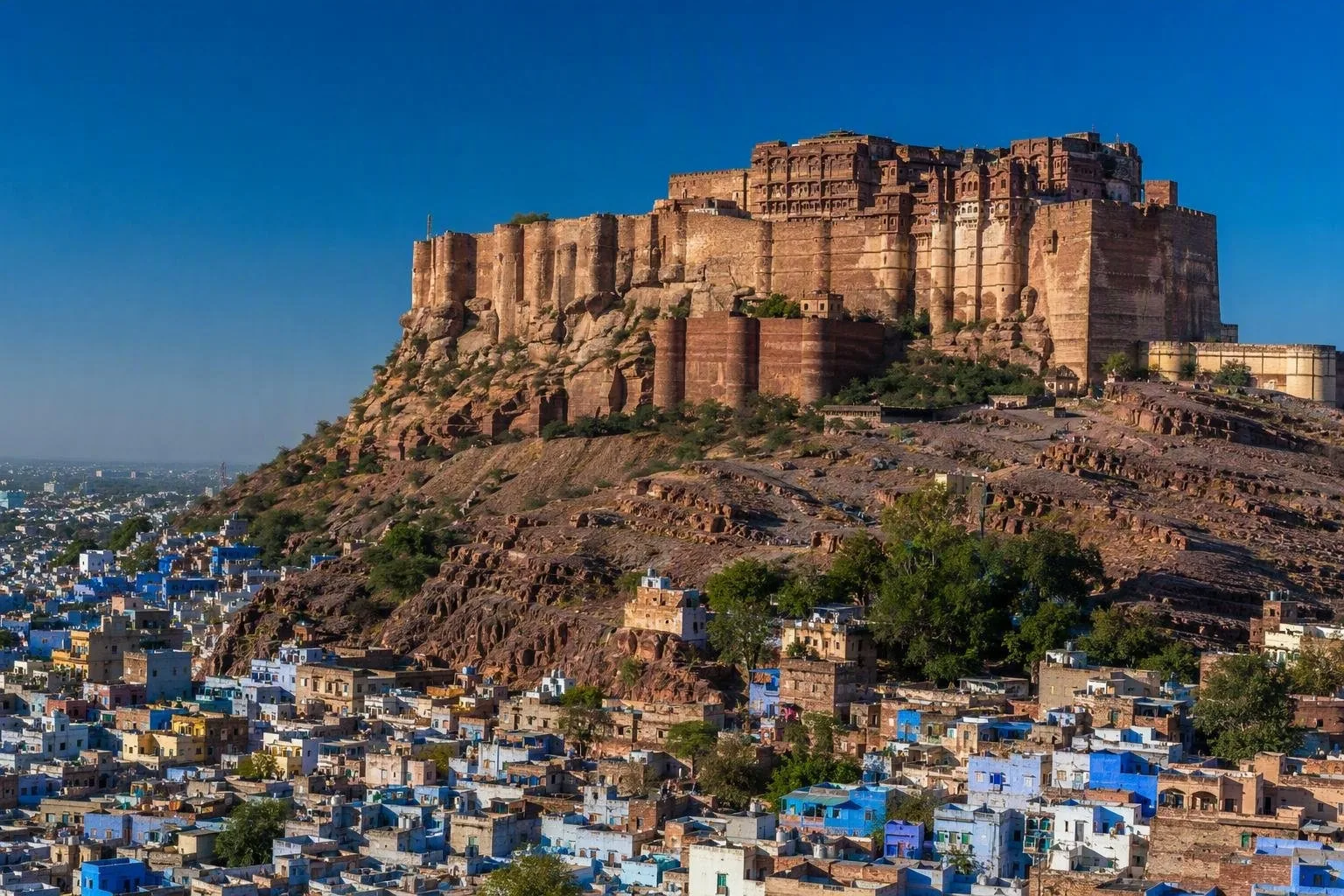
Jodhpur is the clearest place to read Marwar’s history in the built environment. Rao Jodha founded the city in 1459 after shifting the capital from Mandore to a more defensible hilltop site.
Key stops
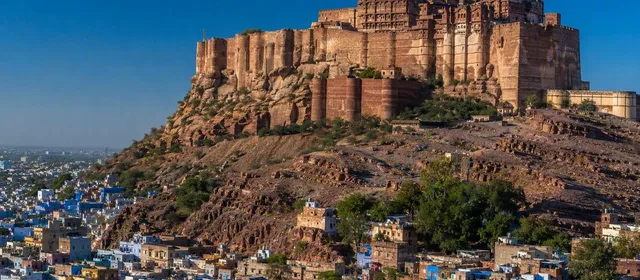
- Mehrangarh Fort: the former Rathore stronghold, built high on an isolated rock above the city. Its palaces, courtyards and museum make it the essential introduction to Marwar’s courtly history.
- Mandore: north of Jodhpur, this was an earlier capital of Marwar. Its ruins and cenotaphs put the later fort-city in context.
- Jaswant Thada: a white-marble memorial to Maharaja Jaswant Singh II, below the fort.
Do not treat Jodhpur as the whole of Marwar: it is the gateway and historical capital, while the region’s character continues through smaller settlements, dry plains and desert-edge country.
History and cultural thread
Rathore Rajputs established the Jodhpur state in the 13th century. The kingdom contended with Mughal power, came under British paramountcy in 1818, and joined Rajasthan in 1949. That long political history explains why forts, palaces, cenotaphs and old capitals are central to a visit.
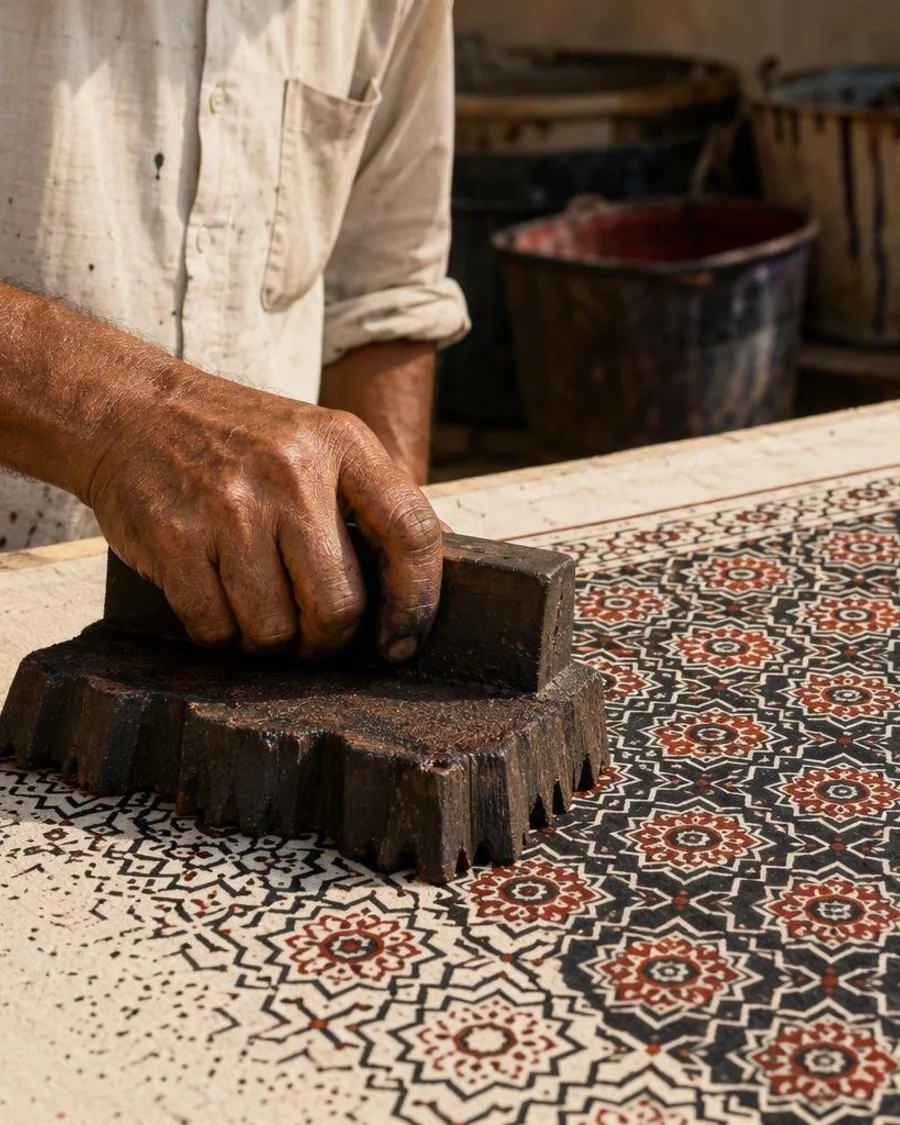
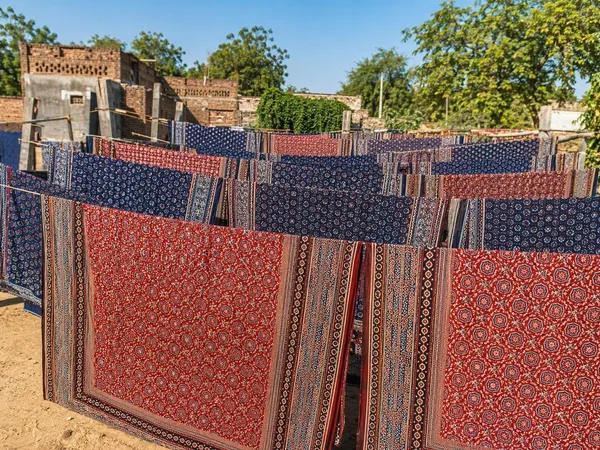
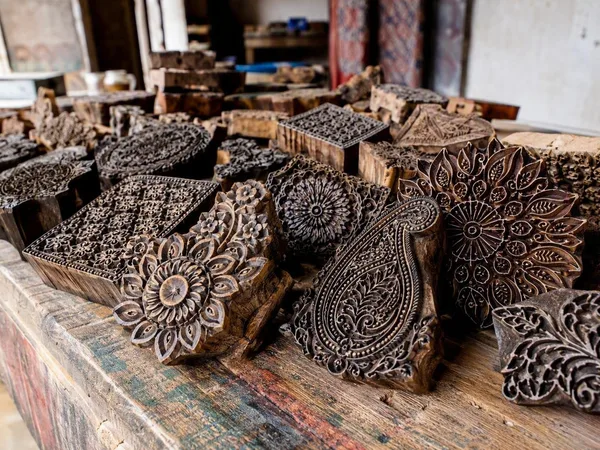
Marwari is the region’s principal Rajasthani language or dialect. Marwar also belongs to the wider textile history of western Rajasthan: its dry-country communities, trade routes and craft traditions connect it to the ajrakh world shared with Kutch and Sindh.
Travel pattern
Use Jodhpur for rail and road connections and for the broadest choice of accommodation. It also has a domestic airport. From there, travel by road for a focused visit to Mandore, temple towns, rural craft areas or desert landscapes; distances can be substantial, so avoid building an itinerary around several far-flung stops in one day.
For regional exploration, a car and driver is the most flexible option. In Jodhpur itself, use auto-rickshaws or taxis for short hops, but walk the old-city lanes and fort approaches where traffic allows.
Heat, water and timing
Plan outdoor fort and landscape visits early in the day. Marwar has intense summer heat and low, variable rainfall; temperatures in the hottest period can approach 50°C. October to March is generally the easier season for moving between outdoor sites.
Carry water before leaving Jodhpur or another substantial settlement. On remote roads, fuel, shade and services are not evenly spaced.
From the magazine
Stories about Marwar, Rajasthan
Editorial stories linked directly to Marwar, Rajasthan.
Routes from our editors
Travel through Marwar, Rajasthan
Editorial routes connecting Marwar, Rajasthan with other countries, cities and hotspots.
No routes through Marwar, Rajasthan have been published yet.
More in India
Related hotspots
Other cities, nature areas and places within India.
Gujarat
5 linked stories and routes
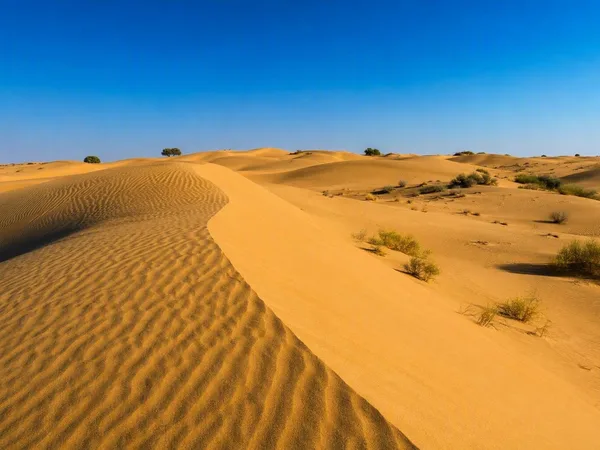
Thar Desert
2 linked stories and routes
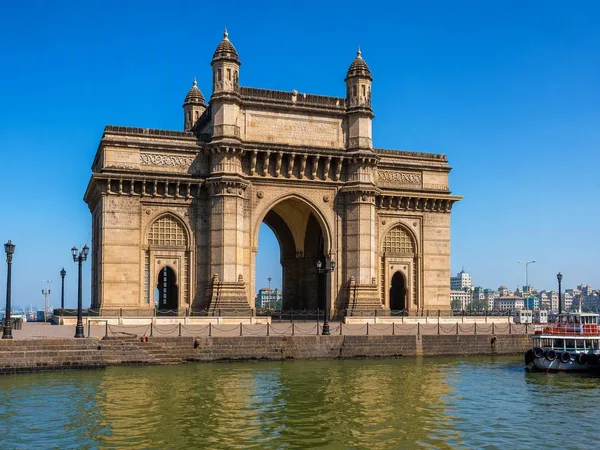
Mumbai
1 linked stories and routes
Dadar
1 linked stories and routes
Maharashtra
1 linked stories and routes
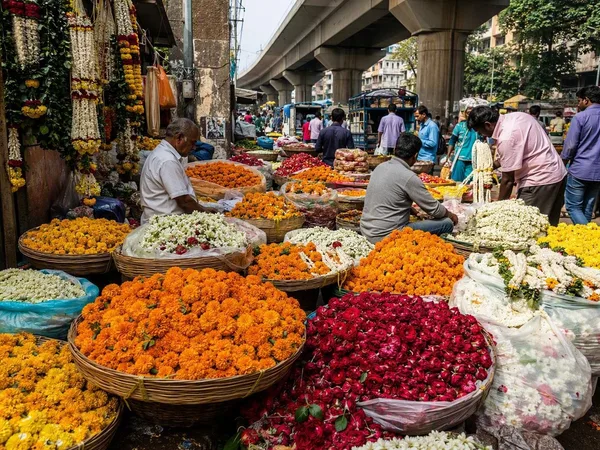
Phool Gully
1 linked stories and routes
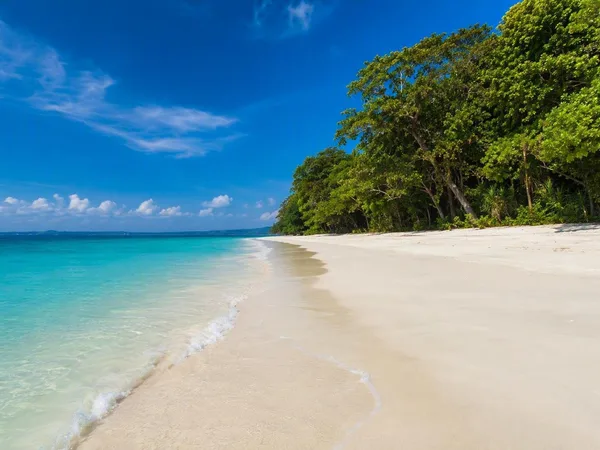
Radhanagar Beach
1 linked stories and routes
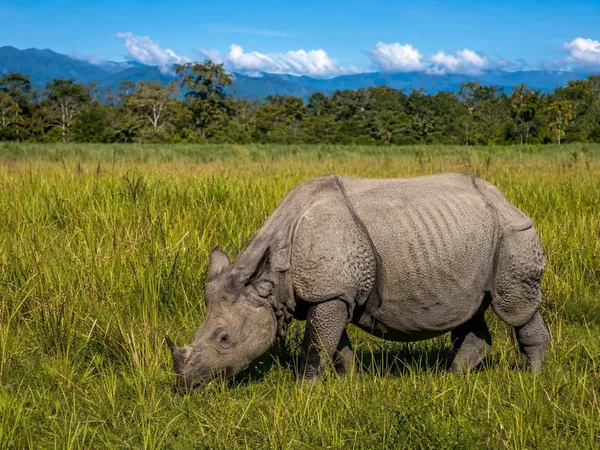
Kaziranga National Park
1 linked stories and routes
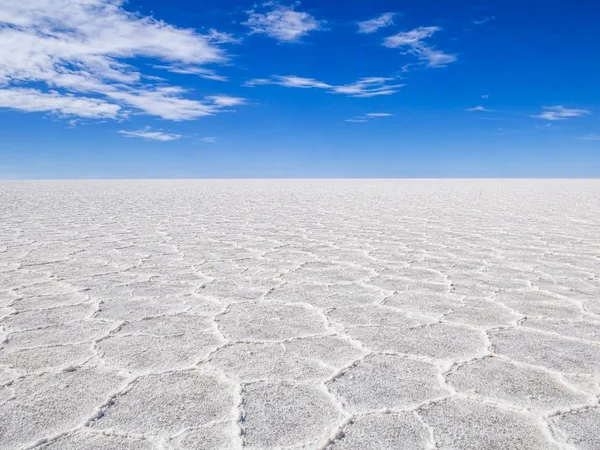
Kutch, Gujarat
1 linked stories and routes
Ajrakhpur
1 linked stories and routes
Dhamadka
1 linked stories and routes
Bhuj
1 linked stories and routes
Khambhat, Gujarat
1 linked stories and routes
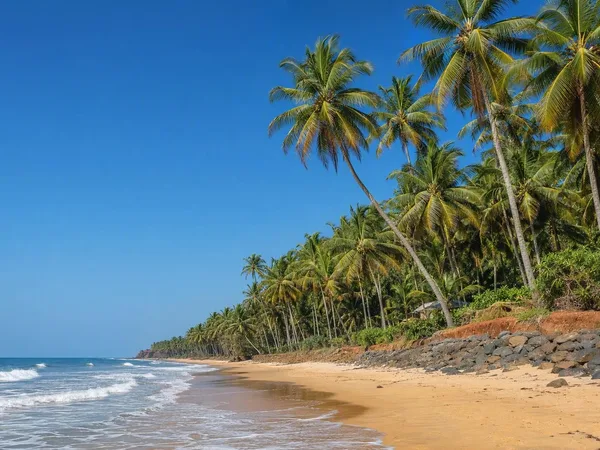
Malabar
1 linked stories and routes
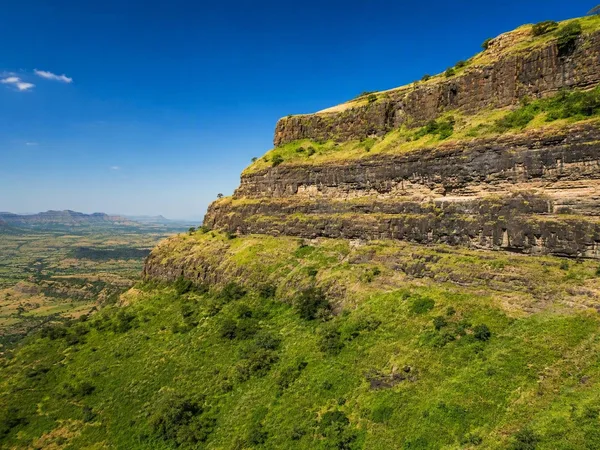
Deccan
1 linked stories and routes
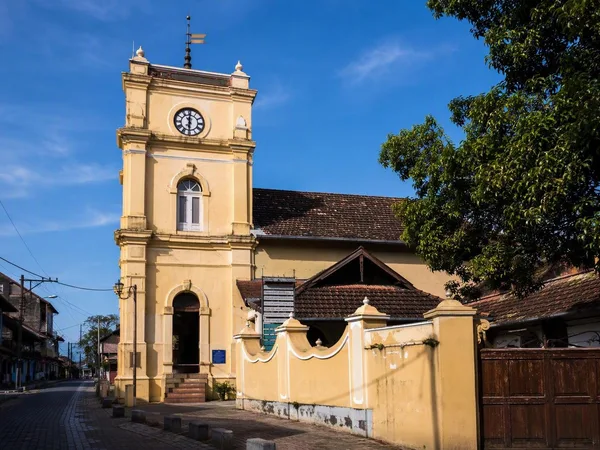
Cochin (Kochi)
1 linked stories and routes
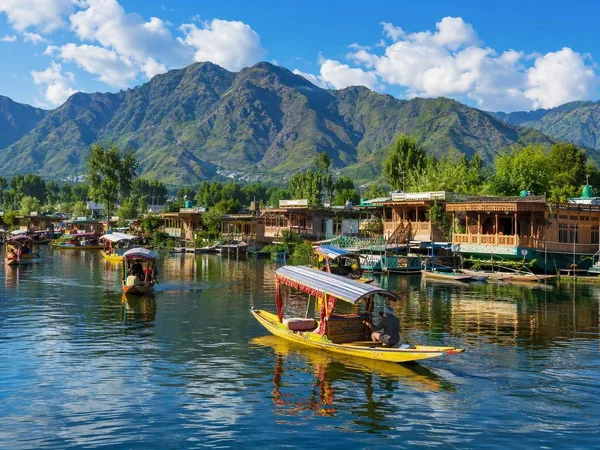
Kashmir
1 linked stories and routes