
Region · India
Malabar
Malabar is northern Kerala’s coastal-and-highland region, between the Arabian Sea and the Western Ghats. Its ports, spice country, ritual arts and beaches make it a useful route rather than a single-stop destination.
Read the region correctly
Malabar is a region, not one town. In Kerala usage it covers the northern part of the state, north of the Bharathapuzha, across parts of Thrissur, Palakkad, Malappuram, Kozhikode, Wayanad, Kannur and Kasaragod. The historical term Malabar Coast is broader: the southwestern Indian coast edged by the Arabian Sea and the Western Ghats.
For a focused trip, use the northern Kerala meaning. The practical spine runs from the coast at Kozhikode and Kannur into the Ghats at Wayanad.
What defines Malabar
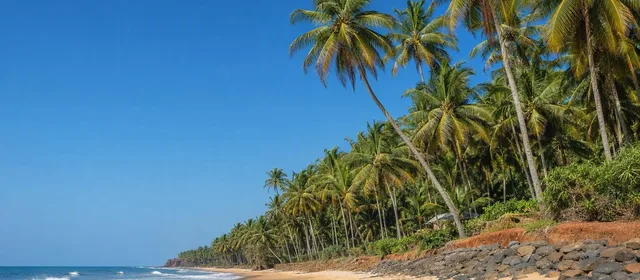
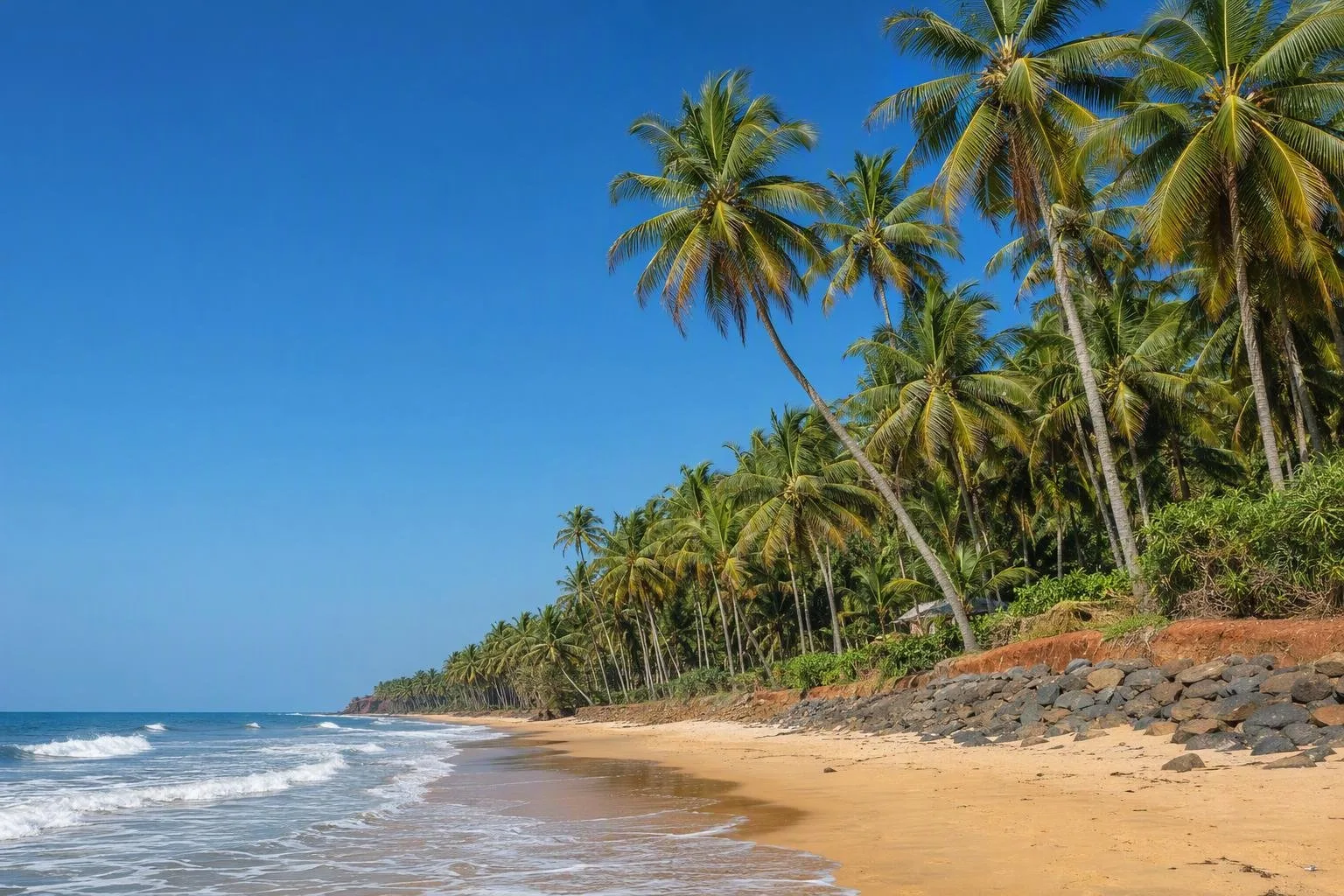
The geography explains the region. A sandy, palm-lined coast and river mouths give way inland to cultivated lowlands, laterite country and the steep Western Ghats. The mountains catch monsoon moisture, while the coast faces long-established sea routes.
That setting shaped a trading culture built around spices. Kozhikode was a major medieval seaport, and the wider coast drew Arab, Portuguese, Dutch, French and British commercial interests at different periods. Look for the legacy in port neighbourhoods, mosques, forts, markets and food rather than expecting one continuous heritage precinct.
Build a route
Treat Malabar as a sequence of distinct bases rather than a place to rush through.
- Kozhikode: Start here for the old port-city story, Kappad Beach, market streets and Malabar cooking.
- Kannur and Thalassery: Use the northern coast for forts, beaches and ritual traditions including Theyyam.
- Kasaragod: Add this northern stretch for Bekal Fort and coastal scenery.
- Wayanad: Move inland for plantation landscapes, forests, wildlife areas and the Edakkal Caves.
Do not attempt coast and highlands as a casual day trip. They are different landscapes, with winding ghat roads between them.
Food and living culture
Order specifically: Malabar biriyani, seafood, coconut-based curries and Kozhikodan halwa are firmly rooted regional reference points. Spice-growing remains part of the inland landscape, particularly around Wayanad.
Theyyam is a ritual practice, not a staged show. If you attend one in the north, follow the shrine’s rules, dress and photography restrictions, and do not obstruct participants or worshippers.
Weather and timing
The southwest monsoon dominates from roughly June to September; it brings heavy rain, reduced visibility and slower road travel. October and November can also be wet. The drier months are generally easier for combining coast, towns and hill country.
On the coast, expect heat and humidity year-round. In Wayanad, conditions are cooler but weather changes quickly. Keep plans flexible in the monsoon, especially for beaches, forest visits and ghat-road travel.
From the magazine
Stories about Malabar
Editorial stories linked directly to Malabar.
No stories about Malabar have been published yet.
Routes from our editors
Travel through Malabar
Editorial routes connecting Malabar with other countries, cities and hotspots.
No routes through Malabar have been published yet.
More in India
Related hotspots
Other cities, nature areas and places within India.
Gujarat
5 linked stories and routes
Thar Desert
2 linked stories and routes
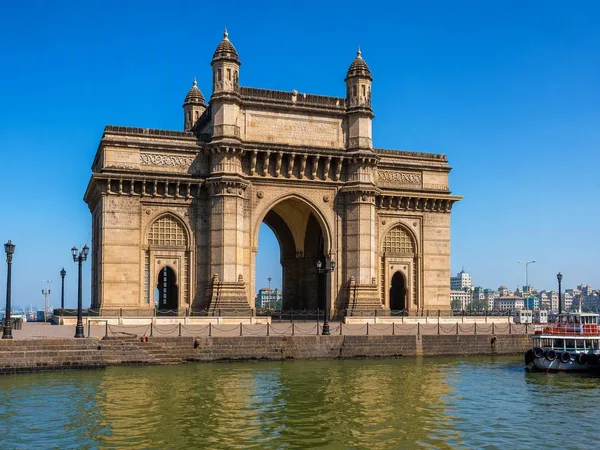
Mumbai
1 linked stories and routes
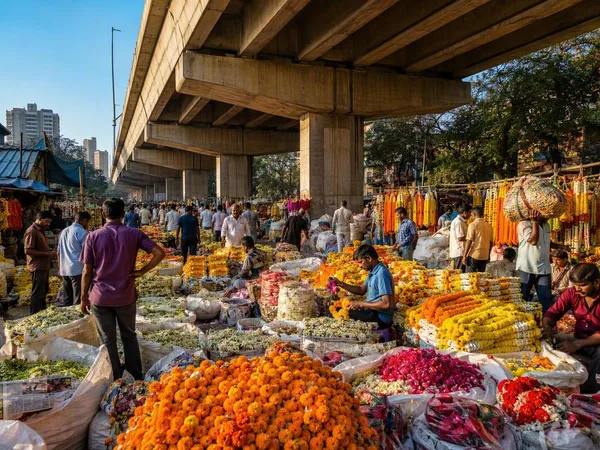
Dadar
1 linked stories and routes
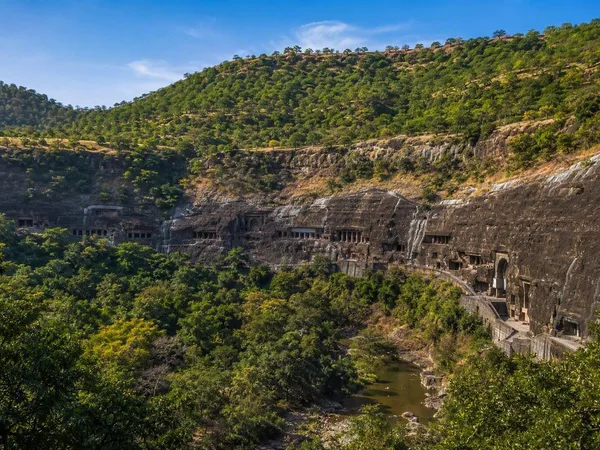
Maharashtra
1 linked stories and routes
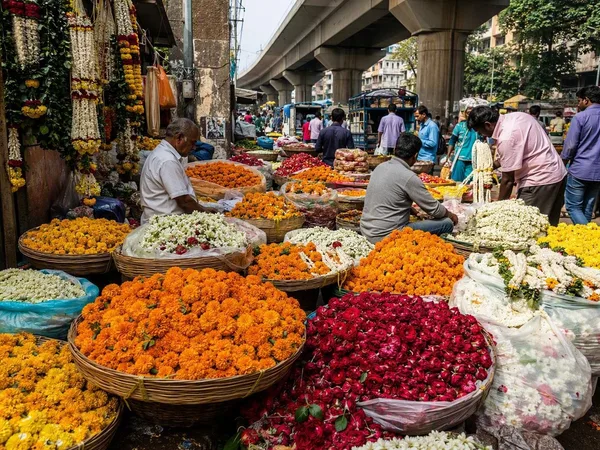
Phool Gully
1 linked stories and routes
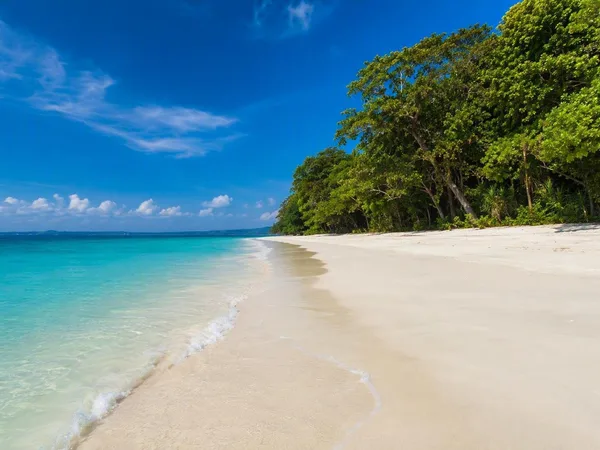
Radhanagar Beach
1 linked stories and routes
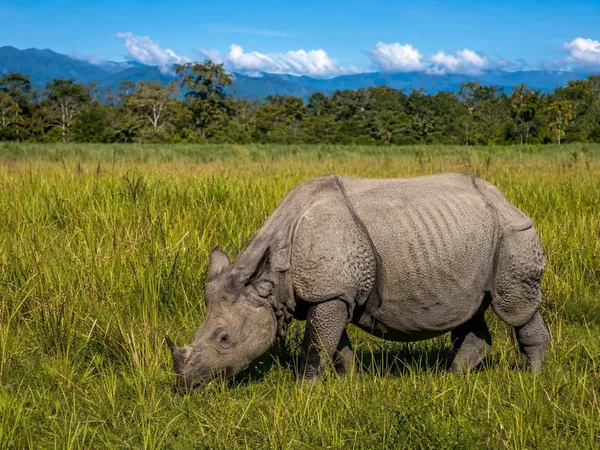
Kaziranga National Park
1 linked stories and routes
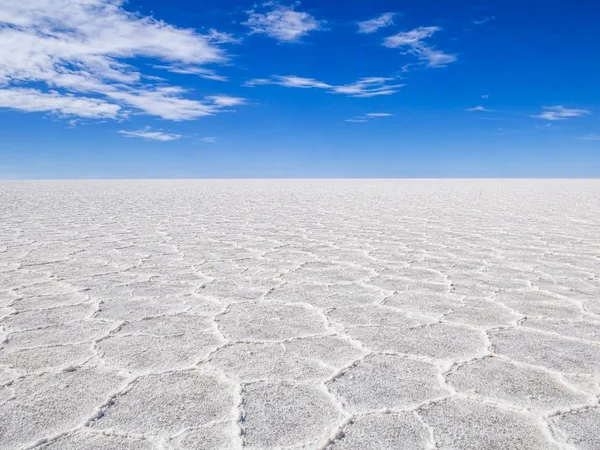
Kutch, Gujarat
1 linked stories and routes
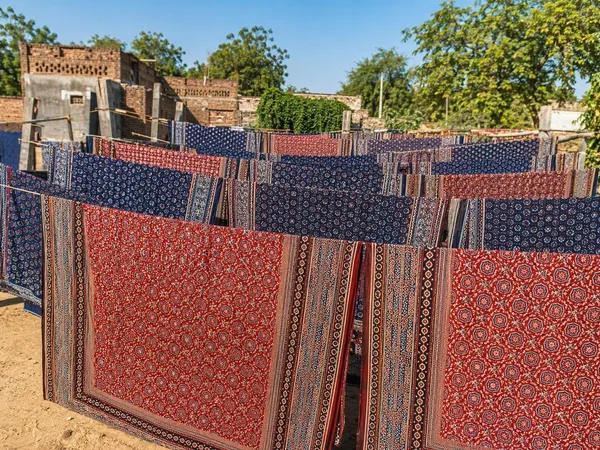
Ajrakhpur
1 linked stories and routes
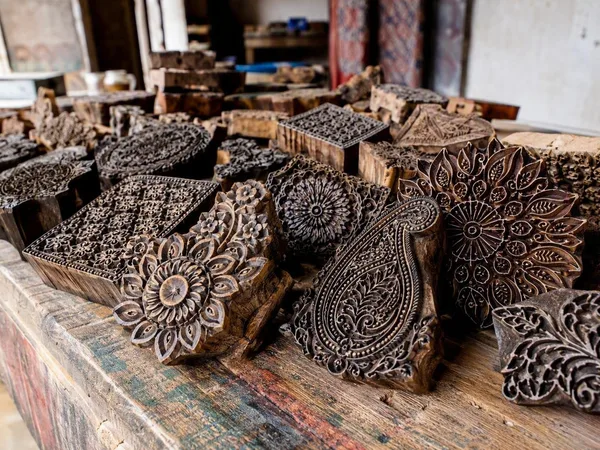
Dhamadka
1 linked stories and routes
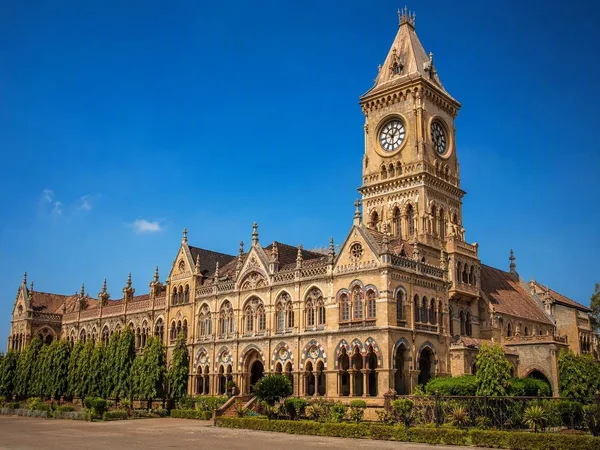
Bhuj
1 linked stories and routes
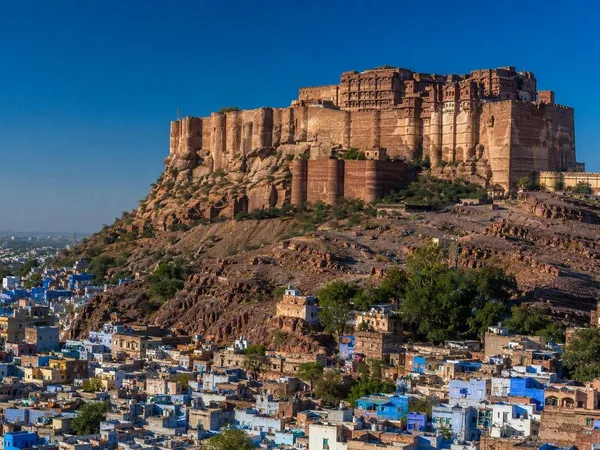
Marwar, Rajasthan
1 linked stories and routes
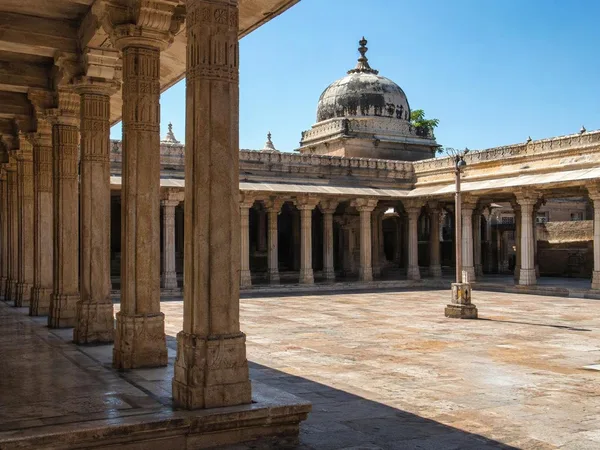
Khambhat, Gujarat
1 linked stories and routes
Deccan
1 linked stories and routes
Cochin (Kochi)
1 linked stories and routes
Kashmir
1 linked stories and routes