
Village · India
Ajrakhpur
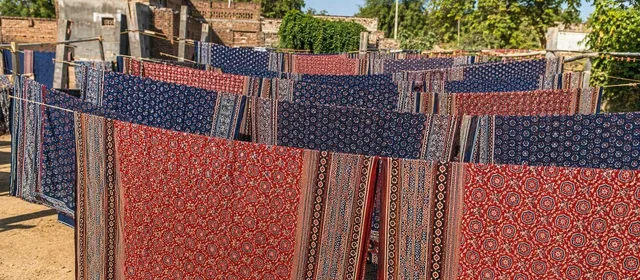
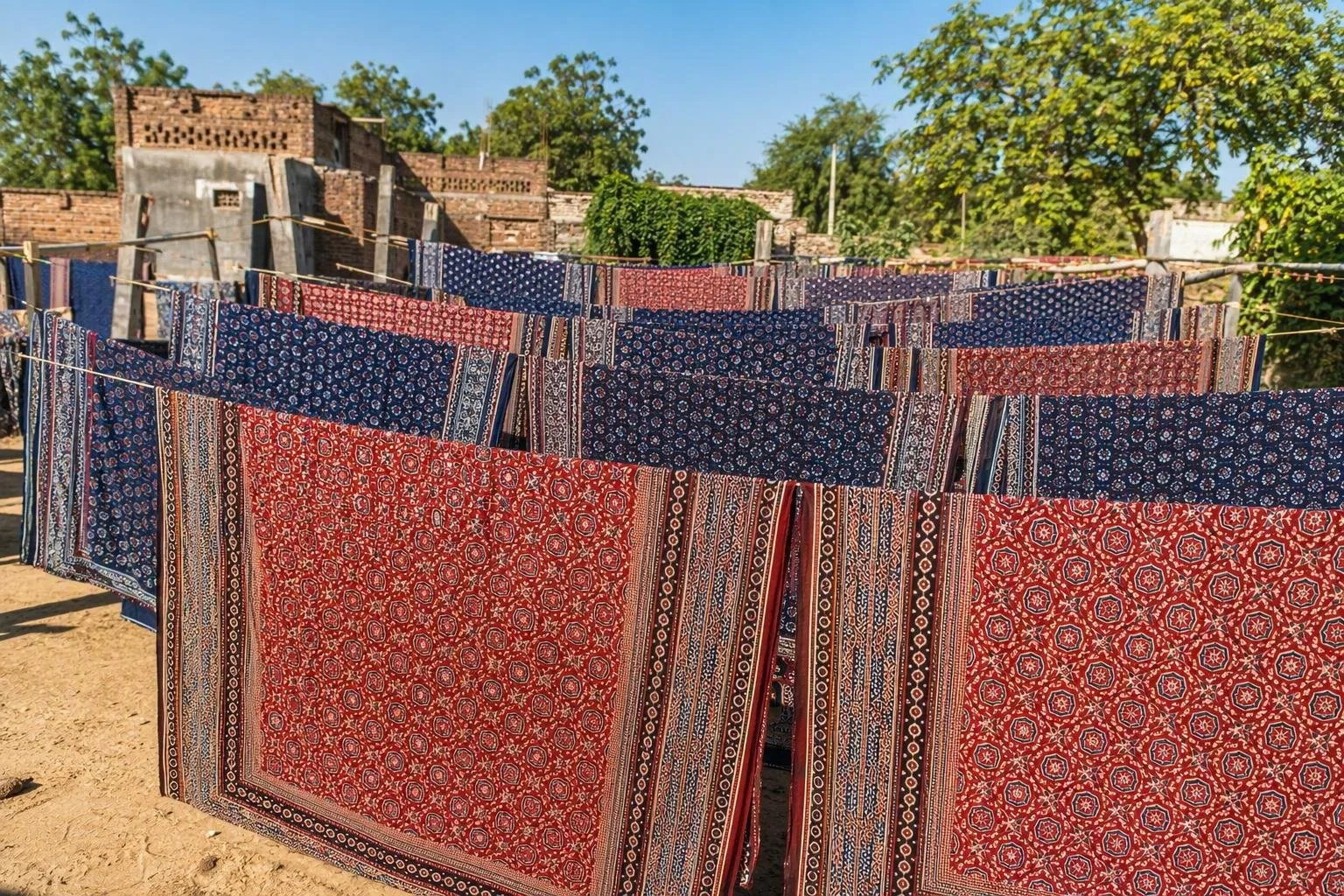
Ajrakhpur is a Kutch village near Bhuj, Gujarat, built by Khatri block-printers around the making of Ajrakh textiles. Its lanes combine homes, workshops, dyeing areas and shops devoted to this precise resist-print tradition.
The village and its craft
Ajrakhpur is not a museum district: it is a working settlement whose identity is Ajrakh, the complex hand-block printing and dyeing tradition of Kutch. Around 100 families participate in a process that can take up to three weeks.
The village was established by Khatri printer families after the 2001 earthquake devastated their former village of Dhamadka. Access to usable water mattered as much as space for houses and workshops. That history explains why the craft remains inseparable from the place.
Read the cloth
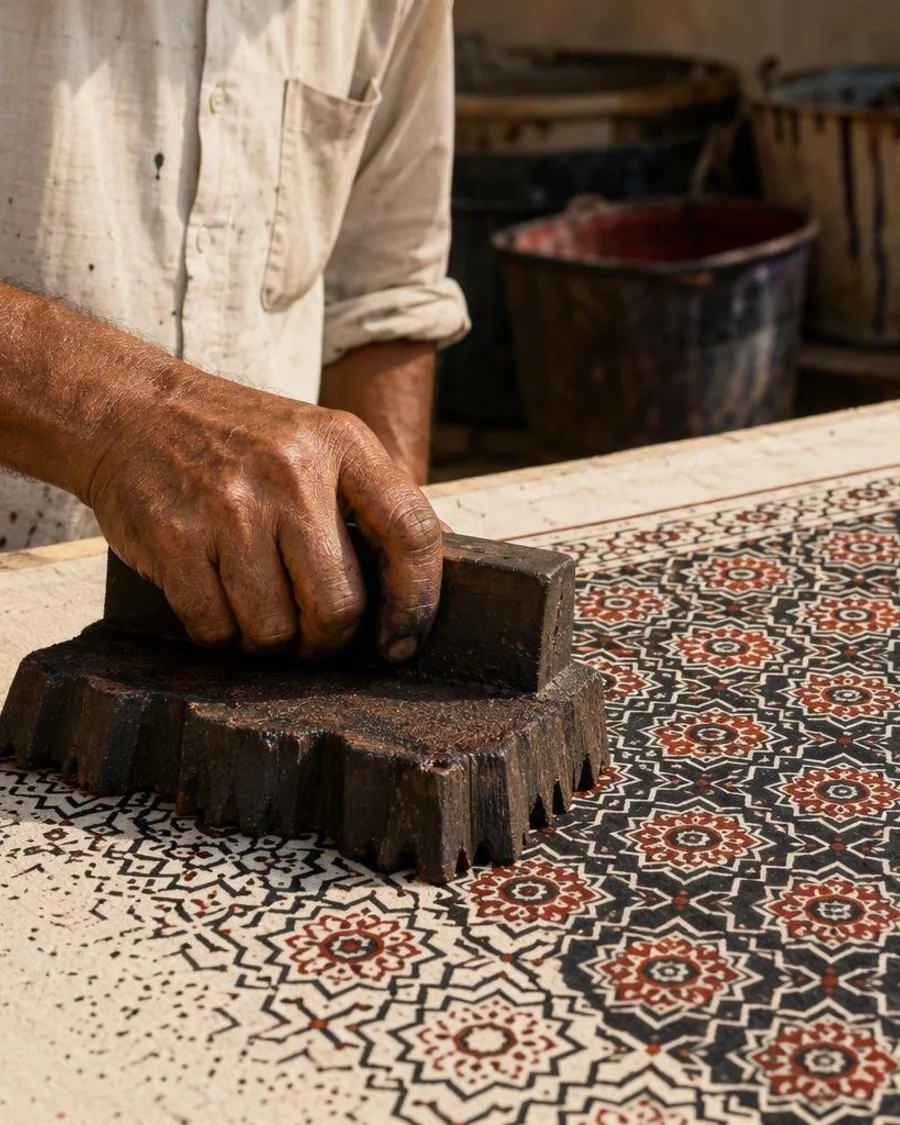
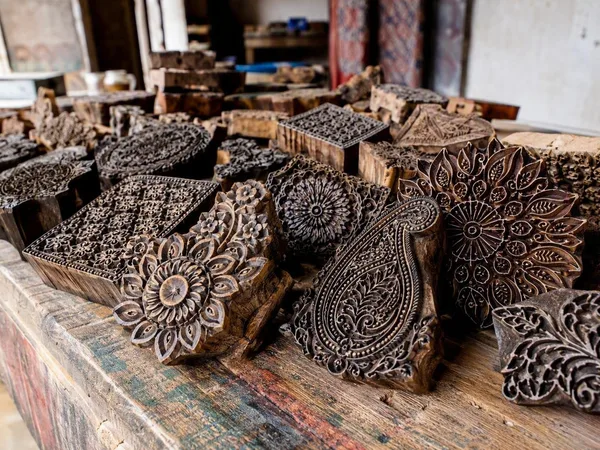
Ajrakh is built through repeated washing, resist-printing, dyeing and sun-drying. Cloth can pass through roughly eight washing cycles, while a detailed pattern may require about 20 carved blocks.
Look for the defining visual grammar:
- Geometry: stars, grids, rosettes and tightly repeated borders.
- Layered colour: deep indigo fields, red tones and pale reserved cotton create the contrast.
- Precision: each block must meet the previous impression exactly; a misplaced stamp breaks the pattern.
- Two-sided interest: resist and dye work produces cloth with substantial colour and pattern rather than a superficial printed surface.
The best way to understand Ajrakh is to follow one length of cloth through preparation, printing, dyeing and drying—not to judge it from a folded stack alone.
Visiting workshops
Ajrakhpur’s workshops are family businesses and production spaces, not a single ticketed attraction. Arrange a visit with a specific workshop before arriving, especially if you want a demonstration or are travelling as a group. Mornings are generally the most useful time to see active work and drying cloth.
Keep the visit focused on the makers’ working day. Ask before photographing blocks, dye vats, fabric or people, and do not handle textiles unless invited. A workshop visit can include a retail area, but the meaningful part is seeing how the finished cloth relates to the tools and processes around it.
Buying Ajrakh well
Buy directly from the printing workshop when possible. Ask what fibre and dye process were used, whether the piece is hand block-printed, and how it should be washed. Ajrakh is made for varied uses, including turbans, shawls, bedcovers and garment fabric.
Price reflects the number of stages, the complexity of the block registration and the labour behind repeated washing and dyeing. A cheaper textile may still be attractive, but it is not automatically equivalent in process or material.
Getting there and moving around
Ajrakhpur lies on the Bhuj side of Kutch and is easiest to reach by road from Bhuj. Use a taxi, hired car or arranged workshop transport; this is a compact village but not a place to rely on frequent local transport for a timed visit.
Walk once there. The useful sights are the workshop yards, printing tables, dyeing areas and cloth laid out to dry—often only a few minutes apart.
From the magazine
Stories about Ajrakhpur
Editorial stories linked directly to Ajrakhpur.
Routes from our editors
Travel through Ajrakhpur
Editorial routes connecting Ajrakhpur with other countries, cities and hotspots.
No routes through Ajrakhpur have been published yet.
More in India
Related hotspots
Other cities, nature areas and places within India.
Gujarat
5 linked stories and routes
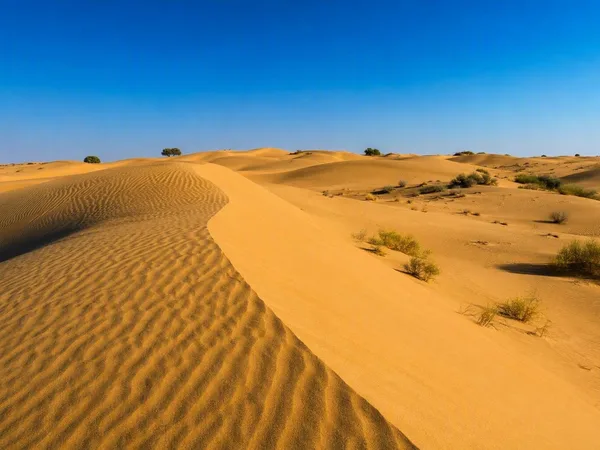
Thar Desert
2 linked stories and routes
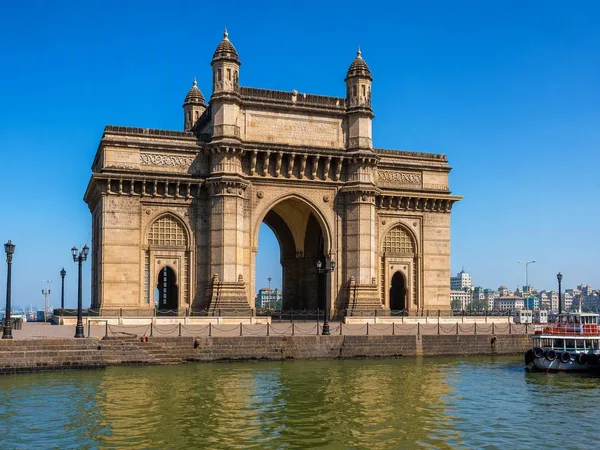
Mumbai
1 linked stories and routes
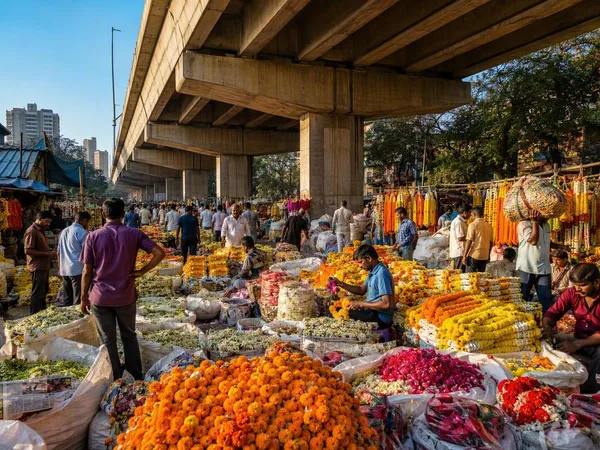
Dadar
1 linked stories and routes
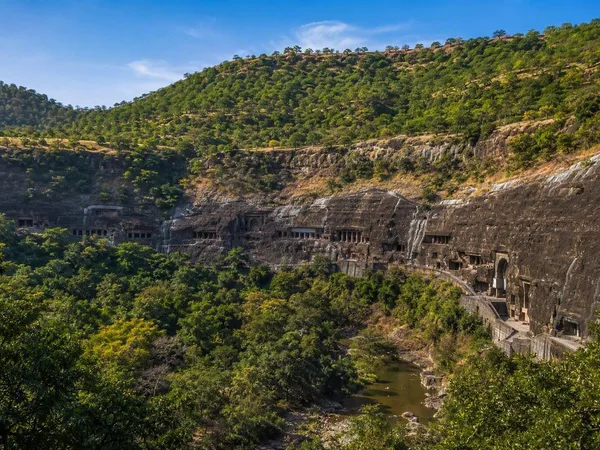
Maharashtra
1 linked stories and routes
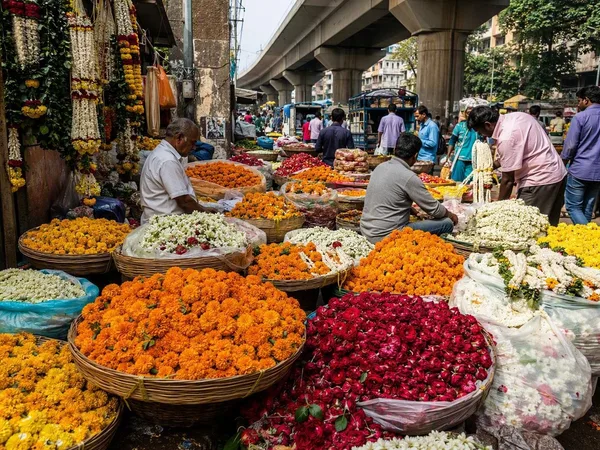
Phool Gully
1 linked stories and routes
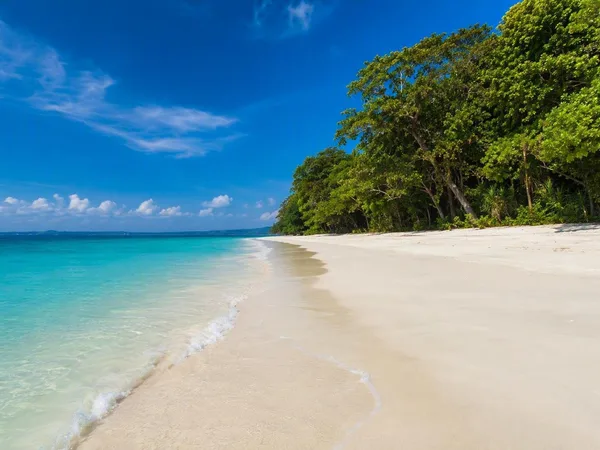
Radhanagar Beach
1 linked stories and routes
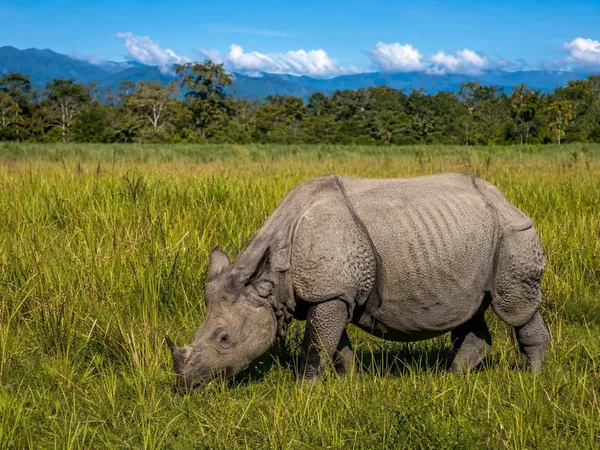
Kaziranga National Park
1 linked stories and routes
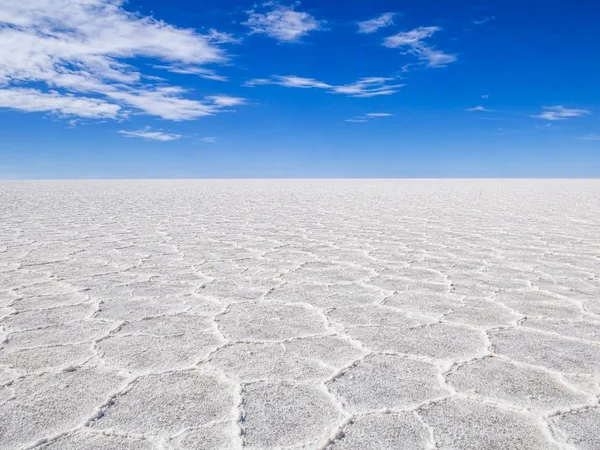
Kutch, Gujarat
1 linked stories and routes
Dhamadka
1 linked stories and routes
Bhuj
1 linked stories and routes
Marwar, Rajasthan
1 linked stories and routes
Khambhat, Gujarat
1 linked stories and routes
Malabar
1 linked stories and routes
Deccan
1 linked stories and routes
Cochin (Kochi)
1 linked stories and routes
Kashmir
1 linked stories and routes