
Region · India
Kutch, Gujarat
Kutch is Gujarat’s vast northwestern district, framed by the Arabian Sea, the Gulf of Kutch and the seasonal salt marshes of the Rann. Use Bhuj as the practical base for its desert, craft villages, coast and historic sites.
The shape of Kutch
Kutch—officially Kachchh—is a large, dry district in western Gujarat. Its southern coast faces the Gulf of Kutch and the Arabian Sea; Pakistan lies to the north and northwest. Much of the district is saline desert: the Great and Little Rann occupy a major share of its landscape, while the south and west open onto a long coastline.
This is not a compact sightseeing destination. Distances are substantial, services thin out beyond towns, and an itinerary needs a base and a vehicle. Bhuj, the district headquarters, is the most useful starting point for transport, accommodation, museums and onward road travel.
Read the landscape
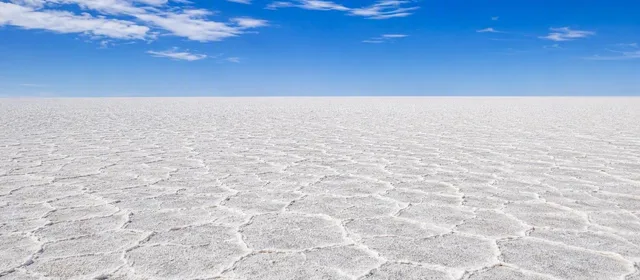
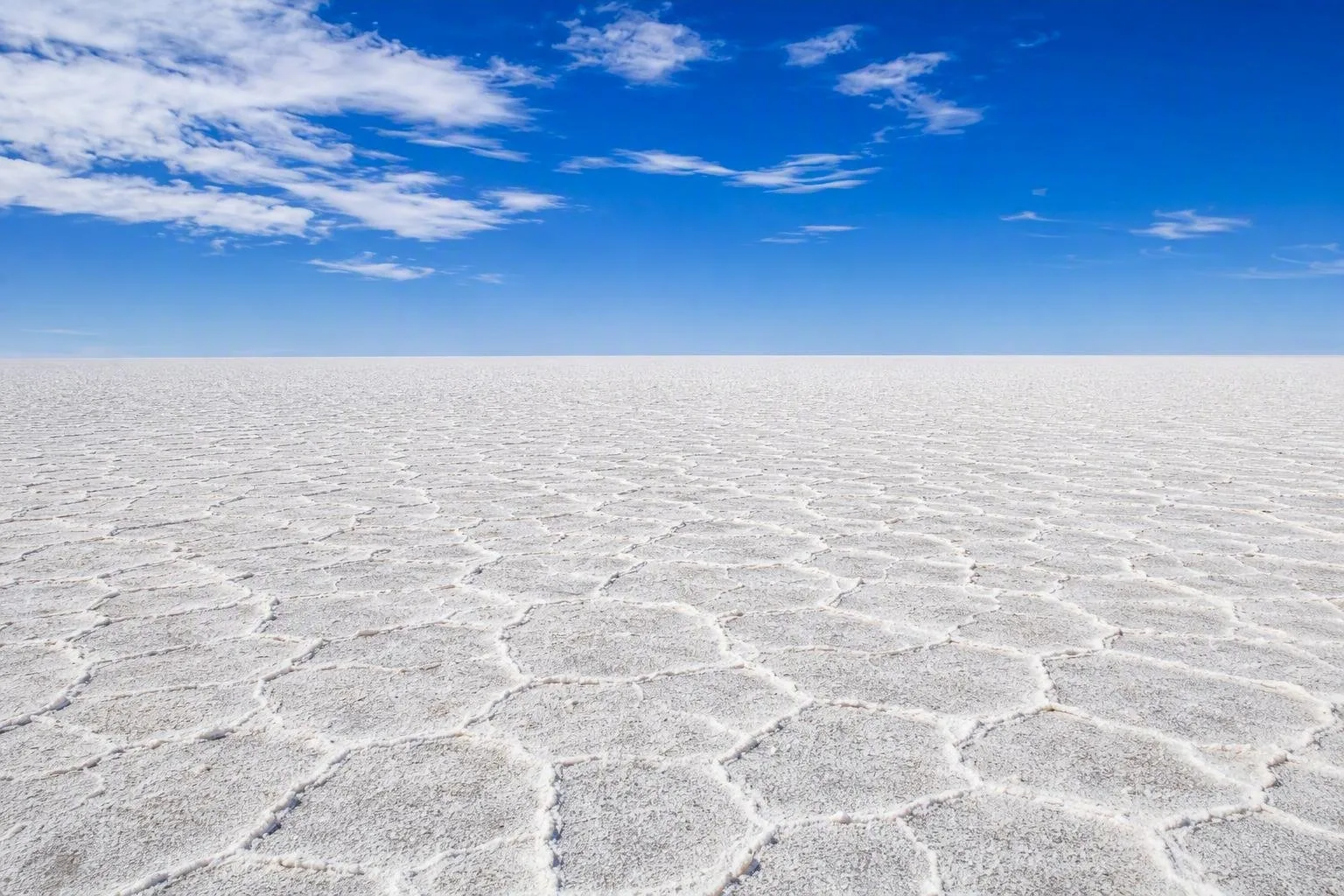
The Great Rann of Kutch is a seasonal salt marsh. In the monsoon it takes water; when it dries, it becomes the pale, cracked salt terrain known as the White Rann. Visit for the landscape rather than treating it as a stand-alone substitute for the district.
Other terrain changes the picture:
- Banni grasslands and seasonal wetlands around the Rann;
- the coastal belt around Mandvi, Mundra and Lakhpat;
- low hills, including Kalo Dungar, a viewpoint over the Rann;
- village landscapes where mud-built circular bhungas remain a familiar form of housing.
The winter months are the workable season for long days outdoors. Summer is intensely hot; nights in the cooler season can feel cold in exposed desert areas.
Crafts are living work
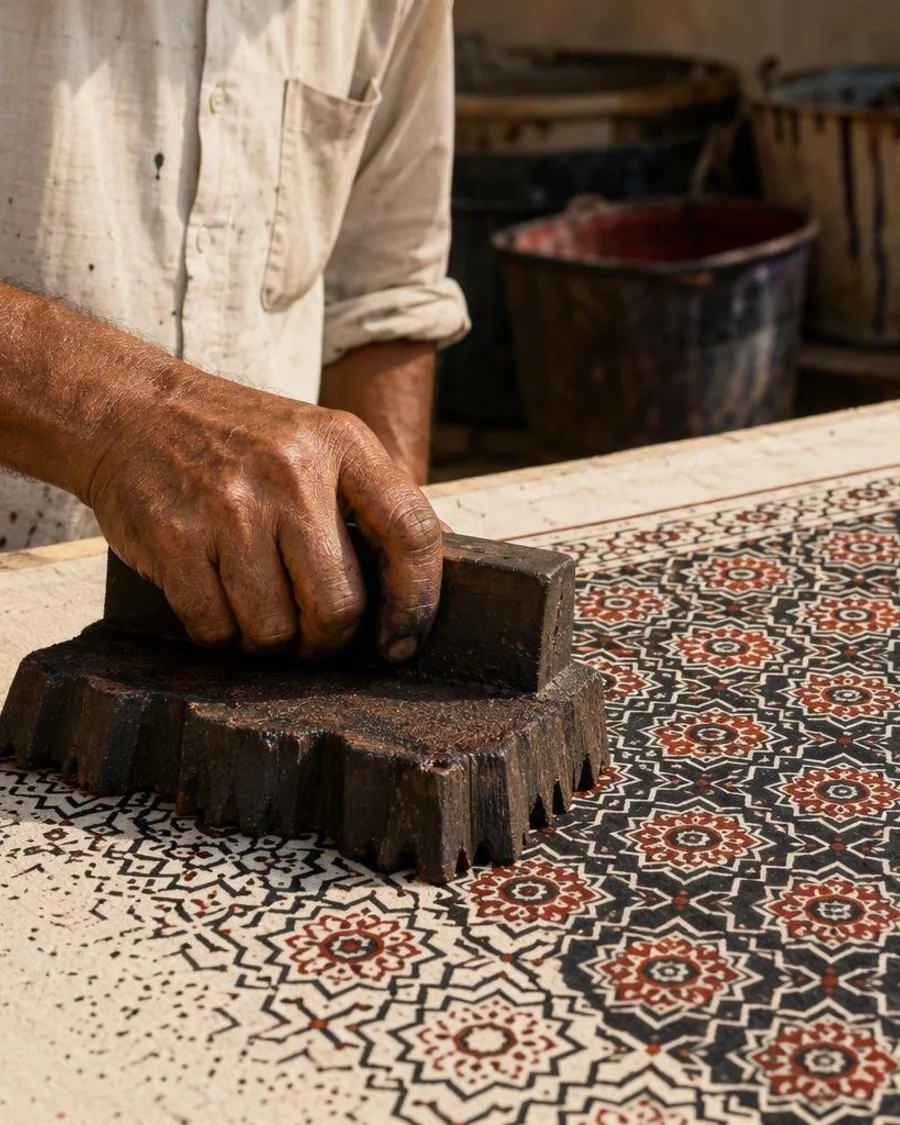
Kutch’s textile reputation rests on specialist communities and working villages, not a single market. Around Bhuj, Ajrakhpur continues Khatri block printing with hand-carved blocks and layered resist-dye processes. Ajrakh cloth is traditionally associated with deep indigo, red, black and white geometric patterns; it has long been worn as everyday cloth by pastoral communities across Kutch, Sindh and the Thar.
The craft is inseparable from water. Printing and dyeing require repeated washing, and salt or iron-rich groundwater can disrupt colours and spoil cloth. Buy directly from workshops when possible, and allow makers room to work rather than treating an active yard as a display.
Bhujodi is known for weaving and embroidery; Nirona for Rogan painting, lacquer work and bell-making. These are separate stops, each best approached as a village visit rather than a quick shopping circuit.
Build a practical route
Bhuj has air and rail connections and is the logical hub. From there, plan individual road days: the Great Rann is roughly 85 km away, while craft villages, Mandvi’s coast and Dholavira lie in different directions. A hired car with driver is often the simplest way to link rural stops.
Access note: the White Rann near Dhordo is close to the international border and requires a visitor permit. Carry identification and follow access controls. Do not assume that desert tracks, border roads or wet-season marsh areas are open to visitors.
What to prioritise
For a first visit, pair one landscape day with one craft day. The Rann and Kalo Dungar suit a northern route; Ajrakhpur and Bhujodi fit easily with Bhuj. Add Mandvi for the coast, or reserve a separate, longer day for Dholavira. Trying to cover all of Kutch in a weekend turns the region into windscreen time.
From the magazine
Stories about Kutch, Gujarat
Editorial stories linked directly to Kutch, Gujarat.
Routes from our editors
Travel through Kutch, Gujarat
Editorial routes connecting Kutch, Gujarat with other countries, cities and hotspots.
No routes through Kutch, Gujarat have been published yet.
More in India
Related hotspots
Other cities, nature areas and places within India.
Gujarat
5 linked stories and routes
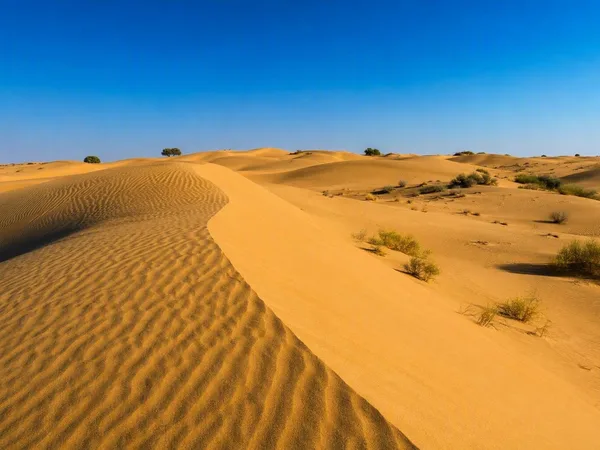
Thar Desert
2 linked stories and routes
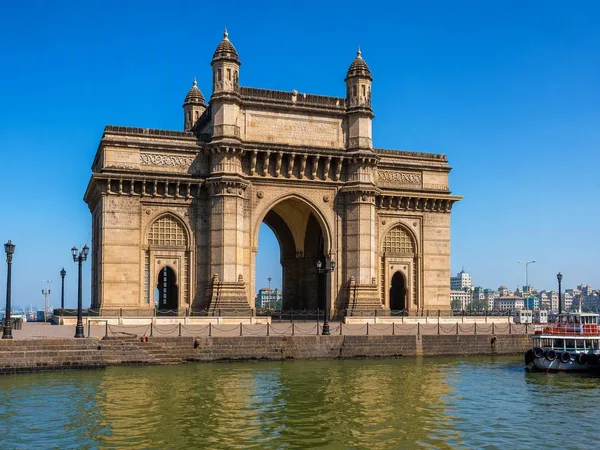
Mumbai
1 linked stories and routes
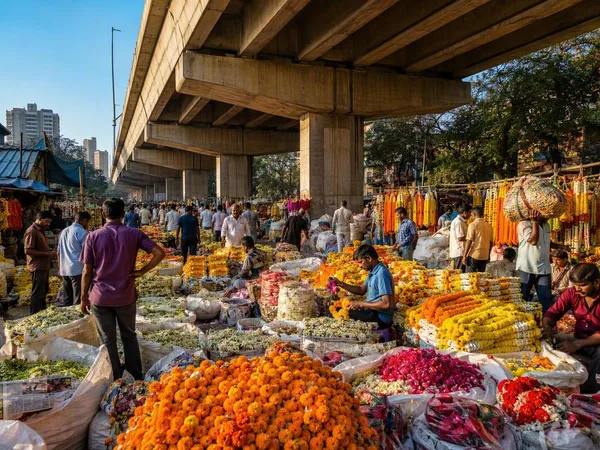
Dadar
1 linked stories and routes
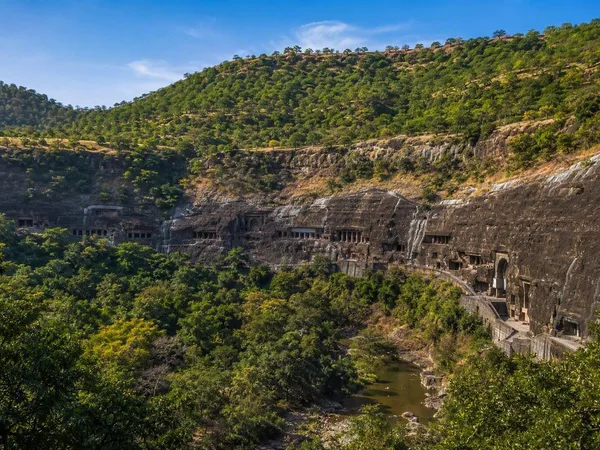
Maharashtra
1 linked stories and routes
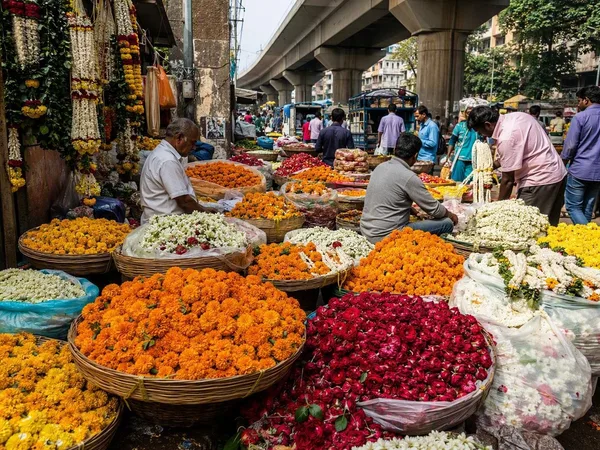
Phool Gully
1 linked stories and routes
Radhanagar Beach
1 linked stories and routes
Kaziranga National Park
1 linked stories and routes
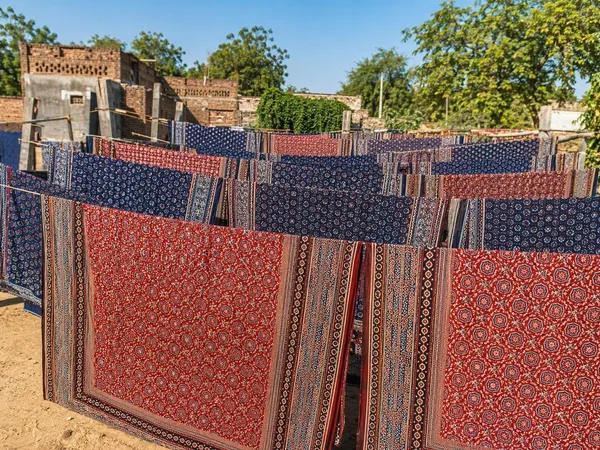
Ajrakhpur
1 linked stories and routes
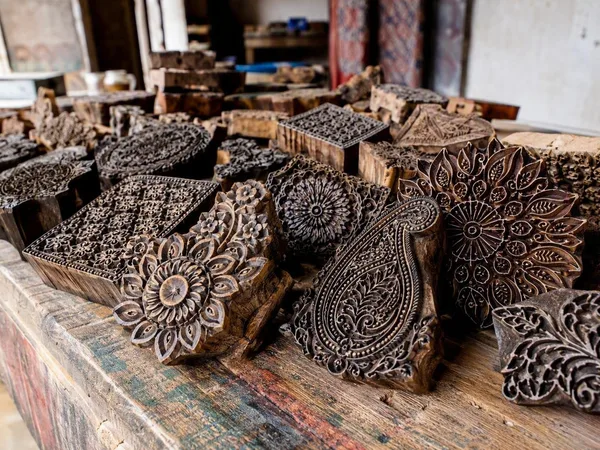
Dhamadka
1 linked stories and routes
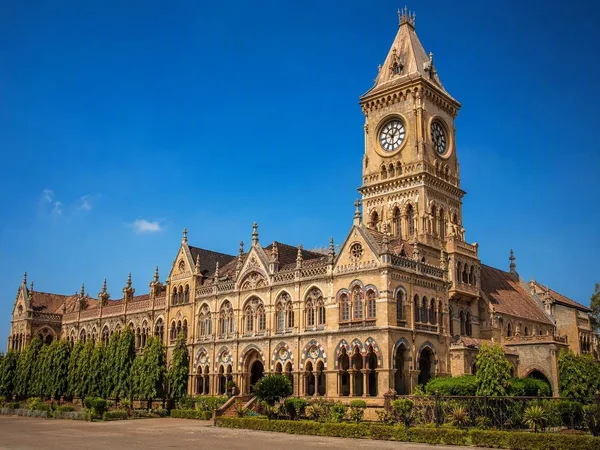
Bhuj
1 linked stories and routes
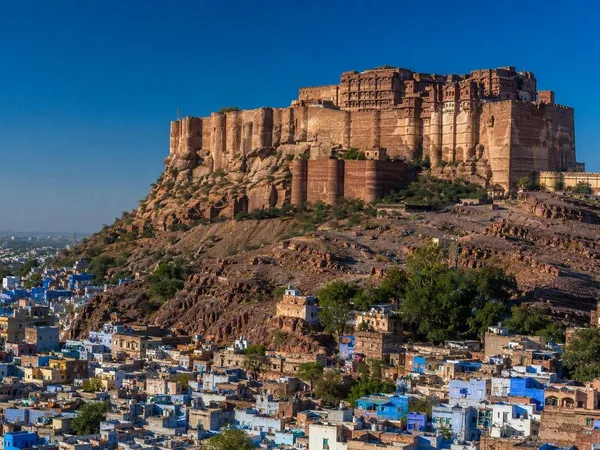
Marwar, Rajasthan
1 linked stories and routes
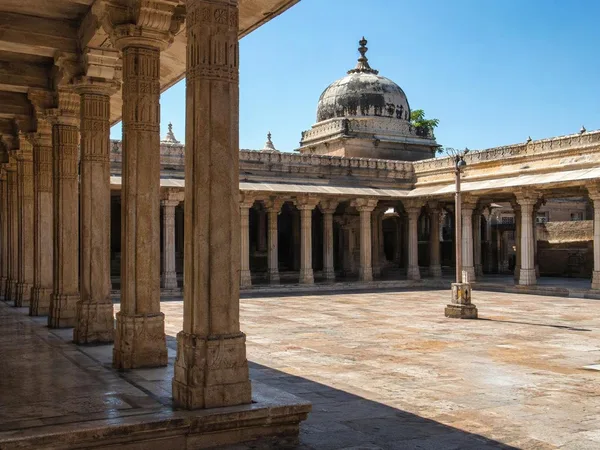
Khambhat, Gujarat
1 linked stories and routes
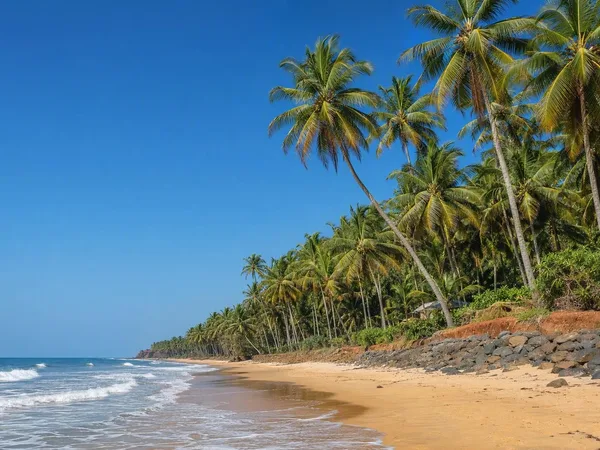
Malabar
1 linked stories and routes
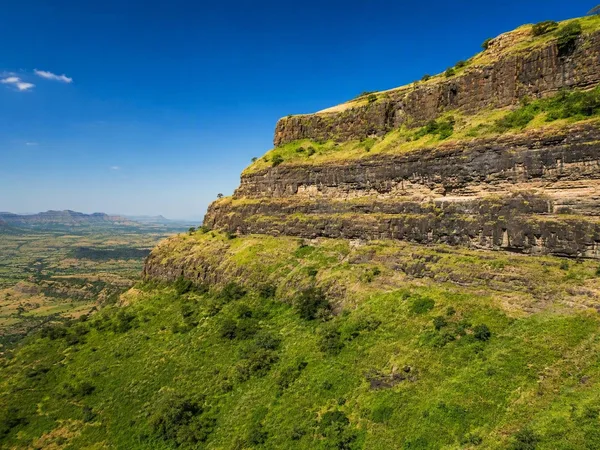
Deccan
1 linked stories and routes
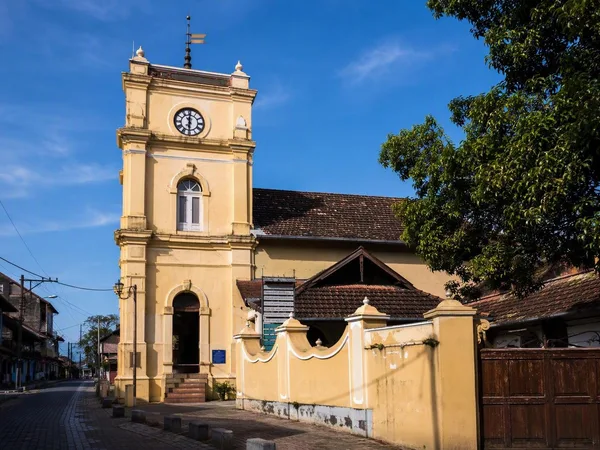
Cochin (Kochi)
1 linked stories and routes
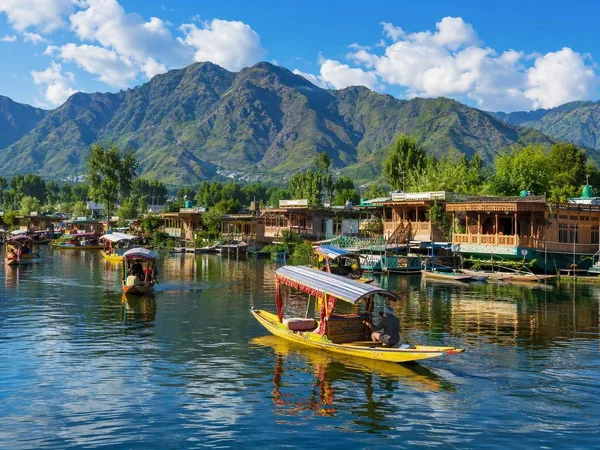
Kashmir
1 linked stories and routes