Netherlands

Canals, dikes and working land

Netherlands

Dutch cities, polders and ports show how water management shapes daily life.

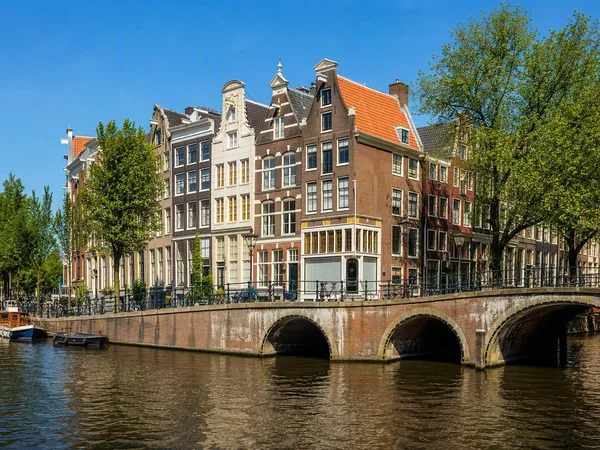
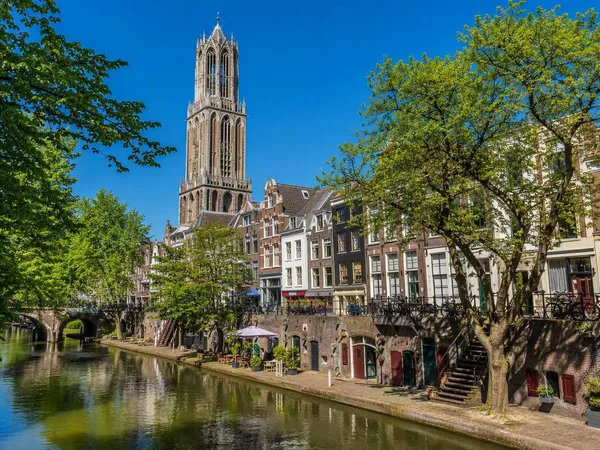
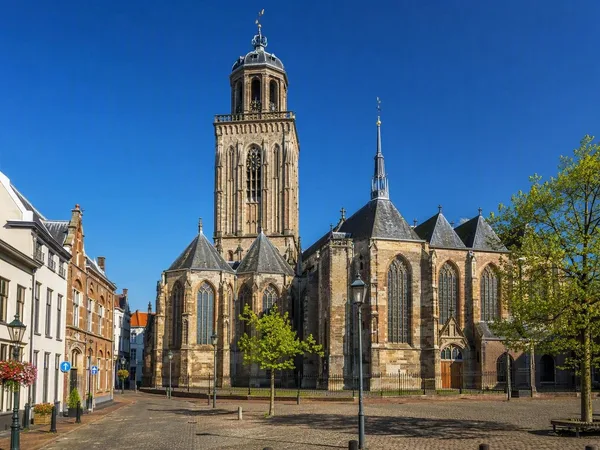
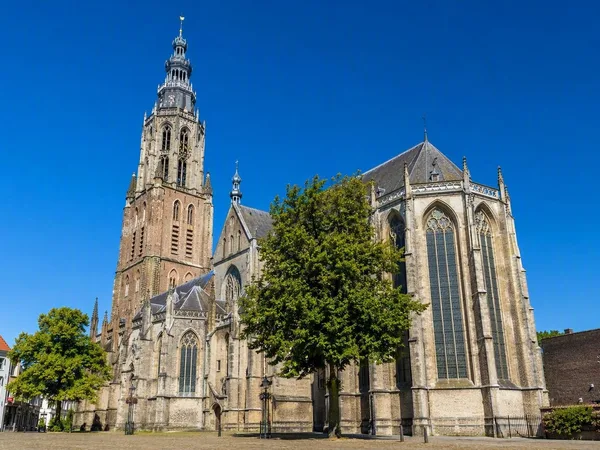
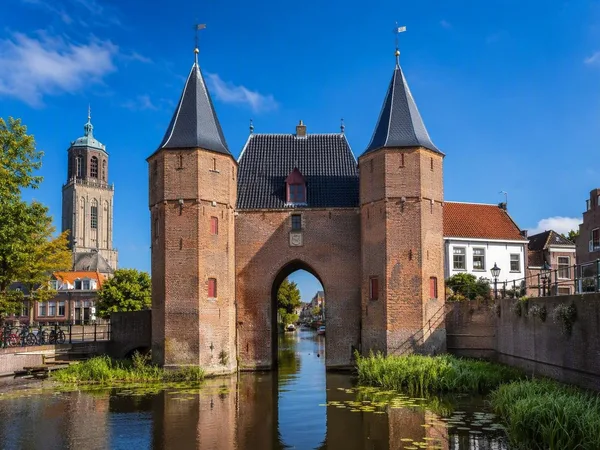
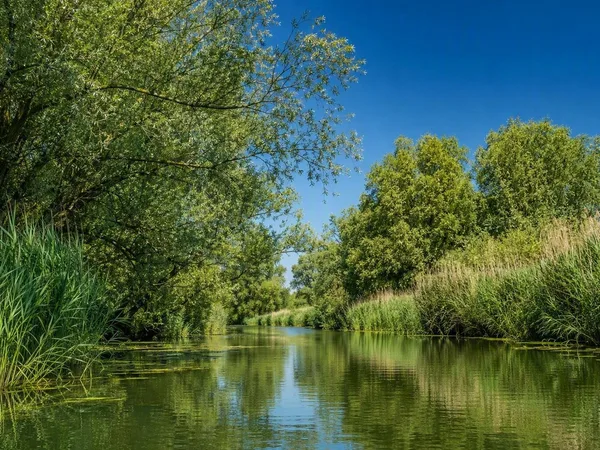
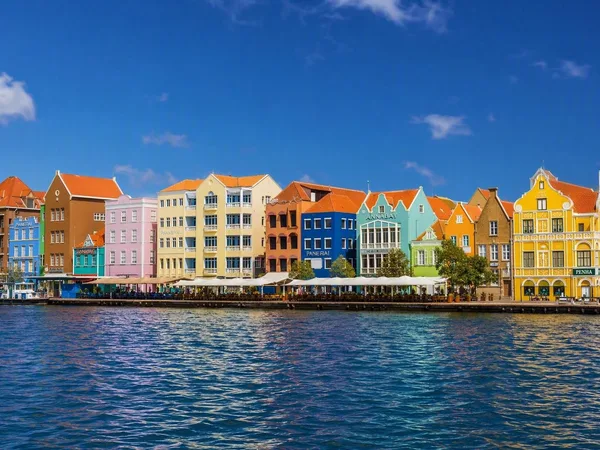
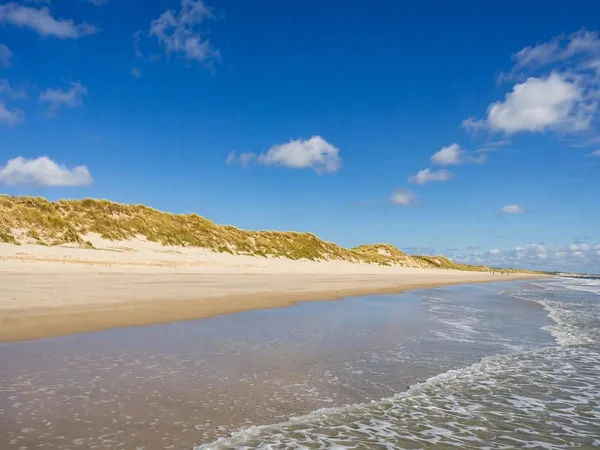
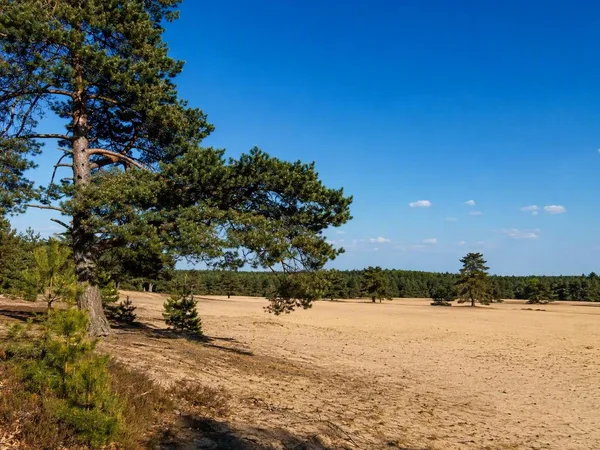
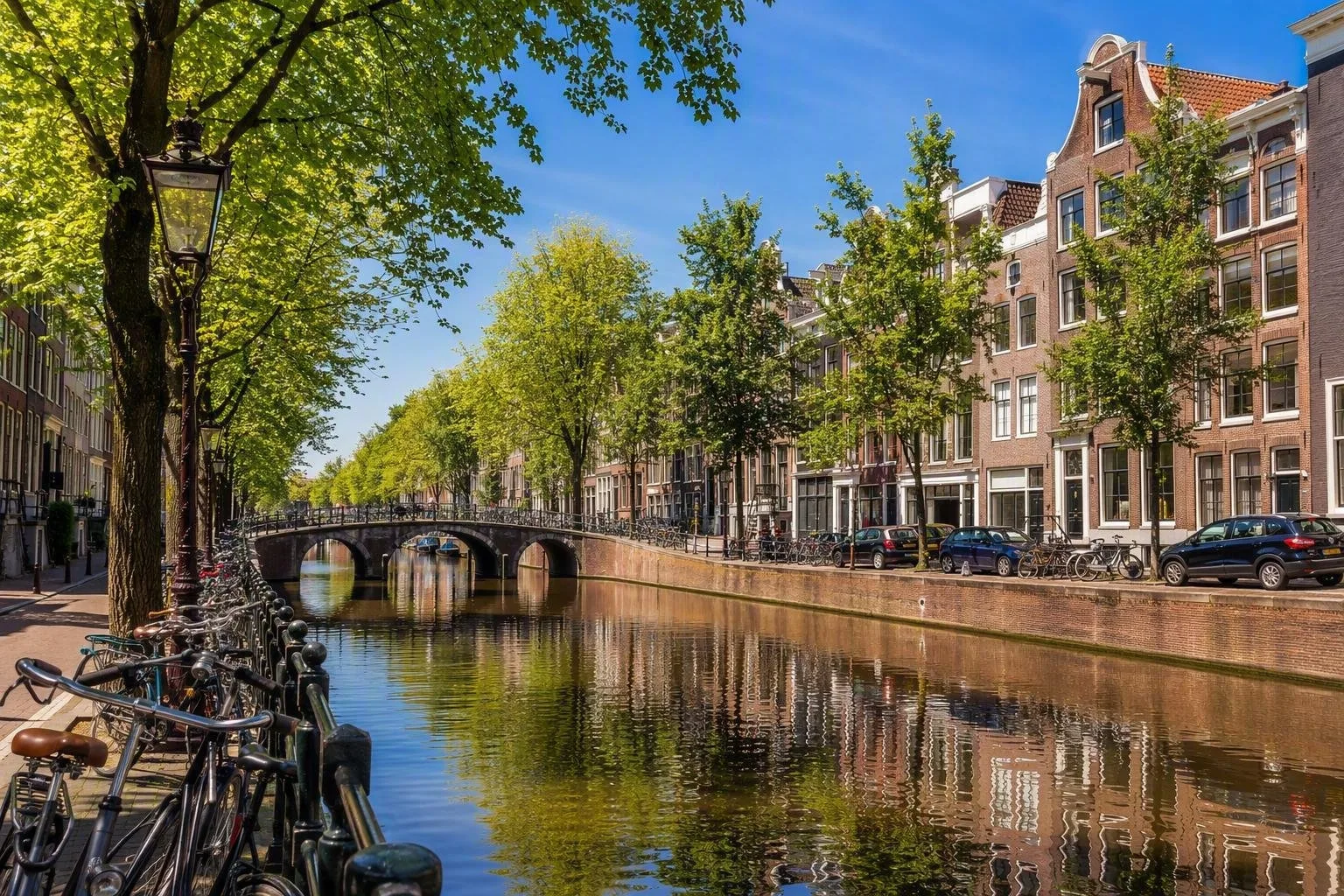
The Netherlands makes more sense when you look past the canal houses. Water has shaped the country’s streets, fields and habits for centuries. Amsterdam’s merchants dug the canal ring to move goods and manage water, then built tall, narrow houses on expensive plots. In South Holland, dikes and pumping stations keep polders dry. At Kinderdijk, nineteen windmills record an earlier method of doing the same work. Today, cycle lanes, railway stations and compact neighbourhoods follow the same careful use of limited space. North Sea dunes, Frisian lakes and the wooded hills of Limburg bring sharp changes of landscape within a few hours by train.

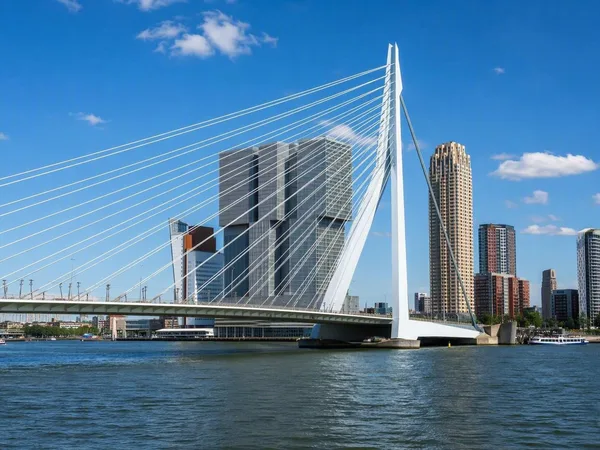
Amsterdam’s museums and canal streets deserve time, but other cities show different parts of Dutch life. Leiden has university courtyards and canals that once carried cloth. Delft still sells its blue-and-white earthenware, developed through global trade, and Vermeer painted domestic interiors there. Rotterdam rebuilt its centre after the Second World War with broad streets, high-rises and striking public buildings beside one of Europe’s largest ports.

Food carries some of that history too. Market stalls sell raw herring with onions. Gouda stages its traditional cheese market in the warmer months. Indonesian restaurants serve rijsttafel, a meal of many small dishes that reflects the country’s colonial past. Leave room for towns beyond the capital, whether you travel between them by train or bicycle. You will find canals, fields and busy streets used with a practical eye, and plenty of places to stop for a beer, coffee or a long dinner.

When to go

Best time to travel

Monthly values are indicative average maximum temperatures for Amsterdam and the western Netherlands. The North Sea moderates coastal areas, while inland and southeastern regions can have warmer summers and colder winter nights. Monthly values are indicative average maximum temperatures for Amsterdam and the western Netherlands. The North Sea moderates coastal areas, while inland and southeastern regions can have warmer summers and colder winter nights.

jan6°C feb7°C mar10°C apr14°C may18°C jun20°C jul22°C aug22°C sep19°C oct15°C nov10°C dec7°C

Weather in the capital

Practical Netherlands

On every country page we show the current weather for the capital.

Amsterdam · hoofdstad
Morning17°Cdrizzle
Afternoon18°Crain
Evening18°Covercast
today18°C / 16°Chigh and low

Current forecast by Open-Meteo

Getting around

Trains run frequently between major cities, while buses, trams and metros cover local routes. Use an OV-chipkaart or tap a contactless bank card when you board and leave public transport.

Paying

Cards and contactless payments are standard, and some businesses do not accept cash. Carry a physical bank card, as some terminals do not accept foreign cards or credit cards.

Where to stay

Hotels, hostels, apartments, campsites and holiday parks suit most budgets. Amsterdam and tulip-growing areas fill quickly during the busy spring season, so book ahead.

Before you leave

Worth knowing

A practical starting point for your trip. Check current conditions and local information before you leave.

01

Calling code

The international calling code is +31. Drop the initial 0 from a Dutch area or mobile code when calling from abroad.

02

Driving and priority

Traffic drives on the right. At unsigned junctions, traffic from the right generally has priority, unless signs or road markings say otherwise.

03

Official languages

Dutch is the national official language. West Frisian also has official status in the province of Friesland.

04

Cards and contactless payments

Debit cards and contactless payments are widely used. Some shops do not take cash, and some terminals do not accept every foreign card.

05

Tipping

Service is included in prices. People often round up the bill or leave about 5–10% for good restaurant service.

06

Meal times

Lunch usually falls around noon or 1pm. Many people eat dinner between 6pm and 8pm, and restaurant kitchens may close earlier than in southern Europe.

07

Business hours

Many shops open around 9am or 10am and close near 6pm. Supermarkets often stay open later, and Sunday hours vary by town.

08

Check in and out

Tap in and out with the same card or device for each journey. When changing train operators, check out with one operator and in with the next.

09

Cycle-lane etiquette

Keep cycle lanes clear when walking. Look both ways before crossing, signal when turning on a bike and do not stop in the lane.

10

Quiet zones on trains

Some train carriages have quiet sections marked “stilte” or “stiltezone.” Keep conversations and calls silent there.

11

Tap water

Tap water is commonly served and used for drinking. Restaurants may charge for bottled water unless you specifically request tap water.

12

Measurements

The Netherlands uses the metric system: kilometres for distance, litres for volume and kilograms for weight.