
City · Netherlands
Rotterdam
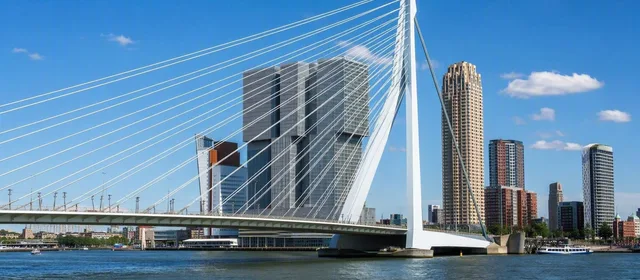
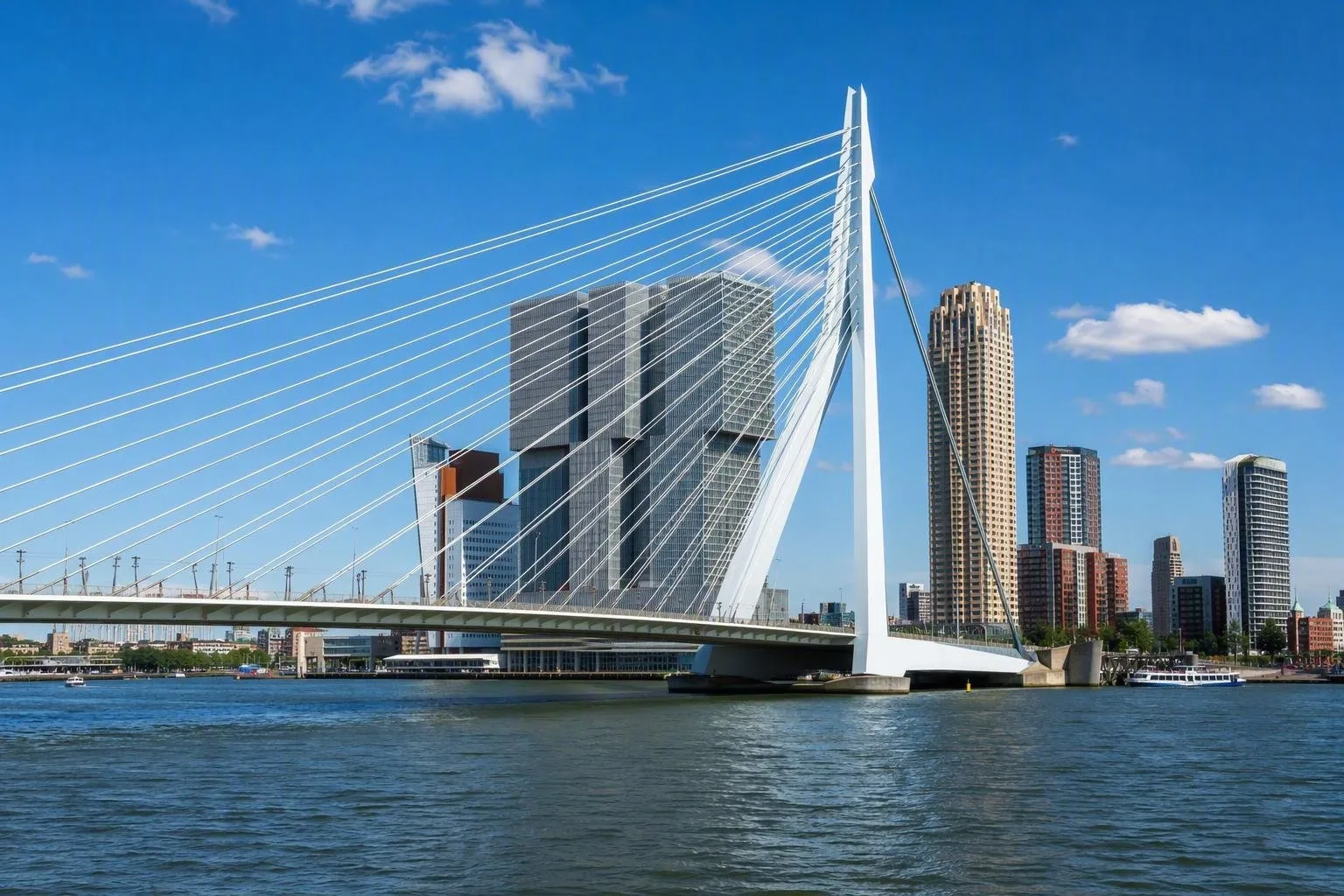
Rotterdam is a port city in South Holland on the Nieuwe Maas, defined by post-war architecture, working-waterfront scale and a compact central core. Its key sights run from Blaak’s experimental buildings to the Erasmus Bridge and Kop van Zuid.
Get oriented
Rotterdam is not a canal-house city: much of its centre was rebuilt after the 1940 bombing. The result is a city of broad streets, towers and public architecture, cut through by the Nieuwe Maas. Rotterdam Centraal is the natural arrival point; Blaak is the most useful base for the Markthal and Cube Houses; Beurs is the central metro interchange.
The core is walkable, but the river divides the experience. Use the north bank for the centre, Museumpark and Blaak; cross to Kop van Zuid for the newer waterfront skyline.
Start with the architecture
Begin at Blaak. The horseshoe-shaped Markthal combines a covered food market with apartments and a vast ceiling artwork. Across the street, Piet Blom’s tilted yellow Cube Houses (Kubuswoningen) form a pedestrian-level landmark; most are private homes, so view them from outside or visit the designated show house.
Continue via the Oude Haven, where historic vessels sit below the Cube Houses, then head southwest to the river. Erasmus Bridge—the white cable-stayed “Swan”—links the centre to Kop van Zuid and gives the clearest sense of Rotterdam’s river scale.
On the south bank, follow Wilhelminakade past Hotel New York and the stacked volumes of De Rotterdam. For a slower counterpoint, take tram or metro west to Delfshaven, a historic harbour district that survived the wartime destruction.
Museums, views and water
Museumpark groups Kunsthal, Het Nieuwe Instituut and the mirrored Depot Boijmans Van Beuningen, a publicly accessible art-storage building with a rooftop garden. Nearby, Het Park leads to the Euromast observation tower.
The river is part of the transport network as well as the view. A water taxi is useful for a short cross-river trip; longer sightseeing and regional boat services leave from waterfront stops. Keep the waterfront in the plan rather than treating it as a distant backdrop.
Arriving and moving around
- By train: Rotterdam Centraal has domestic and international rail connections. Blaak is better placed for the eastern centre.
- Public transport: RET metro, tram and bus cover the city. Tap in and out with the same contactless bank card, phone or transit card.
- On foot and by bike: Walk the centre and riverfront; use a bike for distances such as Delfshaven, Kralingse Bos or Katendrecht.
- By car: Central parking is limited and paid. A P+R plus metro is usually more efficient.
Timing and street rules
Give the Blaak–Oude Haven–Erasmus Bridge route a half-day without museum interiors, or a full day with Museumpark and Kop van Zuid. Visit the Markthal earlier for a calmer look at the building; the riverfront works particularly well in late afternoon.
Watch cycle lanes and tram tracks. They are active transport corridors, not walking space. Use marked crossings and do not stop in a cycle lane for photos. Temporary road and tram diversions can affect the centre during the Hofplein redevelopment.
From the magazine
Stories about Rotterdam
Editorial stories linked directly to Rotterdam.
No stories about Rotterdam have been published yet.
Routes from our editors
Travel through Rotterdam
Editorial routes connecting Rotterdam with other countries, cities and hotspots.
No routes through Rotterdam have been published yet.
More in Netherlands
Related hotspots
Other cities, nature areas and places within Netherlands.
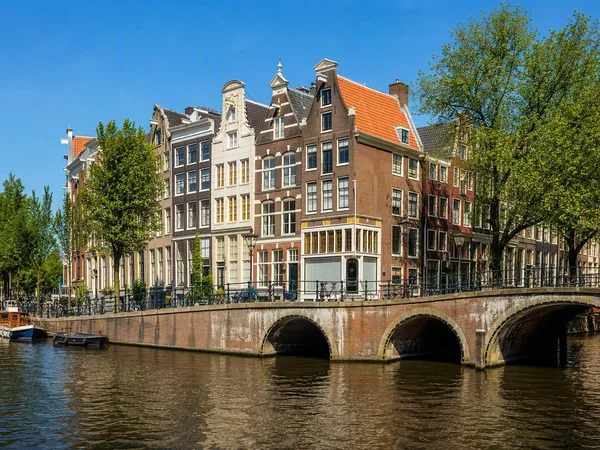
Amsterdam
3 linked stories and routes
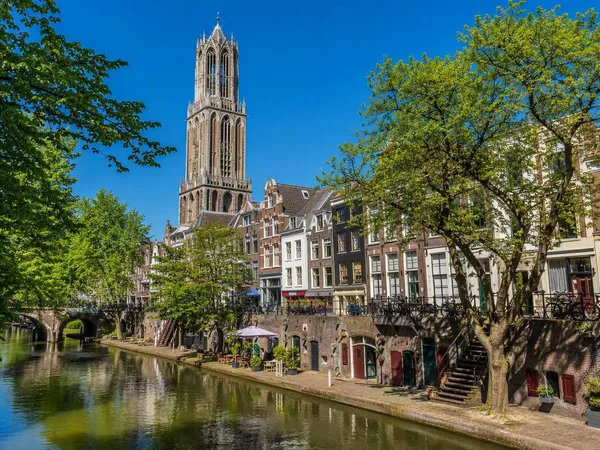
Utrecht
1 linked stories and routes
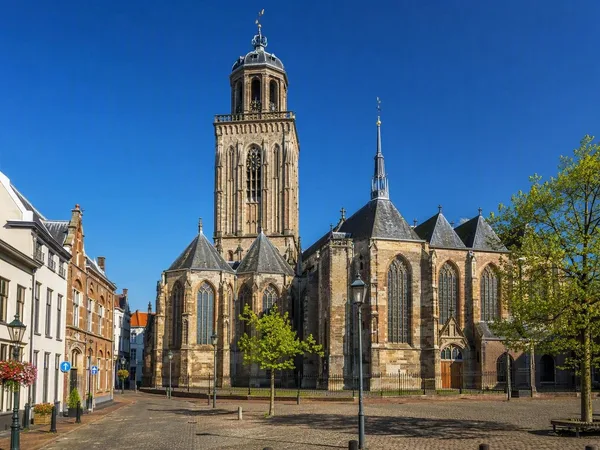
Deventer
1 linked stories and routes
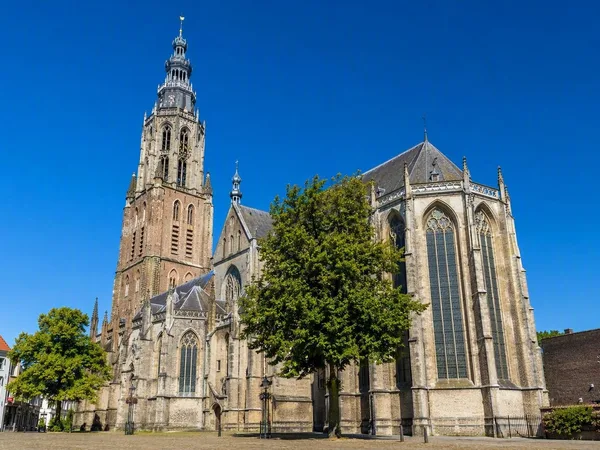
Zutphen
1 linked stories and routes
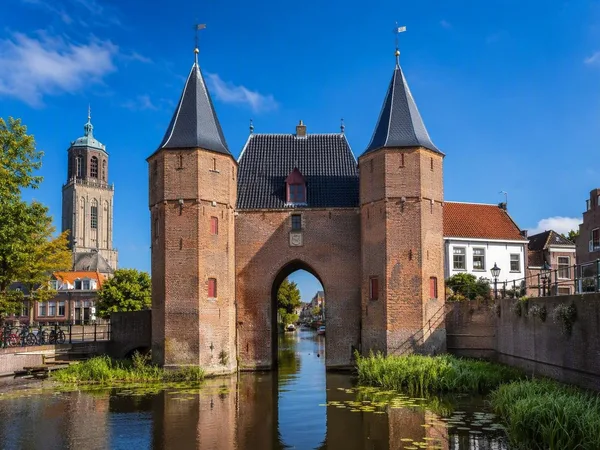
Zwolle
1 linked stories and routes
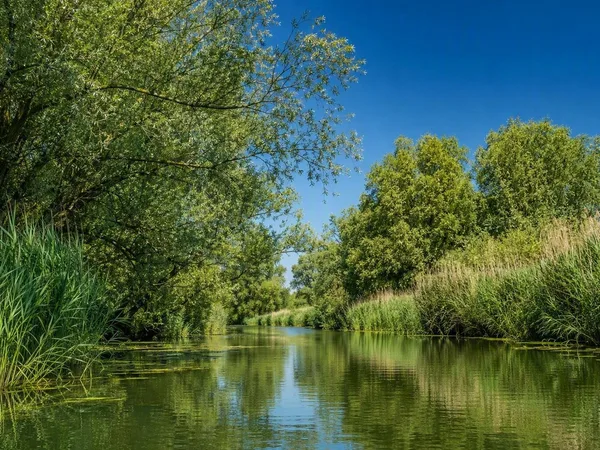
Biesbosch
1 linked stories and routes
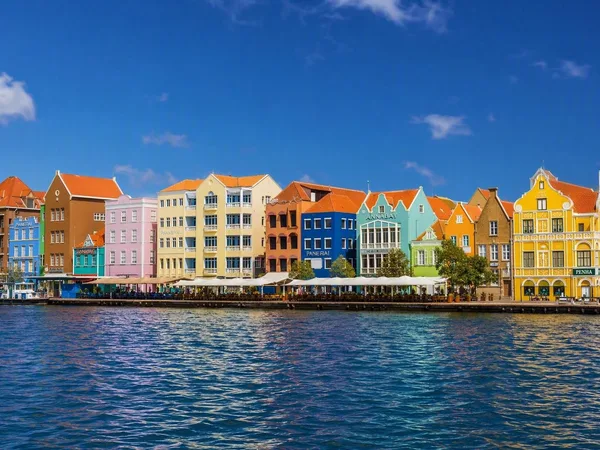
Curaçao
1 linked stories and routes
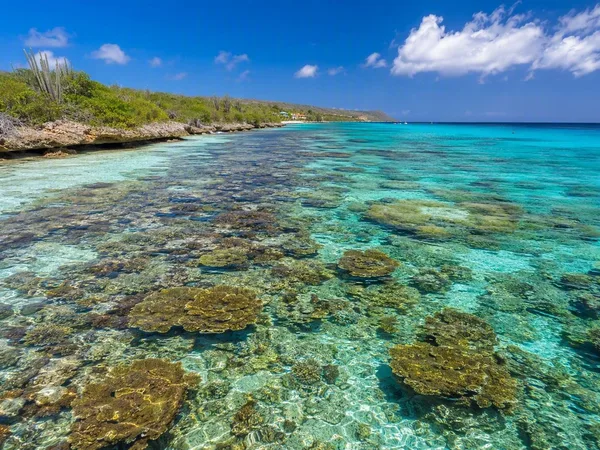
Bonaire
1 linked stories and routes

Saba
1 linked stories and routes
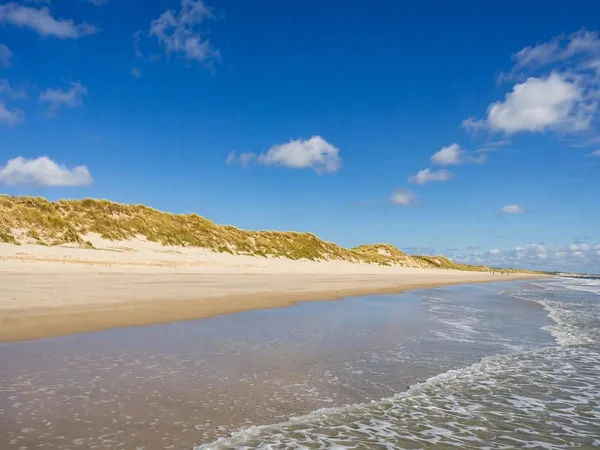
Schiermonnikoog
1 linked stories and routes
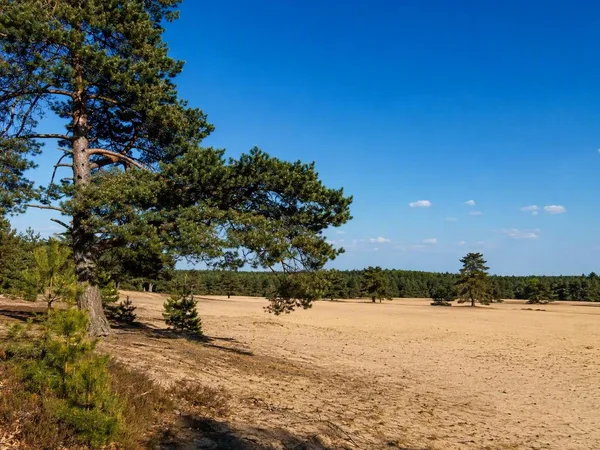
Veluwe
0 linked stories and routes