
National park · Netherlands
Biesbosch
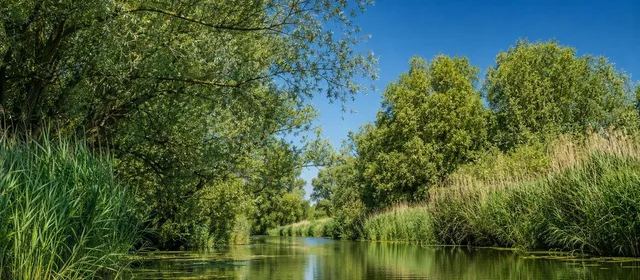
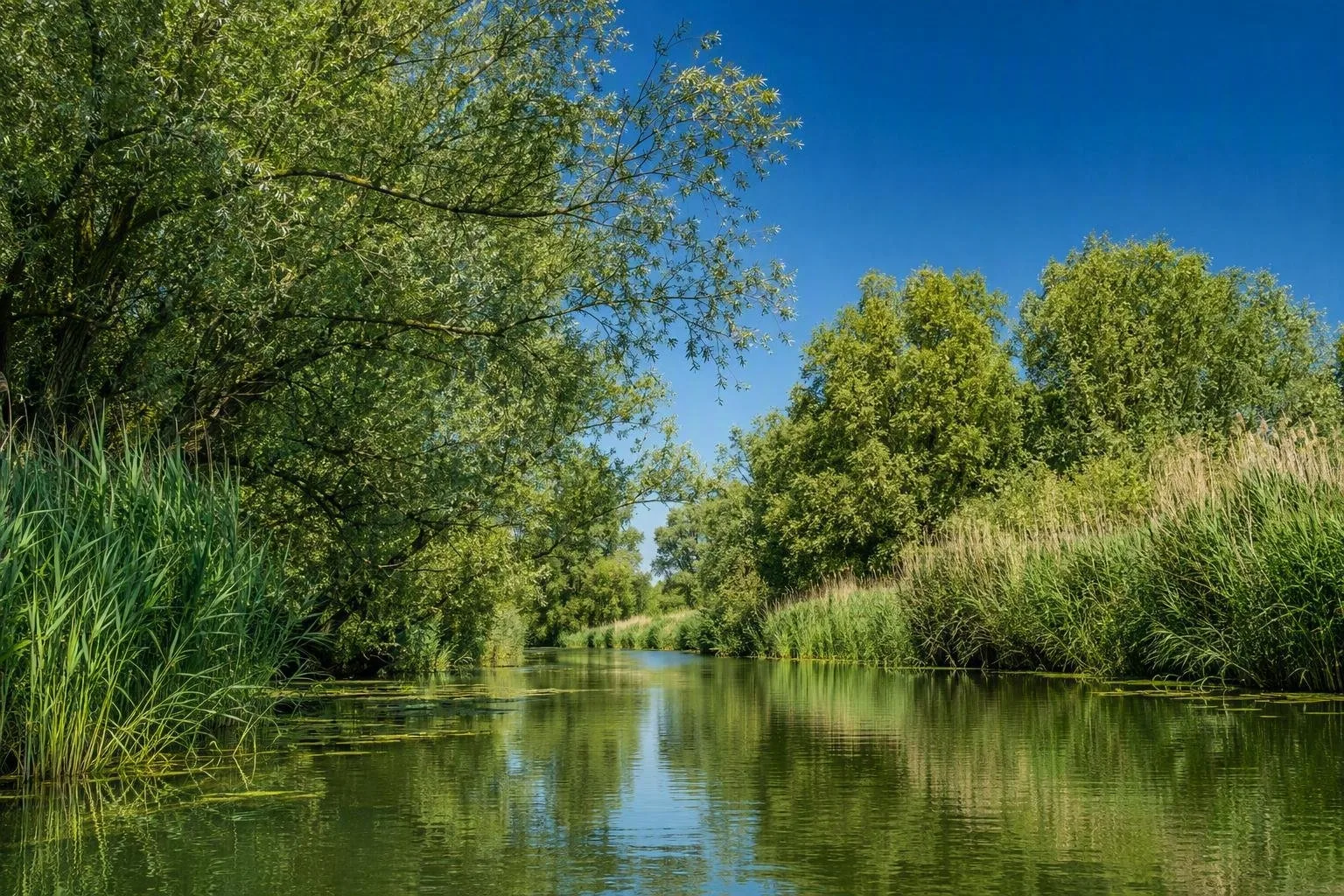
Biesbosch is a freshwater tidal national park on the border of North Brabant and South Holland. Its maze of creeks, reed beds, willow flood forests and river islands is best understood from the water.
The landscape
Biesbosch is not a conventional walk-in woodland. Fresh water rises and falls with the tide through a wetland of channels, mudflats, reed and willow forest. The park spreads across North Brabant and South Holland; its three broad sections are the Brabantse, Dordtse and Hollandse Biesbosch.
Water shapes the visit. Many islands and the park’s quieter interior are accessible only by boat, while walking routes explore selected edges, polders and dikes.
Choose a starting point
Pick an entrance for the day rather than trying to cross the whole park overland.
- Dordrecht: Biesboschcentrum Dordrecht is a practical base for the Hollandse side, with boat trips and walks.
- Werkendam: Biesbosch MuseumEiland is a useful base for walks, activities and the former polder landscape around Noordwaard.
- Drimmelen: the marina is a waterside gateway. Reaching the Brabantse Biesbosch from here requires a hired boat, crossing or organised excursion.
- Hank: a starting point for shorter walks near Aakvlaai and for boat or canoe hire.
Walk, paddle or take a boat
For the defining experience, take a canoe, small boat or guided cruise into the creek network. Keep a route map with you: channels fork quickly, some are shallow, and not every creek is open to recreation.
Walking works best as a separate plan. Around Werkendam, Jantjesplaat and Spieringsluis combine willow woodland, former coppice plots, boardwalks and viewpoints. From Drimmelen, the Zuiderklip route reaches a remote reed-polder section, but its trailhead is accessible only by water. Expect unpaved ground and take waterproof footwear for wet conditions.
Timing and water levels
The park is generally accessible year-round from sunrise to sunset. Tidal water levels change continually, so low-lying paths and landing places can be wet or temporarily impractical.
Spring and summer bring active birdlife but also the strictest protection: breeding tranquillity runs from 1 January to 1 August. From 1 November to 1 March, parts of the creeks and quiet areas close to water recreation for wintering waterbirds. Seasonal and temporary closures are marked on site.
Rules that matter
Stay on marked paths and designated routes; keep dogs on a lead unless signs state otherwise. Take all rubbish away.
On the water, remain outside closed creeks and nature zones, moor only at designated jetties, platforms or small landing places, and give commercial shipping room. Creeks may be navigated only between sunrise and sunset; after sunset, leave via the main waterways.
Wild camping and drones are prohibited. Fires and barbecues are prohibited except at designated places, and fishing requires a valid permit.
From the magazine
Stories about Biesbosch
Editorial stories linked directly to Biesbosch.
No stories about Biesbosch have been published yet.
Routes from our editors
Travel through Biesbosch
Editorial routes connecting Biesbosch with other countries, cities and hotspots.
No routes through Biesbosch have been published yet.
More in Netherlands
Related hotspots
Other cities, nature areas and places within Netherlands.
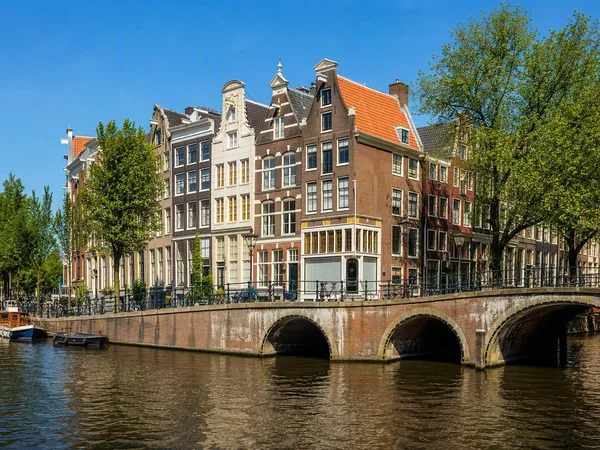
Amsterdam
3 linked stories and routes
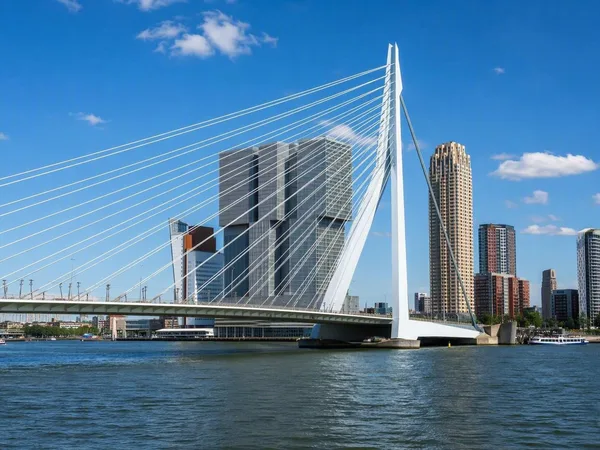
Rotterdam
1 linked stories and routes
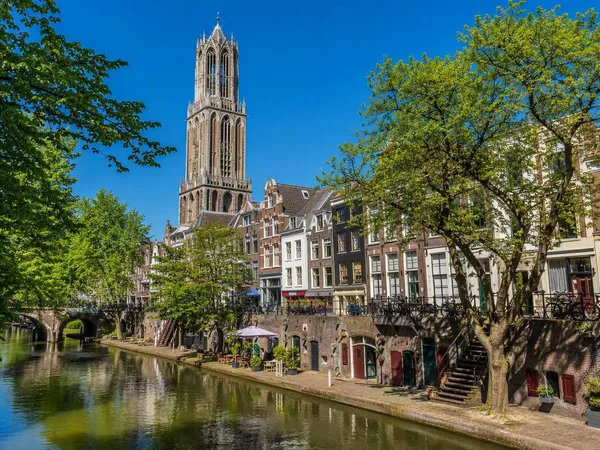
Utrecht
1 linked stories and routes
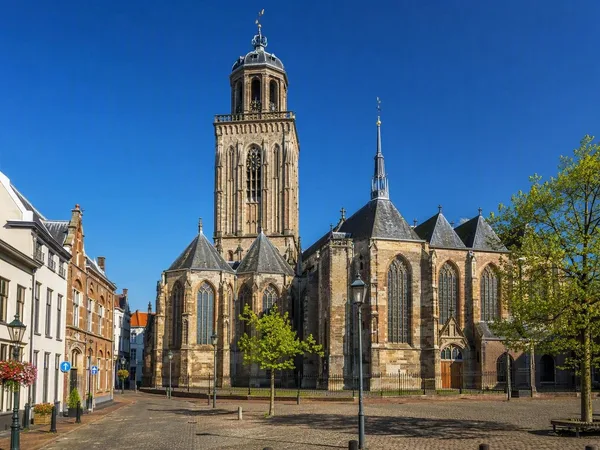
Deventer
1 linked stories and routes
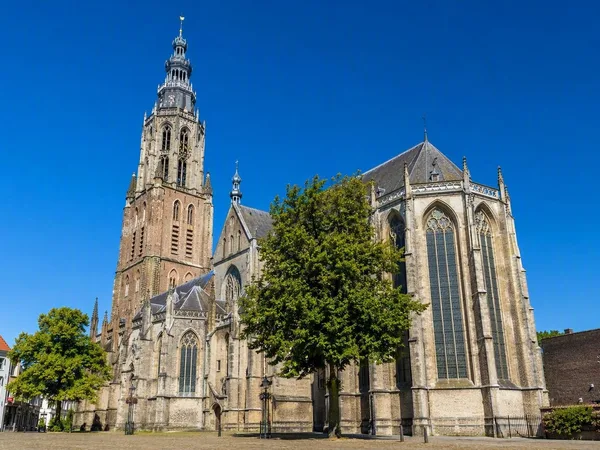
Zutphen
1 linked stories and routes
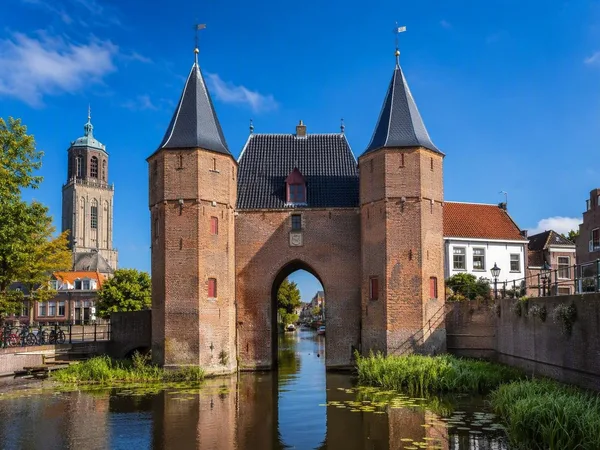
Zwolle
1 linked stories and routes
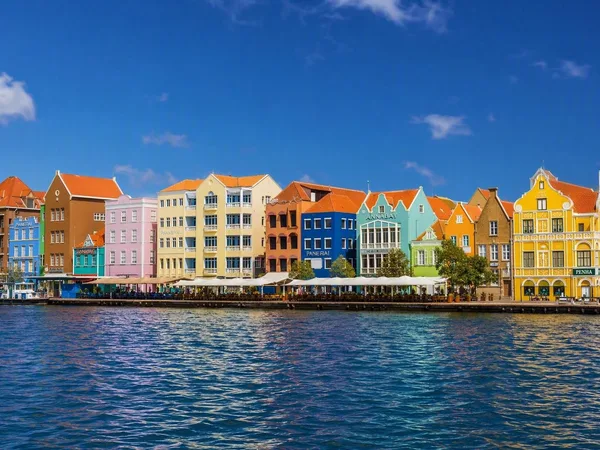
Curaçao
1 linked stories and routes
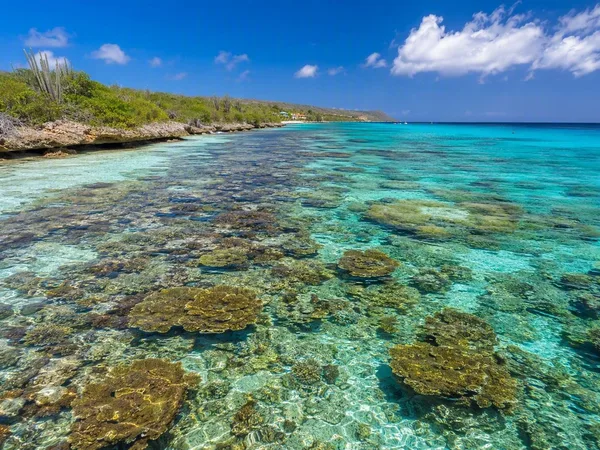
Bonaire
1 linked stories and routes
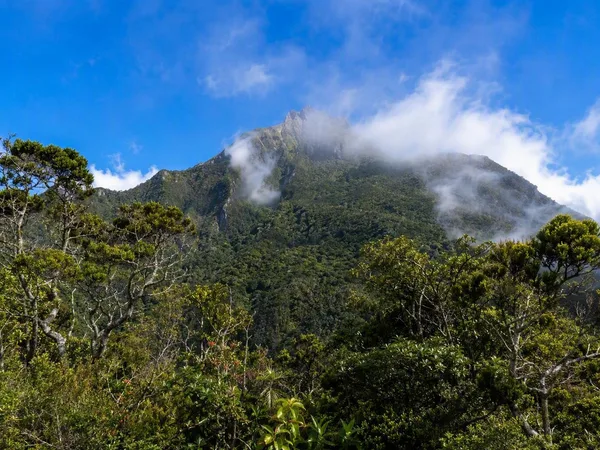
Saba
1 linked stories and routes
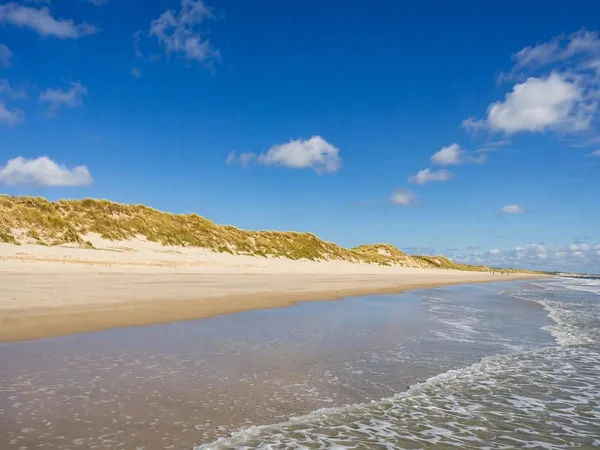
Schiermonnikoog
1 linked stories and routes
Veluwe
0 linked stories and routes