
Village · Netherlands
Hegebeintum
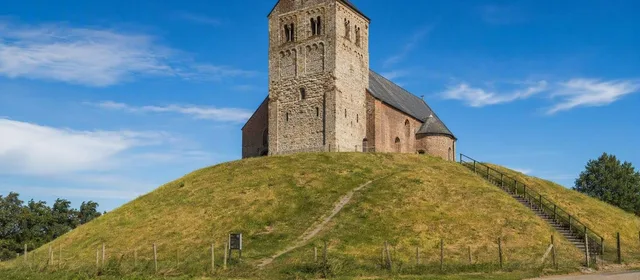
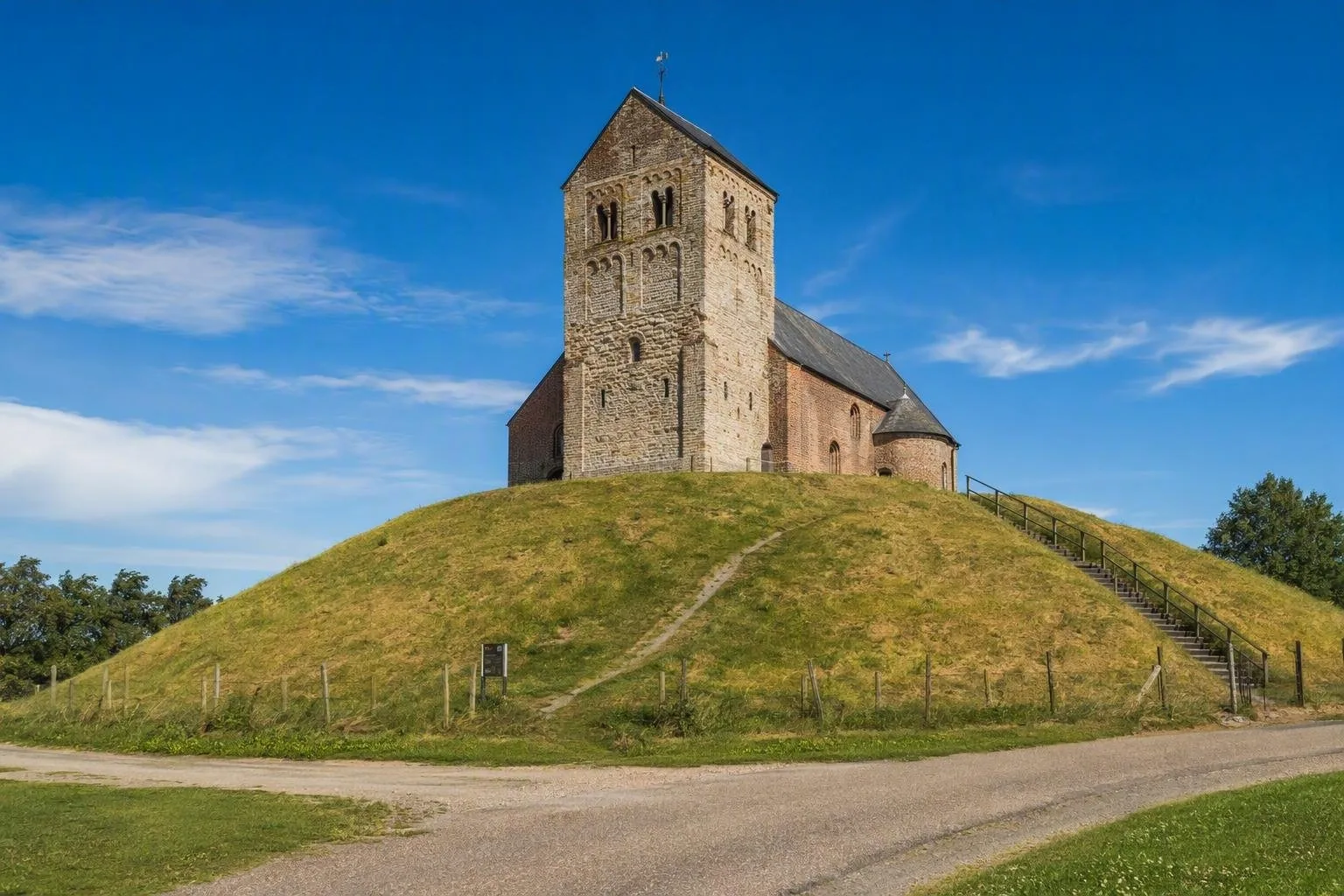
Hegebeintum is a tiny terp village in northeast Friesland, built around the Netherlands’ highest artificial dwelling mound. Its steep rise, Romanesque church and archaeological centre make the long struggle with the Wadden coast legible on foot.
Start at the foot of the terp
Hegebeintum is a village shaped by one decisive feature: its terp, an artificial dwelling mound rising 8.8 metres above NAP. In the flat clay country of northeast Friesland, that is a substantial climb. Start at the information centre on Pypkedyk, then walk up towards the churchyard; the contrast between the low fields and the summit explains the place faster than any map.
The mound is a national monument and the highest terp in the Netherlands. It is not an isolated natural hill. People settled here by the fifth century BC and repeatedly raised the ground with clay, manure and household waste to keep homes and livestock above floodwater.
Read the steep slopes
The sharply cut sides are part of the story. From the late 19th century, fertile terp soil was excavated and sold as fertiliser. The church and buildings on the crown prevented the complete removal of the mound, leaving the unusually steep remnant seen today.
Look for the reconstruction on the northeast side, where rails and tip wagons recall the excavation process. It is a useful corrective to the picturesque view: this is an archaeological landscape that was heavily worked, not an untouched earthwork.
Around the year 1000, sea dikes began to make the coast more secure. Terpen gradually ceased to be the only refuge from high water, but Hegebeintum still preserves the earlier settlement logic—height first, fields below.
Church and archaeology
At the top stands the 12th-century Romanesque church, built partly of volcanic tuff. Its interior is notable for memorial boards associated with the families of nearby Harsta State. Church visits are arranged from the information centre rather than as unrestricted drop-ins.
The Archaeological Support Centre at the foot of the mound gives the essential context before or after the climb. Its permanent display covers terp formation, burials and the later excavations; a 12-metre drill core makes the mound’s accumulated layers visible. Finds from Hegebeintum include a seventh-century gilt-silver brooch, evidence of a settlement connected to wider North Sea networks.
Practical visit
- Base: Kennis- en Ynformaasjesintrum Terp Hegebeintum, Pypkedyk 4. It handles admission for the archaeological display, church tours and Harsta State.
- Opening pattern: the centre is generally open Tuesday to Saturday, 10:00–17:00, and Sunday, 13:00–17:00; it is closed on Monday. Group visits require an appointment.
- On foot: allow time to circle the mound and view it from the surrounding lanes. The climb is short but the grassy slopes and narrow paths can be slippery in wet weather.
- Access: the church is guided-access; arrangements can be made for visitors with reduced mobility to reach the top by car.
From the magazine
Stories about Hegebeintum
Editorial stories linked directly to Hegebeintum.
Routes from our editors
Travel through Hegebeintum
Editorial routes connecting Hegebeintum with other countries, cities and hotspots.
No routes through Hegebeintum have been published yet.
More in Netherlands
Related hotspots
Other cities, nature areas and places within Netherlands.
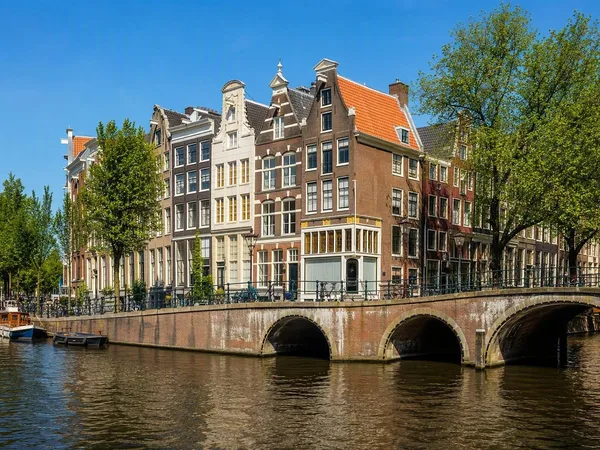
Amsterdam
6 linked stories and routes
Curaçao
2 linked stories and routes

Schiermonnikoog
2 linked stories and routes

Rotterdam
1 linked stories and routes
Utrecht
1 linked stories and routes
Deventer
1 linked stories and routes
Zutphen
1 linked stories and routes
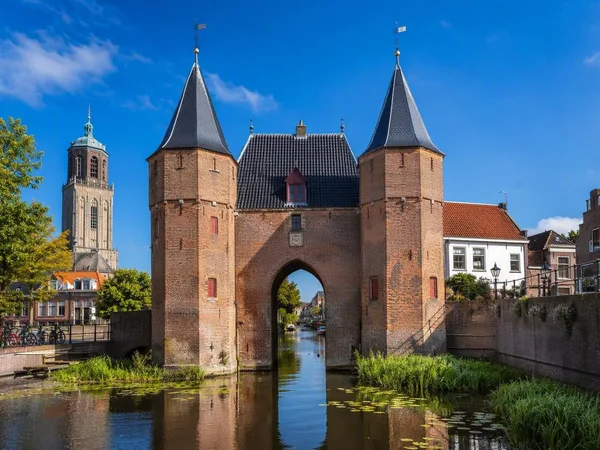
Zwolle
1 linked stories and routes
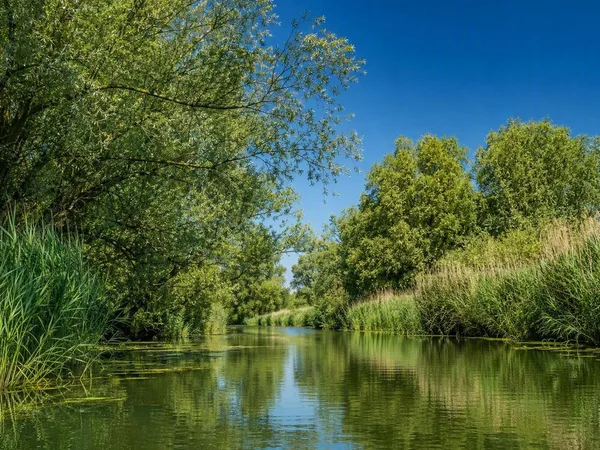
Biesbosch
1 linked stories and routes

Bonaire
1 linked stories and routes
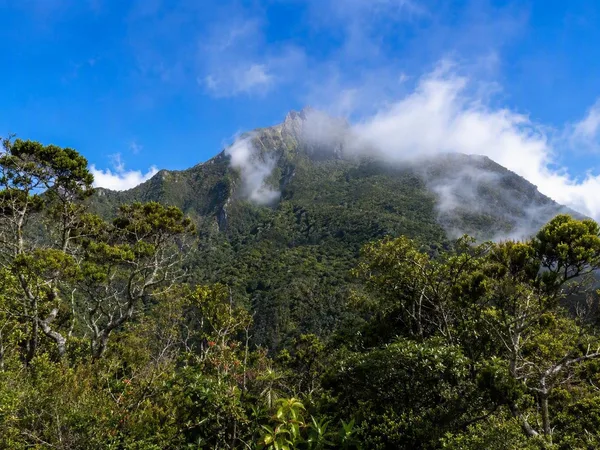
Saba
1 linked stories and routes
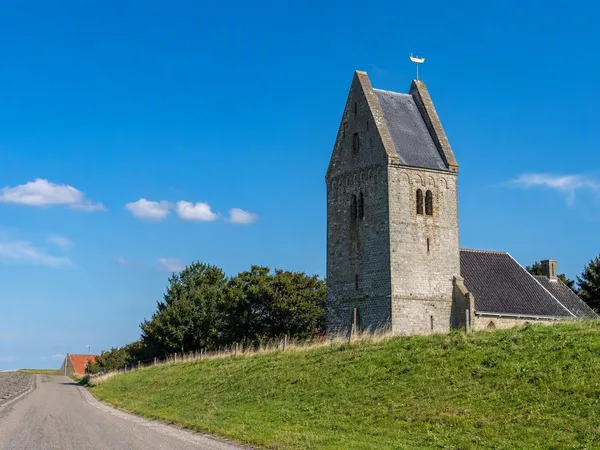
Wierum
1 linked stories and routes
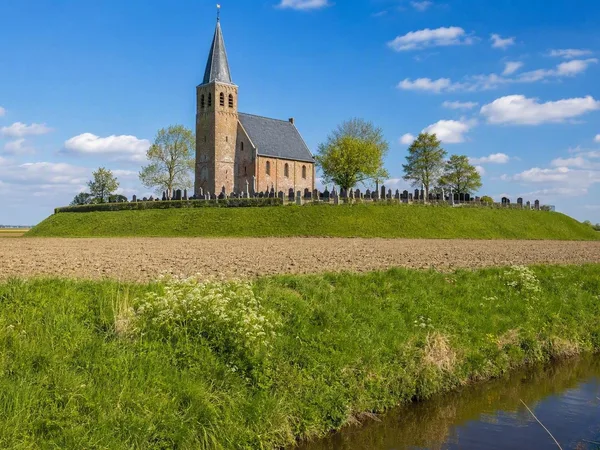
Friesland
1 linked stories and routes
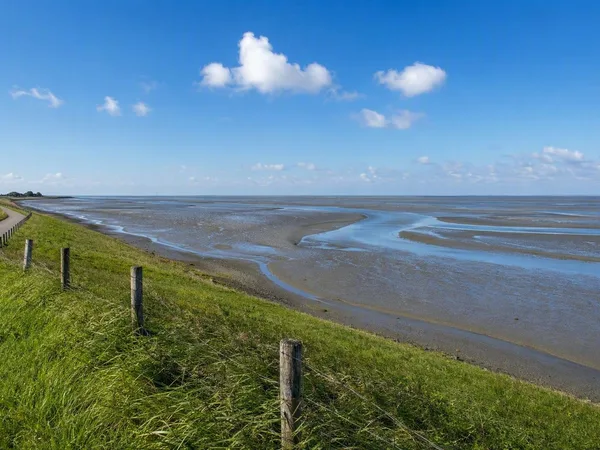
Wadden Sea, Netherlands
1 linked stories and routes
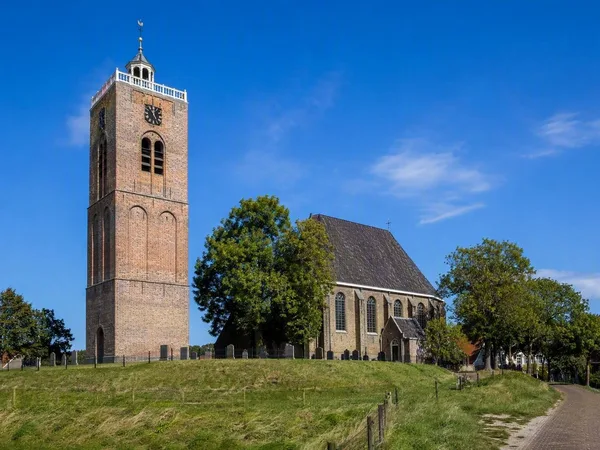
Holwerd
1 linked stories and routes
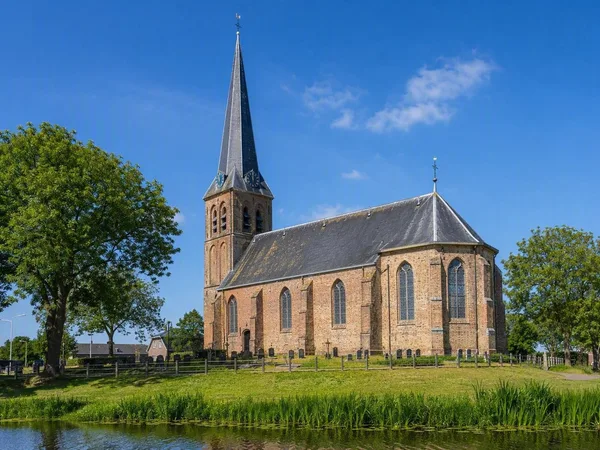
Ternaard
1 linked stories and routes
Veluwe
0 linked stories and routes