
City · Netherlands
Utrecht
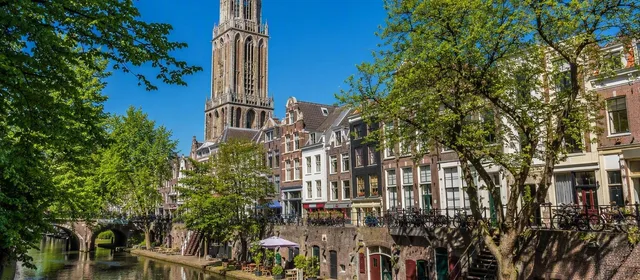
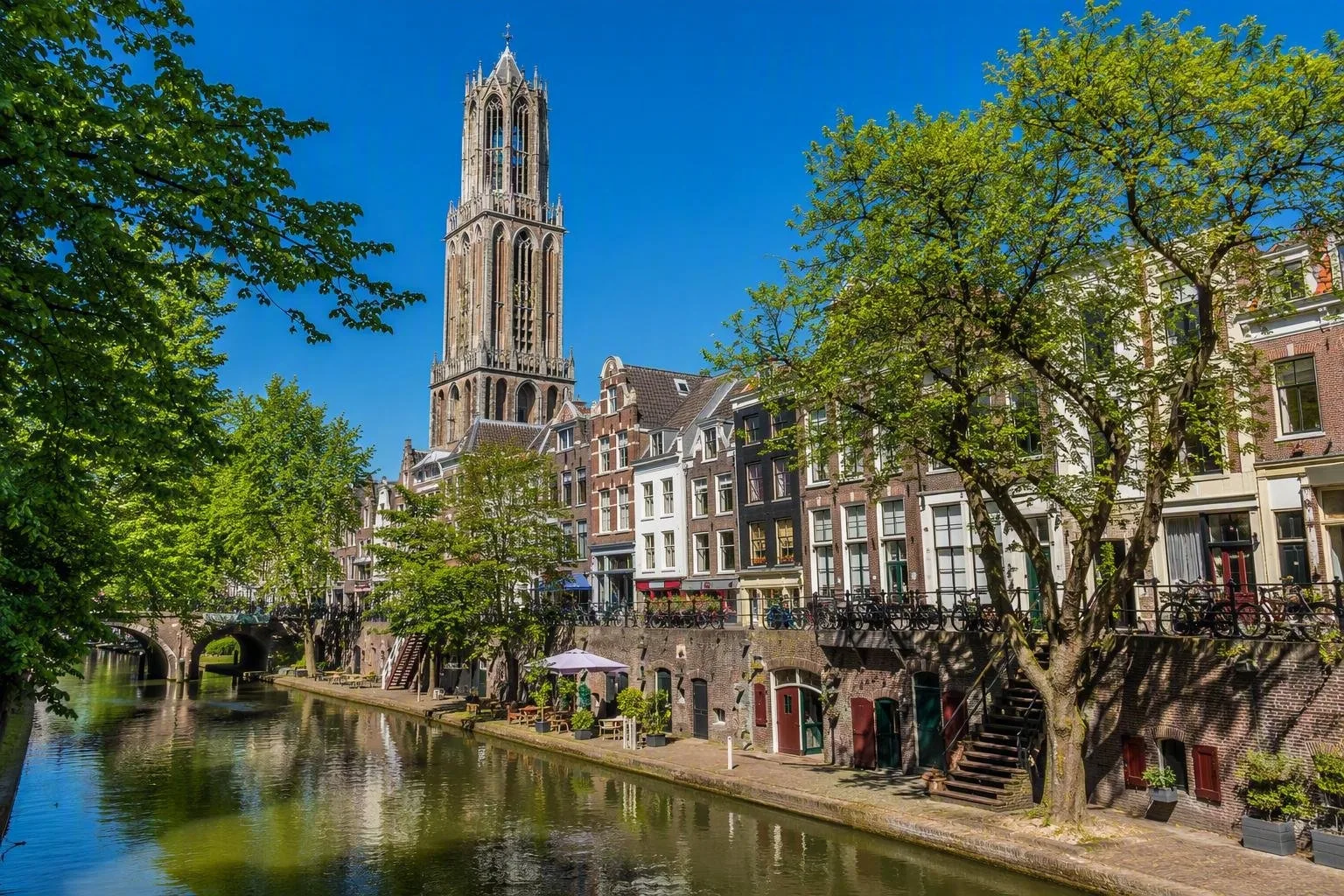
Utrecht is a canal city in the centre of the Netherlands, built around the Dom Tower and a compact medieval core. Its distinctive streets drop from the canal level to waterside wharves and cellars.
Get your bearings
Utrecht’s historic centre sits east of Utrecht Centraal, with the Oudegracht as its main north–south canal and the Dom Tower as the visual anchor. From the station, walk through the centre towards Domplein; most major sights are within this compact area.
The city’s defining detail is its two-level canal edge. Street-level houses stand above lower wharves, reached by steps, where former storage cellars now line the water.
Start with the old centre
- Domplein: Utrecht began here as the Roman fort of Castellum Traiectum. The square brings together the Gothic Dom Church, the Dom Tower, the underground archaeology of DOMunder and the remains of Lofen Palace.
- Dom Tower: At 112 metres, it is the Netherlands’ highest church tower. The ascent is a guided tour with 465 steps; allow for a full hour rather than treating it as a quick viewpoint.
- Oudegracht: Follow the canal from the station side towards the old centre, then use the wharf level to see the characteristic cellars and waterside facades.
- Museum quarter: South of Domplein, the Centraal Museum and the nijntje museum make a useful cultural stop. The Rietveld Schröder House, a UNESCO World Heritage site, lies east of the centre and is best reached by bike or bus.
Move through the city
On foot is best for the old centre. The lanes around Domplein, Oudegracht, Neude and the museum quarter are close together, and walking lets you use both canal levels.
By bike, Utrecht is direct and fast, but bike traffic is substantial. Use marked racks or staffed bicycle parking: improperly or dangerously parked bikes can be removed. In the busiest pedestrian zone, cycling is permitted only from 18:00 to 12:00; at other times, walk your bike.
By public transport, Utrecht Centraal connects directly to buses and trams as well as national rail services. It is the practical arrival point for the centre. Buses and trams are most useful for the Rietveld Schröder House, Utrecht Science Park and outer districts.
Arriving by car
Do not aim for the medieval core. Use one of Utrecht’s edge-of-city P+R sites and continue by bus, tram or public bike. The inner city and the area around Utrecht Centraal include a low-emission zone: diesel passenger cars must meet emission standard 5 or higher. A zero-emission zone also applies to vans and trucks.
Timing and access
The centre works year-round; canal walks, churches and squares are straightforward daytime stops. Put timed attractions first in your day. Dom Tower visits are guided, while DOMunder and the Rietveld Schröder House have controlled entry, so these are the parts of a Utrecht itinerary that need fixed time slots.
For an evening programme, TivoliVredenburg near the station is the city’s principal live-music venue. Keep the canal-side route for the transition between the old centre and dinner rather than treating it as a separate detour.
From the magazine
Stories about Utrecht
Editorial stories linked directly to Utrecht.
No stories about Utrecht have been published yet.
Routes from our editors
Travel through Utrecht
Editorial routes connecting Utrecht with other countries, cities and hotspots.
No routes through Utrecht have been published yet.
More in Netherlands
Related hotspots
Other cities, nature areas and places within Netherlands.
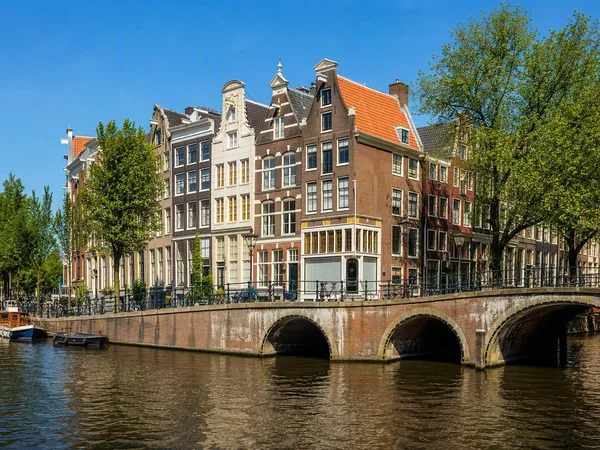
Amsterdam
3 linked stories and routes
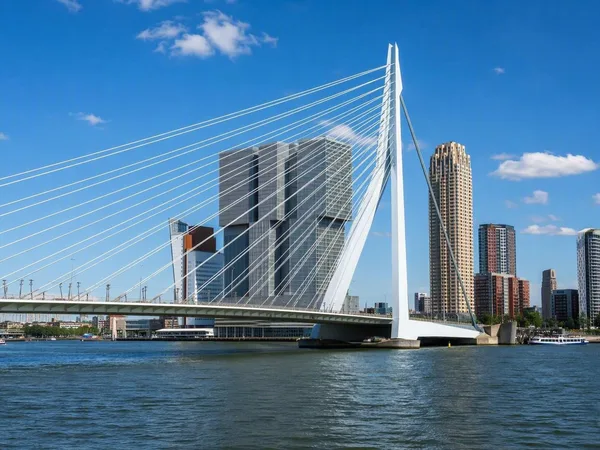
Rotterdam
1 linked stories and routes
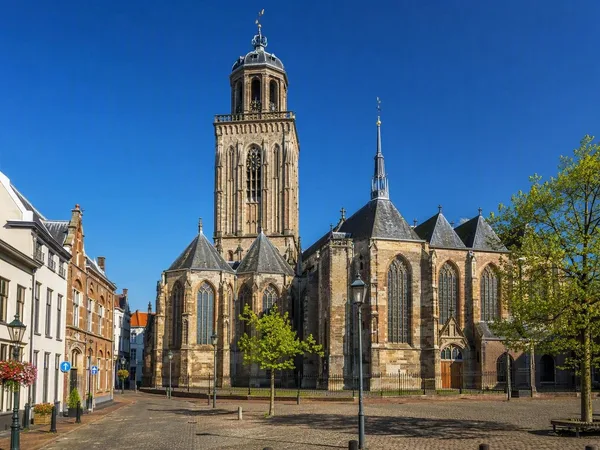
Deventer
1 linked stories and routes
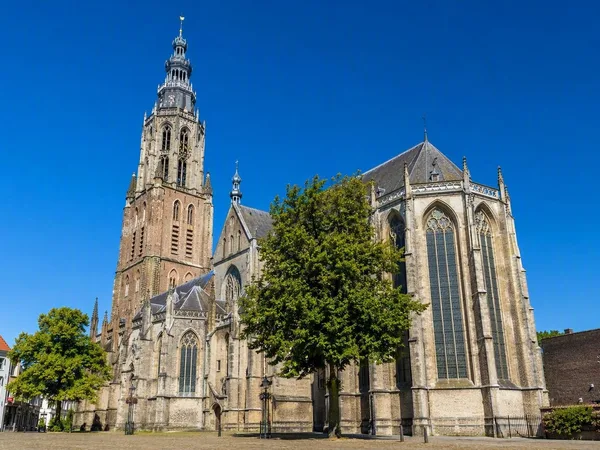
Zutphen
1 linked stories and routes
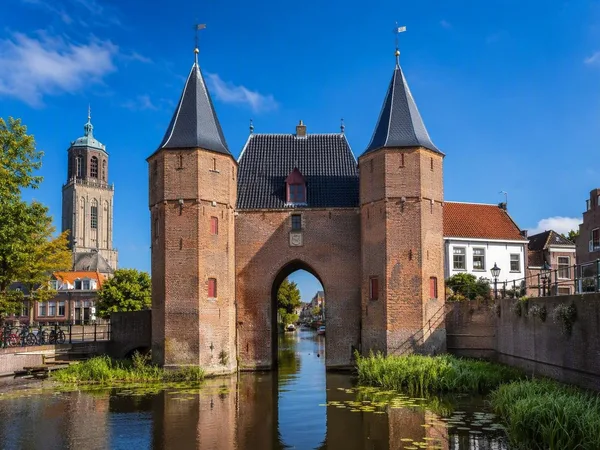
Zwolle
1 linked stories and routes
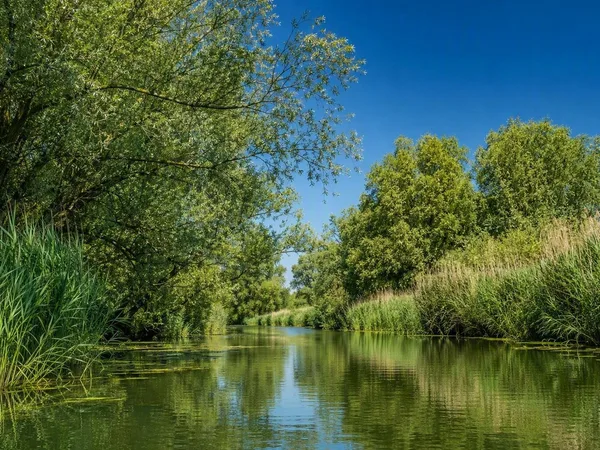
Biesbosch
1 linked stories and routes
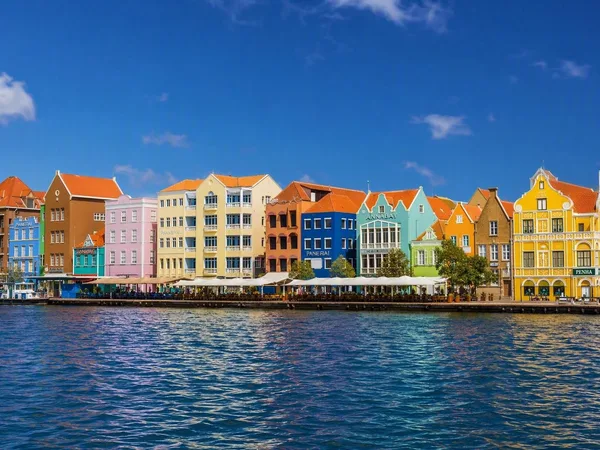
Curaçao
1 linked stories and routes
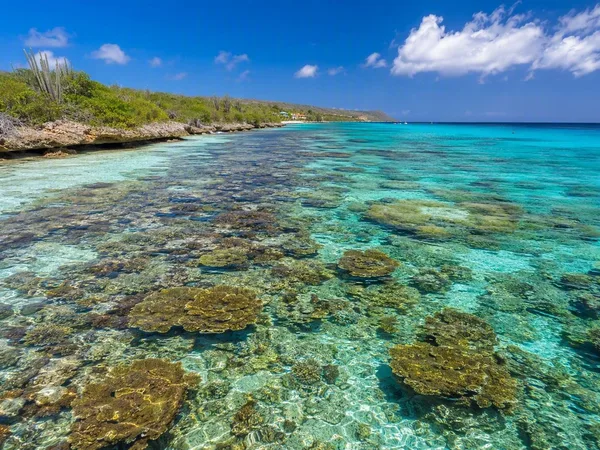
Bonaire
1 linked stories and routes
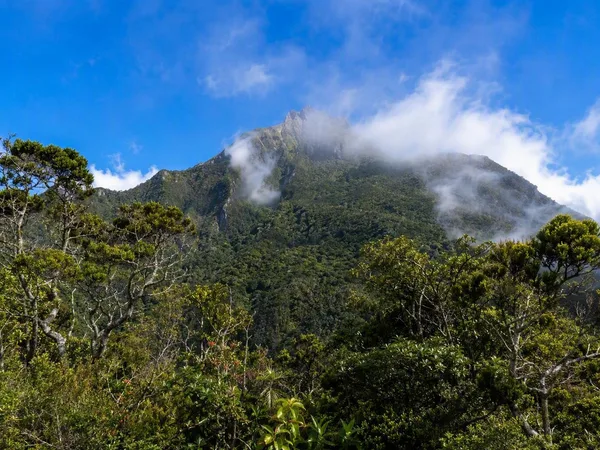
Saba
1 linked stories and routes
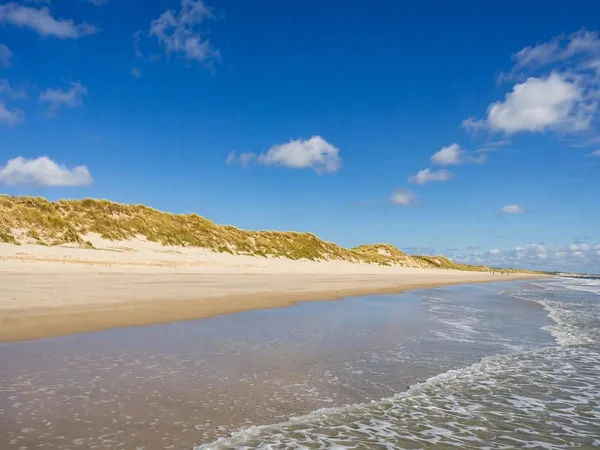
Schiermonnikoog
1 linked stories and routes
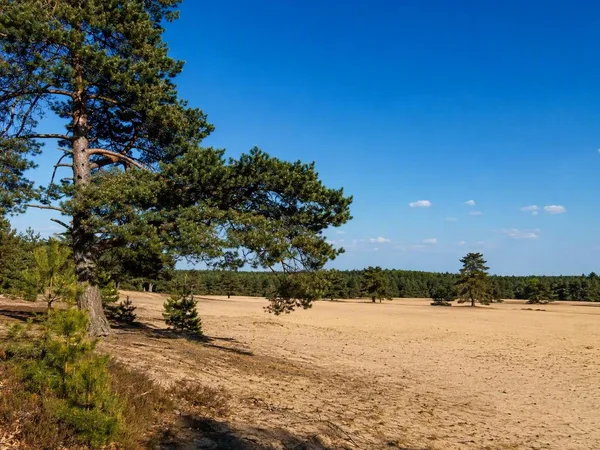
Veluwe
0 linked stories and routes