
Province · Netherlands
Friesland
Friesland, officially Fryslân, is the northern Dutch province between the Wadden Sea, IJsselmeer and inland lakes. Its mix of historic towns, sailing water and tidal coast rewards travel by bike, boat and ferry.
Get oriented
Friesland is a province rather than a single city, so give it room. Leeuwarden (Ljouwert) is the capital and a practical urban base; the lake country spreads through the centre and southwest, while the Wadden coast and four inhabited islands—Vlieland, Terschelling, Ameland and Schiermonnikoog—run along the north.
Dutch is spoken everywhere; Fryslân, or West Frisian, is the province’s official regional language. You will see both languages on signs and place names.
Choose your Friesland
The province works best when you pick a landscape and travel through it rather than trying to cover everything.
- Water and towns: canals and lakes link Leeuwarden with the historic Eleven Cities, including Sneek, IJlst, Sloten, Stavoren, Hindeloopen, Workum, Bolsward, Harlingen, Franeker and Dokkum.
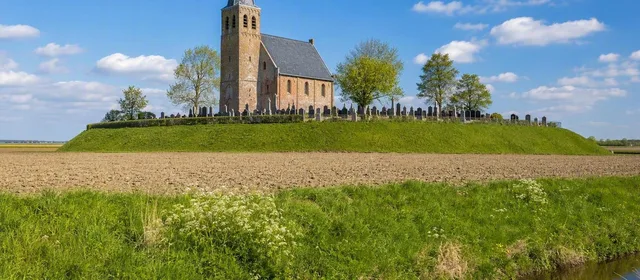
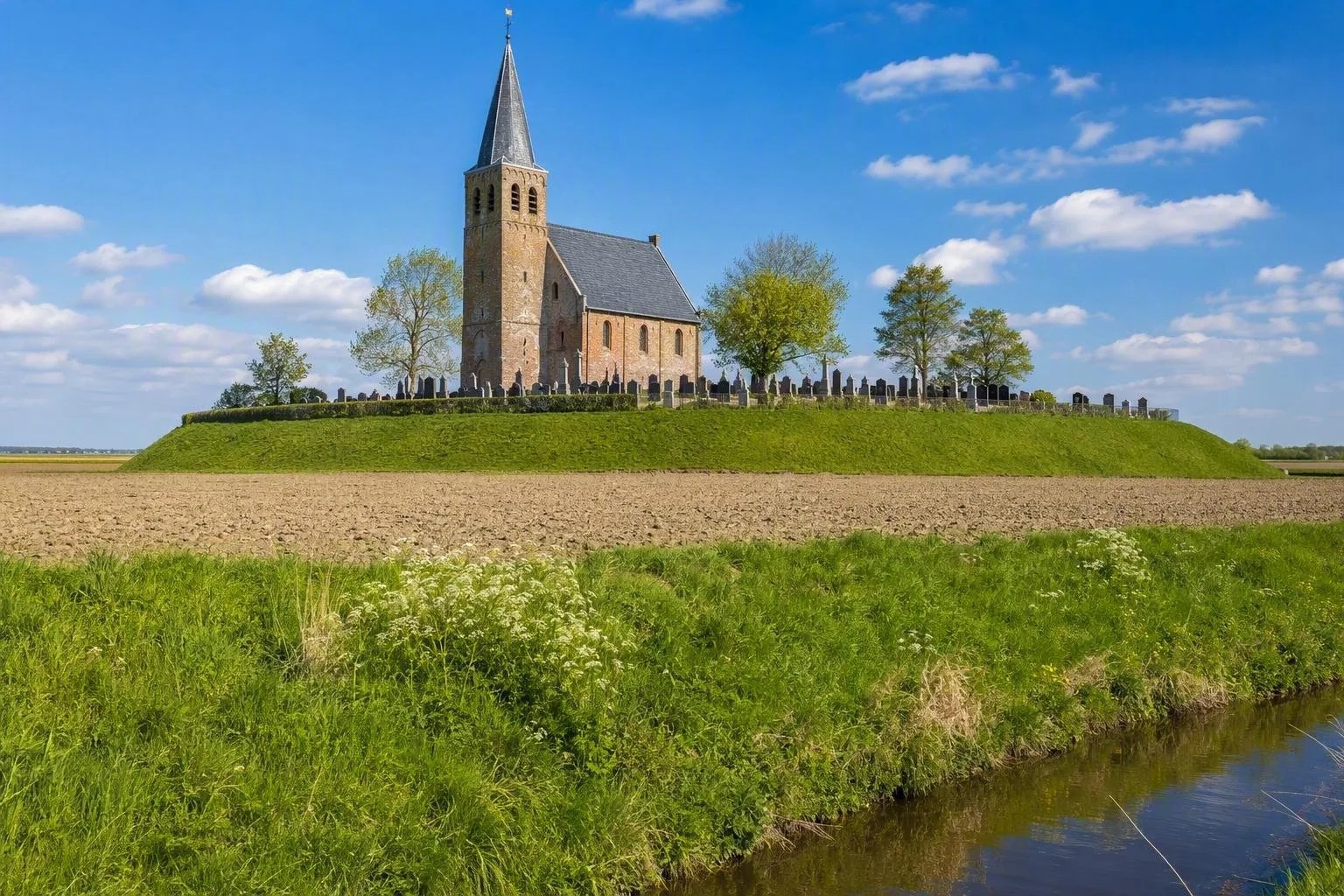
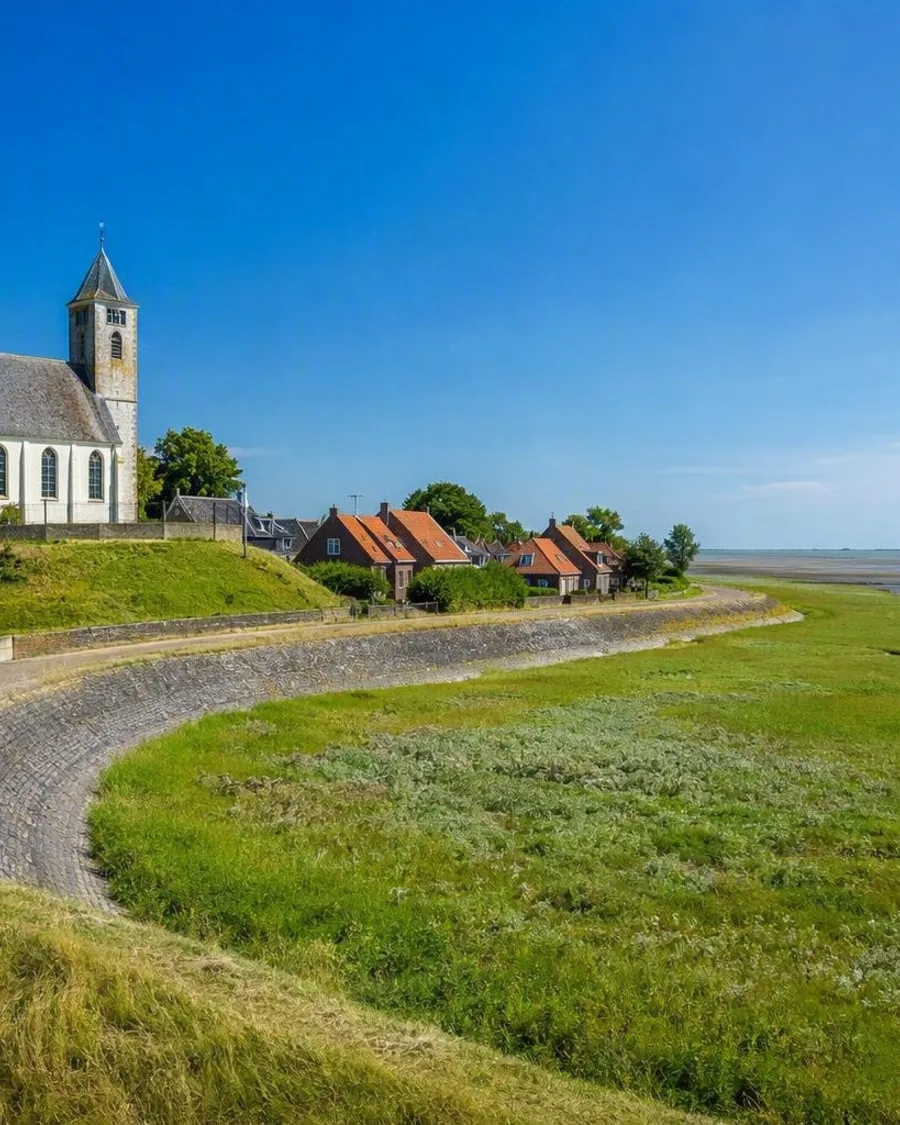
- Wadden coast: follow dikes, former sea inlets and terp villages. Terps are artificial dwelling mounds built above flood level; they explain the elevated churches and graveyards that punctuate the open clay country.
- Islands: take a ferry for dunes, North Sea beach and cycling. Each island needs its own day or overnight rather than being tacked onto a rushed mainland itinerary.
- Nature inland: De Alde Feanen, Lauwersmeer, Schiermonnikoog and Drents-Friese Wold show the province beyond its water meadows: reed marsh, lake, island and woodland.
Start with the water
Boating is not an add-on here: lakes, canals and bridges are the structure of the landscape. Sail, paddle or join a boat trip in the lake district; cycling the towpaths, dikes and quiet lanes provides the land-based counterpart. Allow more time than a road map suggests—water crossings and drawbridges set the pace.
For a concise cultural route, use the Eleven Cities as a framework. The title refers to historic status, not city size. In hard winters their waters form the course of the Elfstedentocht skating tour, but it only happens when natural ice conditions allow it.
Read the coast
The Wadden Sea is a UNESCO World Heritage landscape shaped twice daily by the tide. At low water, broad mudflats emerge; dikes, salt marshes and older village harbours record the long negotiation between settlement and sea.
At Hegebeintum, climb the terp rather than just viewing it from the road. Its churchyard summit is about 8.6 metres above NAP, making it the highest terp in Friesland. The surrounding fields and drainage ditches make the mound’s scale immediately clear.
Important: mudflat walking is a tidal activity. Go with an authorised guide and never set out independently across exposed flats.
Getting around
Use Leeuwarden as the rail-connected starting point, then combine local buses, cycling and boats. A car helps for dispersed villages and the southern and eastern countryside, but it is unnecessary in compact historic centres.
Island ferries operate several times daily, with timetables shaped by season and weather. Leave enough margin for the crossing and treat the ferry port as part of the day’s route, not a last-minute transfer.
From the magazine
Stories about Friesland
Editorial stories linked directly to Friesland.
Routes from our editors
Travel through Friesland
Editorial routes connecting Friesland with other countries, cities and hotspots.
No routes through Friesland have been published yet.
More in Netherlands
Related hotspots
Other cities, nature areas and places within Netherlands.
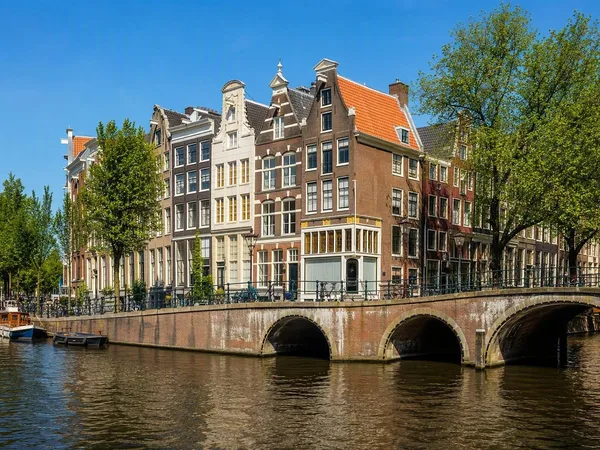
Amsterdam
6 linked stories and routes
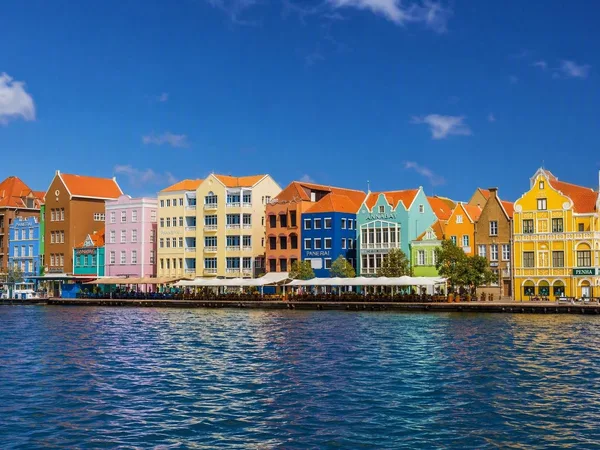
Curaçao
2 linked stories and routes
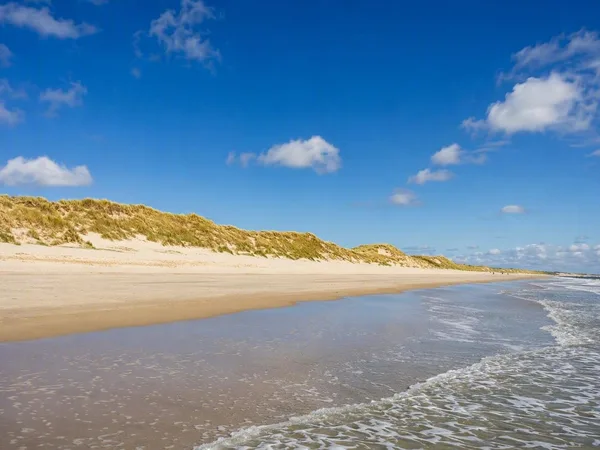
Schiermonnikoog
2 linked stories and routes
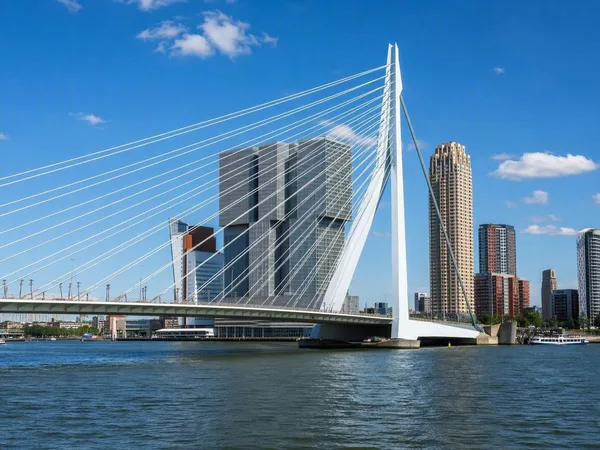
Rotterdam
1 linked stories and routes
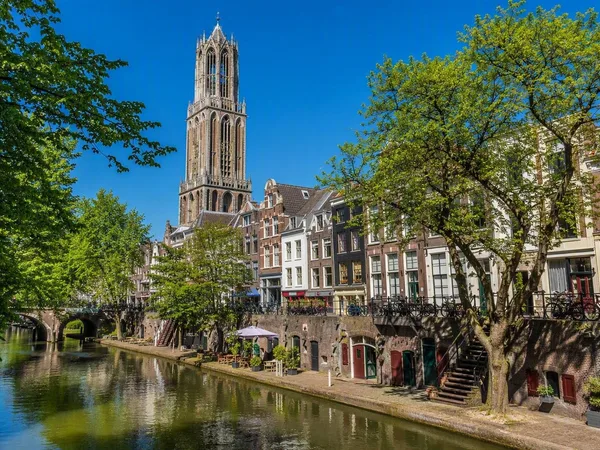
Utrecht
1 linked stories and routes
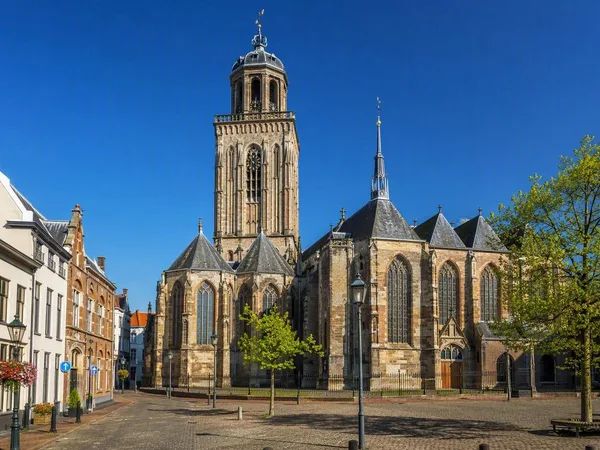
Deventer
1 linked stories and routes
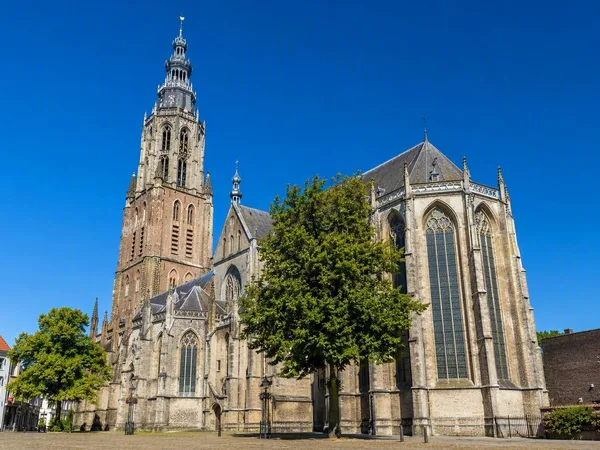
Zutphen
1 linked stories and routes
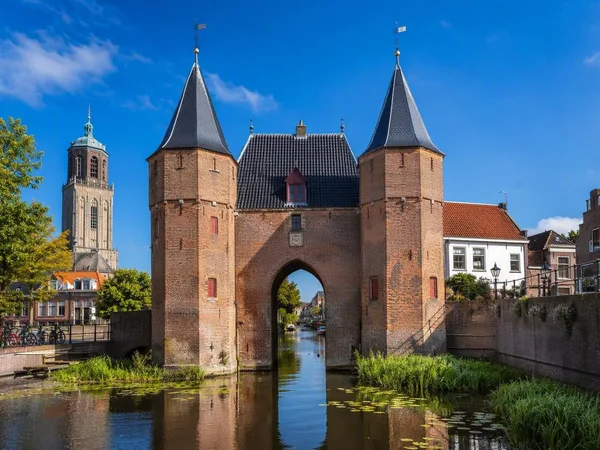
Zwolle
1 linked stories and routes
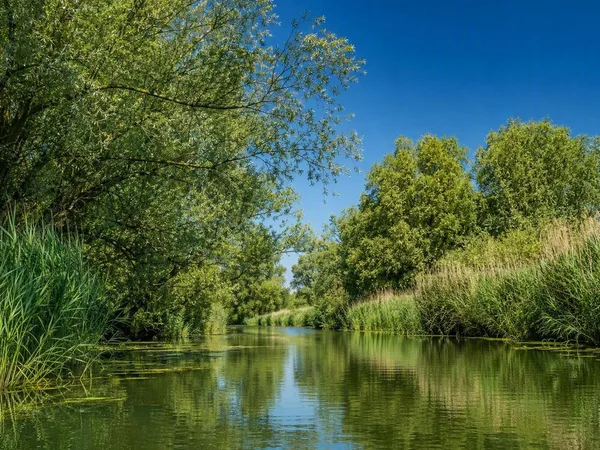
Biesbosch
1 linked stories and routes
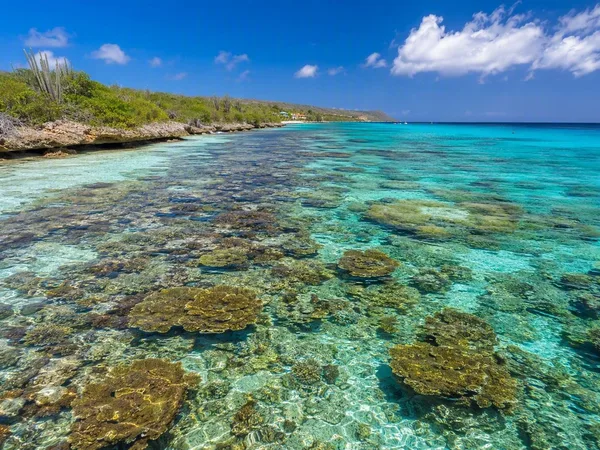
Bonaire
1 linked stories and routes
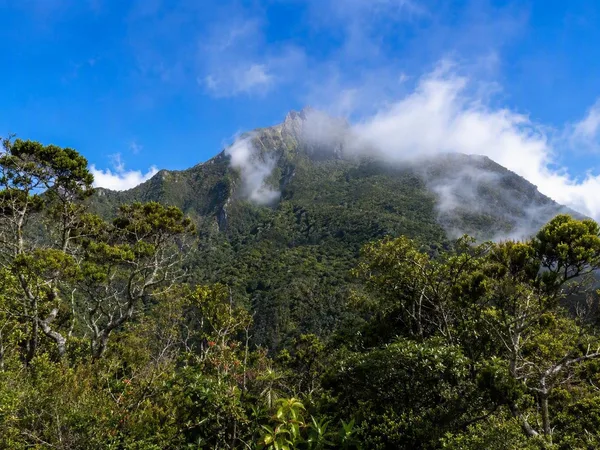
Saba
1 linked stories and routes
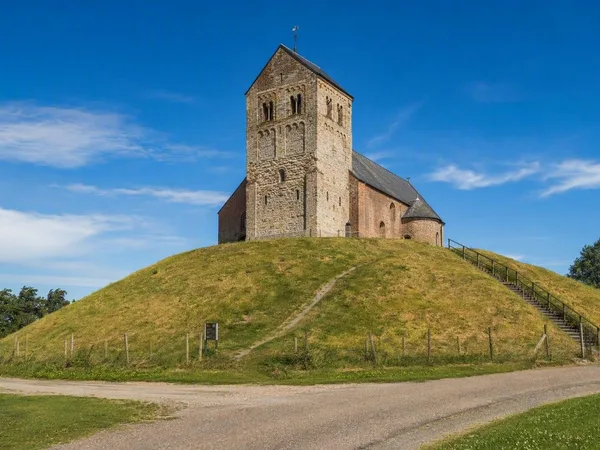
Hegebeintum
1 linked stories and routes
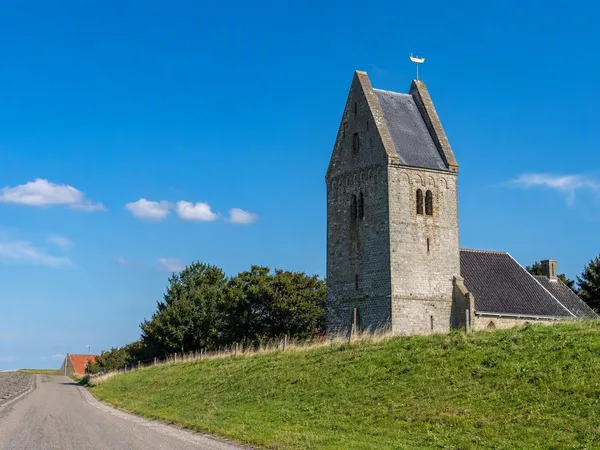
Wierum
1 linked stories and routes
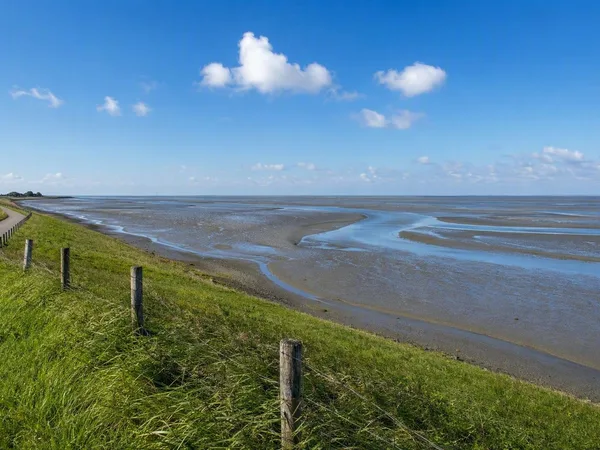
Wadden Sea, Netherlands
1 linked stories and routes
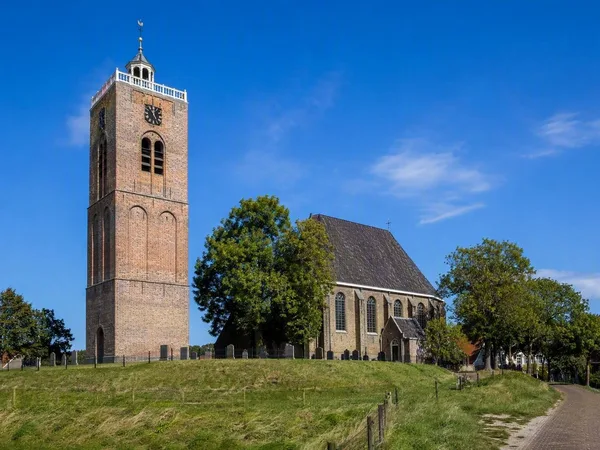
Holwerd
1 linked stories and routes
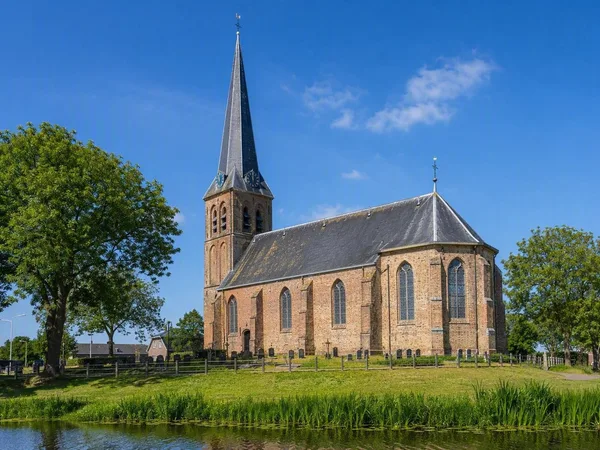
Ternaard
1 linked stories and routes
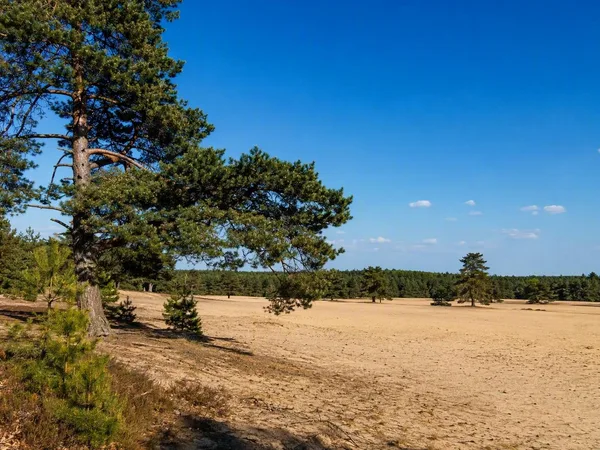
Veluwe
0 linked stories and routes