
City · Netherlands
Amsterdam
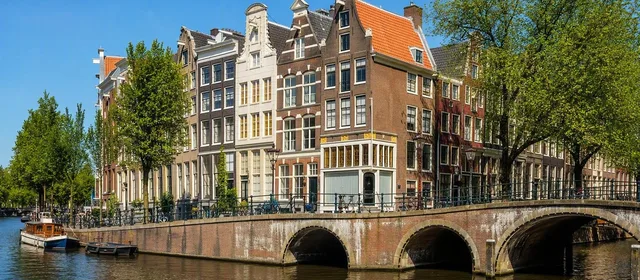
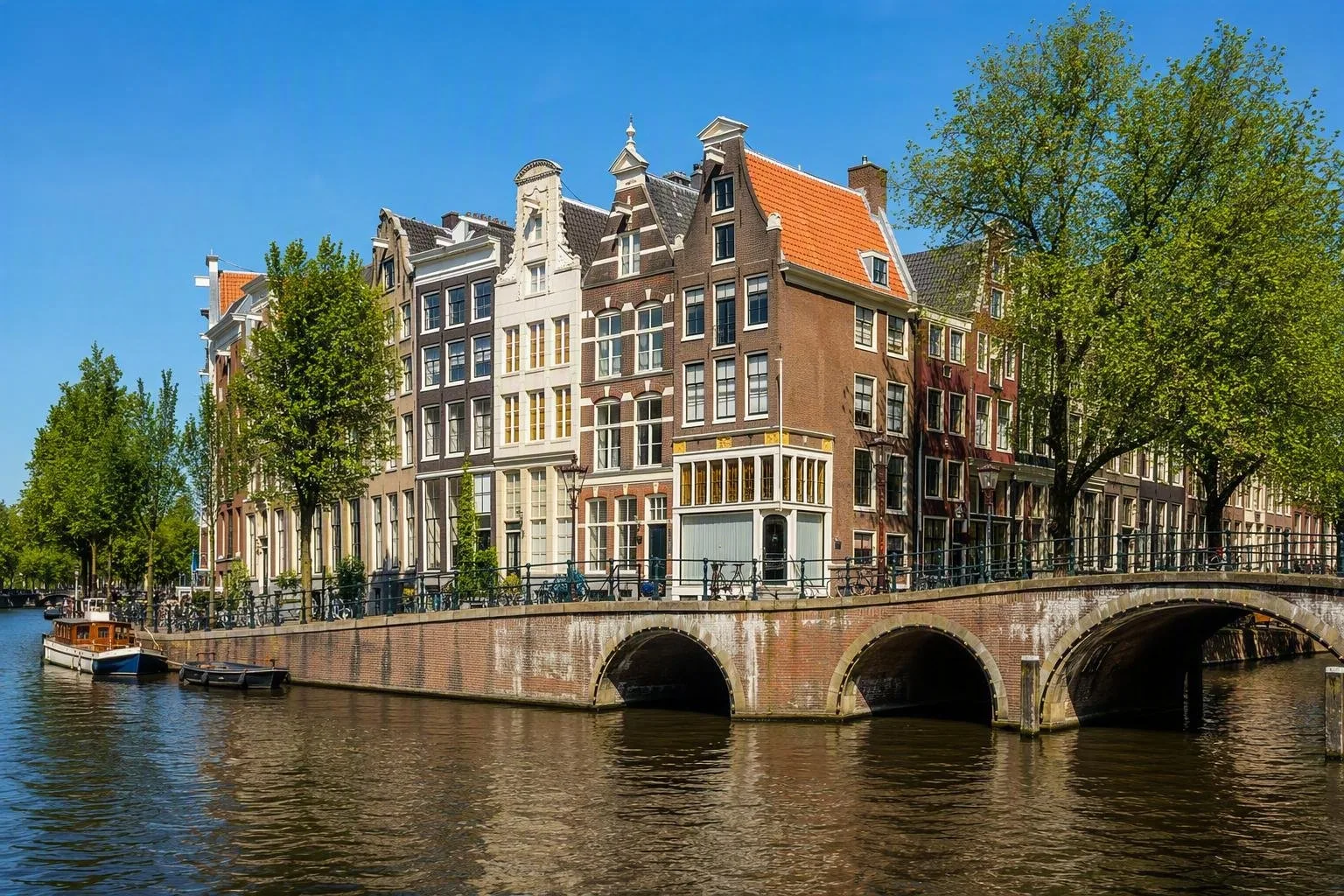
Amsterdam is the capital of the Netherlands, built around the Amstel and a compact historic centre of canals, narrow streets and major museums. The city is easy to cover on foot, by tram and—if you ride confidently—by bicycle.
Get oriented
Amsterdam Centraal is the practical northern gateway to the historic core. From there, Dam Square, the old town and the Canal Ring fan south and west; the Museum Quarter lies farther south around Museumplein. The IJ runs behind the station, with ferries linking the centre to Amsterdam-Noord.
The Canal Ring is not decorative scenery: it is a 17th-century planned expansion of concentric waterways, gabled houses and radial streets, recognised as a World Heritage site. Walk it as a neighbourhood rather than trying to tick off every canal.
Choose an area
- Canal Ring and Nine Streets: Best for a first walk: canal houses, small shops and bridges. Follow Herengracht, Keizersgracht or Prinsengracht, then cut across the Nine Streets.
- Jordaan: Immediately west of Prinsengracht. Its smaller streets and courtyards reward slow walking; keep noise down around homes.
- Museumplein: The city’s concentrated art district, with the Rijksmuseum, Van Gogh Museum and Stedelijk Museum around the square.
- De Pijp: South of the centre, centred on the Albert Cuyp market area and close to the Heineken Experience.
- Amsterdam-Noord: Cross the IJ from behind Centraal for the waterfront, EYE Filmmuseum and a less compact urban landscape.
Build a sensible day
Start early in the Canal Ring or at Museumplein, when pavements and museums are easier to navigate. Give a major museum a proper time slot rather than combining several in one afternoon. A canal cruise is useful for understanding the water-and-street layout; walking remains better for façades, lanes and courtyards.
For evening, choose a neighbourhood and stay there. Around De Wallen, treat the area as a lived-in district: do not photograph people working in the windows, block doorways or turn narrow lanes into a spectacle.
Arrive and move around
Schiphol has a rail station directly beneath the terminal; trains connect with Amsterdam Centraal. Airport Express bus 397 serves Museumplein, Rijksmuseum and Leidseplein directly.
Within the city, trams cover most central districts, while the metro is quicker for longer cross-city trips. Tap in and out with the same contactless bank card, credit card or phone. IJ ferries from Centraal to Amsterdam-Noord are free for pedestrians and cyclists.
Walking is often fastest in the centre. Use a bike only if you are comfortable in dense traffic. Keep right in cycle lanes, signal turns, never stop in a bike lane, cross tram rails at a sharp angle, and use designated racks or bike parking. Front and rear lights are required after dark.
Timing and street sense
Weekday bike rush hours, roughly 08:00–09:00 and 17:00–18:00, make central cycle routes intense. Spring and summer bring longer days and fuller streets; winter is quieter but daylight is short.
Trams, buses and metro stations require a valid ticket or check-in. Bicycles are generally not allowed on trams and buses. On foot, stay off marked cycle lanes: they are traffic lanes, not extra pavement.
From the magazine
Stories about Amsterdam
Editorial stories linked directly to Amsterdam.
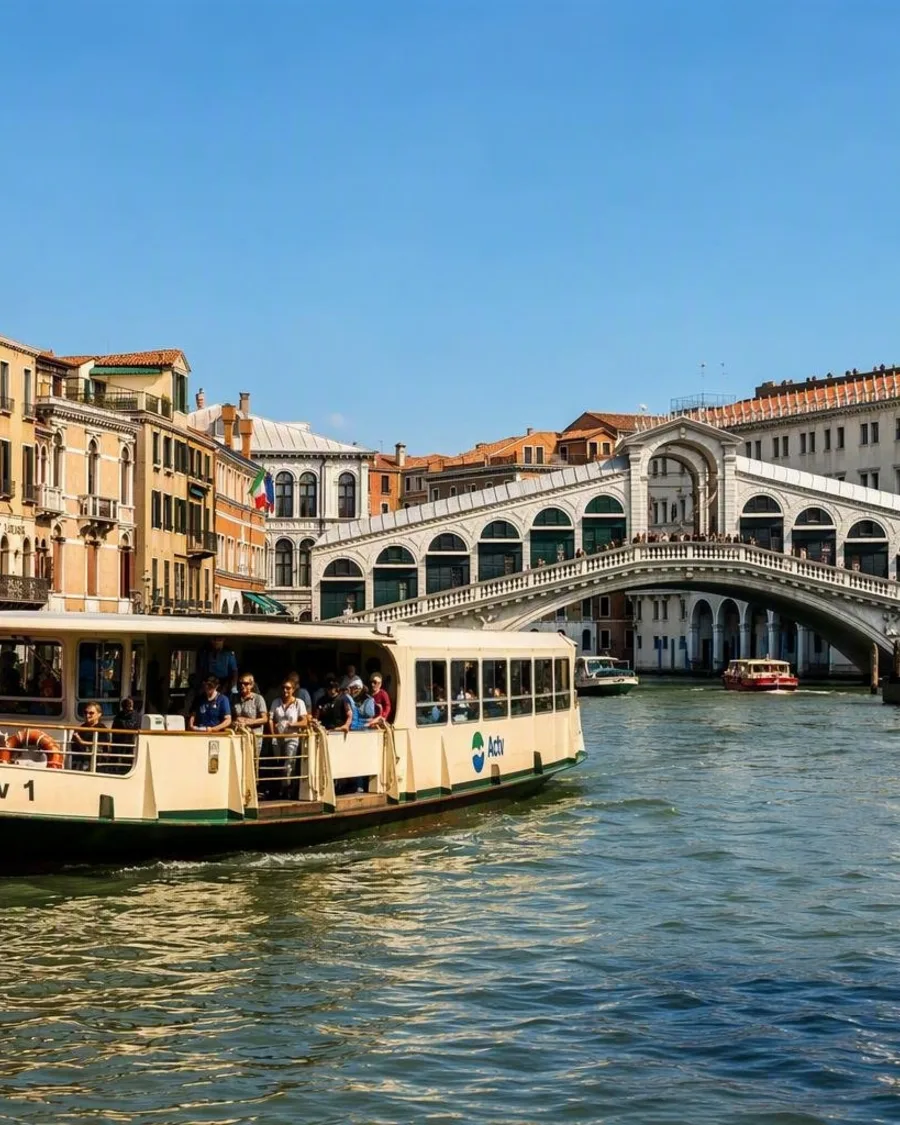
The 10 Cities Best Understood from the Water
A fine skyline is not enough. In these ten cities, a ferry or small boat reveals how trade, terrain, buildings and daily travel grew around a river, canal or bay.
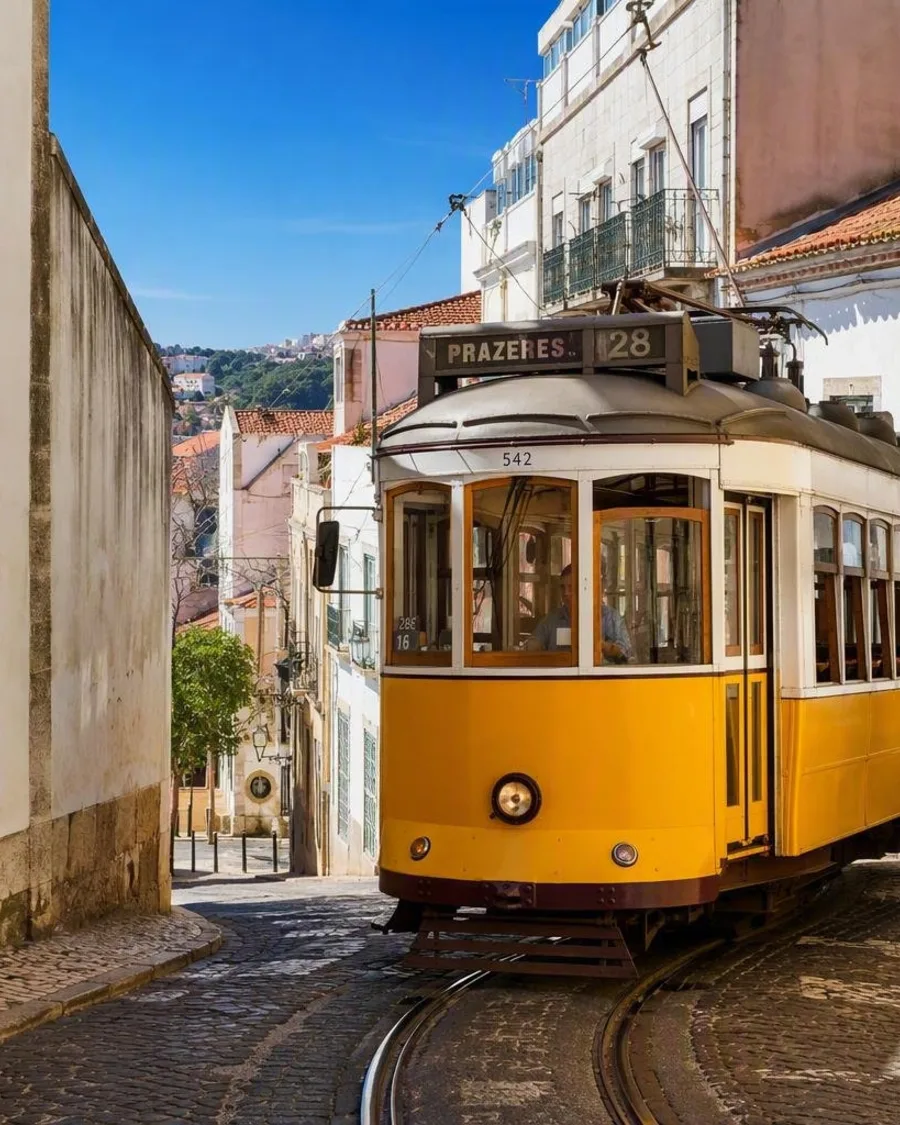
Eight European cities best read from a tram window
A good tram route does more than join landmarks. It follows the grades, quays and street plans that shaped a city, then leaves enough time to see them from a seat by the window. These eight rides turn everyday public transport into a clear route through the urban grain.
Routes from our editors
Travel through Amsterdam
Editorial routes connecting Amsterdam with other countries, cities and hotspots.
No routes through Amsterdam have been published yet.
More in Netherlands
Related hotspots
Other cities, nature areas and places within Netherlands.
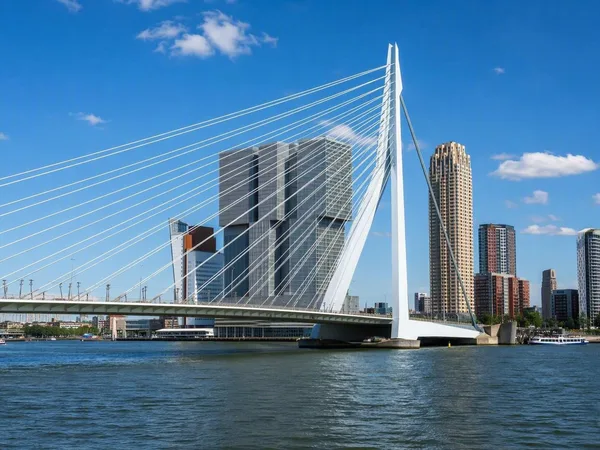
Rotterdam
1 linked stories and routes
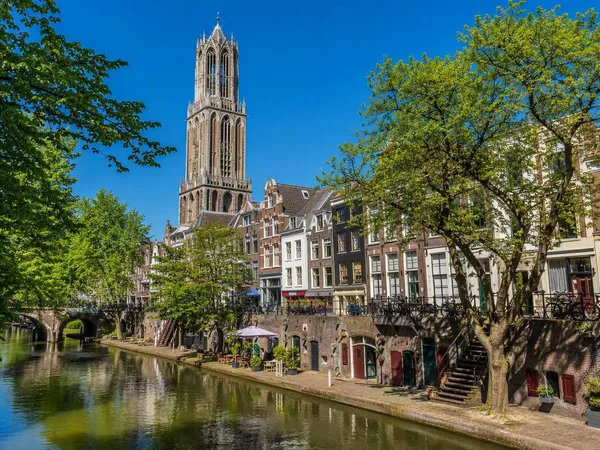
Utrecht
1 linked stories and routes
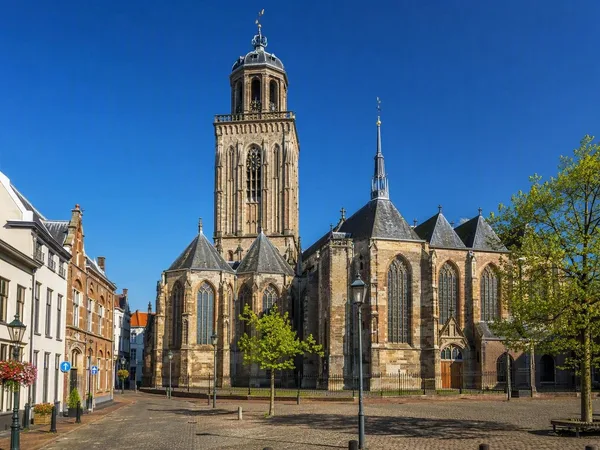
Deventer
1 linked stories and routes
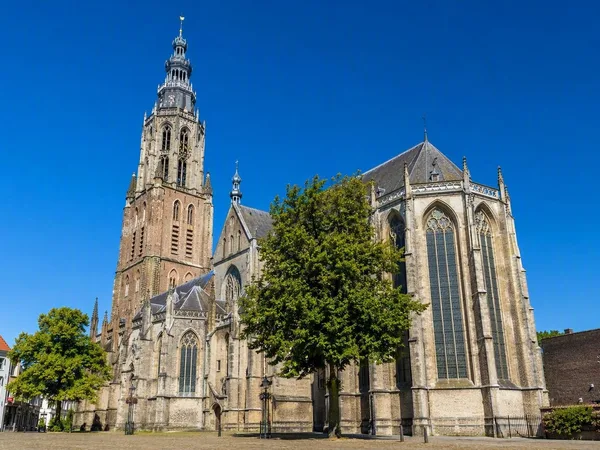
Zutphen
1 linked stories and routes
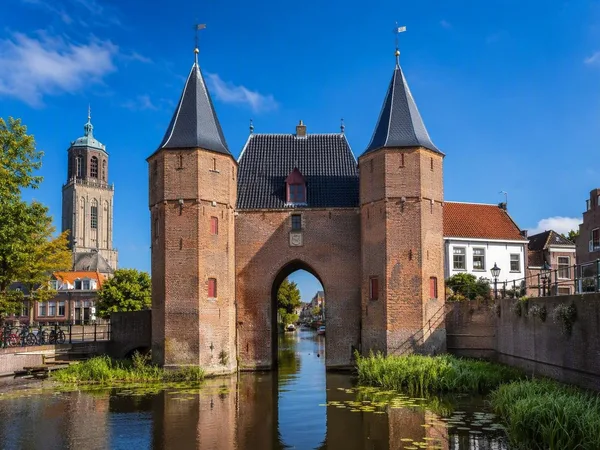
Zwolle
1 linked stories and routes
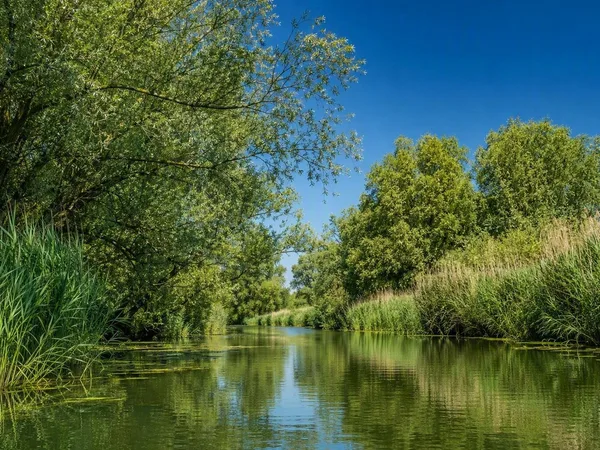
Biesbosch
1 linked stories and routes
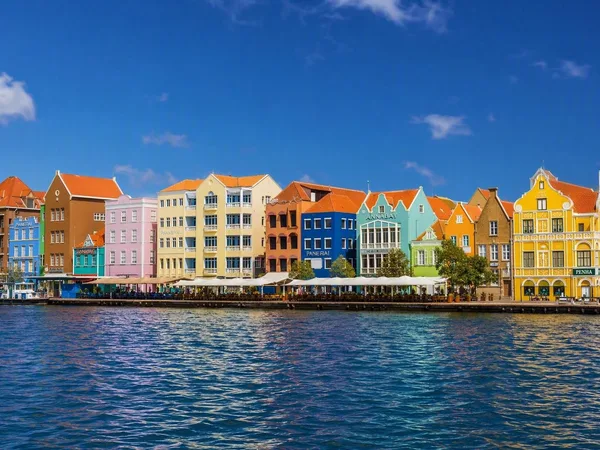
Curaçao
1 linked stories and routes
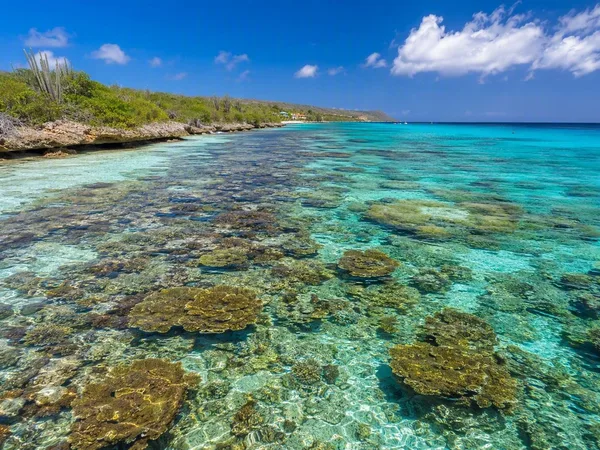
Bonaire
1 linked stories and routes

Saba
1 linked stories and routes
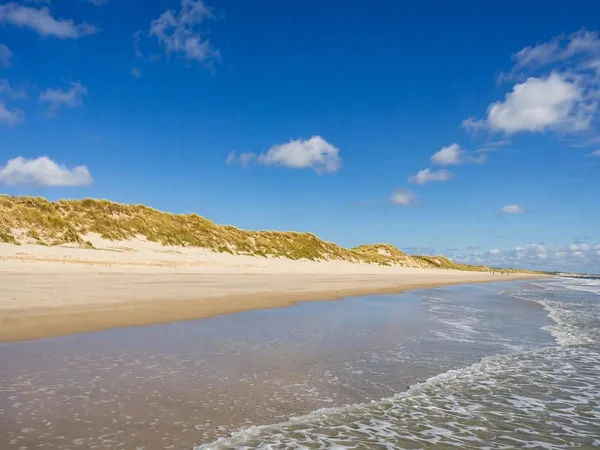
Schiermonnikoog
1 linked stories and routes
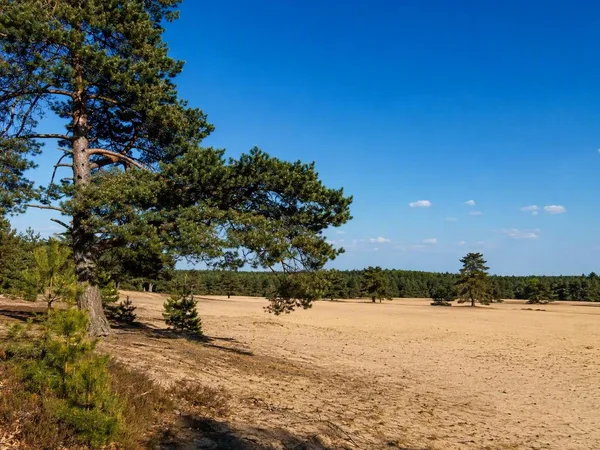
Veluwe
0 linked stories and routes