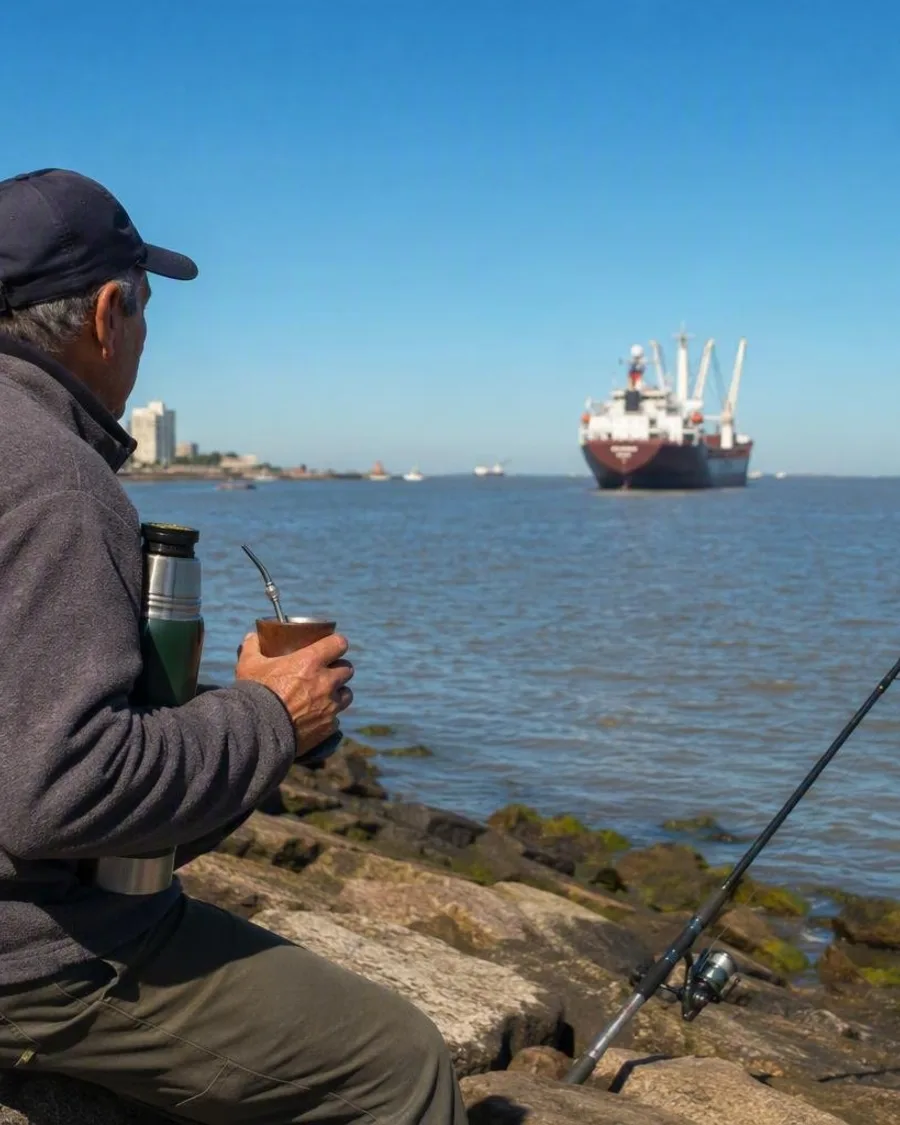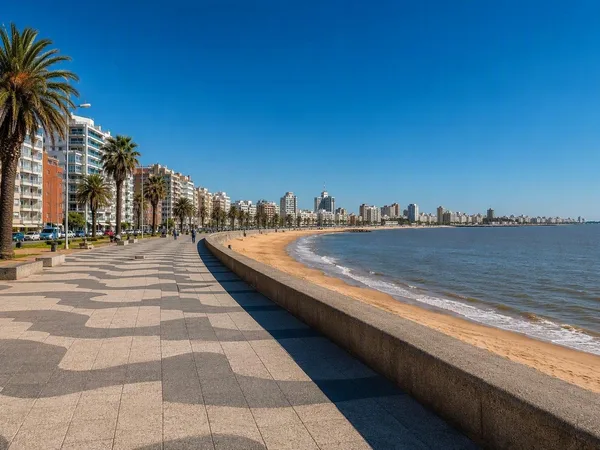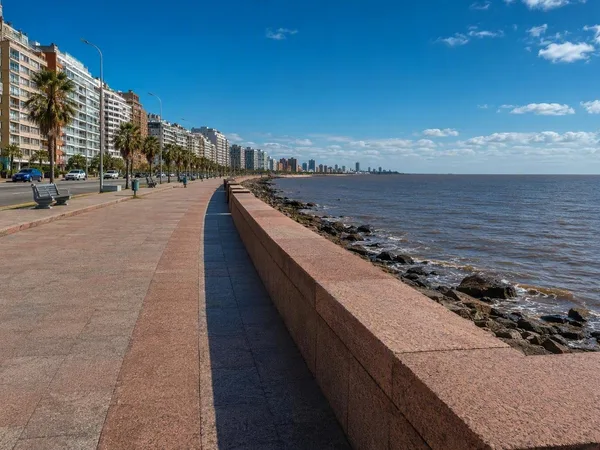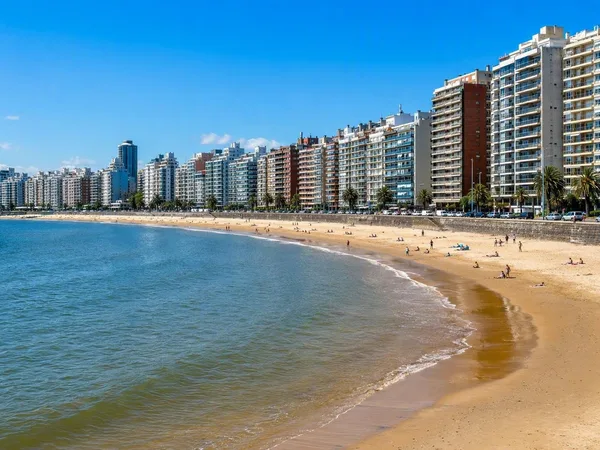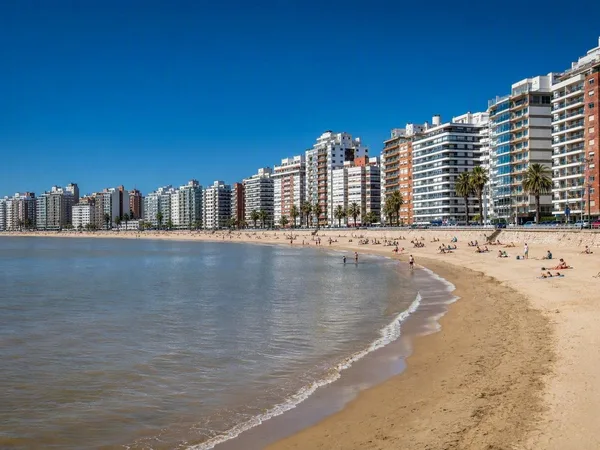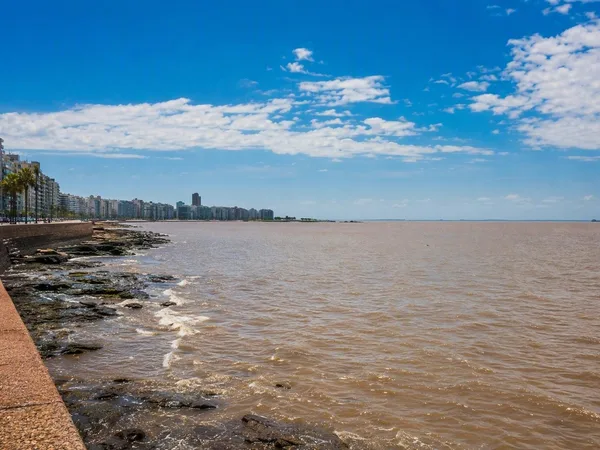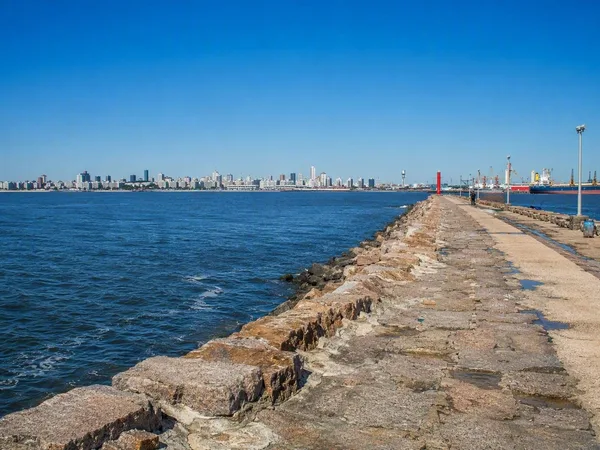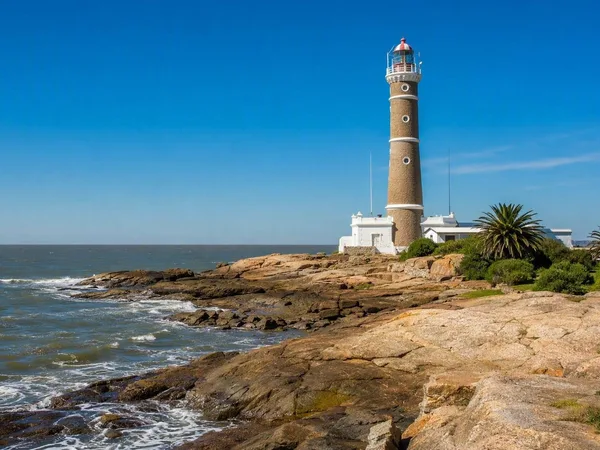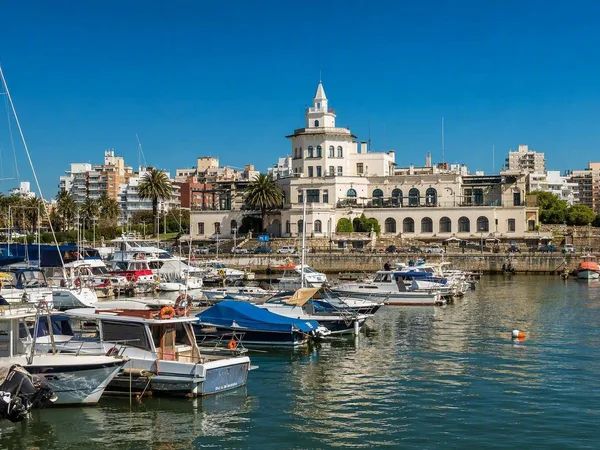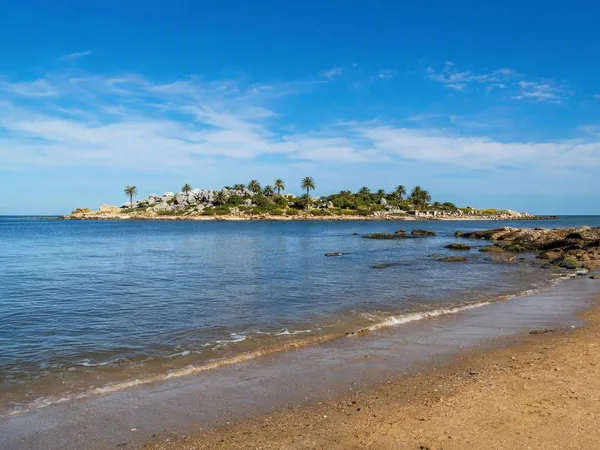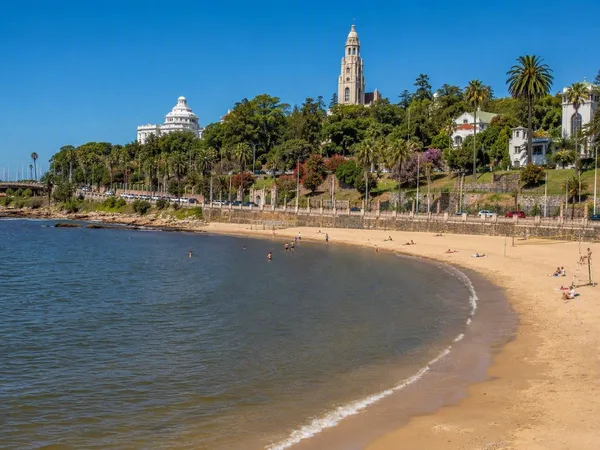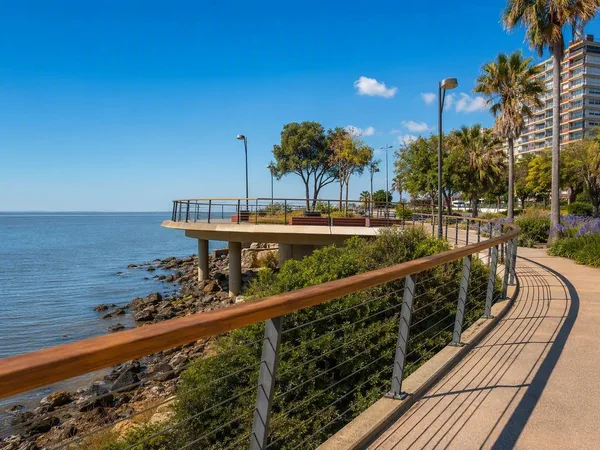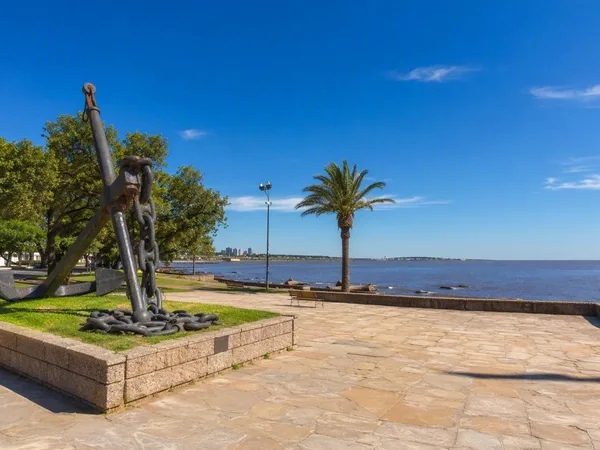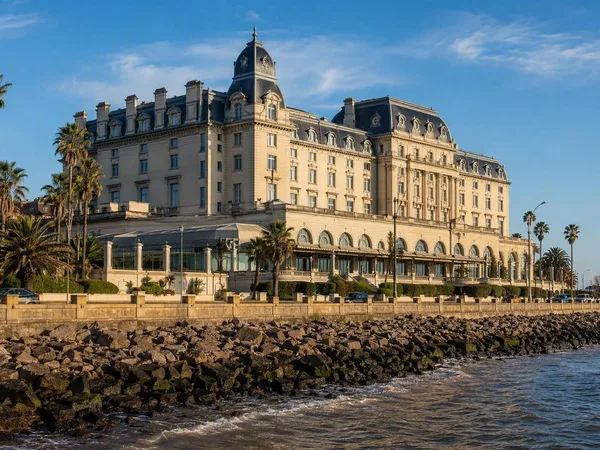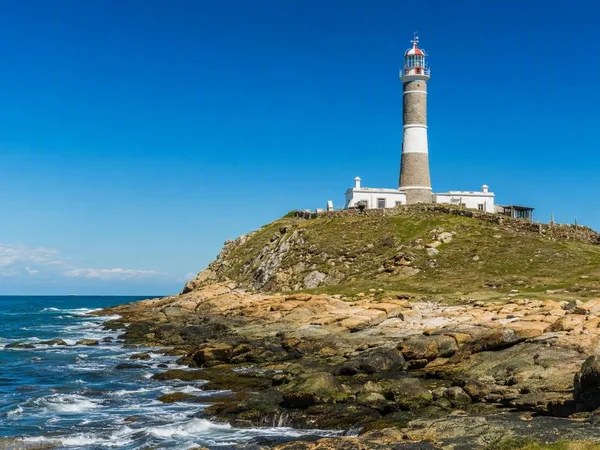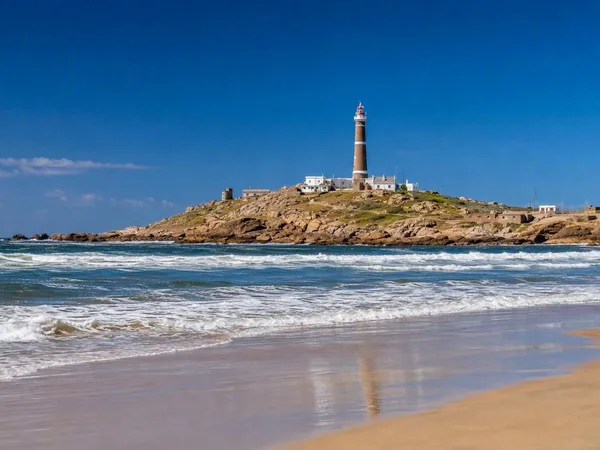
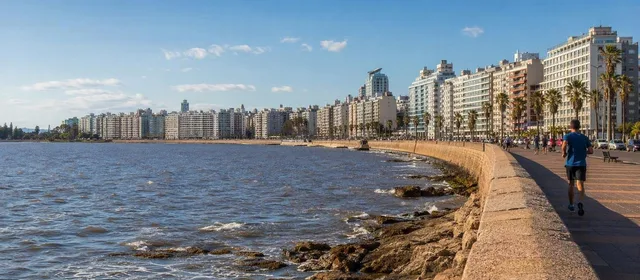
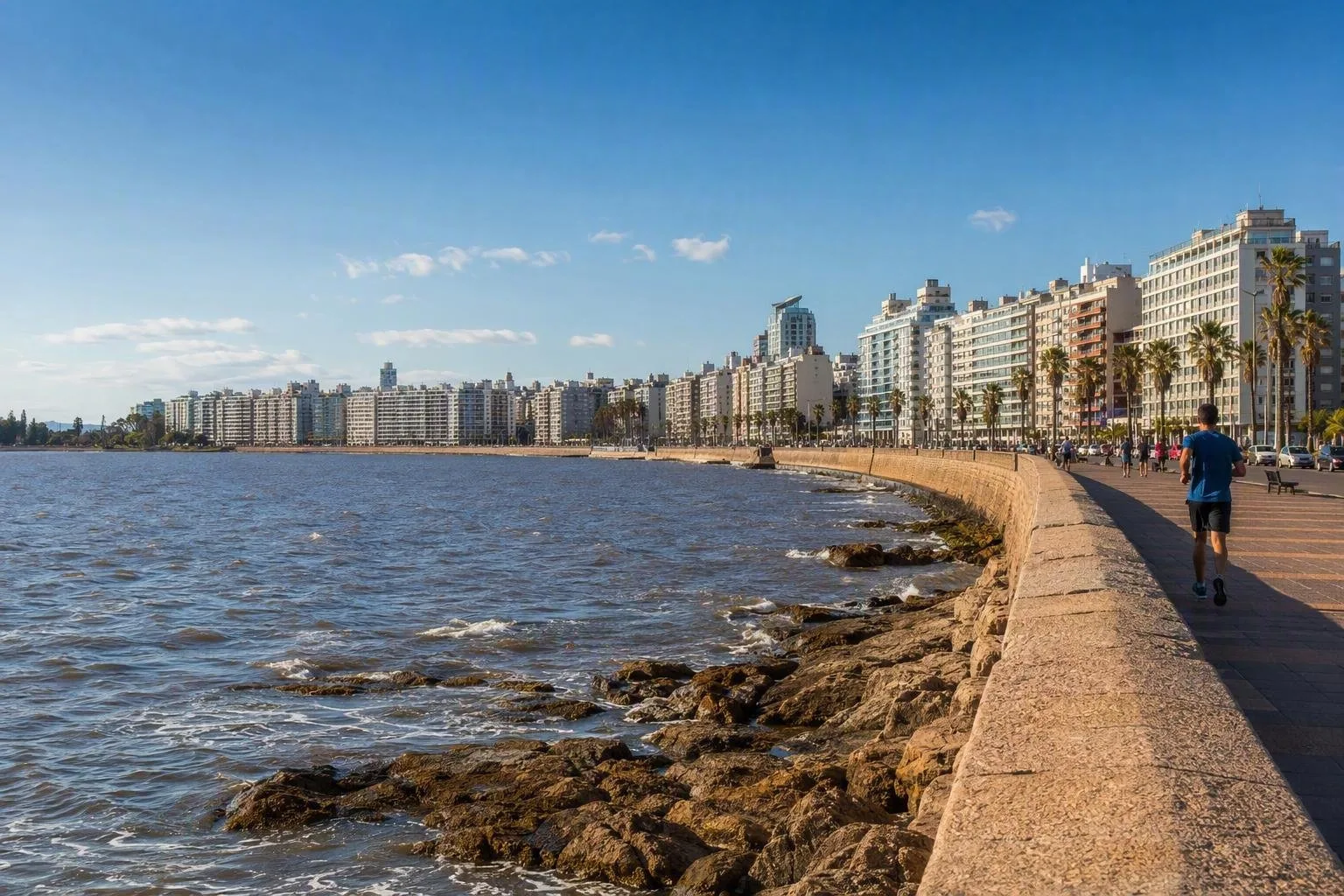
Look beyond Uruguay’s larger neighbours for long waterfront walks, late dinners and a coast that changes quickly beyond the resorts. Montevideo follows the broad Río de la Plata for miles. Along the Rambla, runners pass fishermen on the rocks, families sit on the sand and people stop with a mate gourd and thermos. East of the capital, the estuary meets the Atlantic. Punta del Este has towers, marinas and busy summer beaches; farther north, dunes, lagoons and small settlements take over. At Cabo Polonio, four-wheel-drive vehicles cross the sand, and sea lions gather below the lighthouse. Inland, cattle country and low hills have shaped the food on the table.
Colonia del Sacramento brings a different scale. Portuguese and Spanish forces fought over this river port, and its old quarter still has cobbled streets, stone walls and low houses. Montevideo carries another part of the country’s history in its neighbourhood drums and Carnival stages. Afro-Uruguayan communities developed candombe there, while murga groups fill Carnival with choral songs, percussion and sharp satire.
Food keeps daily habits close to the land. Friends share mate from one gourd. Parrillas grill beef and sausages over wood embers. In Canelones and around Montevideo, vineyards produce Tannat, the full-bodied red grape most closely linked with Uruguay. Take time for the Rambla, an old river town and a quieter stretch of coast, and Uruguay will give you plenty to settle into.