
City · Uruguay
Montevideo
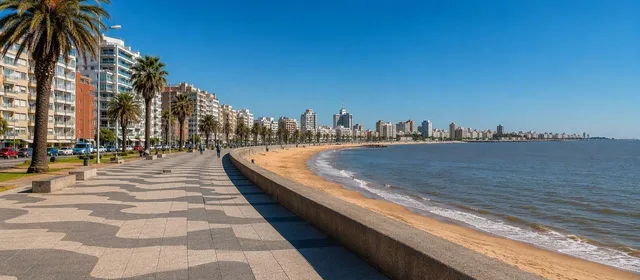
Montevideo, Uruguay’s capital, sits on the Río de la Plata between a historic port district and a long public waterfront. Its essentials are compact Ciudad Vieja, the Rambla and beachside neighbourhoods such as Pocitos.
Get oriented
Montevideo is Uruguay’s capital, political and economic centre, and the administrative seat of Mercosur. The city spreads from its historic port and Ciudad Vieja east along the Río de la Plata. Treat it as a set of distinct districts rather than one continuous centre: the old city and Centro suit architecture and museums; Parque Rodó, Pocitos and Punta Carretas put you beside the water.
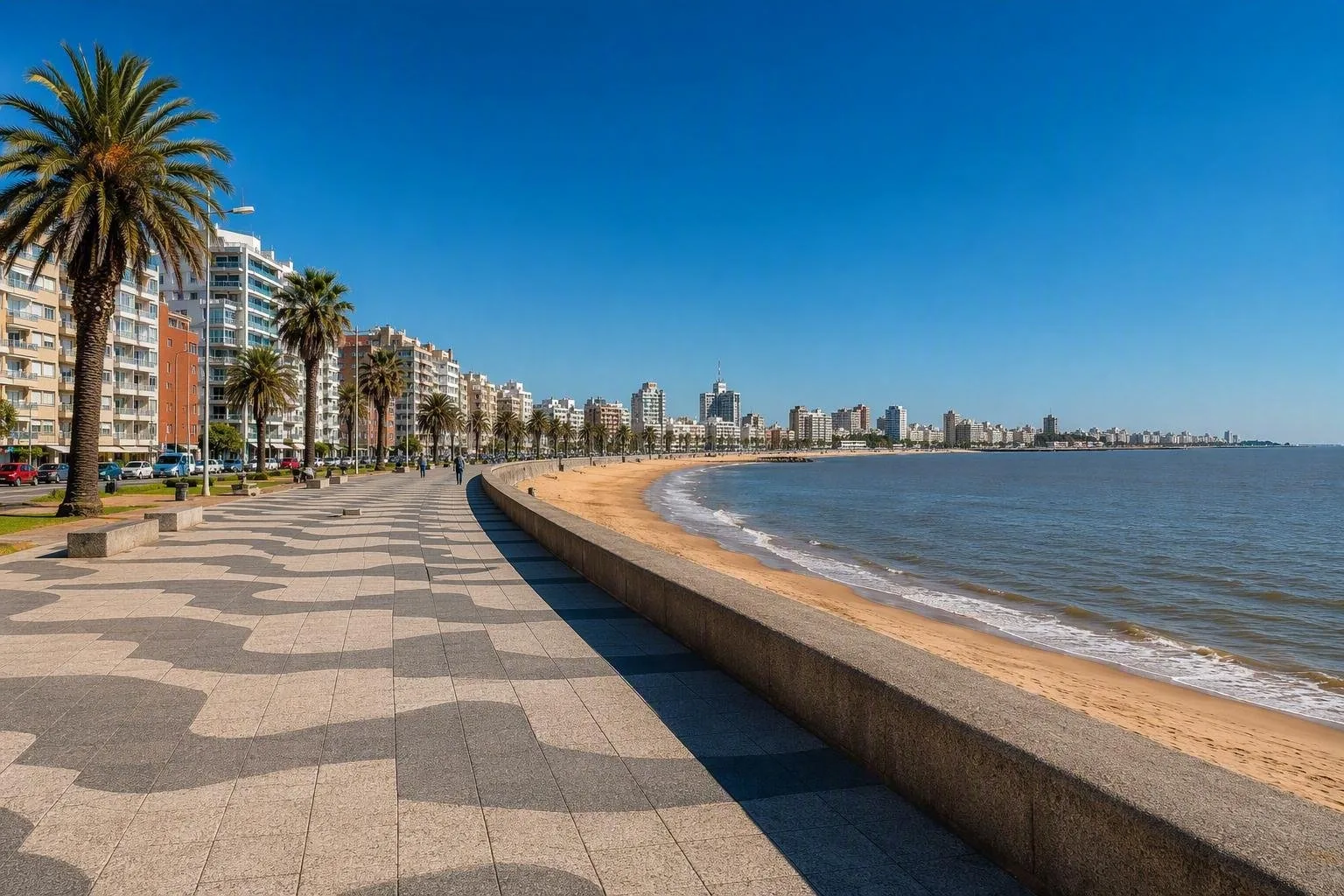
The Rambla is the practical thread between them. This coastal avenue and pedestrian promenade runs for almost 30 kilometres, passing parks, beaches, clubs and neighbourhoods. Do not attempt its full length in one walk; choose a section.
Start in Ciudad Vieja
Begin at Plaza Independencia, the hinge between Centro and Ciudad Vieja. The square brings together the Artigas monument and mausoleum, Palacio Salvo, Teatro Solís and the old government palace. Pass through the Puerta de la Ciudadela to reach pedestrian Sarandí.
Follow Sarandí toward Plaza Constitución, also called Plaza Matriz. On and around this route are the Metropolitan Cathedral, the Cabildo historical museum, the Torres García Museum, cafés, bookshops and galleries. Continue toward the port for Mercado del Puerto, a useful lunch stop with a broad concentration of grills and restaurants.
Use the waterfront properly
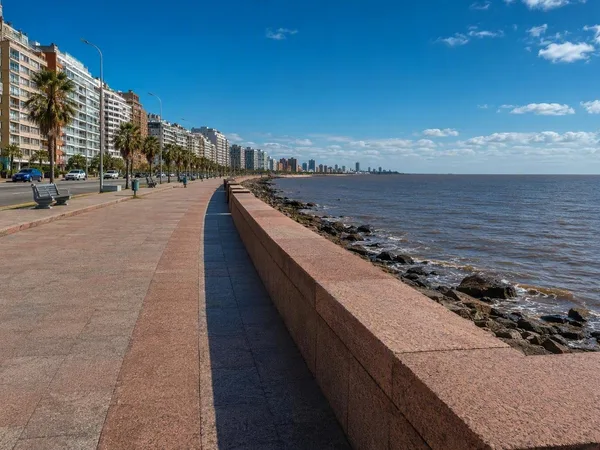
For a short waterfront walk, take Rambla Sur near Ciudad Vieja and Barrio Sur; it gives you the port, bay and city edge. For beach and open-river views, head to Rambla de Pocitos and Playa Pocitos. The promenade is built for walking and cycling, but its changing sections are the point: the city, sand and water rearrange themselves as the shoreline curves.
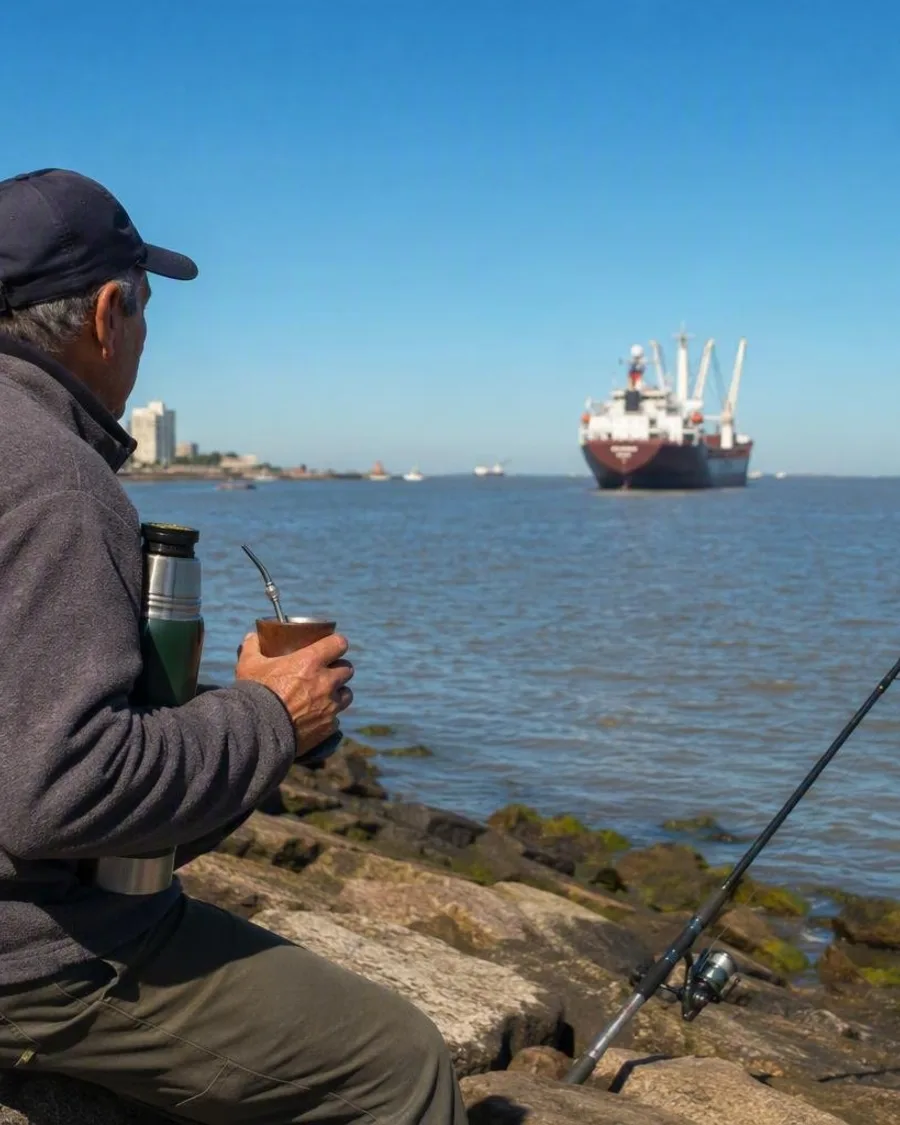
The Río de la Plata is the constant horizon. Bring a layer outside summer: the exposed waterfront can be windy.
Add culture, food and a market
Teatro Solís, the Auditorio del Sodre and Sala Zitarrosa are the main choices for programmed performance. For museums, Ciudad Vieja alone has the Carnival Museum, the Museum of Pre-Columbian and Indigenous Art, the Figari Museum and several smaller collections.
For a Sunday morning, Feria Tristán Narvaja runs on Tristán Narvaja street from 08:00 to 15:00, with a varied open-air market. For food, look beyond the port: Punta Carretas and Pocitos have a dense restaurant offer. Order an asado or chivito, and try local Tannat.
Moving around
Walk Ciudad Vieja and Centro. Use buses, taxis or ride-hailing for longer cross-city jumps, especially to the coast. An STM card reduces bus fares and permits transfers within one- or two-hour windows; it is available free on presentation of ID or a passport at STM service points. The Cómo Ir app provides routes and timetables. Bicycles can be rented by the hour or day and make sense for selected Rambla stretches.
From the magazine
Stories about Montevideo
Editorial stories linked directly to Montevideo.
Routes from our editors
Travel through Montevideo
Editorial routes connecting Montevideo with other countries, cities and hotspots.
No routes through Montevideo have been published yet.
More in Uruguay
Related hotspots
Other cities, nature areas and places within Uruguay.
Rambla Sur
1 linked stories and routes
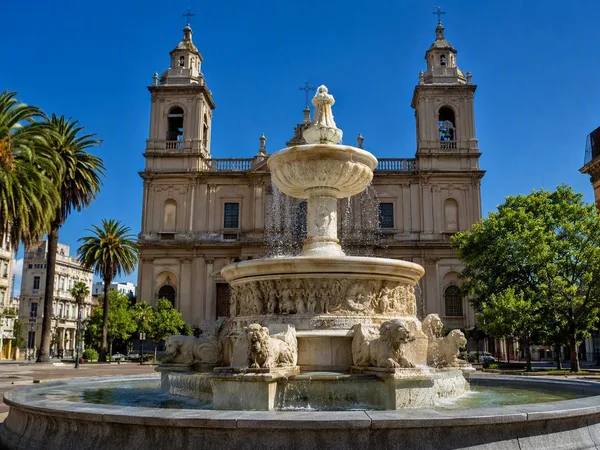
Ciudad Vieja, Montevideo’s Old City
1 linked stories and routes
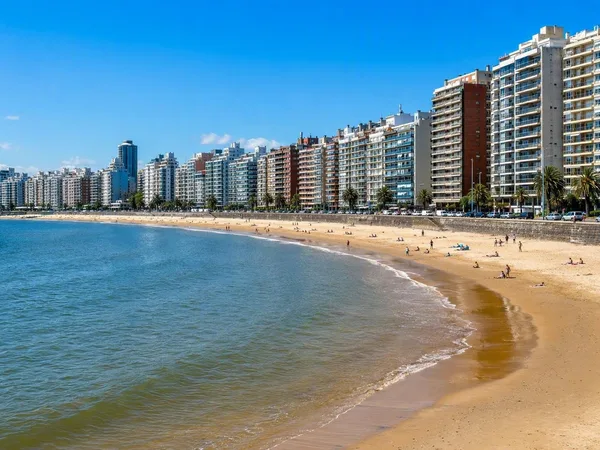
Pocitos
1 linked stories and routes
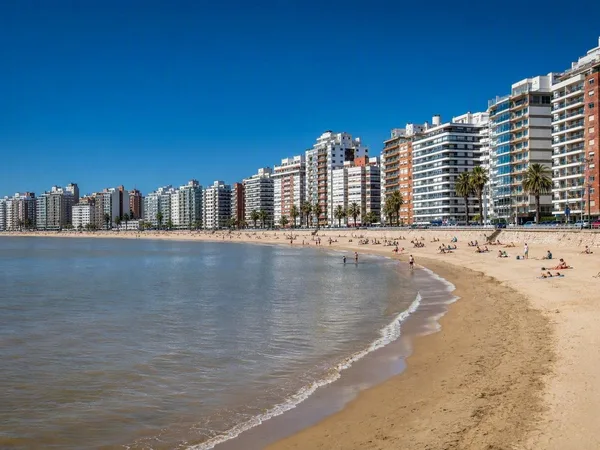
Playa Pocitos
1 linked stories and routes
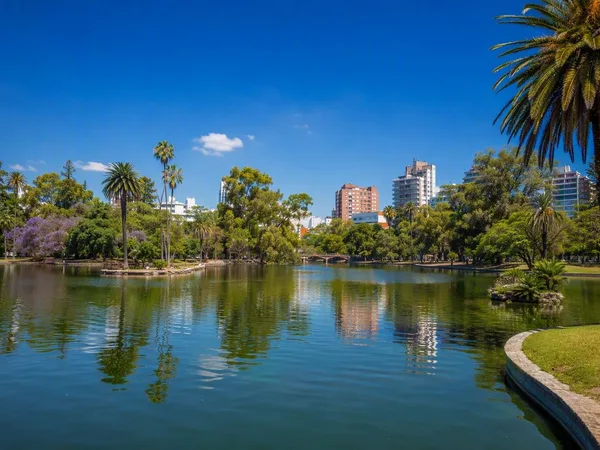
Parque Rodó
1 linked stories and routes
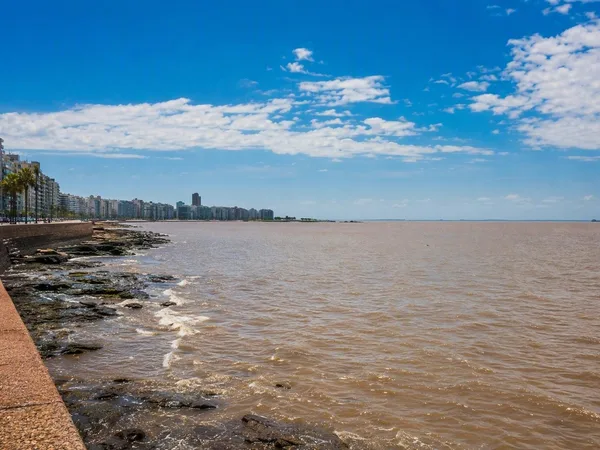
Río de la Plata
1 linked stories and routes
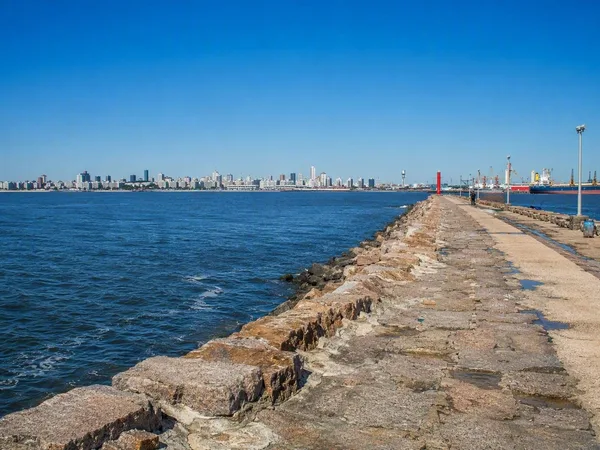
Escollera Sarandí
1 linked stories and routes
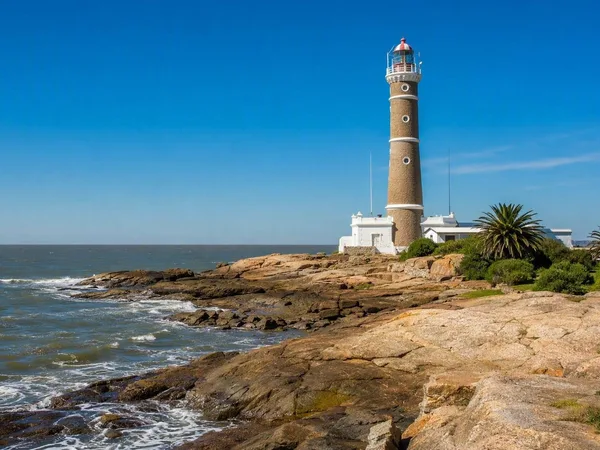
Punta Carretas
1 linked stories and routes
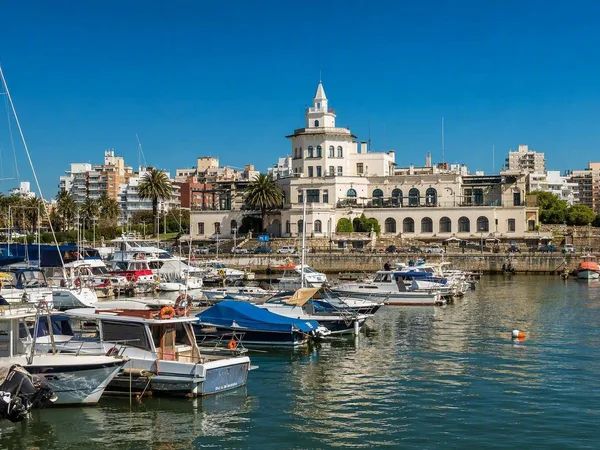
Buceo, Montevideo
1 linked stories and routes
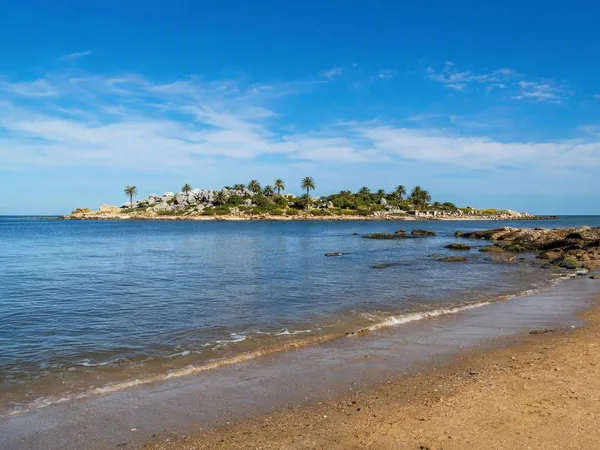
Malvín, Montevideo
1 linked stories and routes
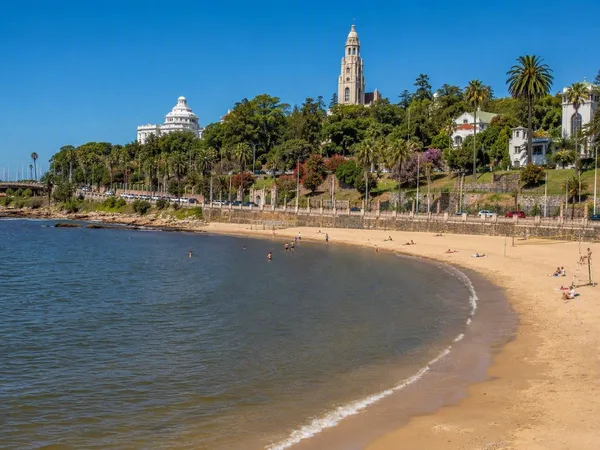
Playa Ramírez
1 linked stories and routes
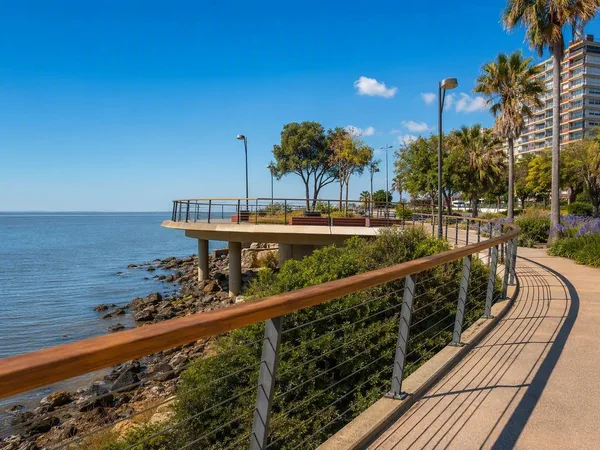
Paseo Verde
1 linked stories and routes
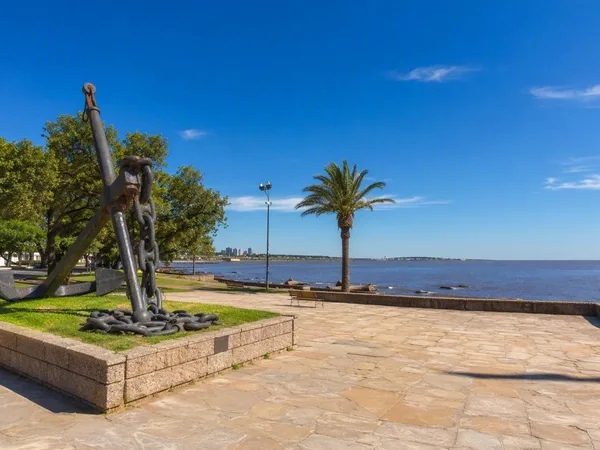
Punta Gorda, Montevideo
0 linked stories and routes
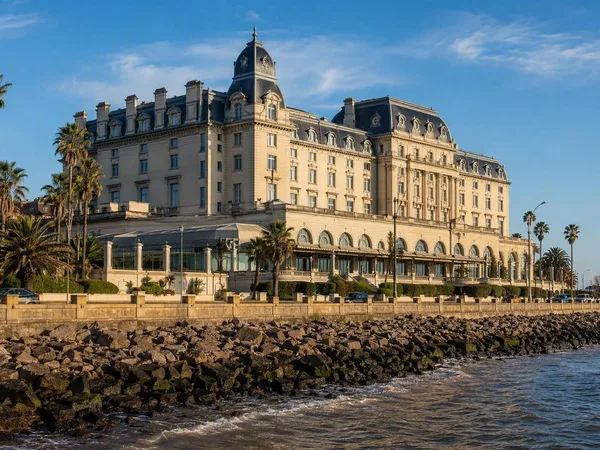
Carrasco, Montevideo
0 linked stories and routes
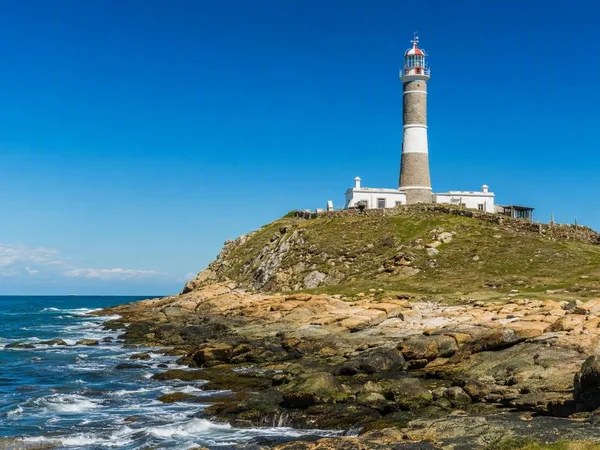
Cabo Polonio
0 linked stories and routes
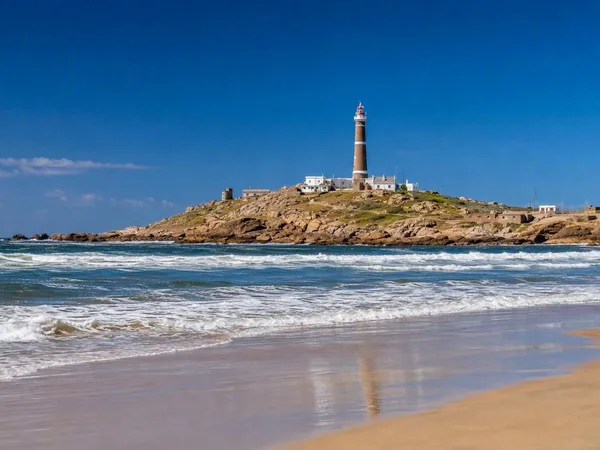
Playa Sur, Cabo Polonio
0 linked stories and routes