
Neighbourhood · Uruguay
Ciudad Vieja, Montevideo’s Old City
Ciudad Vieja is Montevideo’s historic peninsula, between the port, Montevideo Bay and the Río de la Plata. Its compact street grid links the former fortified city’s squares, museums, theatre and waterfront market.
Orientation
Ciudad Vieja is Montevideo’s original urban core: the peninsula enclosed by Montevideo Bay to the north and the Río de la Plata to the south. It is small enough to explore on foot, but it is not an open-air museum. Offices, homes, cultural venues and port activity share the old grid.
The historic area runs from Plaza Independencia at its eastern edge towards the port. Puerta de la Ciudadela, the surviving gateway of the old fortifications, marks the useful starting point. Pass through it to enter Peatonal Sarandí, the pedestrian spine of the district.
Walk the historic axis
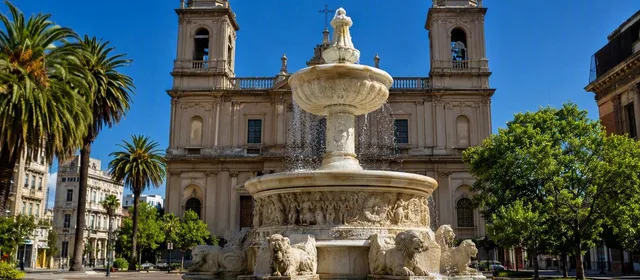
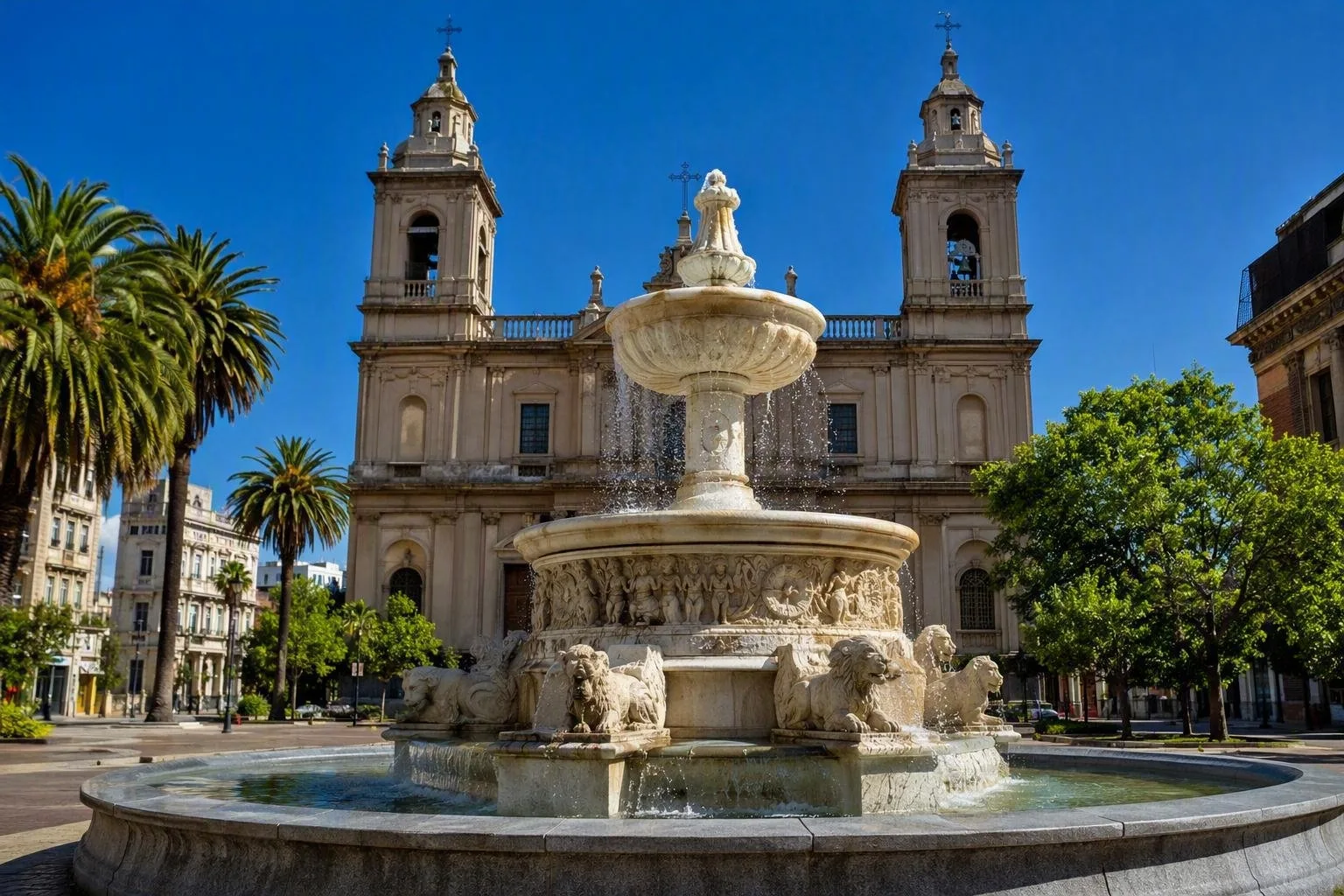
Follow Sarandí west to Plaza Matriz, formally Plaza Constitución. This is the central square of the colonial town. The Metropolitan Cathedral faces the Cabildo, the former colonial civic building that now houses the Museo Histórico Cabildo. The square’s fountain, paths and benches make it the logical pause between sights.
Continue through the surrounding blocks rather than treating Sarandí as the whole district. The street plan rewards short detours for façades, small plazas and museums. At the eastern end, Plaza Independencia forms the threshold to central Montevideo; Teatro Solís and the landmark Palacio Salvo are immediately beside it.
Choose your cultural stops
Ciudad Vieja has a high concentration of museums, so choose by subject rather than trying to cover them all.
- Museo Torres García: work connected to Joaquín Torres García and his Constructive Universalism.
- Museo Histórico Cabildo: Montevideo’s civic and urban history in the former Cabildo.
- Museo del Carnaval: costumes, objects and context for Uruguay’s carnival traditions near the waterfront.
- Museo de Arte Precolombino e Indígena: pre-Columbian and Indigenous art in a historic building.
- Palacio Taranco / Museo de Artes Decorativas: period interiors and decorative arts around Plaza Zabala.
For performance, check the programme at Teatro Solís. It stands at the district’s edge, making it easy to combine a daytime walk with an evening event.
Port edge and practical rhythm
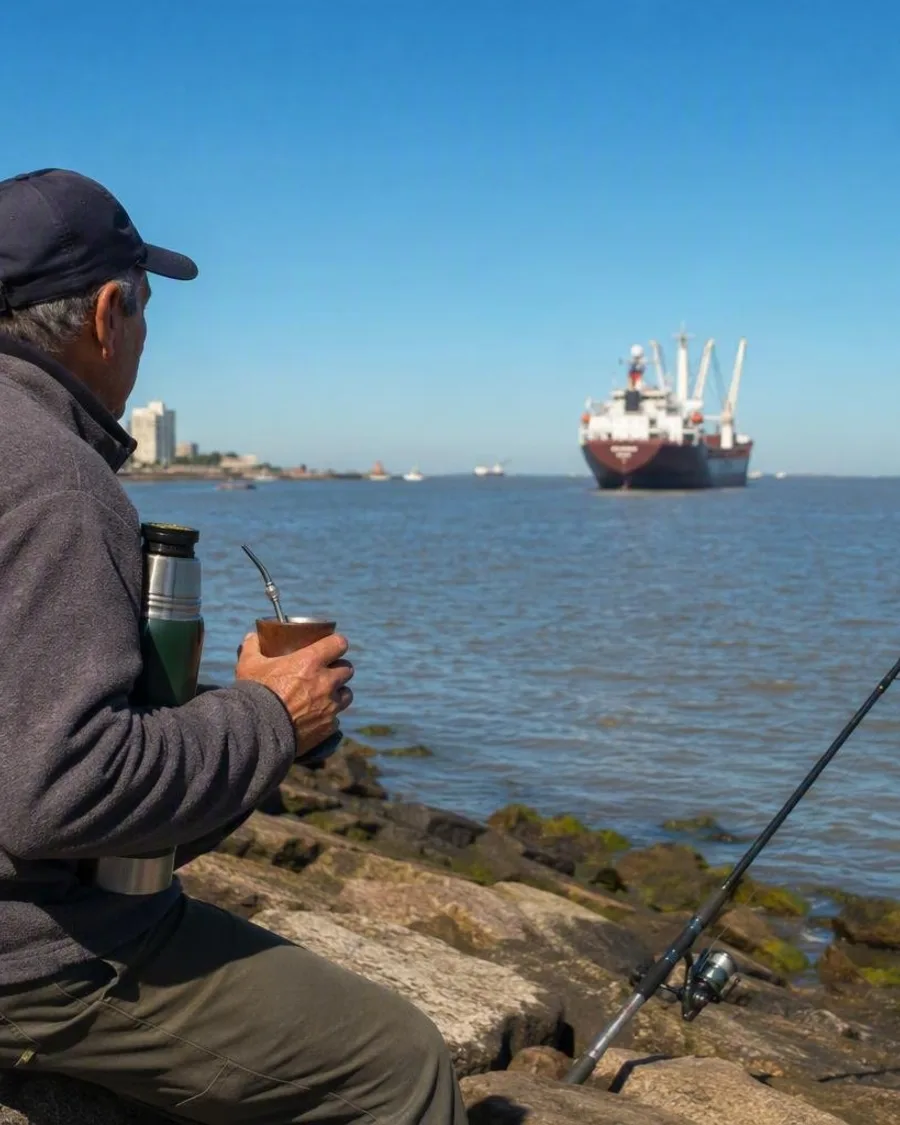
At the north-western end, Mercado del Puerto stands by Rambla 25 de Agosto and the port. Its iron market hall is the district’s best-known lunch stop, centred on parrilla cooking. From here, walk the waterfront toward Escollera Sarandí for a direct view of the bay and working port.
Come in daylight when museums, shops and pedestrian streets are operating. Weekdays suit a focused architecture-and-museums walk; allow longer if you add collections, a theatre visit or lunch at the market. Pavements can be uneven, so wear shoes suited to sustained city walking. Keep usual urban awareness around busy transport points and quieter streets.
From the magazine
Stories about Ciudad Vieja, Montevideo’s Old City
Editorial stories linked directly to Ciudad Vieja, Montevideo’s Old City.
Routes from our editors
Travel through Ciudad Vieja, Montevideo’s Old City
Editorial routes connecting Ciudad Vieja, Montevideo’s Old City with other countries, cities and hotspots.
No routes through Ciudad Vieja, Montevideo’s Old City have been published yet.
More in Uruguay
Related hotspots
Other cities, nature areas and places within Uruguay.
Montevideo
1 linked stories and routes
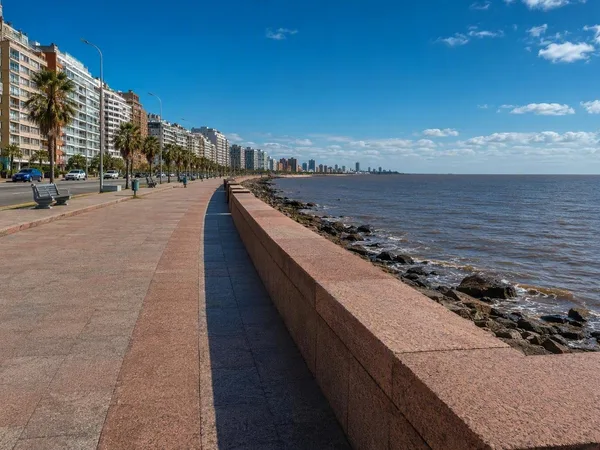
Rambla Sur
1 linked stories and routes
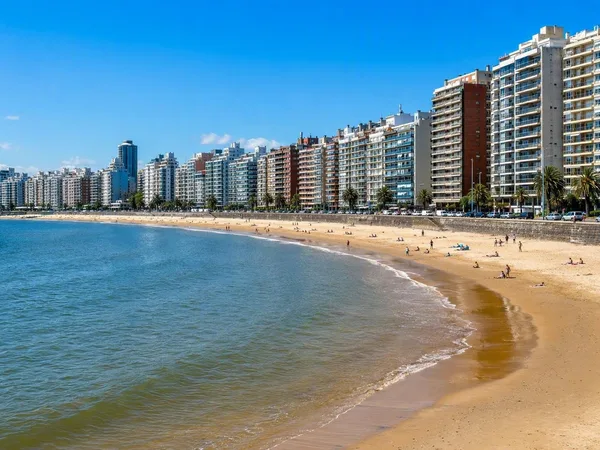
Pocitos
1 linked stories and routes
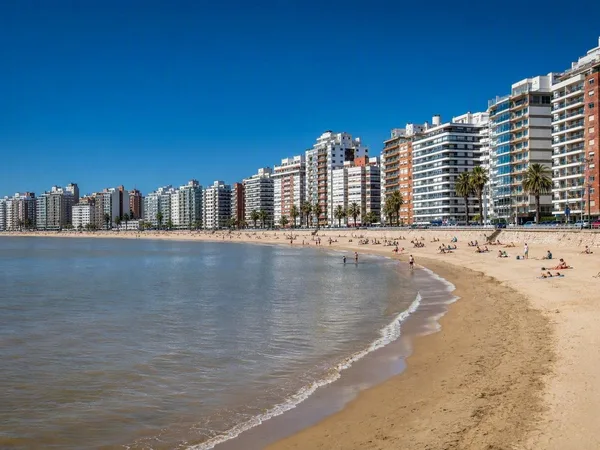
Playa Pocitos
1 linked stories and routes
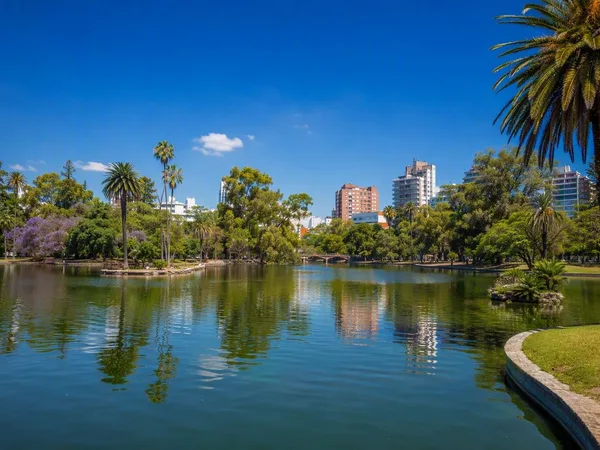
Parque Rodó
1 linked stories and routes
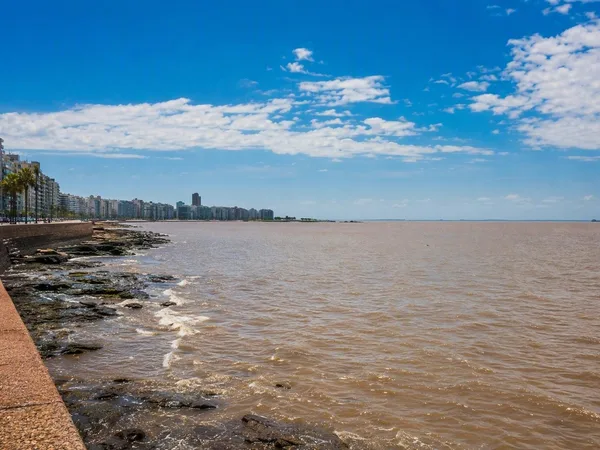
Río de la Plata
1 linked stories and routes
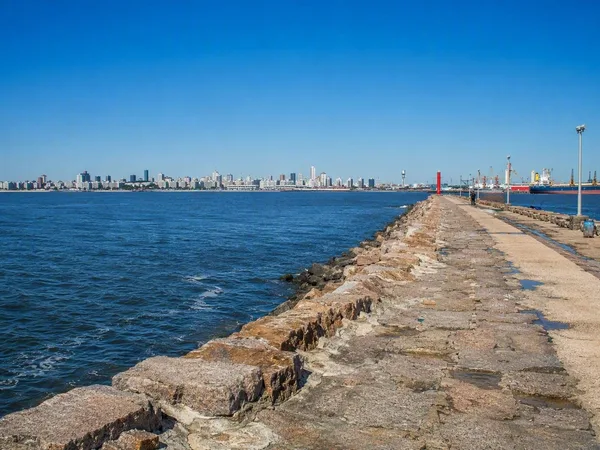
Escollera Sarandí
1 linked stories and routes
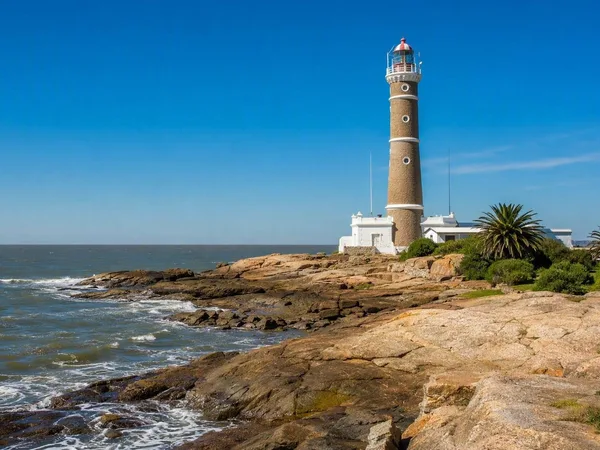
Punta Carretas
1 linked stories and routes
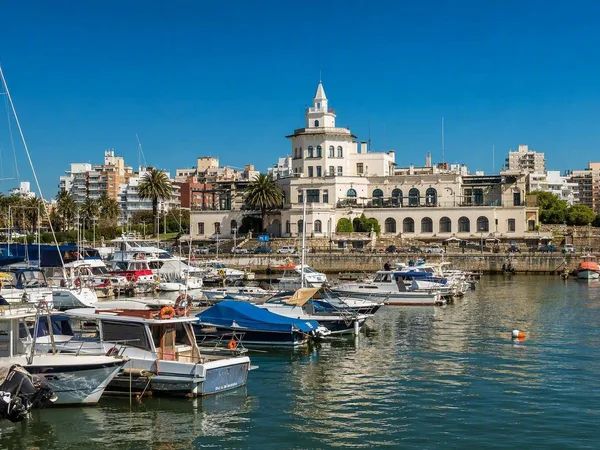
Buceo, Montevideo
1 linked stories and routes
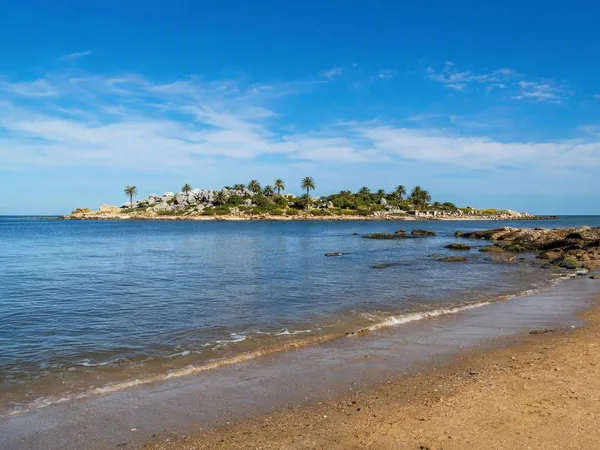
Malvín, Montevideo
1 linked stories and routes
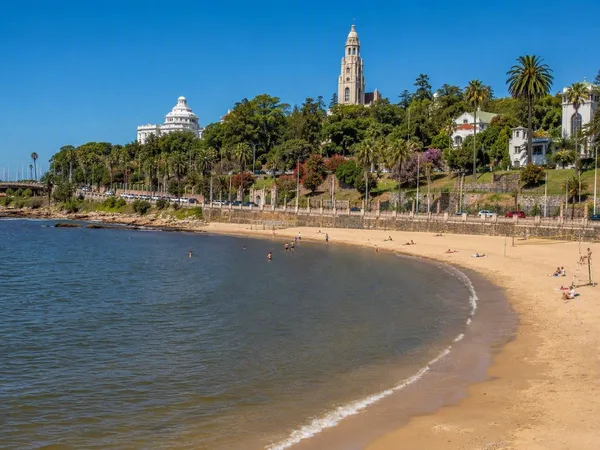
Playa Ramírez
1 linked stories and routes
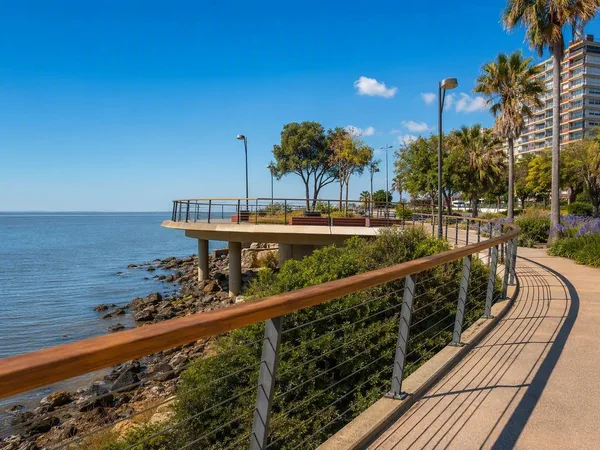
Paseo Verde
1 linked stories and routes
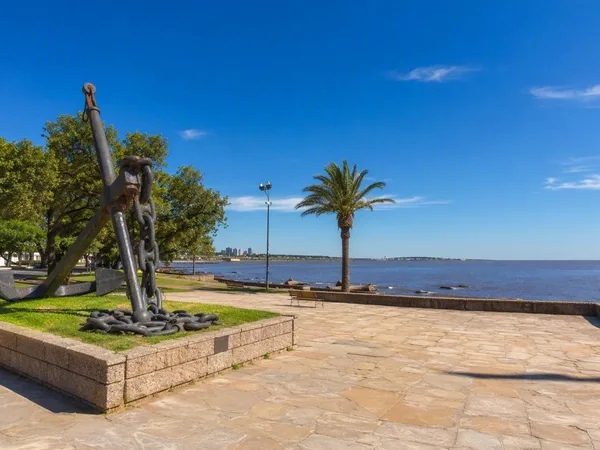
Punta Gorda, Montevideo
0 linked stories and routes
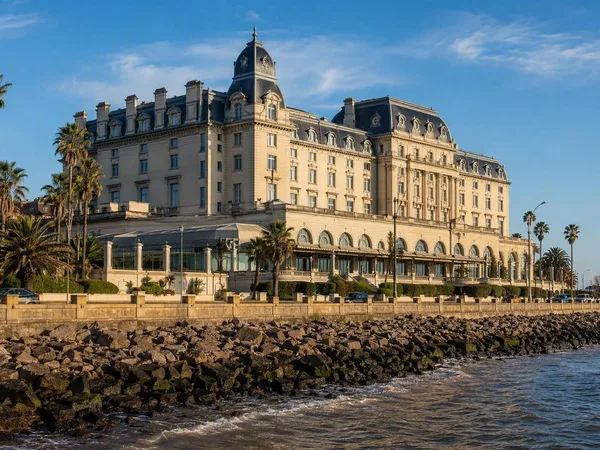
Carrasco, Montevideo
0 linked stories and routes
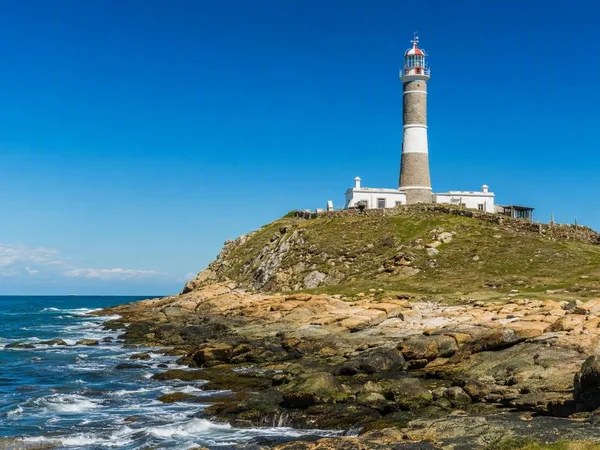
Cabo Polonio
0 linked stories and routes
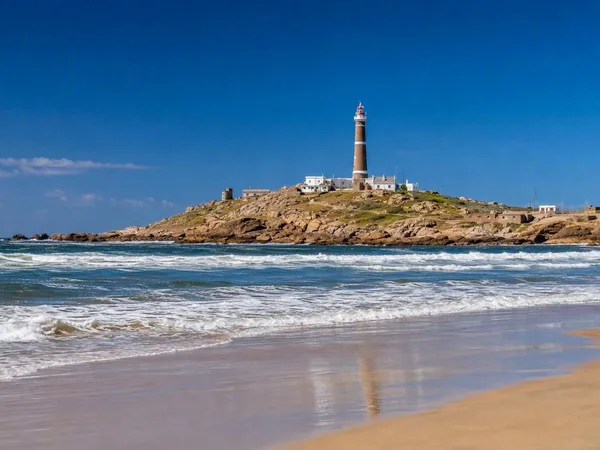
Playa Sur, Cabo Polonio
0 linked stories and routes