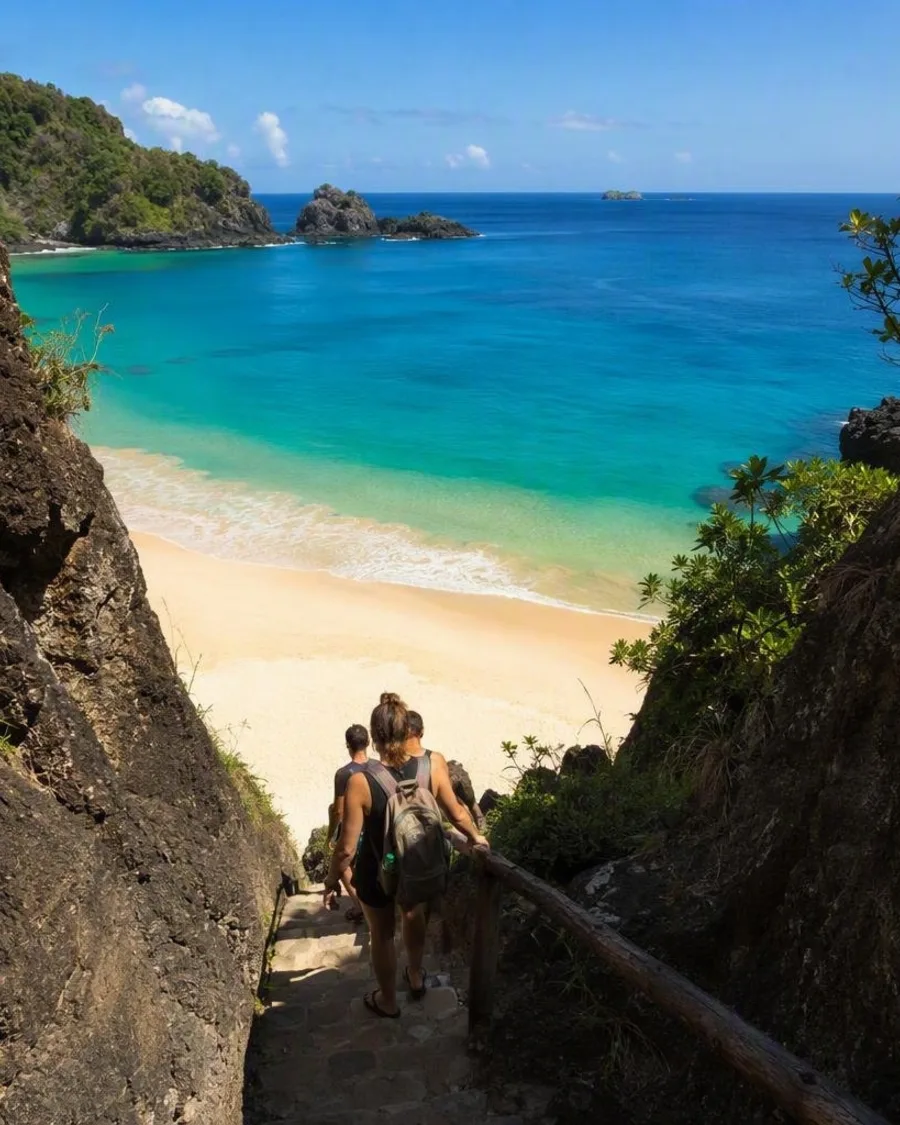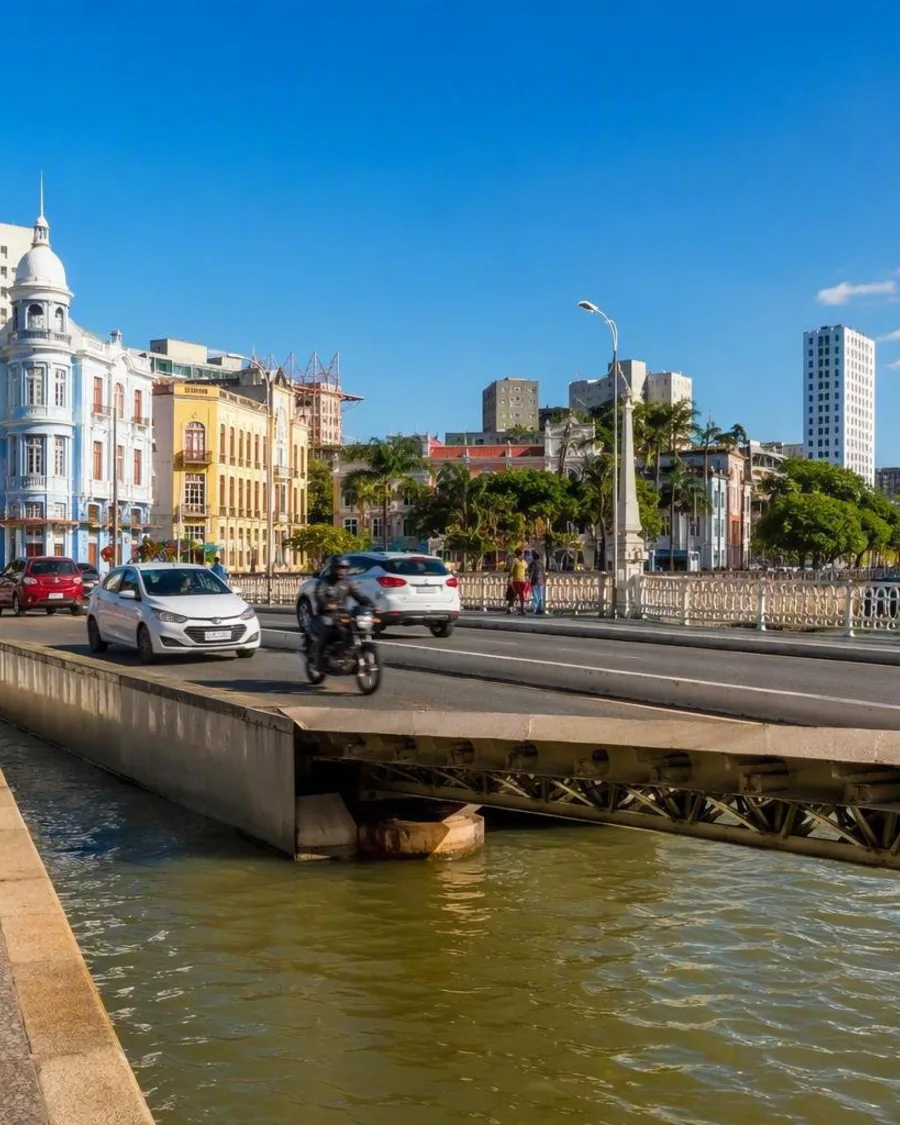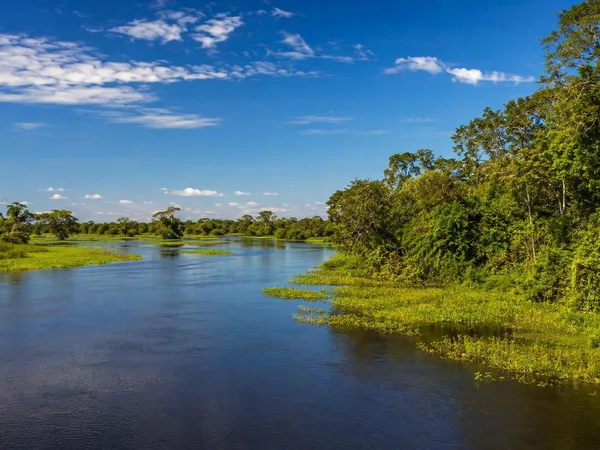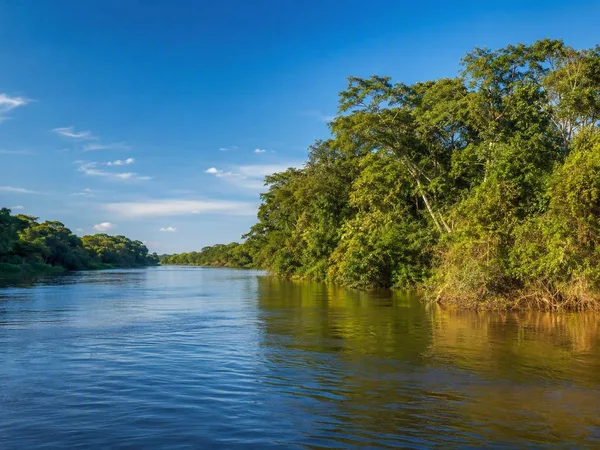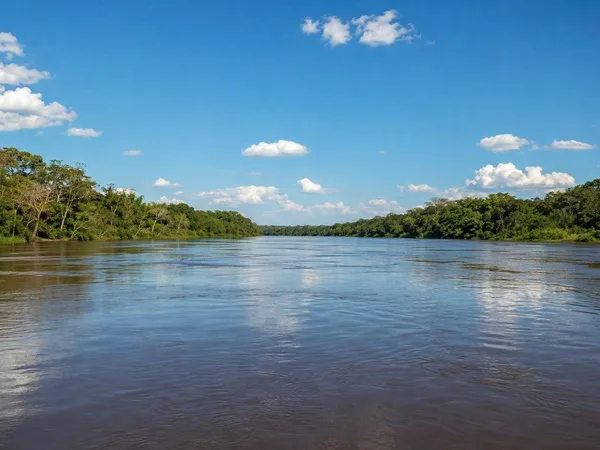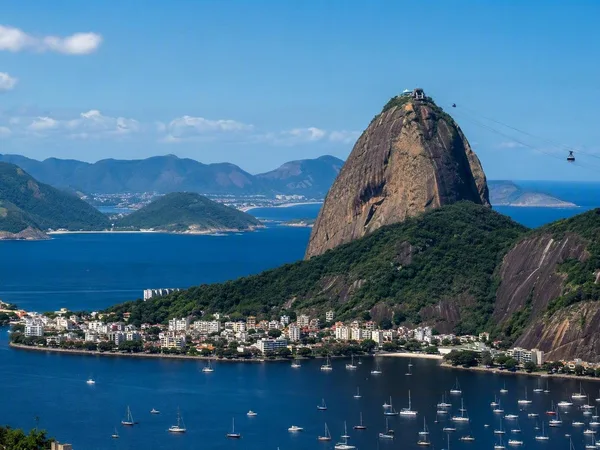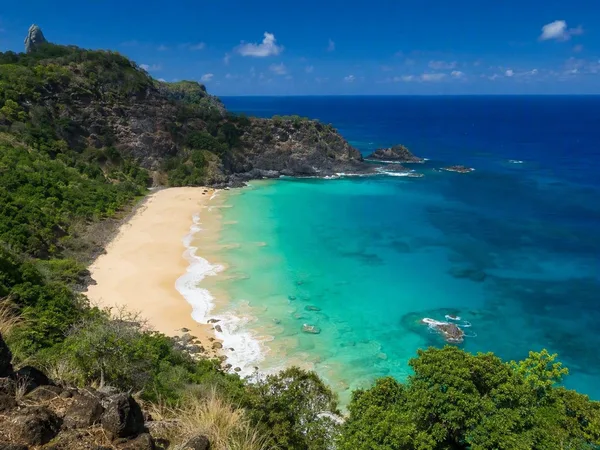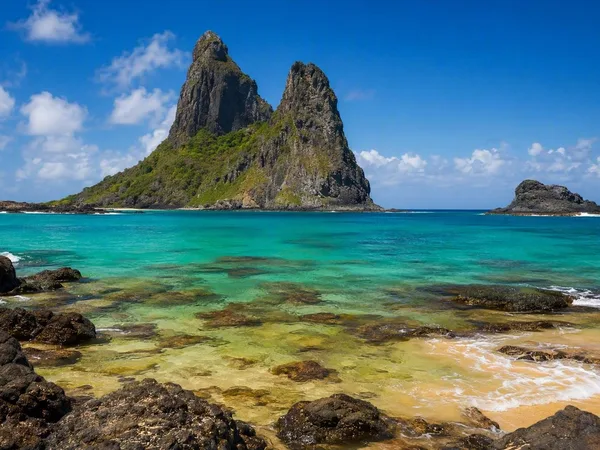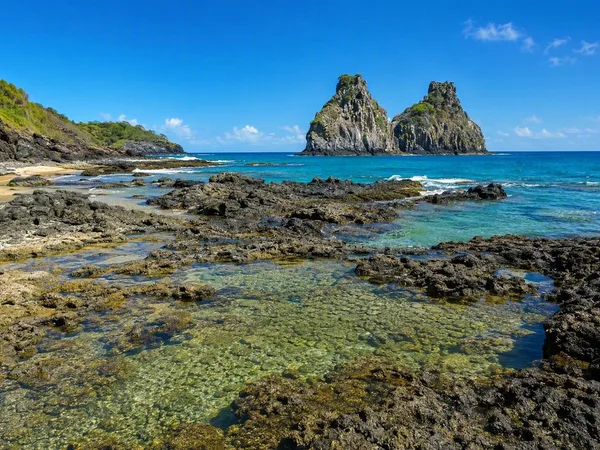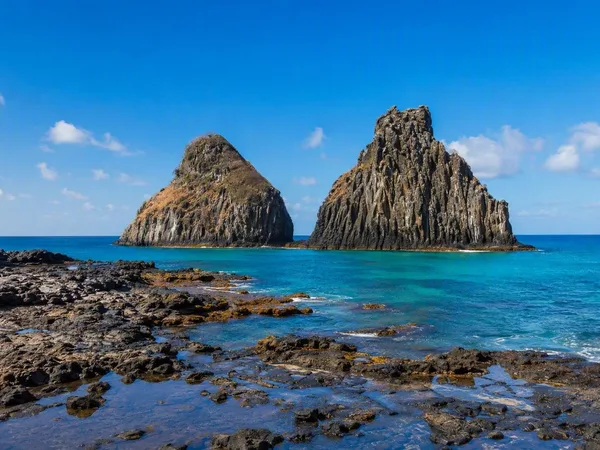
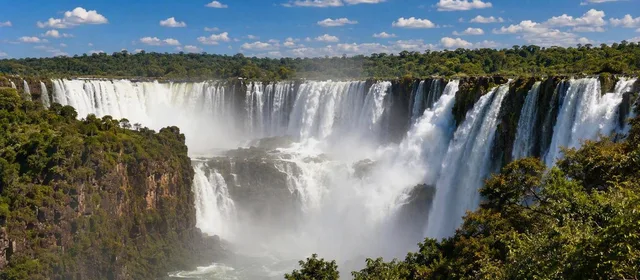
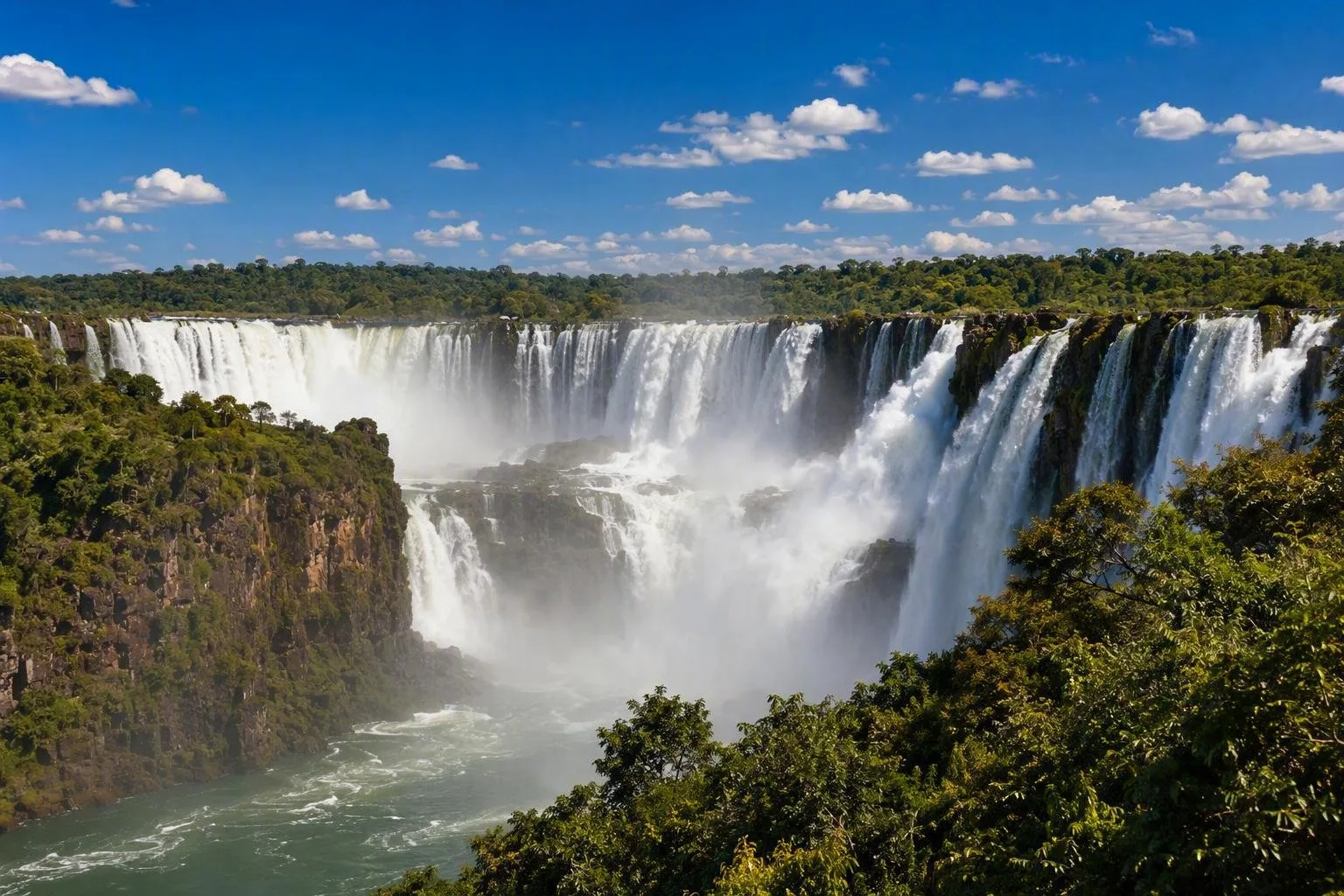
Brazil makes sense when you look beyond its postcard views. At Iguaçu Falls, water crashes through subtropical forest; farther north, Amazon rivers run past flooded woodland and link communities by boat. Rio de Janeiro packs another landscape into a single city: granite peaks rise behind crowded neighbourhoods, while beaches run beside avenues, kiosks and football pitches. Water changes the scenery, the food and the way people travel, but each region has its own pace and character.
In Salvador, steep lanes lead between colonial churches, markets and squares where Afro-Brazilian religious and musical traditions remain part of daily life. Street vendors fry acarajé in dendê oil, and cooks across Brazil use manioc in dishes rooted in Indigenous knowledge. In Minas Gerais, Ouro Preto’s baroque churches recall the gold trade and the labour of enslaved people. São Paulo has neighbourhoods shaped by Japanese, Italian, Lebanese and many other immigrant communities.
Portuguese colonisation, Indigenous peoples, the enslavement of Africans and later immigration left different marks across the country. You can see them in a market lunch, hear them in music spilling from a square, or notice them in the details of a city street. Take time beyond the headline sights, and Brazil opens up through its tables, rivers, cities and regional traditions.