
Island · Brazil
Fernando de Noronha
Fernando de Noronha is a volcanic Atlantic archipelago in Pernambuco, around 545 km from Recife. Its inhabited main island combines protected beaches, volcanic headlands and one of Brazil’s most closely managed marine environments.
The island at a glance
Fernando de Noronha is a 21-island volcanic archipelago in Brazil’s South Atlantic. Only the main island is inhabited; its compact urban area, airport, port, services and accommodation sit within a landscape split between an Environmental Protection Area and the Marine National Park.
The archipelago is the exposed crest of a submarine mountain chain. Nearly 70% of the main island, the smaller islands and much of the surrounding water are protected. That protection explains both the clear operational rules and the concentration of marine life.
Beaches, bays and viewpoints
The main island has 16 beaches. Start with the western-facing mar de dentro coast for the classic sequence of bays and volcanic rock formations.
- Baía do Sancho is a cliff-backed beach within the national park.
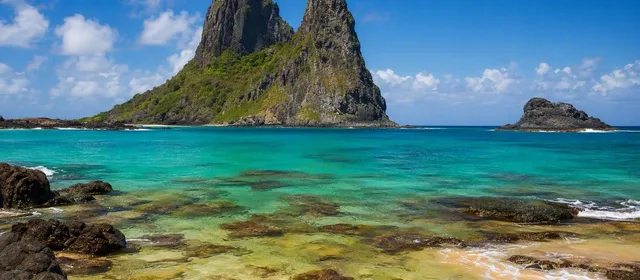
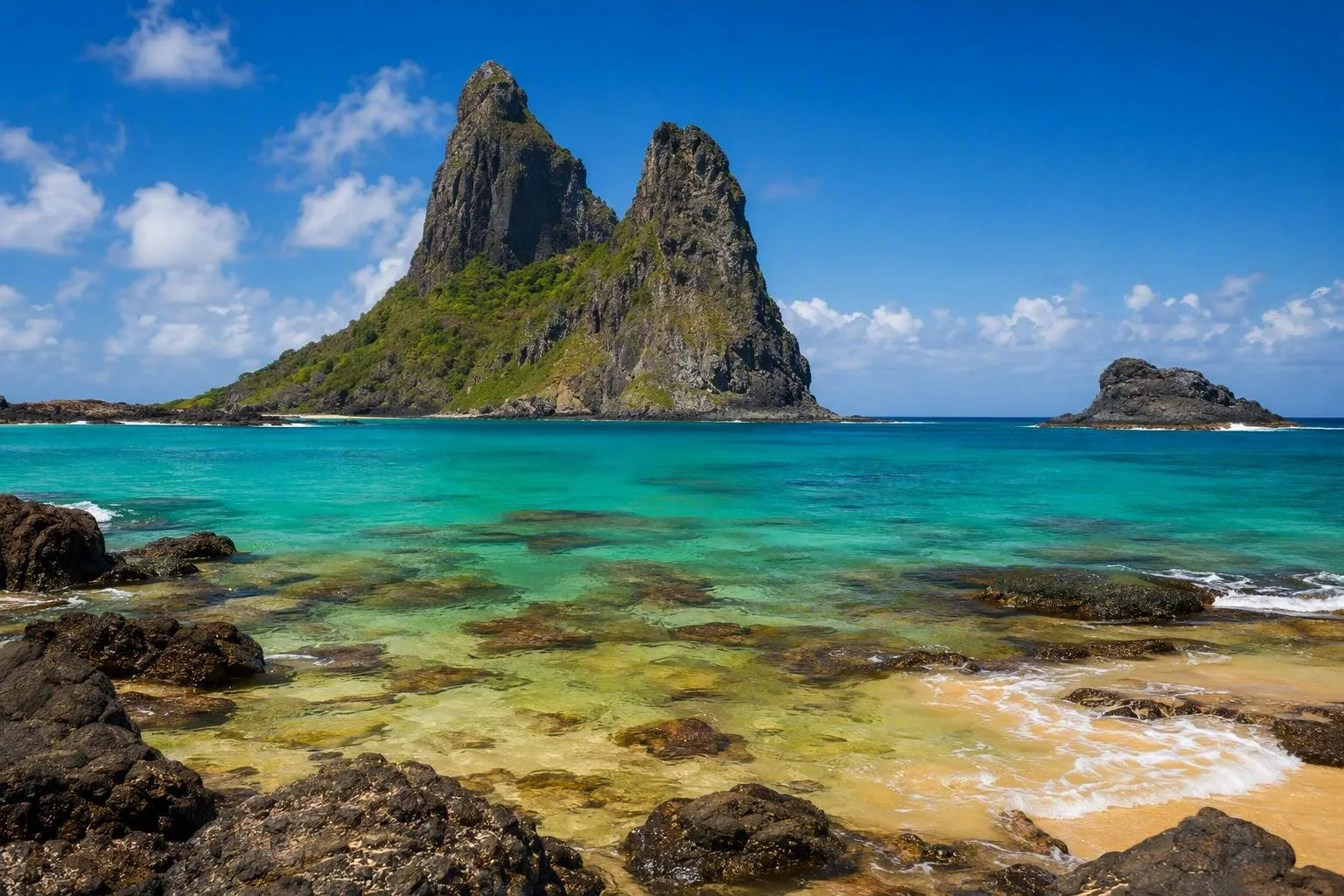
- Baía dos Porcos pairs a small rocky bay with the twin sea stacks of Morro Dois Irmãos. Natural pools form among the rocks at low tide.
- Baía dos Golfinhos is a viewing bay for its resident spinner dolphins; observe from the lookout rather than entering the water with them.
- Praia do Leão lies on the more exposed coast and is another major park beach.
Use the park’s marked trails and viewpoints. Several secondary islands are strict-protection areas: they are for viewing from authorised boat trips or while diving, not for landing.
Water and wildlife
Noronha’s productive offshore waters support sharks, turtles, tuna, marine mammals and a major concentration of tropical seabirds. Treat wildlife as a possibility, not a promised encounter.
Snorkelling works best in sheltered water and low-tide pools, where rock shelves concentrate fish. Diving and boat excursions reveal the wider marine setting, but access and navigation are managed by zone. Do not feed, chase, capture or touch wildlife, and do not intentionally dive with dolphins. Leave rocks, shells and other natural material where they are.
Arrival, movement and access
Flights connect Fernando de Noronha with Recife; the airport is on the main island. Taxis, lodging transfers and public transport serve the settled corridor, while rented vehicles and bicycles cover more ground. Keep travel times short in planning terms, but allow for trail entry points, tide windows and park controls.
Non-resident visitors pay the daily Environmental Preservation Fee, calculated by length of stay. National-park beaches and trails require a separate park admission. Buy the relevant access before setting out; some park sites use reservations or have capacity limits.
Seasons and essential rules
The drier stretch generally runs from September to March; rain is more frequent from April to August. Sea conditions vary by coast and season: northern beaches can develop strong surf roughly from December to February, while calmer conditions are more typical from May to July.
Bring a refillable bottle and reusable bag. Disposable plastic containers and packaging are restricted on the island. Stay on signed trails, take out what you bring in, and follow closures without improvising alternative routes.
From the magazine
Stories about Fernando de Noronha
Editorial stories linked directly to Fernando de Noronha.
No stories about Fernando de Noronha have been published yet.
Routes from our editors
Travel through Fernando de Noronha
Editorial routes connecting Fernando de Noronha with other countries, cities and hotspots.
No routes through Fernando de Noronha have been published yet.
More in Brazil
Related hotspots
Other cities, nature areas and places within Brazil.
Recife
1 linked stories and routes
São José
1 linked stories and routes
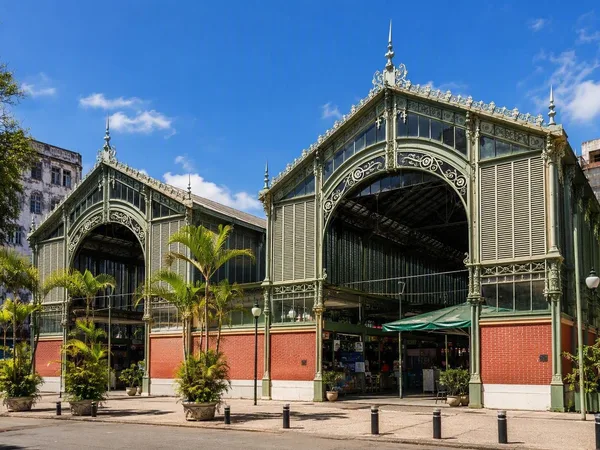
Mercado de São José
1 linked stories and routes
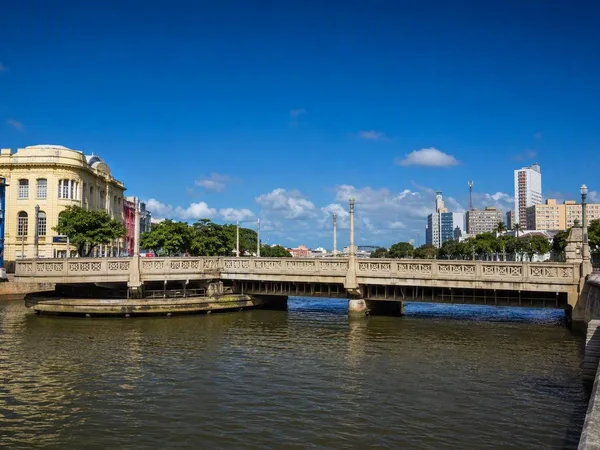
Capibaribe River
1 linked stories and routes
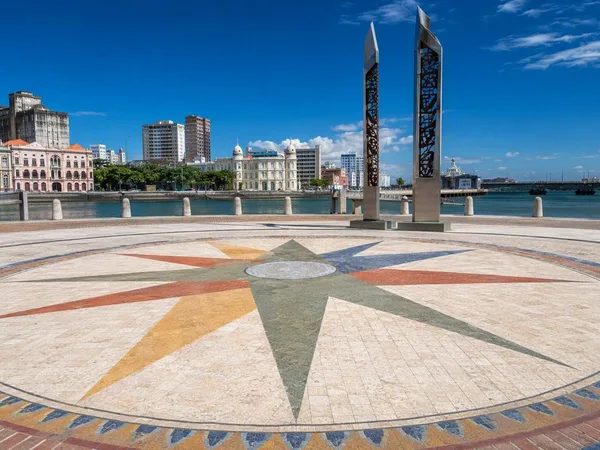
Bairro do Recife (Recife Antigo)
1 linked stories and routes
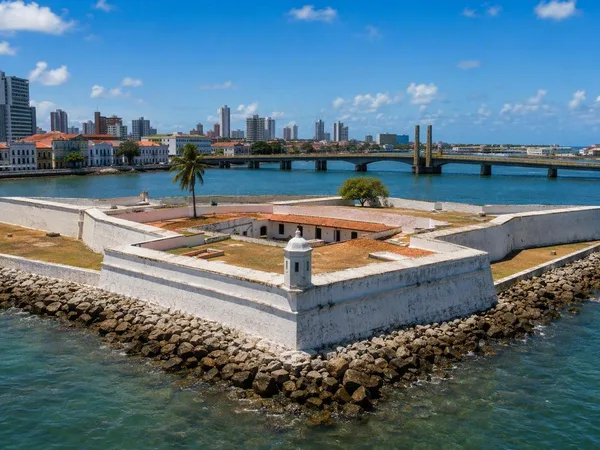
Ilha de Antônio Vaz, Recife
1 linked stories and routes
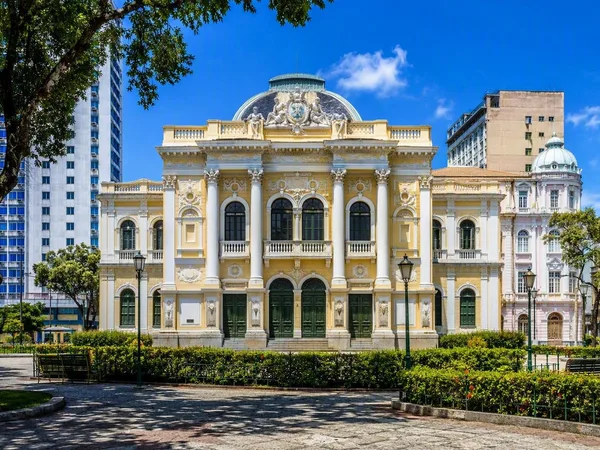
Santo Antônio, Recife
1 linked stories and routes
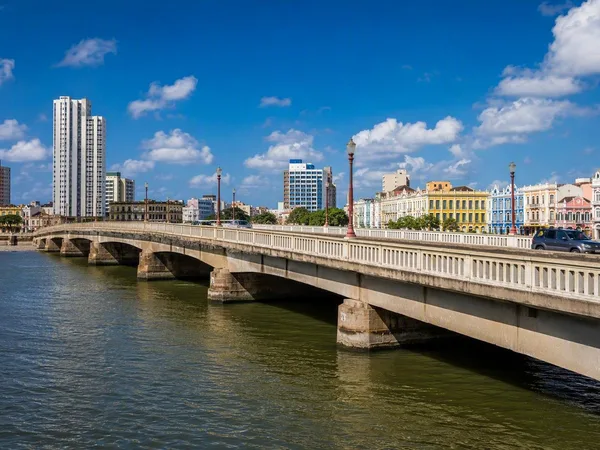
Ponte Giratória
1 linked stories and routes
Cais da Alfândega
1 linked stories and routes
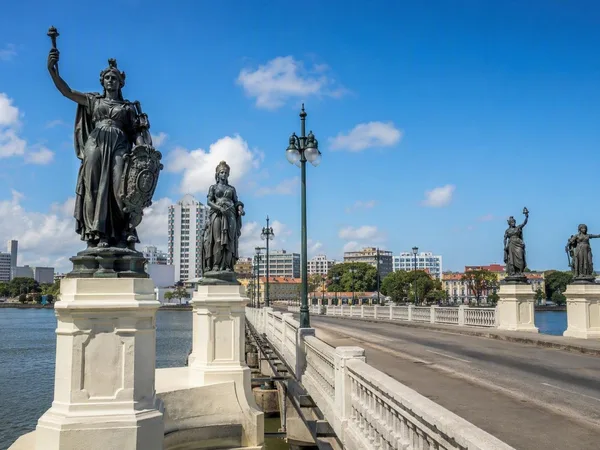
Ponte Maurício de Nassau
1 linked stories and routes
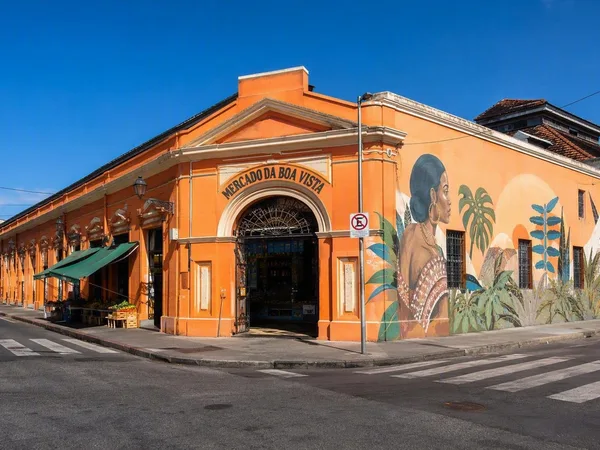
Boa Vista, Recife
1 linked stories and routes
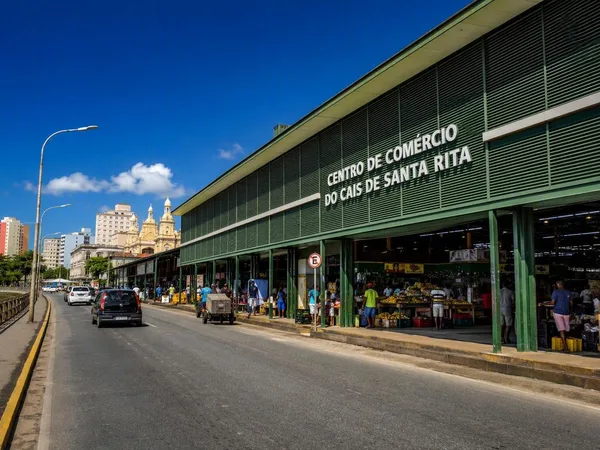
Cais de Santa Rita
1 linked stories and routes
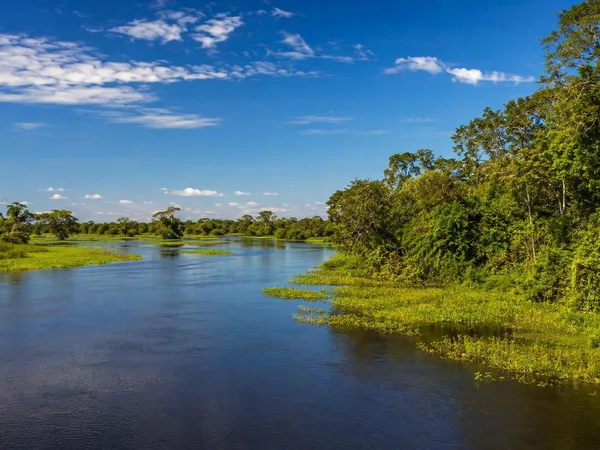
Pantanal, Brazil
1 linked stories and routes
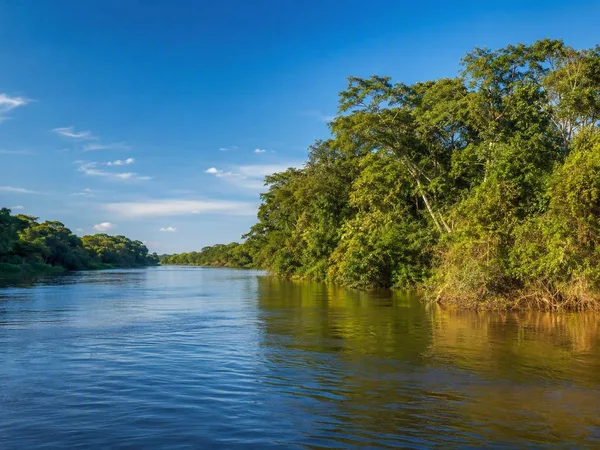
Encontro das Águas State Park
1 linked stories and routes
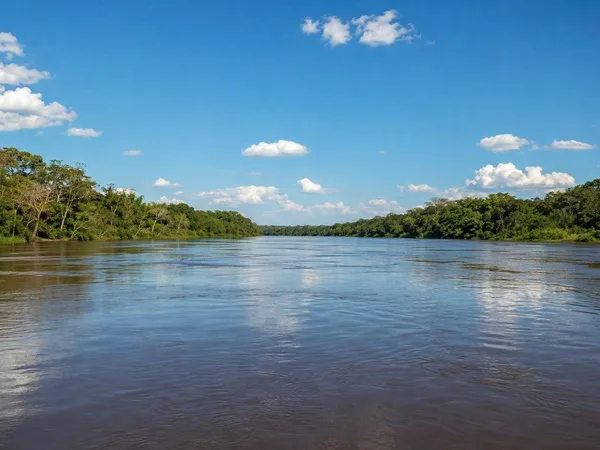
Porto Jofre
1 linked stories and routes
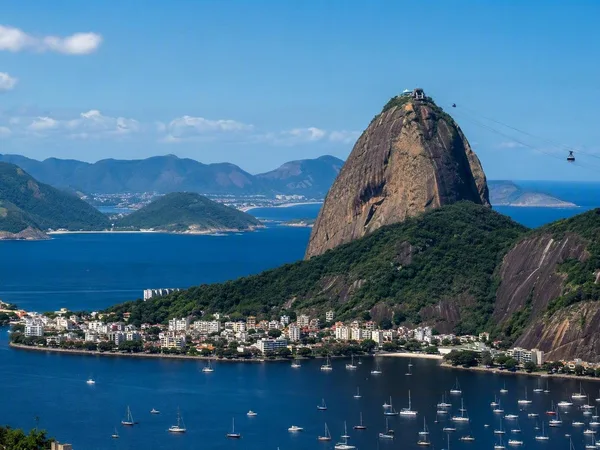
Rio de Janeiro
1 linked stories and routes
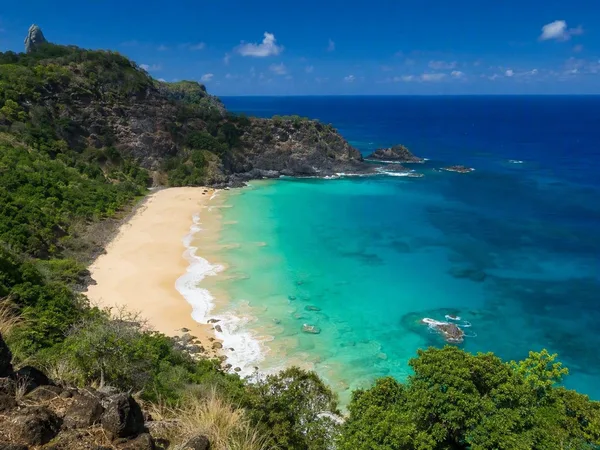
Praia do Sancho
1 linked stories and routes
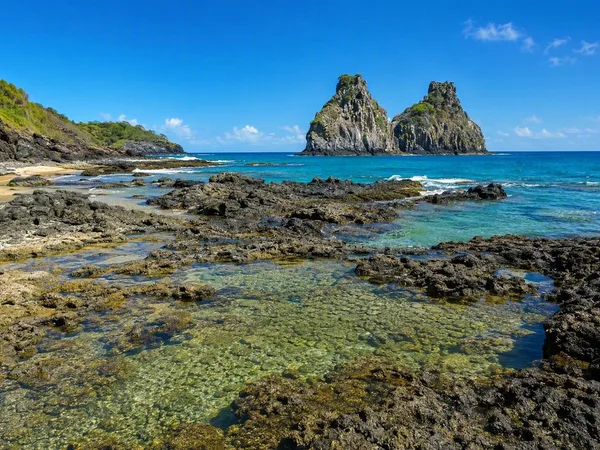
Baía dos Porcos
0 linked stories and routes
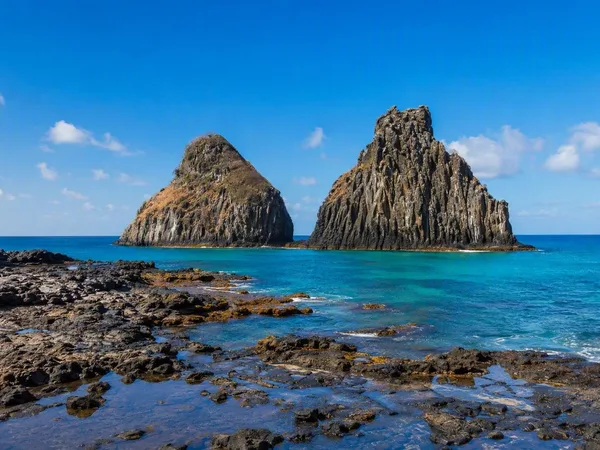
Morro Dois Irmãos
0 linked stories and routes
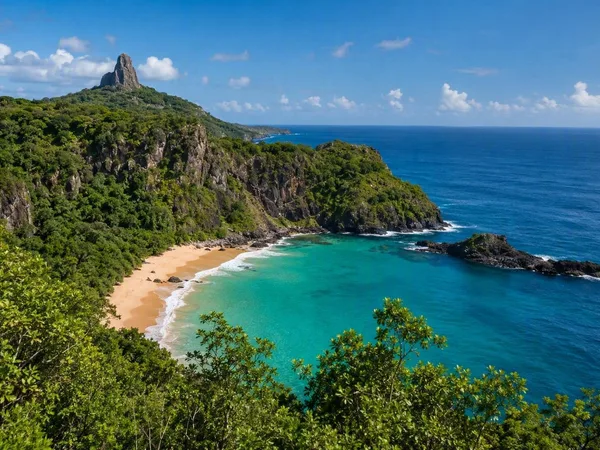
Fernando de Noronha Marine National Park
0 linked stories and routes