
Neighbourhood · Brazil
Bairro do Recife (Recife Antigo)
Bairro do Recife, commonly called Recife Antigo, is Recife’s historic port district on an island at the meeting of the city’s waterways and the Atlantic. Its compact streets connect Marco Zero, museums, churches, waterfront quays and old commercial buildings.
Orientation
Bairro do Recife is the oldest core of Recife and the city’s historic port district. Locals and visitors commonly call it Recife Antigo; the administrative name is Bairro do Recife. It occupies an island-like strip between the harbor, the Capibaribe and Beberibe waters, linked to the central districts by bridges.
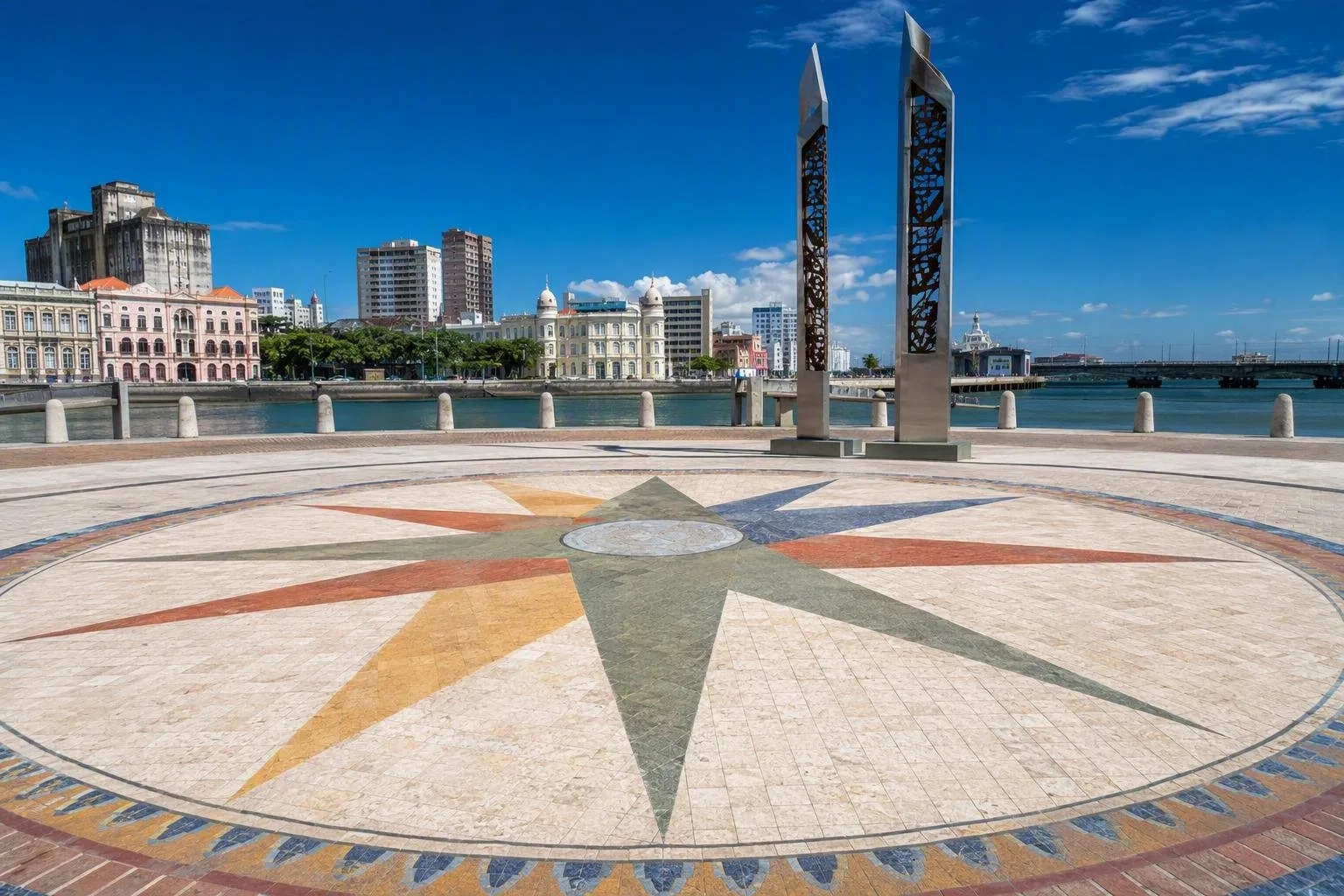
Start at Marco Zero in Praça Rio Branco, on the waterfront. The square is Recife’s reference point for road distances and a useful landmark for navigating the district. From here, Avenida Rio Branco runs inland, while the harbor promenade and former port warehouses run along the water.
The essential walk
The district is best explored on foot. A practical circuit is:
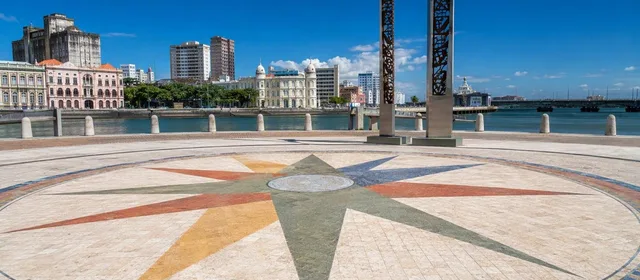
- Marco Zero: see the large compass-rose pavement and look across the harbor toward Francisco Brennand’s Sculpture Park.
- Avenida Rio Branco and Praça do Arsenal: follow the broad pedestrian-friendly spine north toward cultural venues and historic streets.
- Rua do Bom Jesus: walk this pedestrian-only street for its preserved façades and the Kahal Zur Israel Synagogue, founded in the 17th century.
- Rua da Moeda and Rua da Guia: use these parallel streets to connect back through the old commercial quarter.
Do not treat the neighborhood as a sealed colonial set. Historic houses, port infrastructure, cultural institutions and the Porto Digital technology district occupy the same small area.
Culture and built heritage
The port gave Bairro do Recife its purpose, and the water remains central to its layout. The district is a protected historic area with buildings and public spaces spanning its long commercial history.
Key stops include Paço do Frevo, dedicated to Pernambuco’s frevo music and dance, and the Igreja Madre de Deus. Rua do Bom Jesus is the clearest streetscape for reading the old urban fabric: narrow blocks, continuous façades and former trading premises.
At the north end, the Pilar area preserves a different layer of the district. Archaeological work there has uncovered evidence connected with the early occupation of Recife and the Forte de São Jorge.
Crossings and waterfront
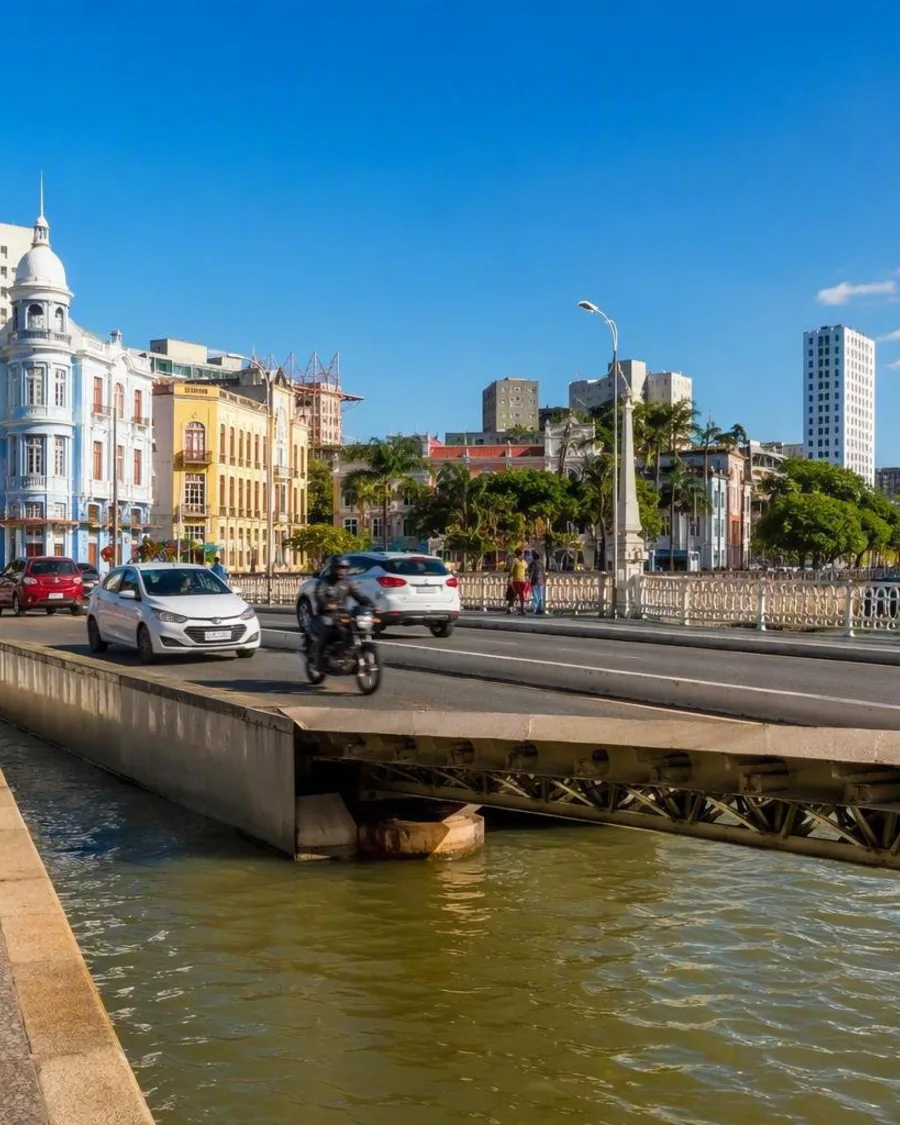
The bridges are part of the experience, not just transport links. Ponte Maurício de Nassau crosses toward Santo Antônio; Ponte 12 de Setembro, better known as Ponte Giratória, connects the district with São José. Use either crossing for wider views of the river channels and the port-facing skyline.
The harbor edge is open and exposed. It is best for a daytime walk, especially when combined with Marco Zero and the nearby cultural stops.
Getting there and moving around
Use Marco Zero as the drop-off and meeting point. The core sights lie within walking distance, but surfaces, curbs and ongoing street works can make some routes uneven. Rua do Bom Jesus is pedestrian-only; elsewhere, expect a mix of pedestrian areas and local traffic.
For a focused visit, allow half a day. Begin earlier in the day for museums and walking, then leave time to cross a bridge or follow the waterfront before returning to Marco Zero.
From the magazine
Stories about Bairro do Recife (Recife Antigo)
Editorial stories linked directly to Bairro do Recife (Recife Antigo).
Routes from our editors
Travel through Bairro do Recife (Recife Antigo)
Editorial routes connecting Bairro do Recife (Recife Antigo) with other countries, cities and hotspots.
No routes through Bairro do Recife (Recife Antigo) have been published yet.
More in Brazil
Related hotspots
Other cities, nature areas and places within Brazil.
Recife
1 linked stories and routes
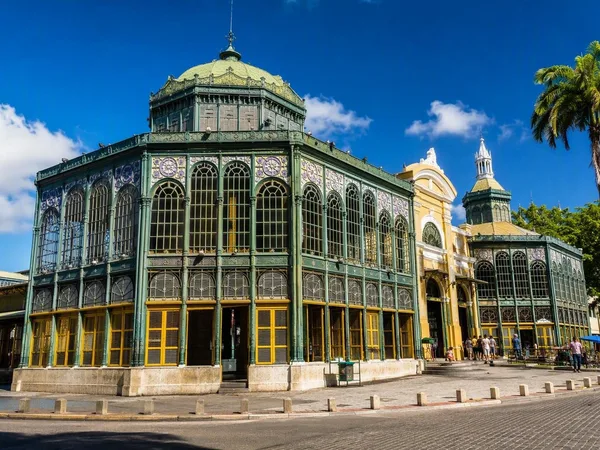
São José
1 linked stories and routes
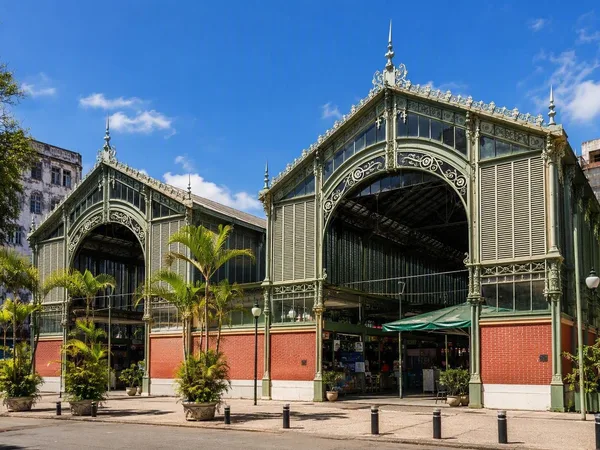
Mercado de São José
1 linked stories and routes
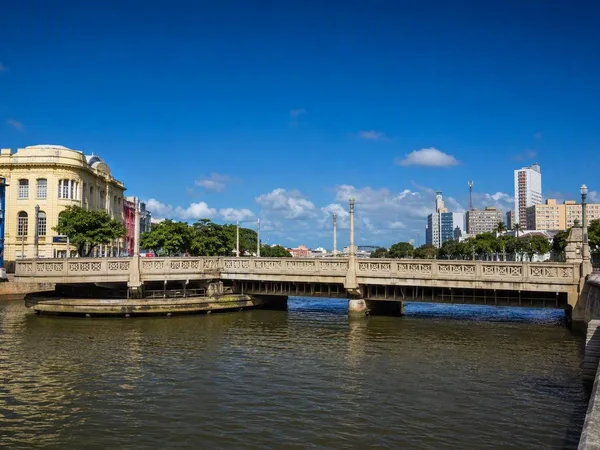
Capibaribe River
1 linked stories and routes
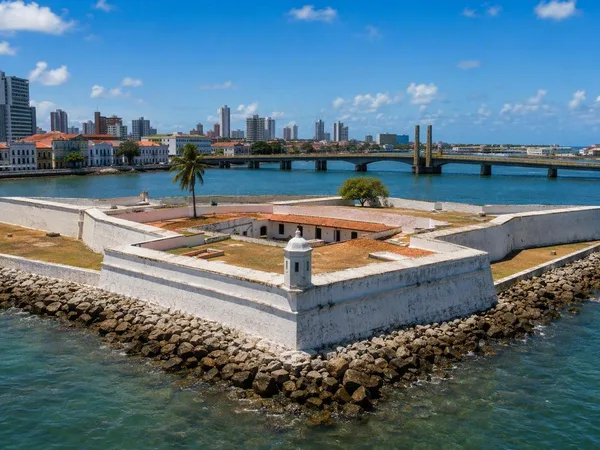
Ilha de Antônio Vaz, Recife
1 linked stories and routes
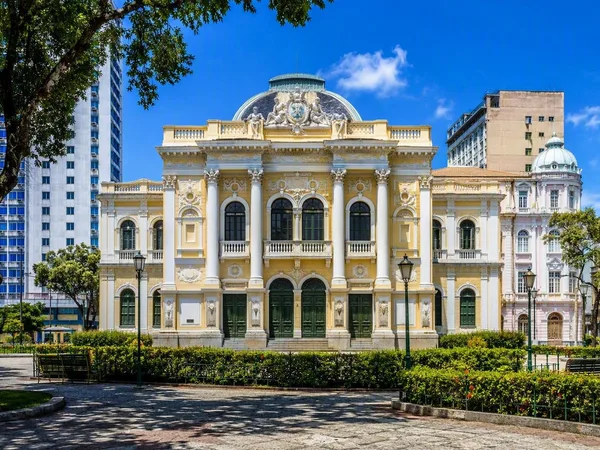
Santo Antônio, Recife
1 linked stories and routes
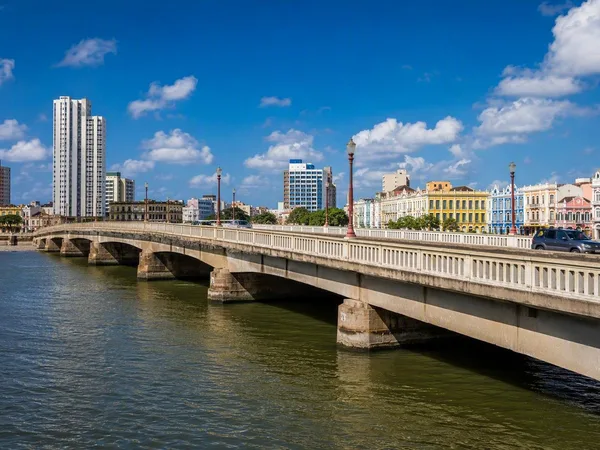
Ponte Giratória
1 linked stories and routes
Cais da Alfândega
1 linked stories and routes
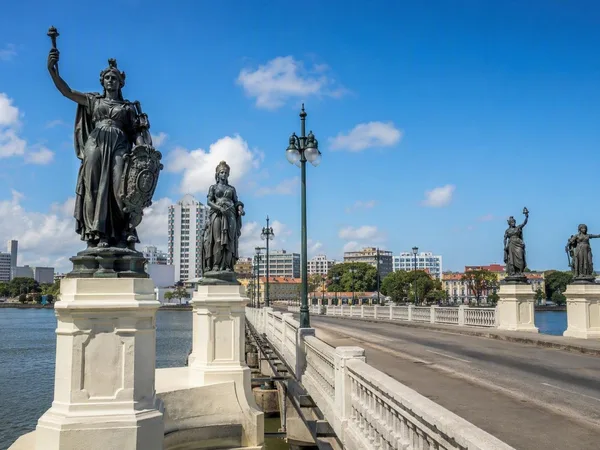
Ponte Maurício de Nassau
1 linked stories and routes
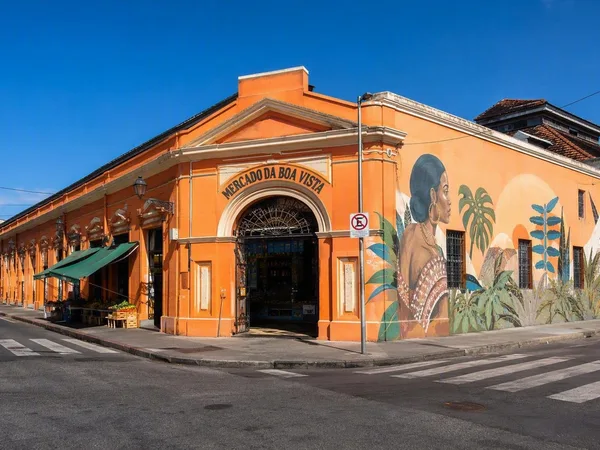
Boa Vista, Recife
1 linked stories and routes
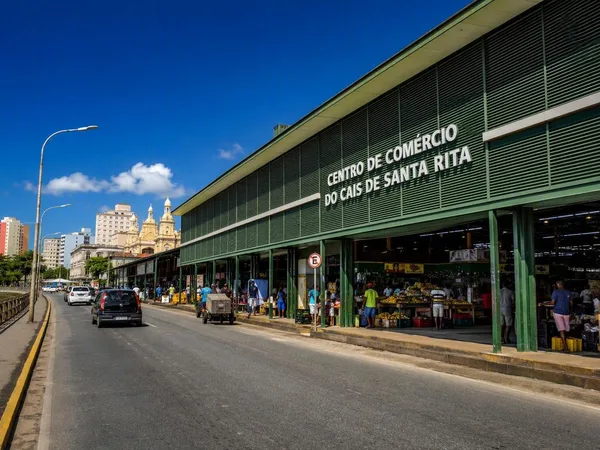
Cais de Santa Rita
1 linked stories and routes

Pantanal, Brazil
1 linked stories and routes
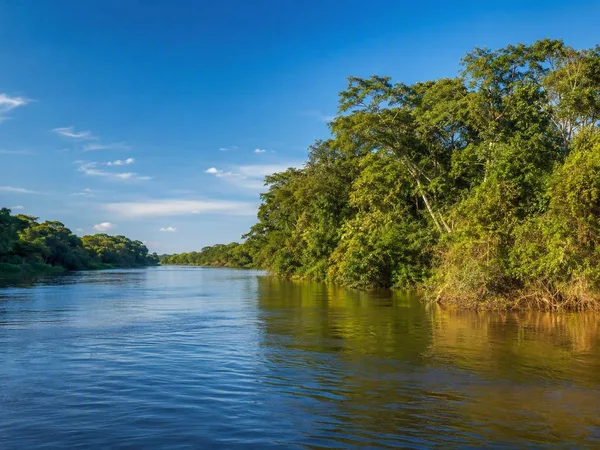
Encontro das Águas State Park
1 linked stories and routes
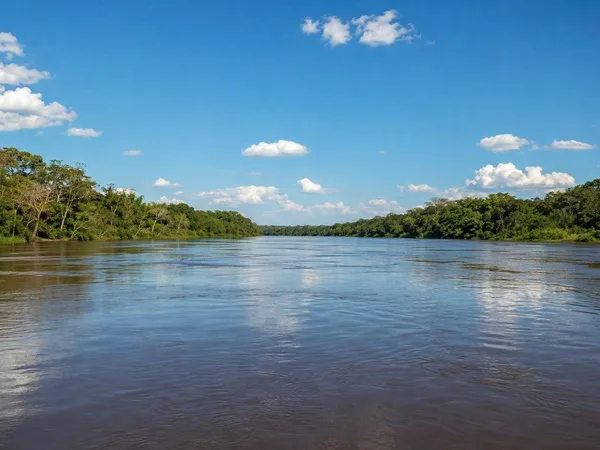
Porto Jofre
1 linked stories and routes
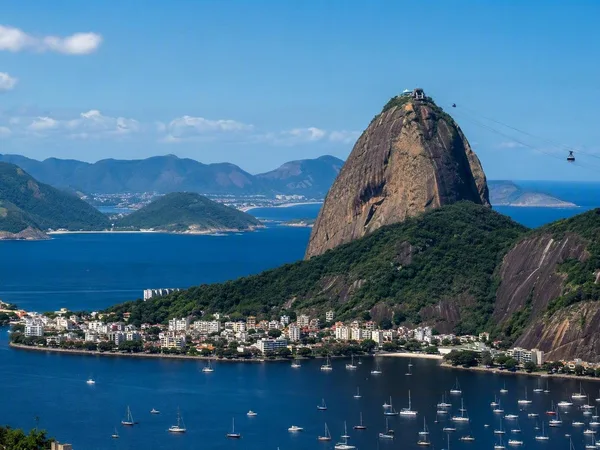
Rio de Janeiro
1 linked stories and routes
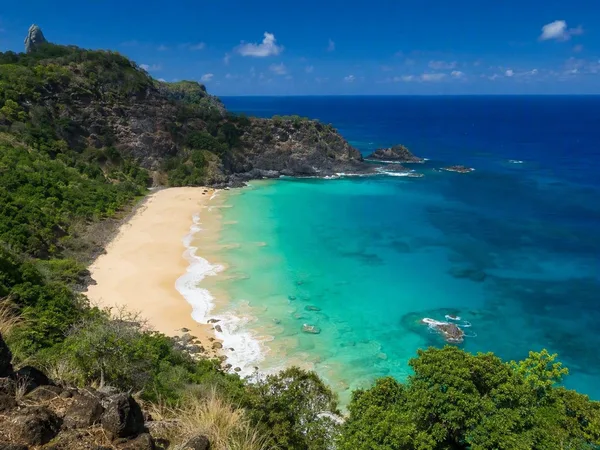
Praia do Sancho
1 linked stories and routes
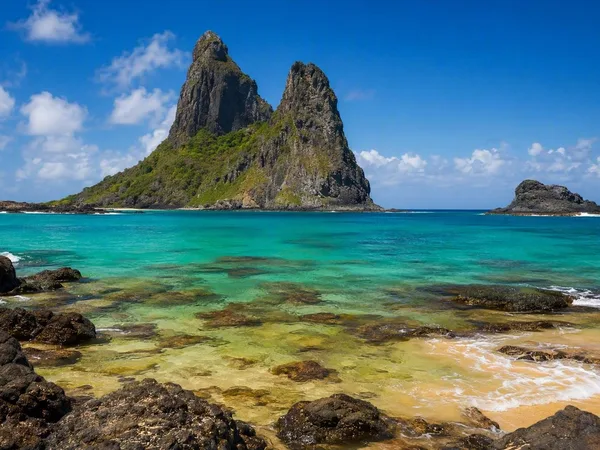
Fernando de Noronha
0 linked stories and routes
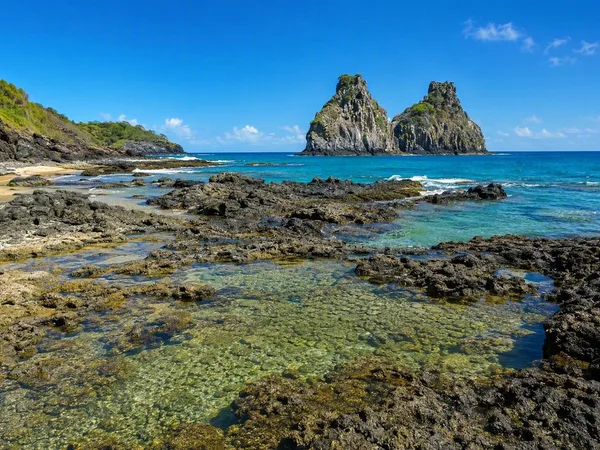
Baía dos Porcos
0 linked stories and routes
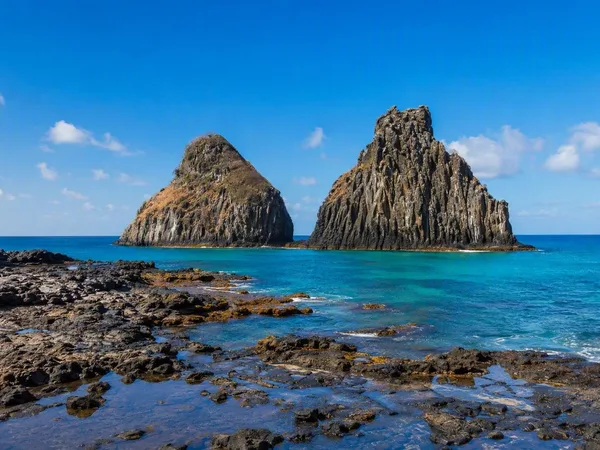
Morro Dois Irmãos
0 linked stories and routes
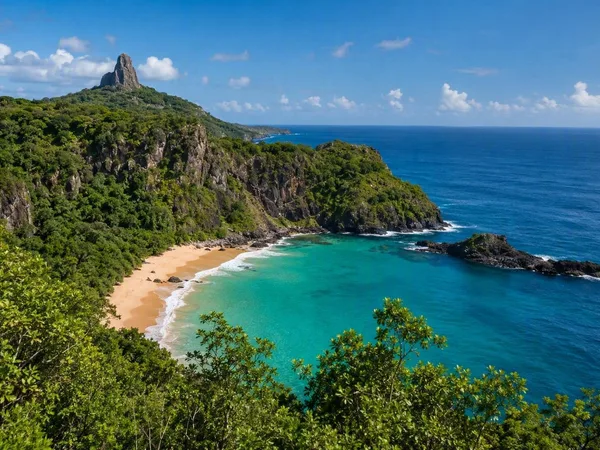
Fernando de Noronha Marine National Park
0 linked stories and routes