
Neighbourhood · Brazil
Santo Antônio, Recife
Santo Antônio is a historic central neighbourhood of Recife, on Ilha de Antônio Vaz beside the Capibaribe. It is the city’s bridge-and-square district, linking Recife Antigo with a dense concentration of churches, civic buildings and commercial streets.
Orientation
Santo Antônio occupies the northern part of Ilha de Antônio Vaz in central Recife. The Capibaribe defines its northern and eastern edges; Recife Antigo lies across the water, while São José begins to the south. This is a working central district rather than a preserved museum quarter: broad avenues, older lanes, public offices, shops and major religious buildings sit close together.
Use Praça da República as a practical anchor. It places you beside the river, Teatro de Santa Isabel and the main bridge crossings.
Read the city from the bridges
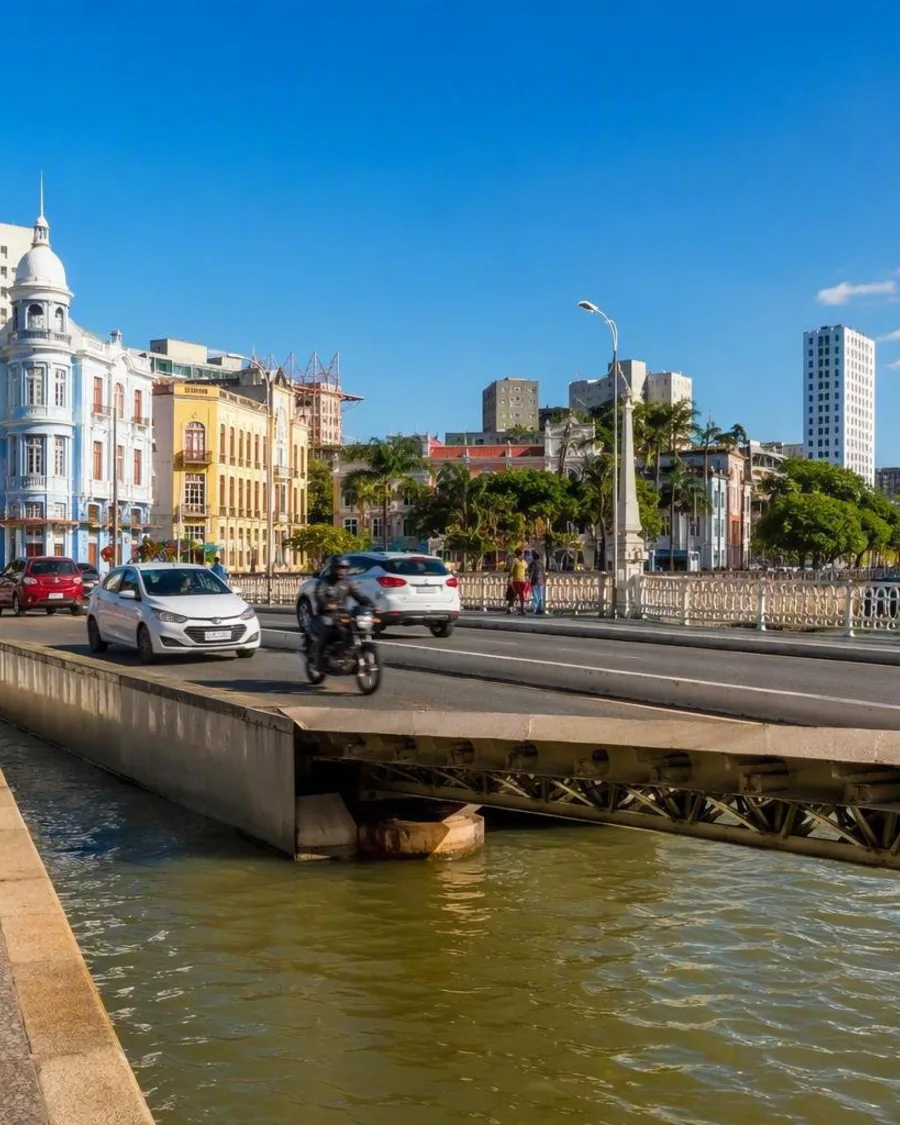
The best introduction is Ponte Maurício de Nassau, which connects Santo Antônio to Recife Antigo. Cross it on foot for a clear view of the Capibaribe, quays and the contrasting urban form on either bank. The bridge is a useful link in a longer central walk, not a destination to isolate from its surroundings.
From the Santo Antônio end, continue inland toward Praça da República, or follow the riverside streets west toward the bridges to Boa Vista. The central waterways make the geography legible: routes often stop at a quay, then resume over a bridge in another district.
Key stops
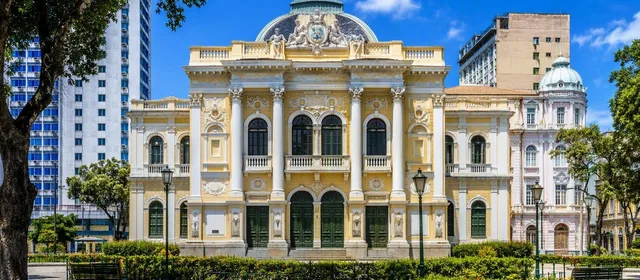
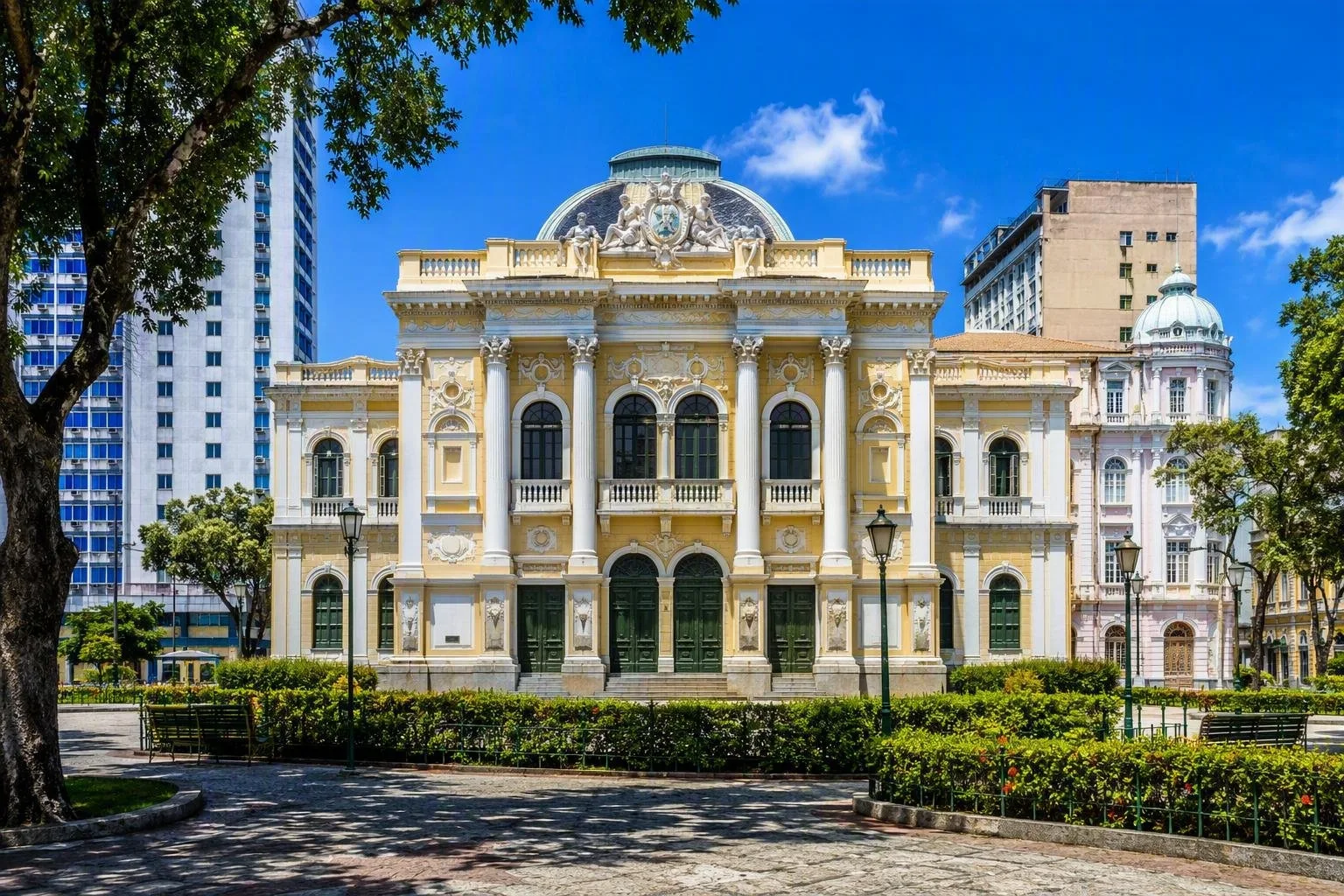
- Teatro de Santa Isabel: a neoclassical theatre on Praça da República, inaugurated in 1850 and protected as national heritage. Its façade and setting make it Santo Antônio’s clearest architectural landmark.
- Praça da República: the green civic square beside the theatre. Pause here before choosing a river crossing or heading south through the neighbourhood.
- Igreja do Divino Espírito Santo: on Rua do Imperador, a historic church associated with a former Jesuit college. Its street-facing architecture is part of the dense older fabric rather than a freestanding monument.
- Igreja de Nossa Senhora da Conceição dos Militares: an important baroque and rococo church on Rua Nova, known for its richly worked interior.
Moving through Santo Antônio
Walk the compact historic core by combining Praça da República, Ponte Maurício de Nassau and the streets around Rua do Imperador and Rua Nova. Avenida Guararapes and Avenida Dantas Barreto are major public-transport corridors and useful orientation lines, but they feel very different from the quieter streets around the churches and square.
Boat sightseeing routes on the Capibaribe offer another way to understand Santo Antônio’s position among Recife Antigo and Boa Vista. They complement a walk; they do not replace the close-up experience of its bridges and civic spaces.
Timing and street sense
Visit major churches and the theatre area in daylight, when architectural details and river views are easiest to read. Opening access to churches and theatre interiors depends on worship, performances and programming, so treat exteriors and public squares as the reliable core of a self-guided walk.
Keep valuables out of sight and use direct, active routes after dark. During large festivals, central bridges and streets may be pedestrianised or closed to vehicles, changing taxi and bus approaches.
From the magazine
Stories about Santo Antônio, Recife
Editorial stories linked directly to Santo Antônio, Recife.
Routes from our editors
Travel through Santo Antônio, Recife
Editorial routes connecting Santo Antônio, Recife with other countries, cities and hotspots.
No routes through Santo Antônio, Recife have been published yet.
More in Brazil
Related hotspots
Other cities, nature areas and places within Brazil.
Recife
1 linked stories and routes
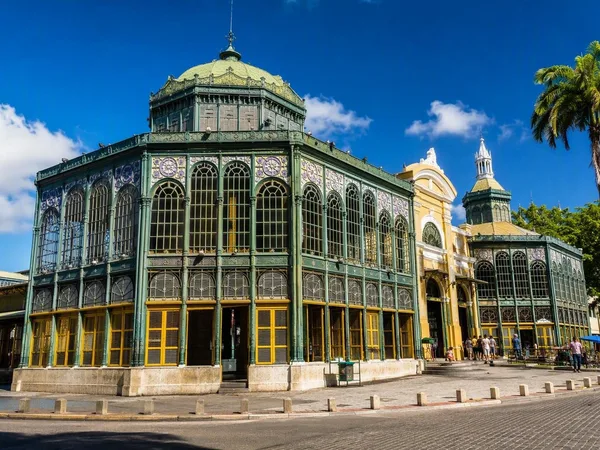
São José
1 linked stories and routes
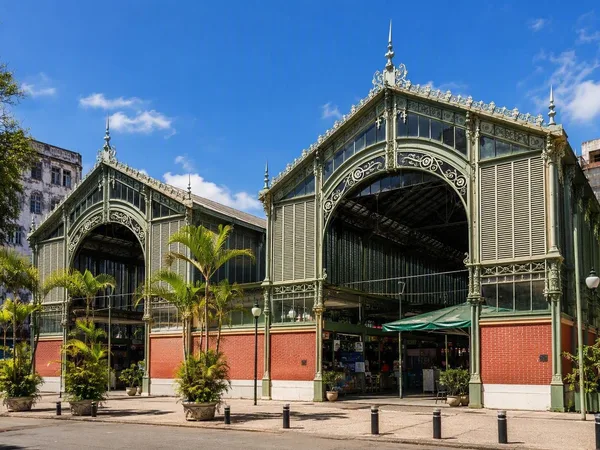
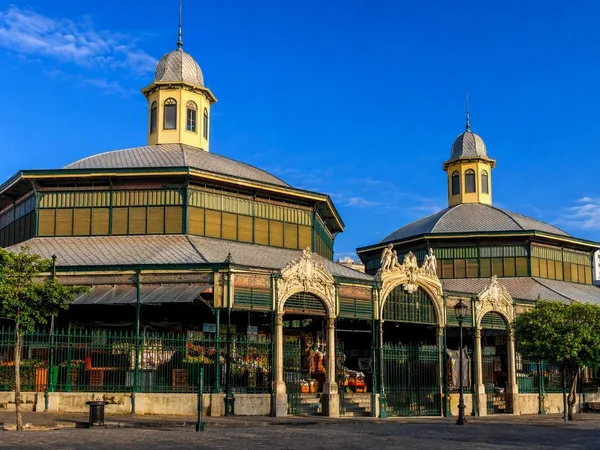
Mercado de São José
1 linked stories and routes
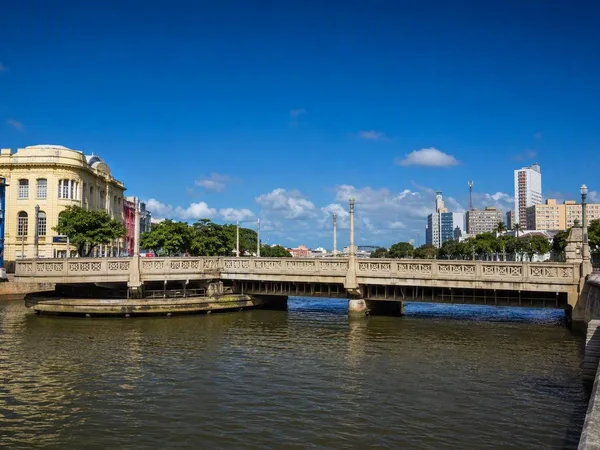
Capibaribe River
1 linked stories and routes
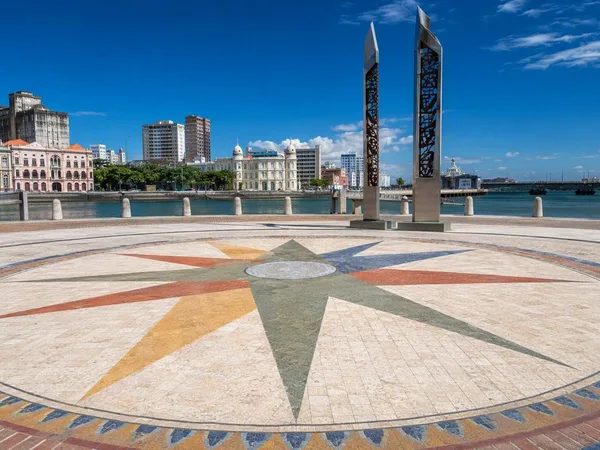
Bairro do Recife (Recife Antigo)
1 linked stories and routes
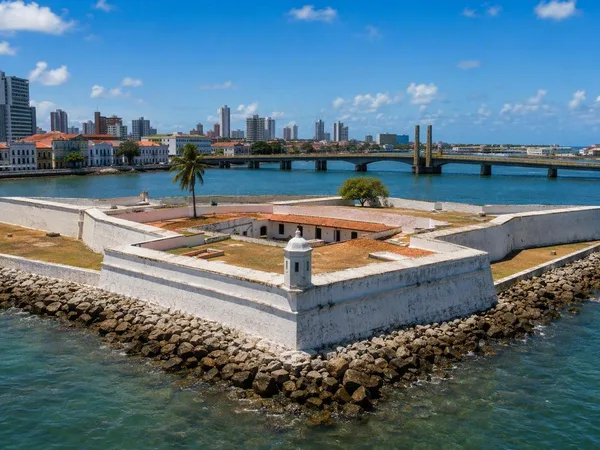
Ilha de Antônio Vaz, Recife
1 linked stories and routes
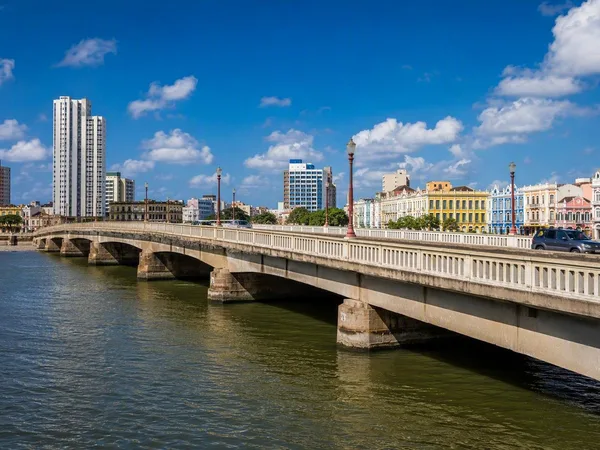
Ponte Giratória
1 linked stories and routes
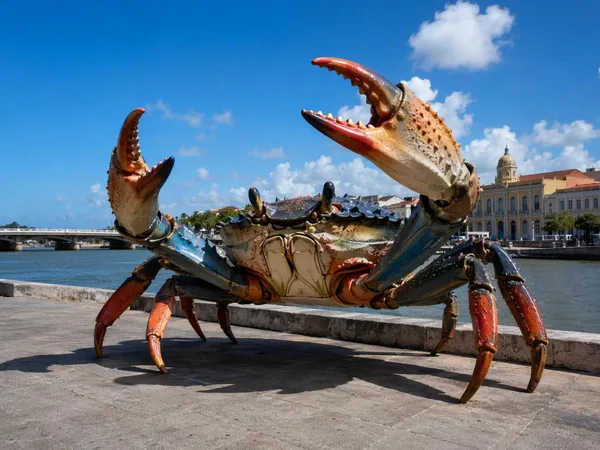
Cais da Alfândega
1 linked stories and routes
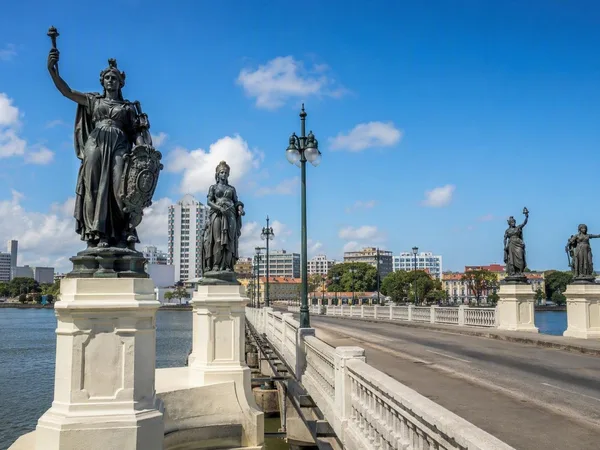
Ponte Maurício de Nassau
1 linked stories and routes
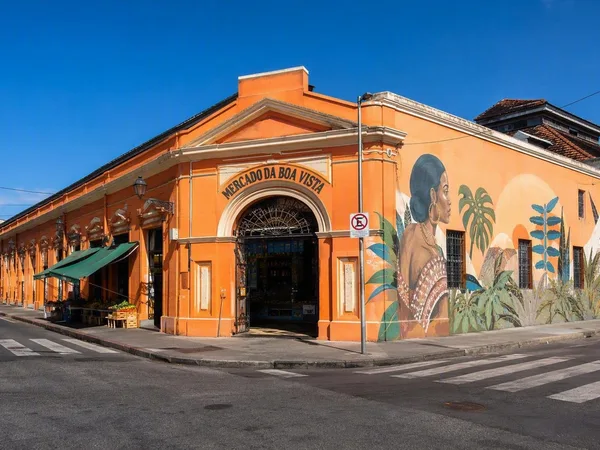
Boa Vista, Recife
1 linked stories and routes
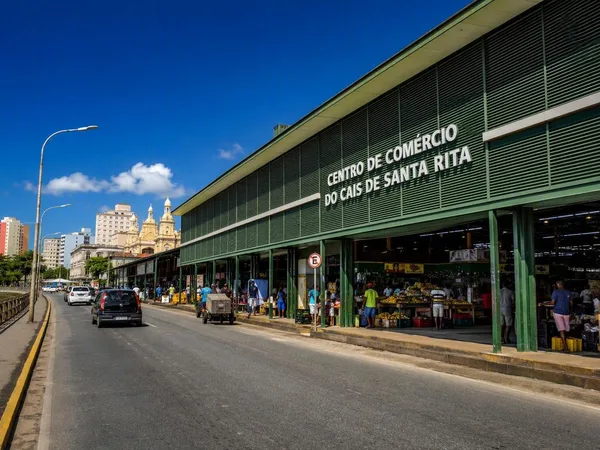
Cais de Santa Rita
1 linked stories and routes

Pantanal, Brazil
1 linked stories and routes
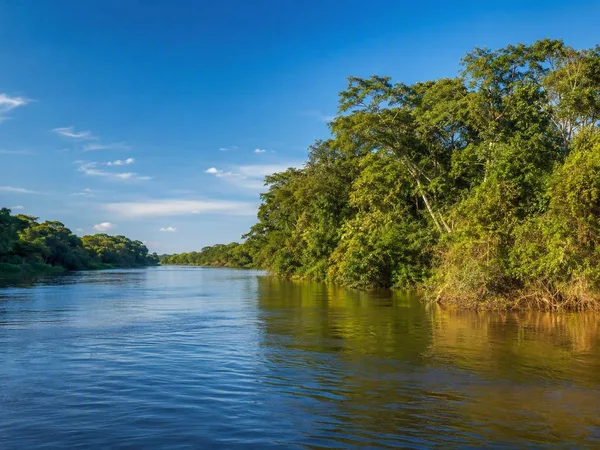
Encontro das Águas State Park
1 linked stories and routes
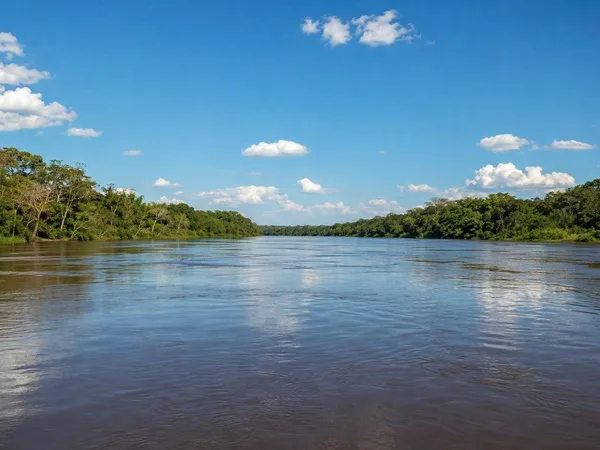
Porto Jofre
1 linked stories and routes
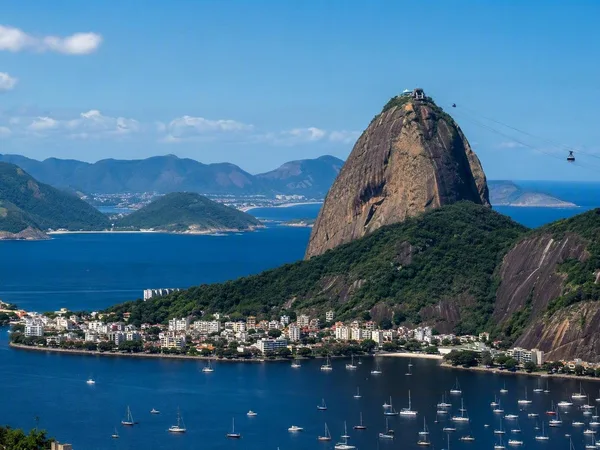
Rio de Janeiro
1 linked stories and routes
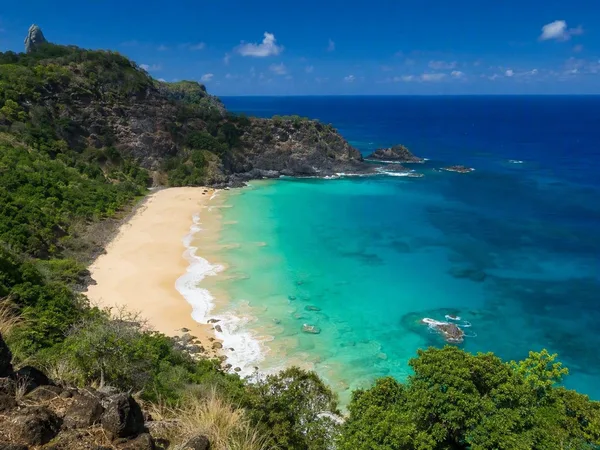
Praia do Sancho
1 linked stories and routes
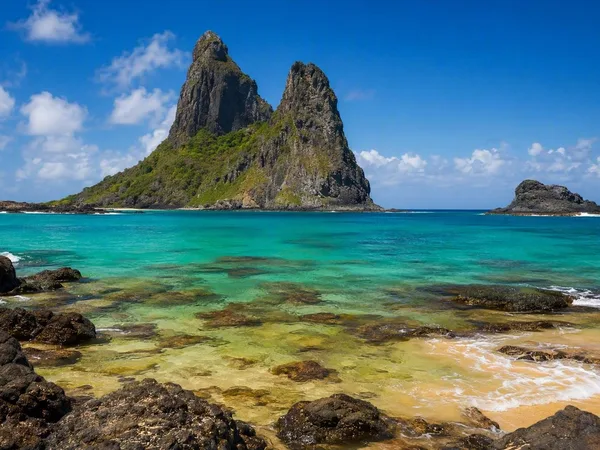
Fernando de Noronha
0 linked stories and routes
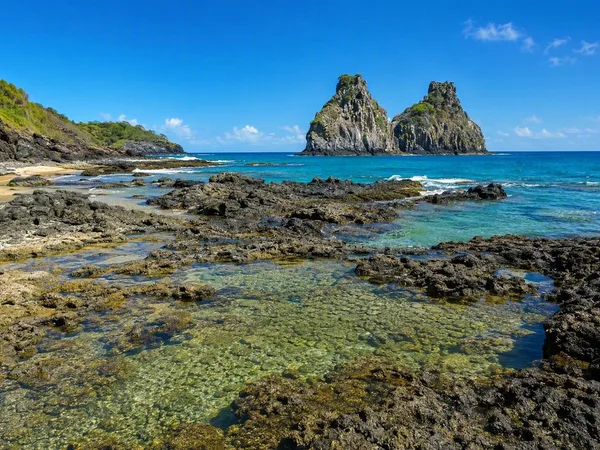
Baía dos Porcos
0 linked stories and routes
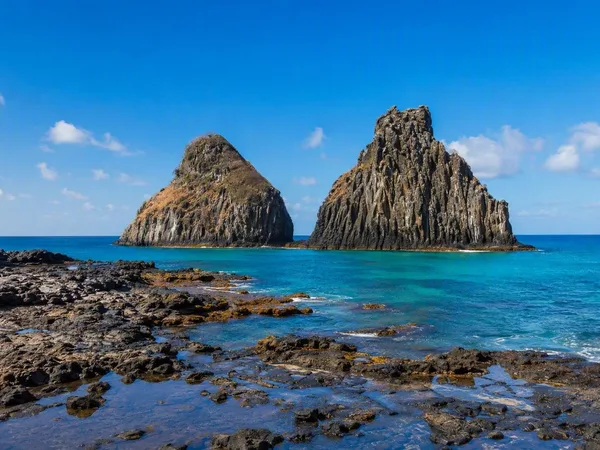
Morro Dois Irmãos
0 linked stories and routes
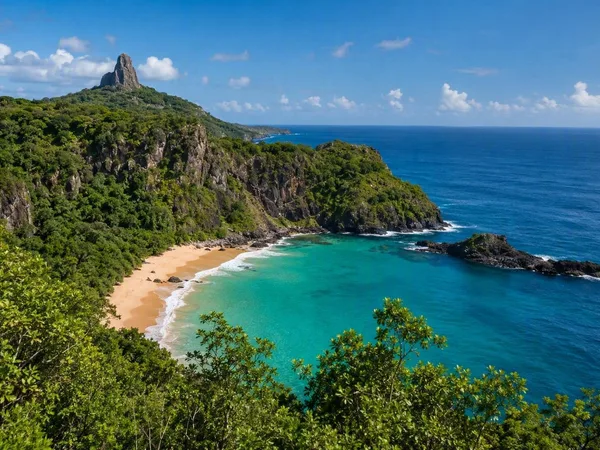
Fernando de Noronha Marine National Park
0 linked stories and routes